Economy
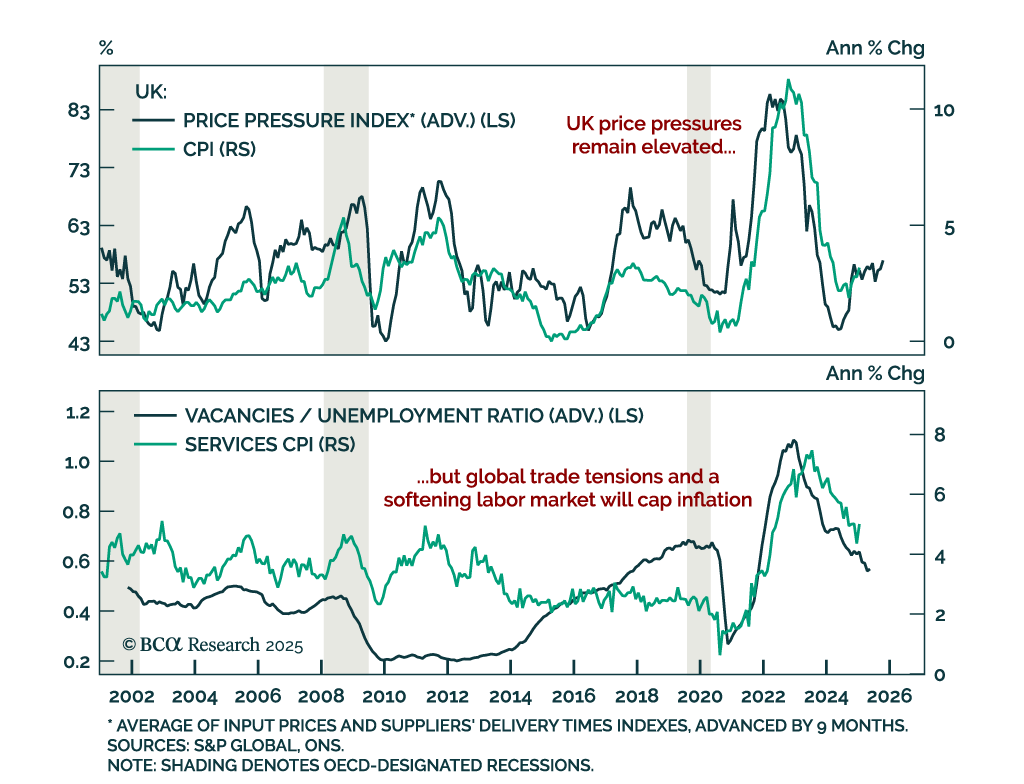
The January UK CPI was slightly hotter than expected. Headline inflation beat estimates, rising to 3.0% y/y from 2.5% in December. Core inflation also jumped but was in line with expectations at 3.7%. Services were strong, albeit slightly lower than expected…
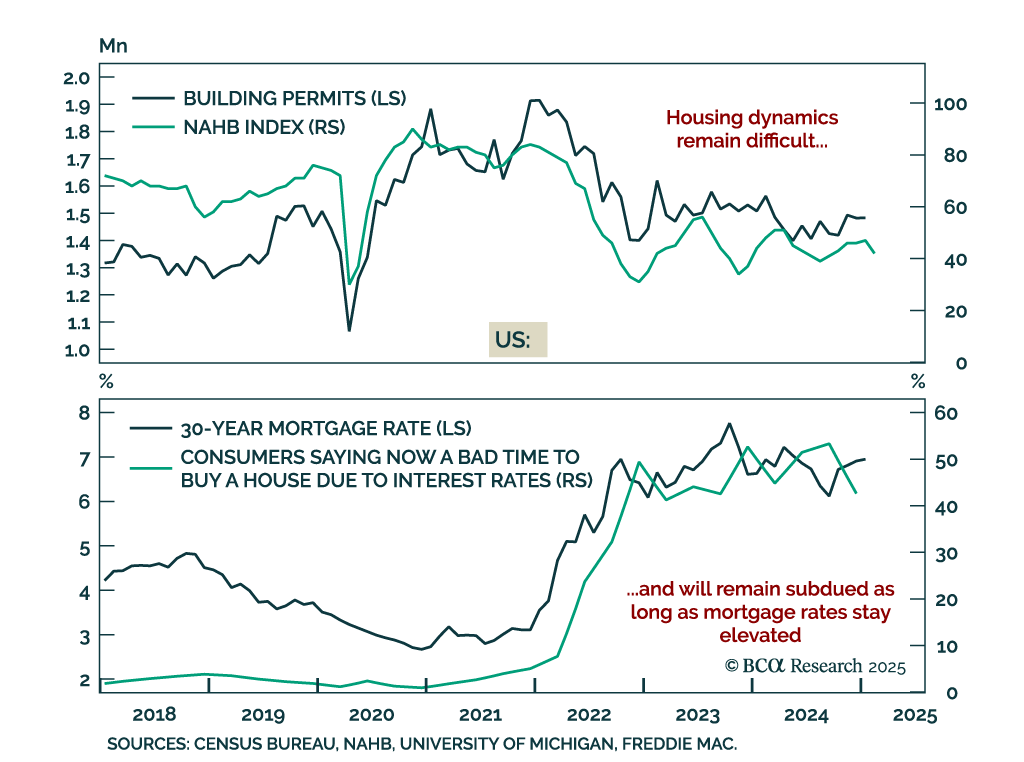
US January housing data disappointed, with housing starts falling 9.8% m/m after expanding 16.1% in December. The February NAHB Housing Market Index also weakened, falling to 42 from 47 in February. Building permits were the one positive surprise, growing…
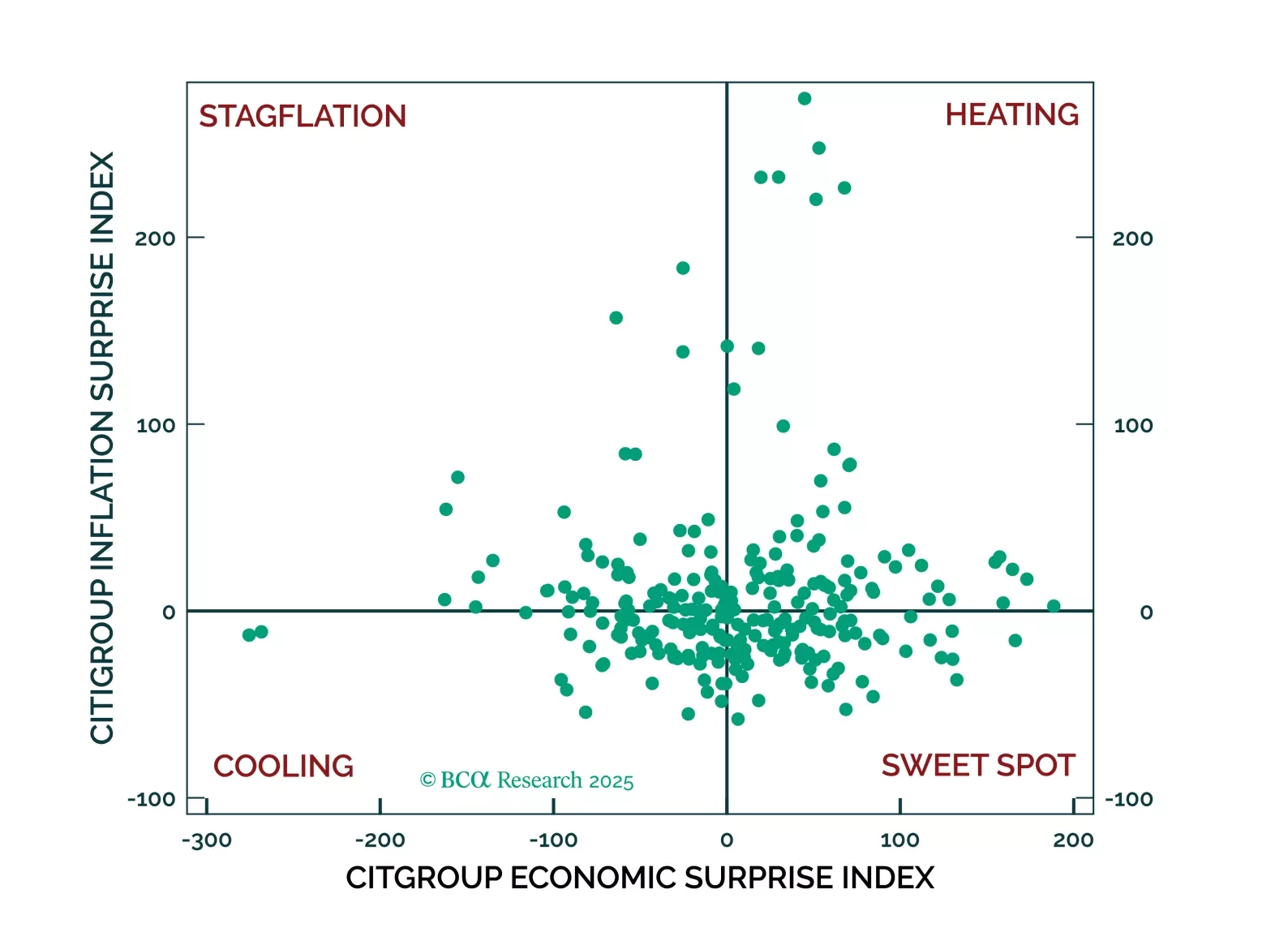
We introduce a systematic approach to investing based on the combination of three macroeconomic variables: economic, inflation, and monetary policy surprises.
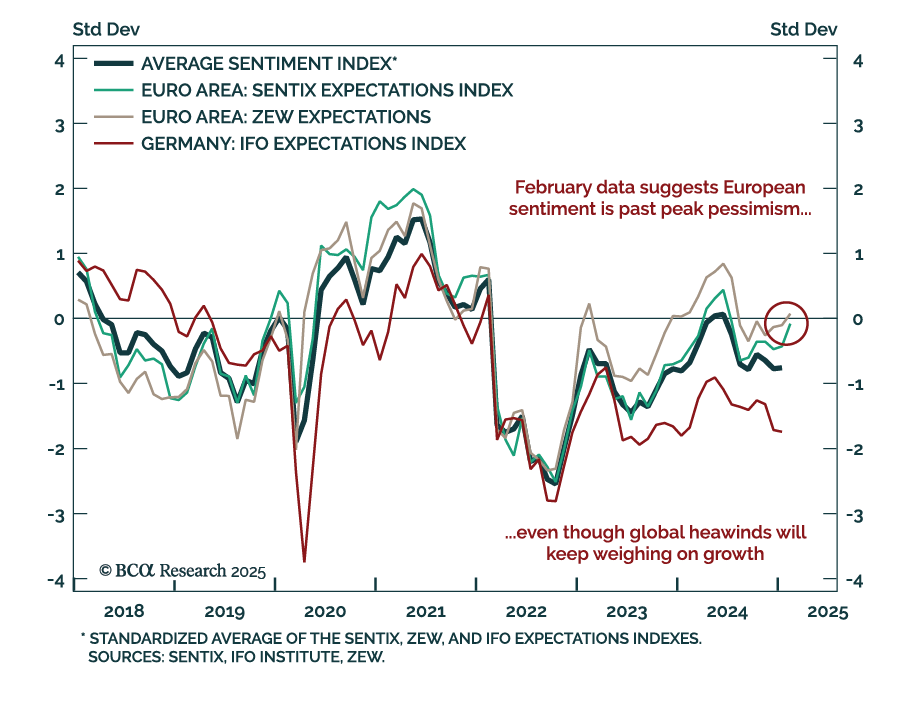
The February ZEW index for Germany and the eurozone beat estimates, with the expectations component rising to 26.0 from 10.3 a month prior. The current situation assessment also improved, although it remains deeply negative at -88.5. The improvement…
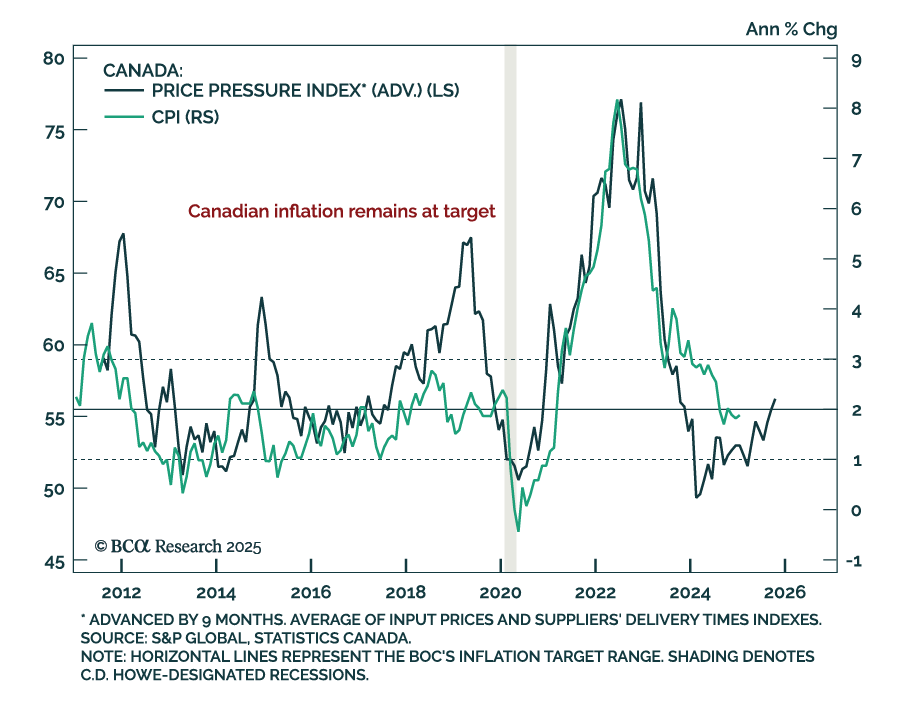
January Canadian headline inflation was in line with estimates at 1.9% y/y. The Bank of Canada’s core measures were slightly hotter than expected, rising to 2.7%, near the top of the Bank of Canada’s 1%-to-3% target range. Canadian inflation remains…
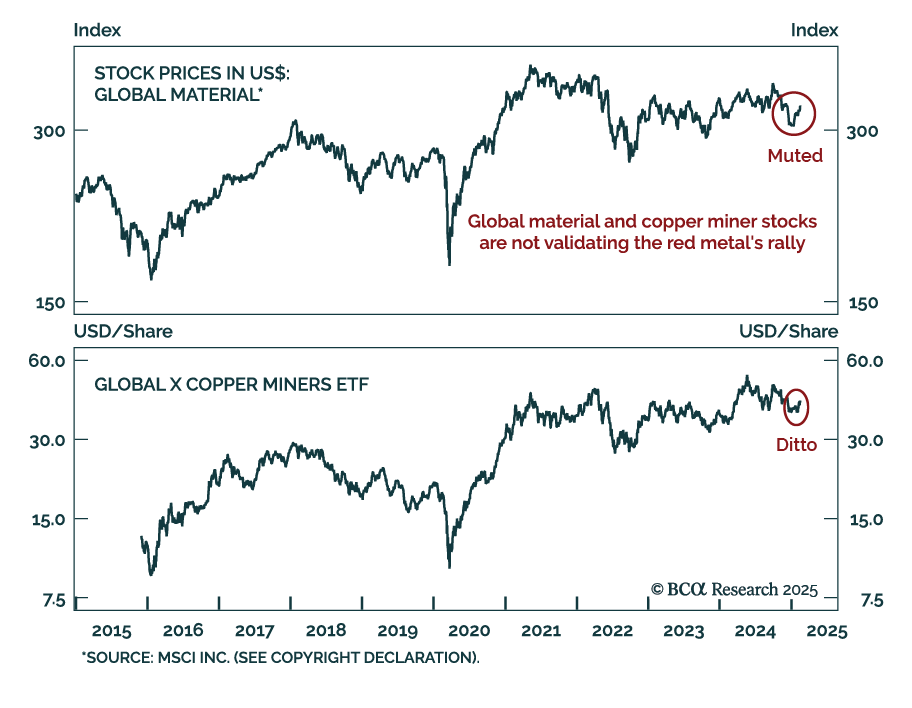
Our Emerging Markets and Commodities strategists explored the dislocations in metals markets as tariffs fears led to physical flows to the US and price spikes. US import tariffs on gold, silver, platinum, and copper are unlikely because their…
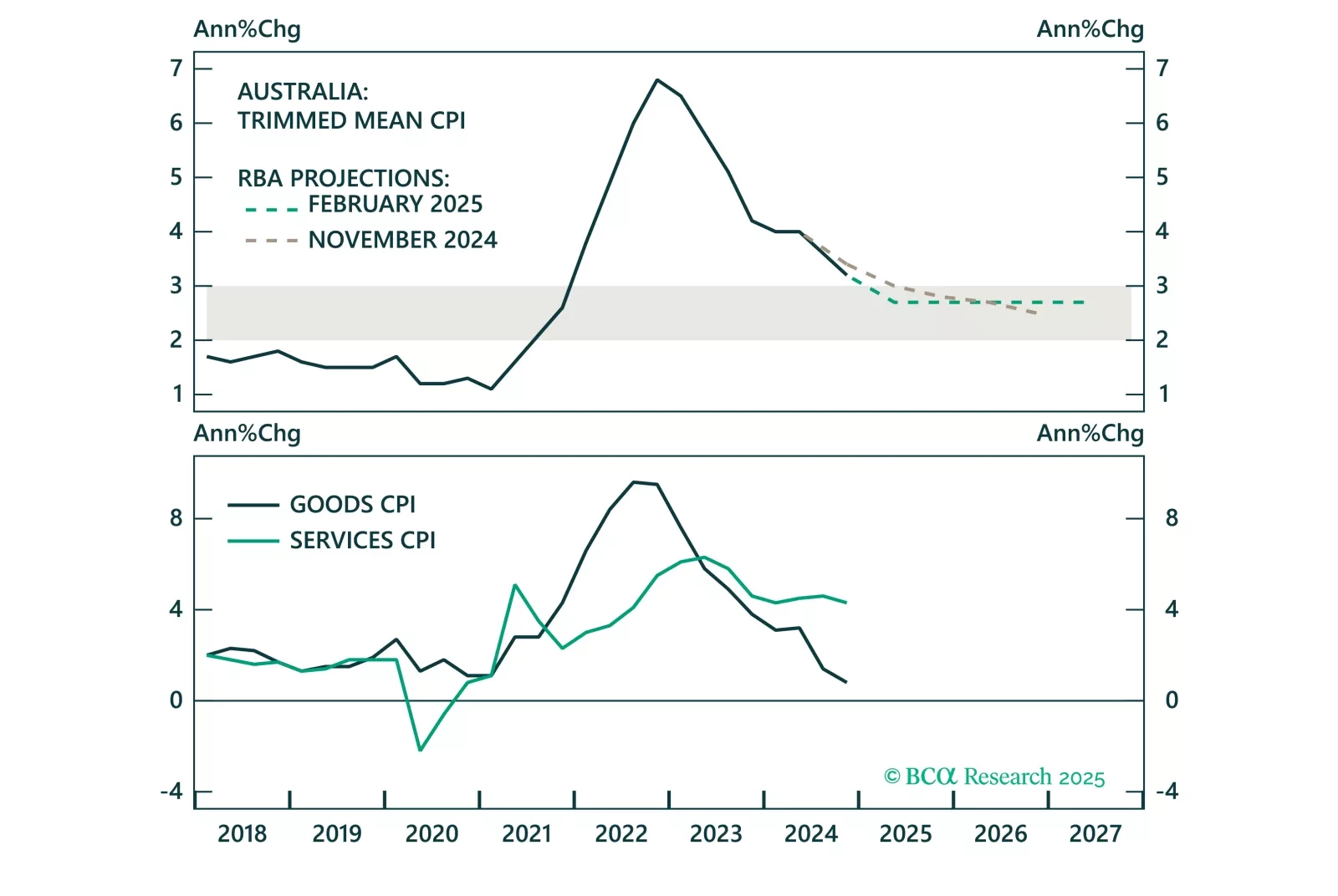
Overnight, the RBA cut the cash target rate for the first time since 2022, marking the beginning of the policy easing cycle in Australia. However, the RBA will proceed cautiously with further rate cuts, given a tight labor market and still elevated services inflation. This will keep Australian government bond yields elevated versus global yields, benefitting the Australian dollar.
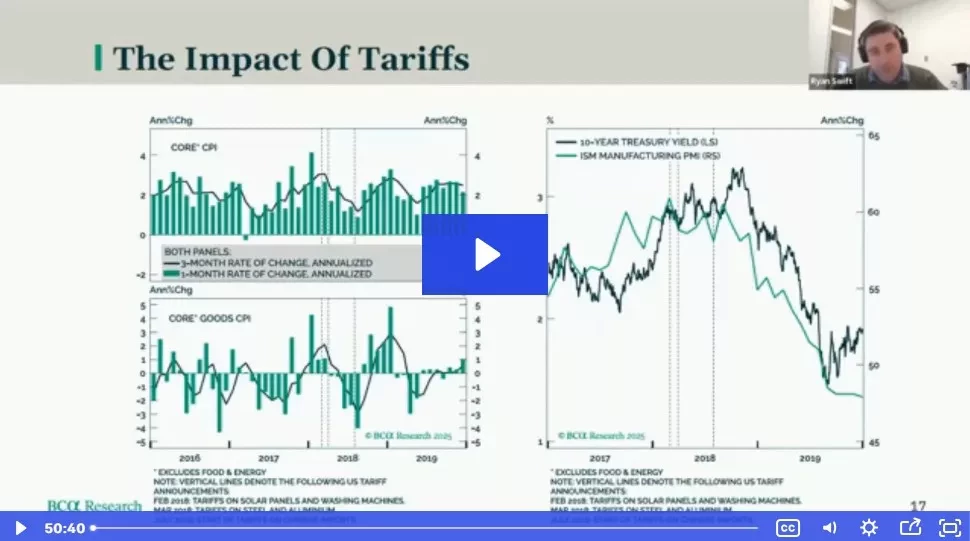
Ryan will outline the value proposition in US bonds and discuss the main factors that will determine the direction of yields over the next 6-12 months, including:
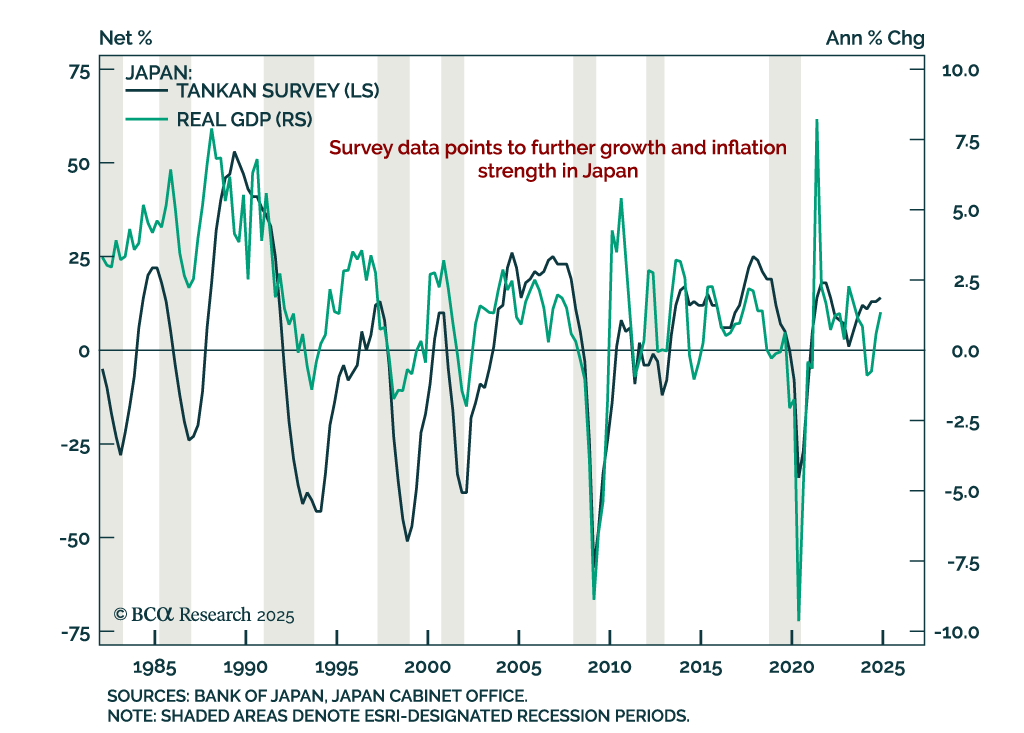
Preliminary estimates of Q4 real GDP growth in Japan was stronger than expected, rising to 2.8% q/q annualized from 1.7% in Q3. Domestic demand remained strong, and the GDP deflator increased to 2.8% y/y. Japan’s economy is running hot, sustaining price…
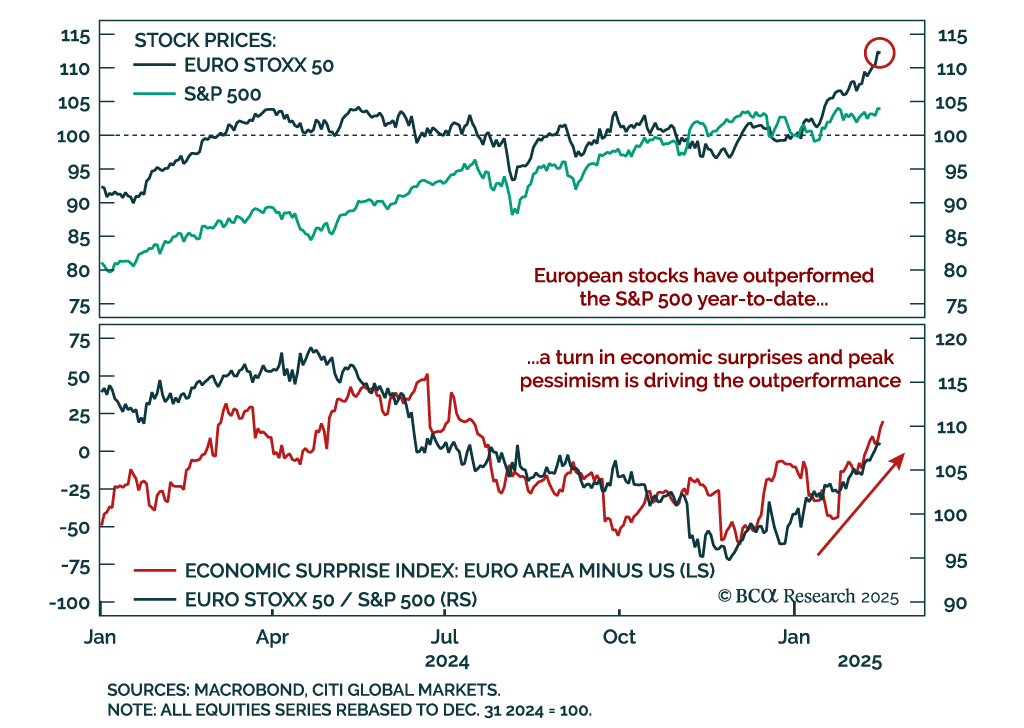
While the main Q1 2025 theme has been “America First”, the year-to-date market story has been more nuanced. “America First” would suggest an outperformance of US assets, but it is European assets that have started the year on a strong footing: The EURO STOXX…