BCA Indicators/Model
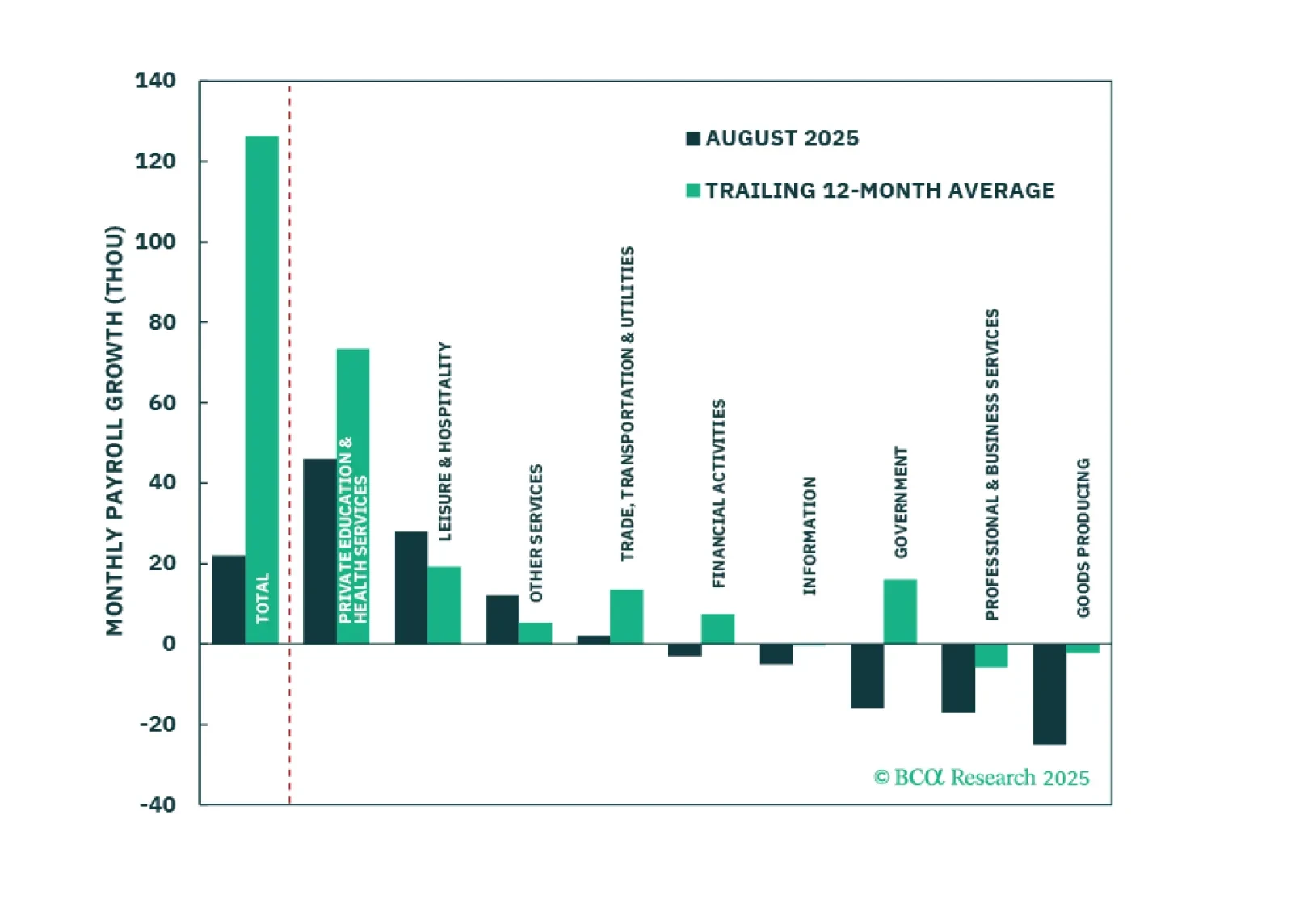
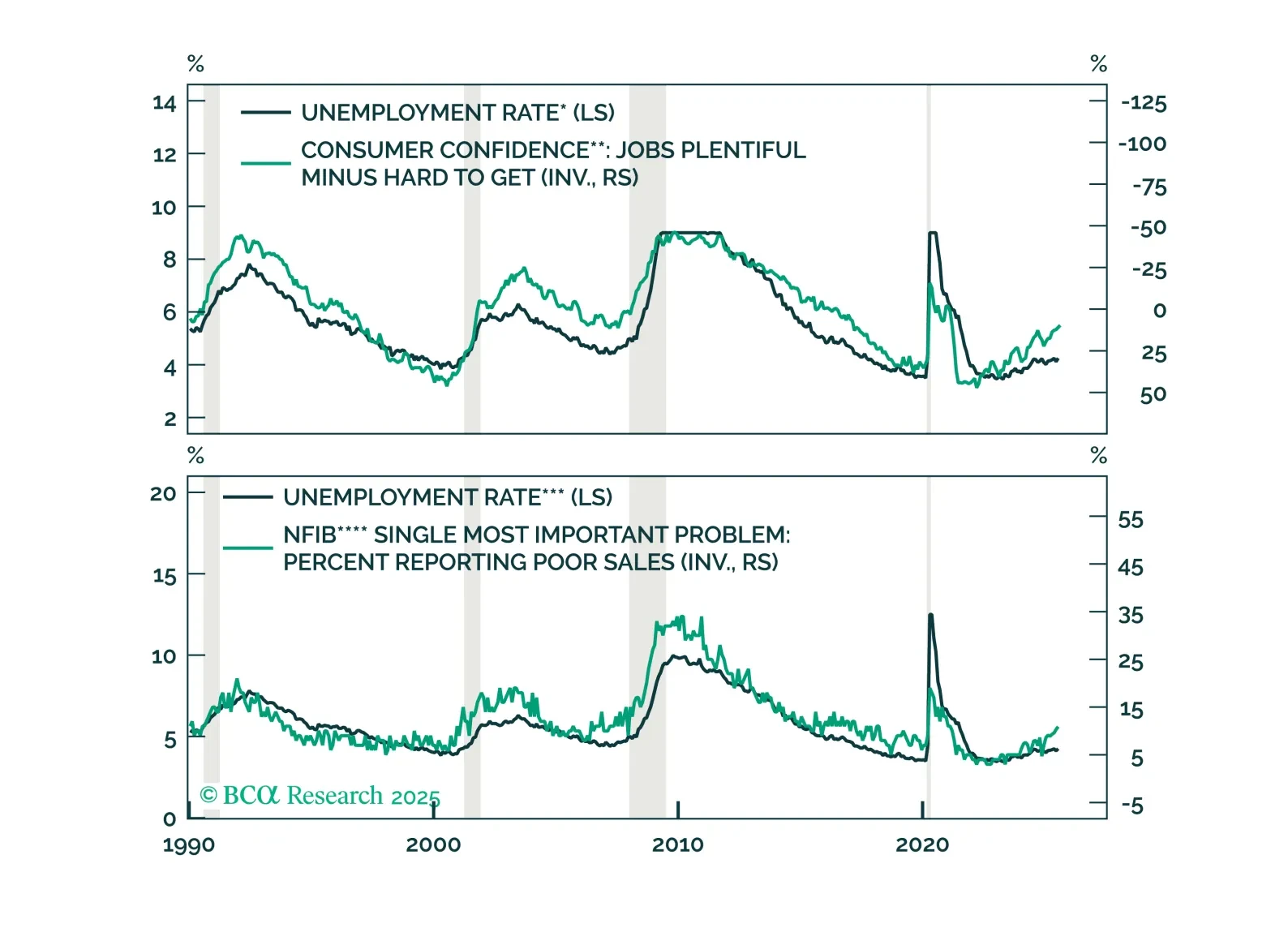
The August employment report showed a modest increase in labor market slack, enough to cement a 25-basis-point rate cut this month.
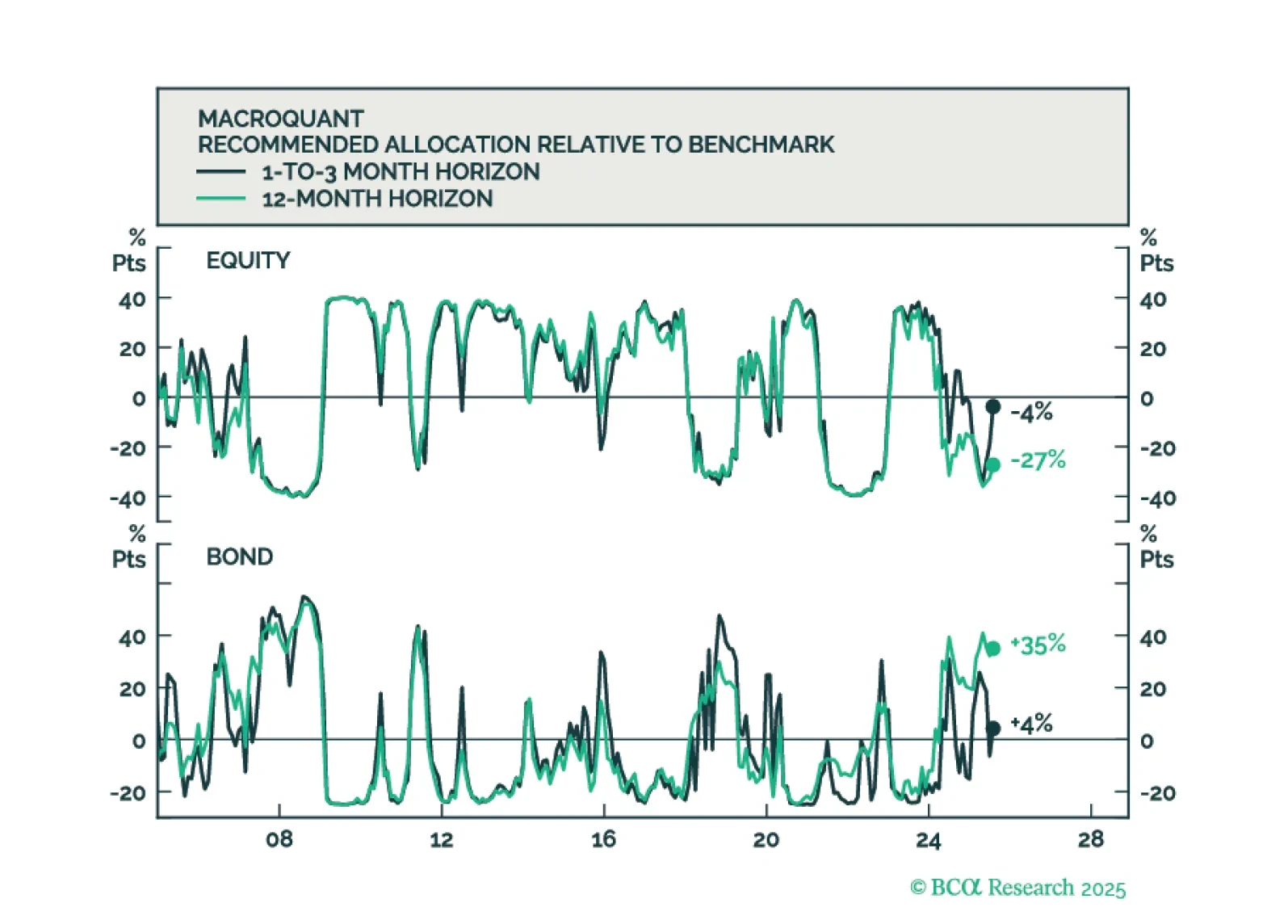
MacroQuant sees downside risks to stocks over a long-term horizon but is not yet saying that we are at imminent risk of an equity bear market.
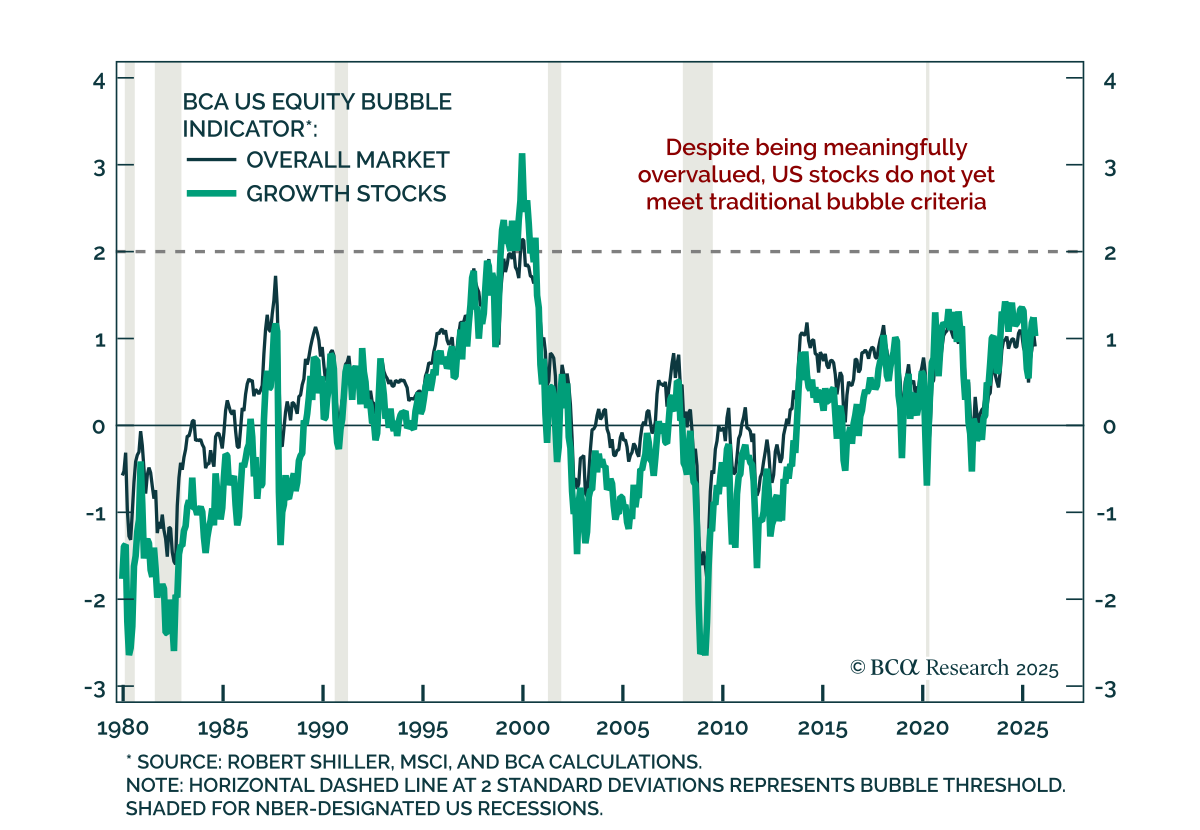
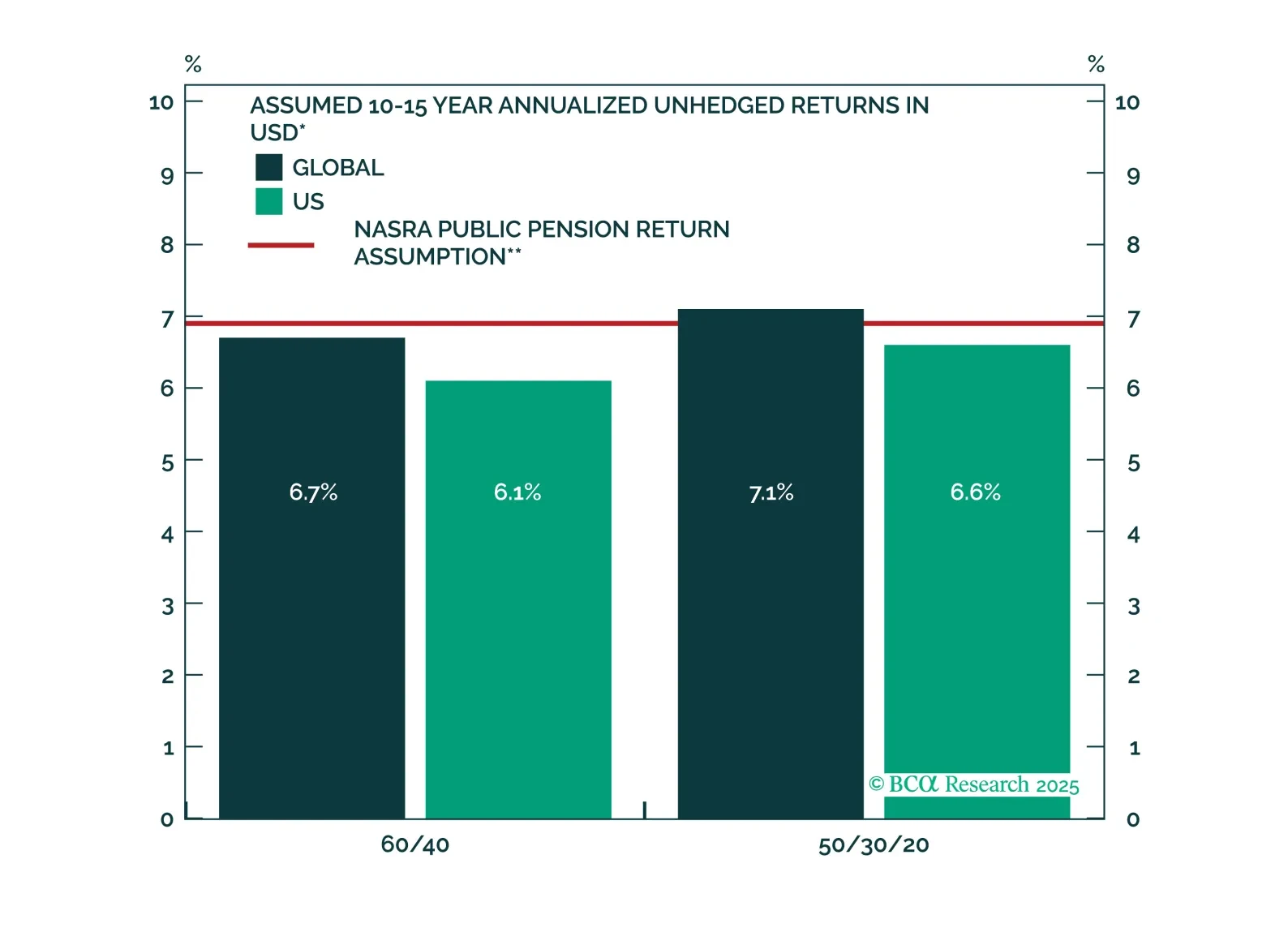
We revamp several of our methodologies in this edition of our return assumptions. We estimate that a US 60/40 portfolio will return 6.1% over the next 10 years. This is slightly below the return assumptions for US pension funds. Investors can obtain better returns by diversifying internationally and to alternative assets.
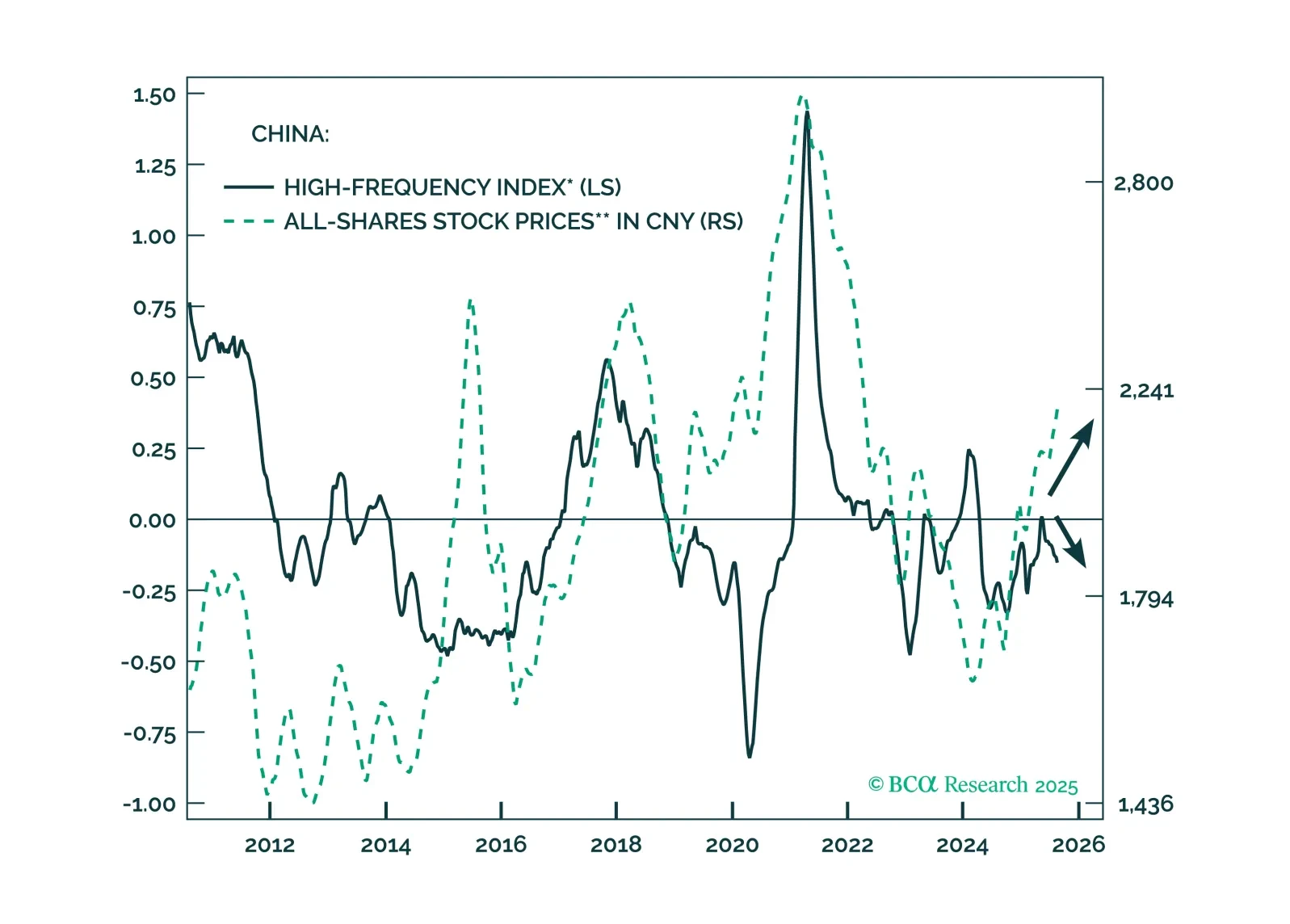
In this week’s Special Report, we introduce our newly constructed China High-Frequency Index (HFI). The HFI provides a timely measurement of China’s current economic conditions, helping investors to gauge cyclical turning points in the economy earlier and identify mini swings within a business cycle.
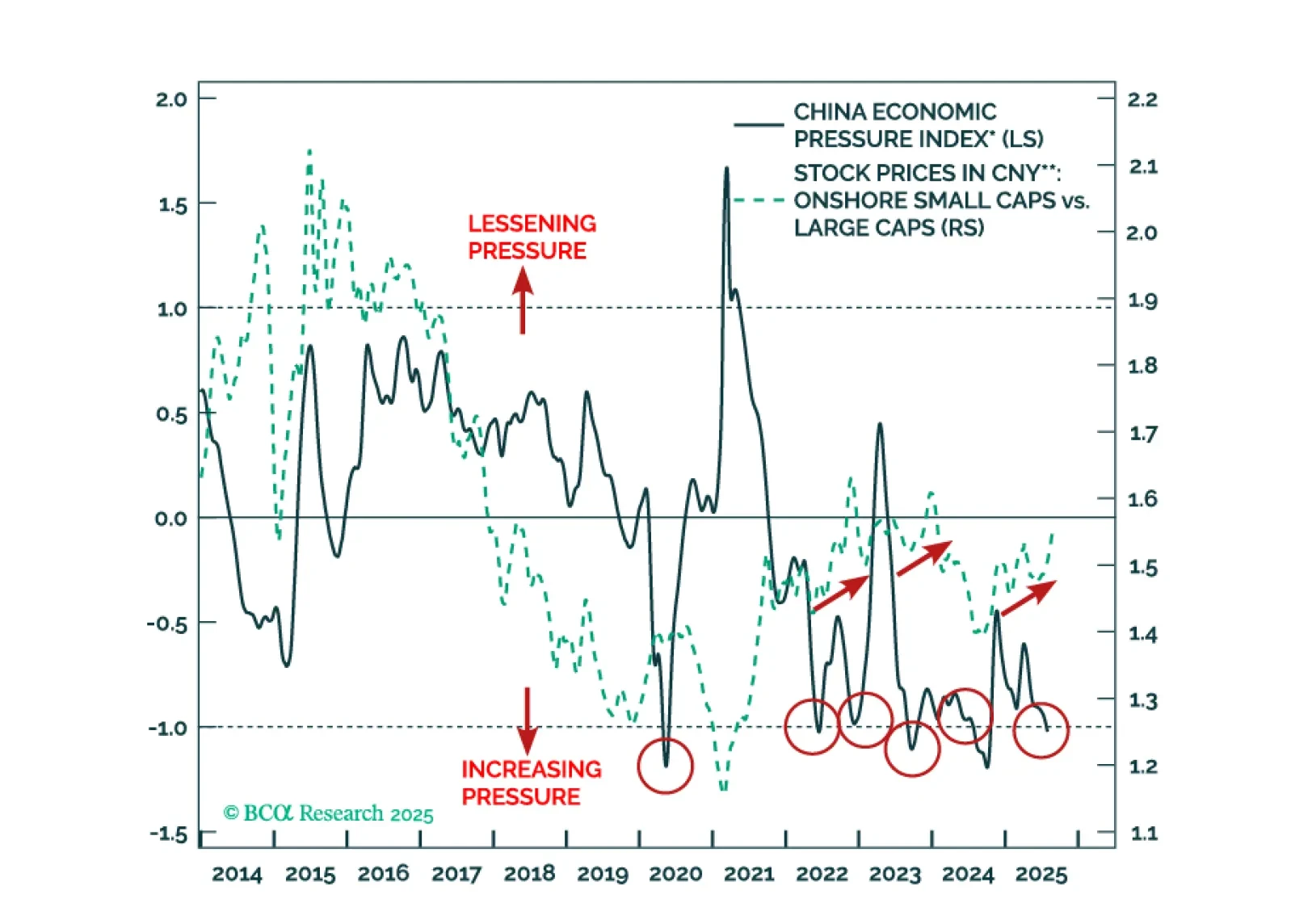
Our newly constructed China Economic Pressure Indicator shows intensifying household stress, raising the likelihood of new policy support in the coming months. We recommend a tactical trade as a stimulus hedge.
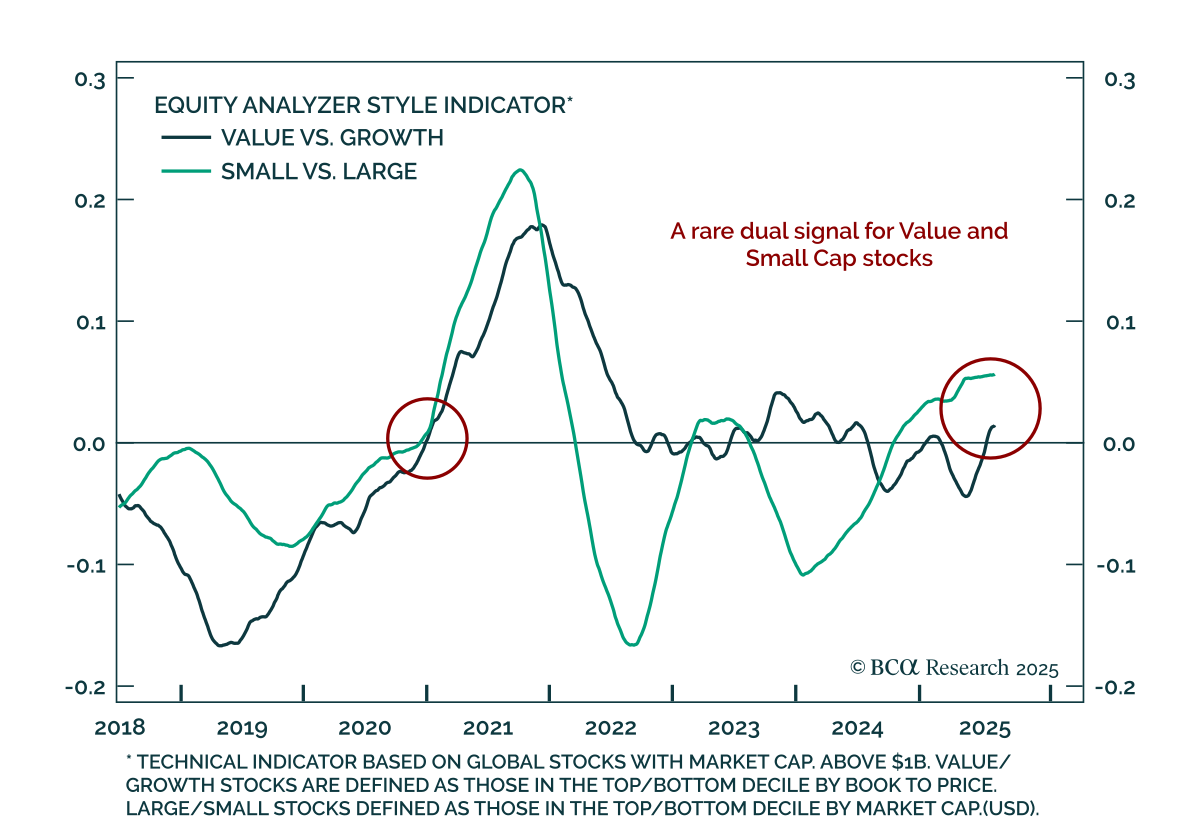
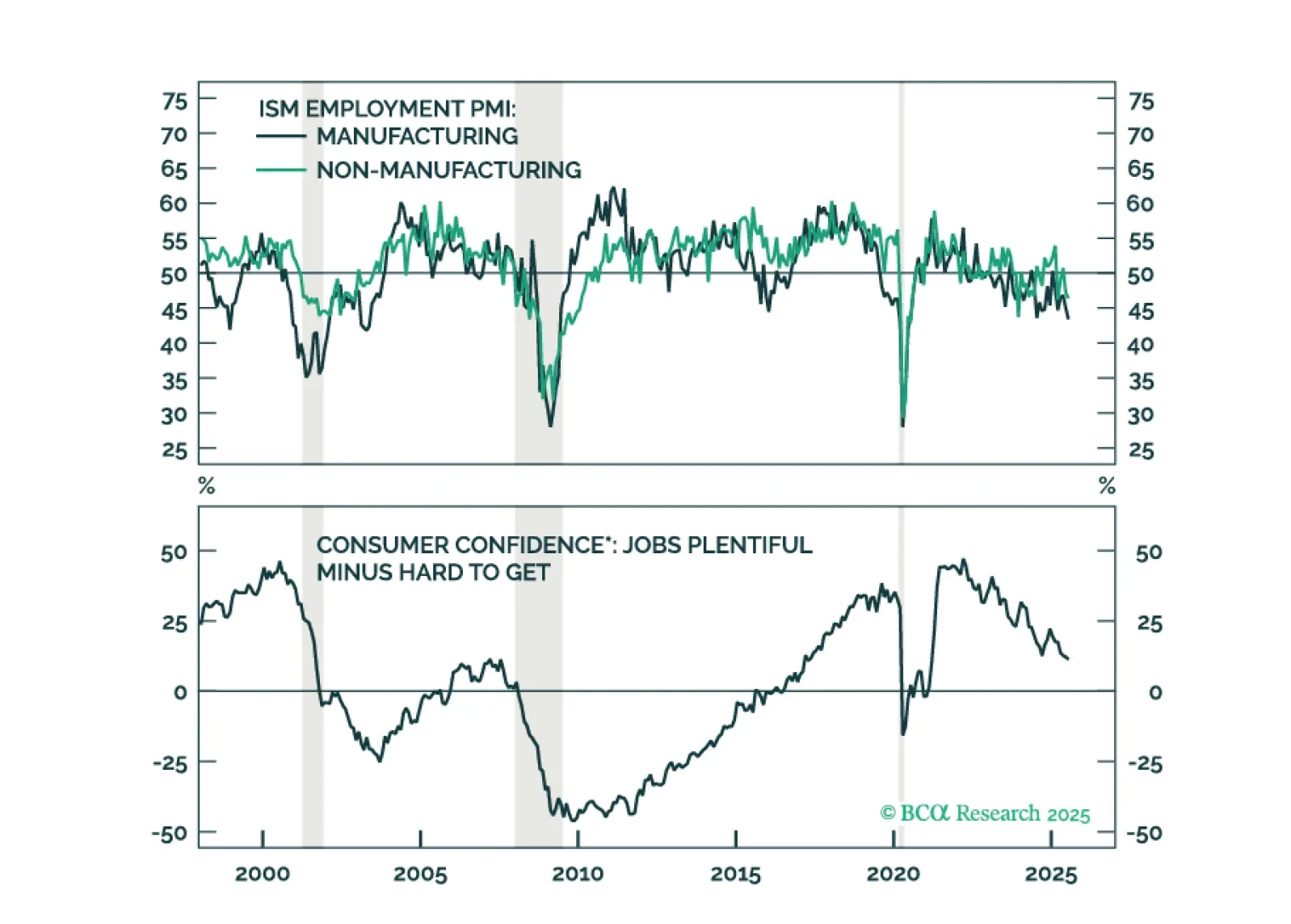
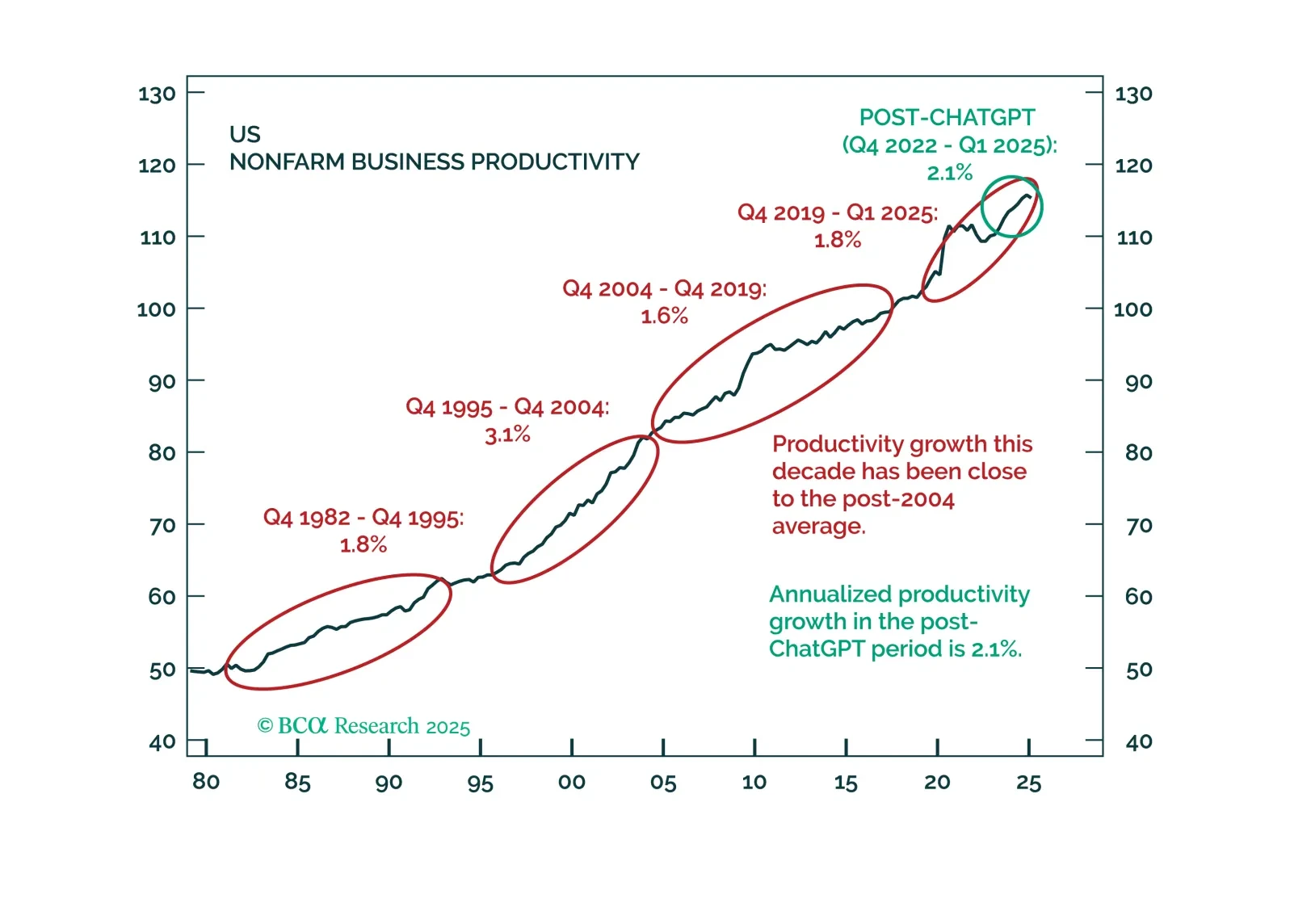
We maintain our 12-month US recession probability at 60%. However, until the “whites of the recession’s eyes” are more clearly visible, we would refrain from moving to a fully defensive stance.