Sorry, you need to enable JavaScript to visit this website.
Skip to main content

Economy

US job openings grew by 8.18 million in June, exceeding expectations of 8 million, but below May’s 8.23 million openings. The pro-cyclical manufacturing sector accounted for the largest drag, withdrawing 100 thousand openings, or one-sixth of its May total.…
Eurozone GDP surprised to the upside in Q2, growing by 0.3% q/q annualized against expectations of 0.2%. Stronger-than-expected expansions in France (0.3% q/q vs 0.2%) and Spain (0.8% q/q vs 0.5%), as well as steady growth in Italy (0.2% q/q), offset a…
The Conference Board measure of consumer confidence surprised to the upside, rising from 97.8 to 100.3 in July. Respondents’ more optimistic economic outlook drove the overall increase, offsetting a bleaker view of current conditions. Consumers’ assessment of…
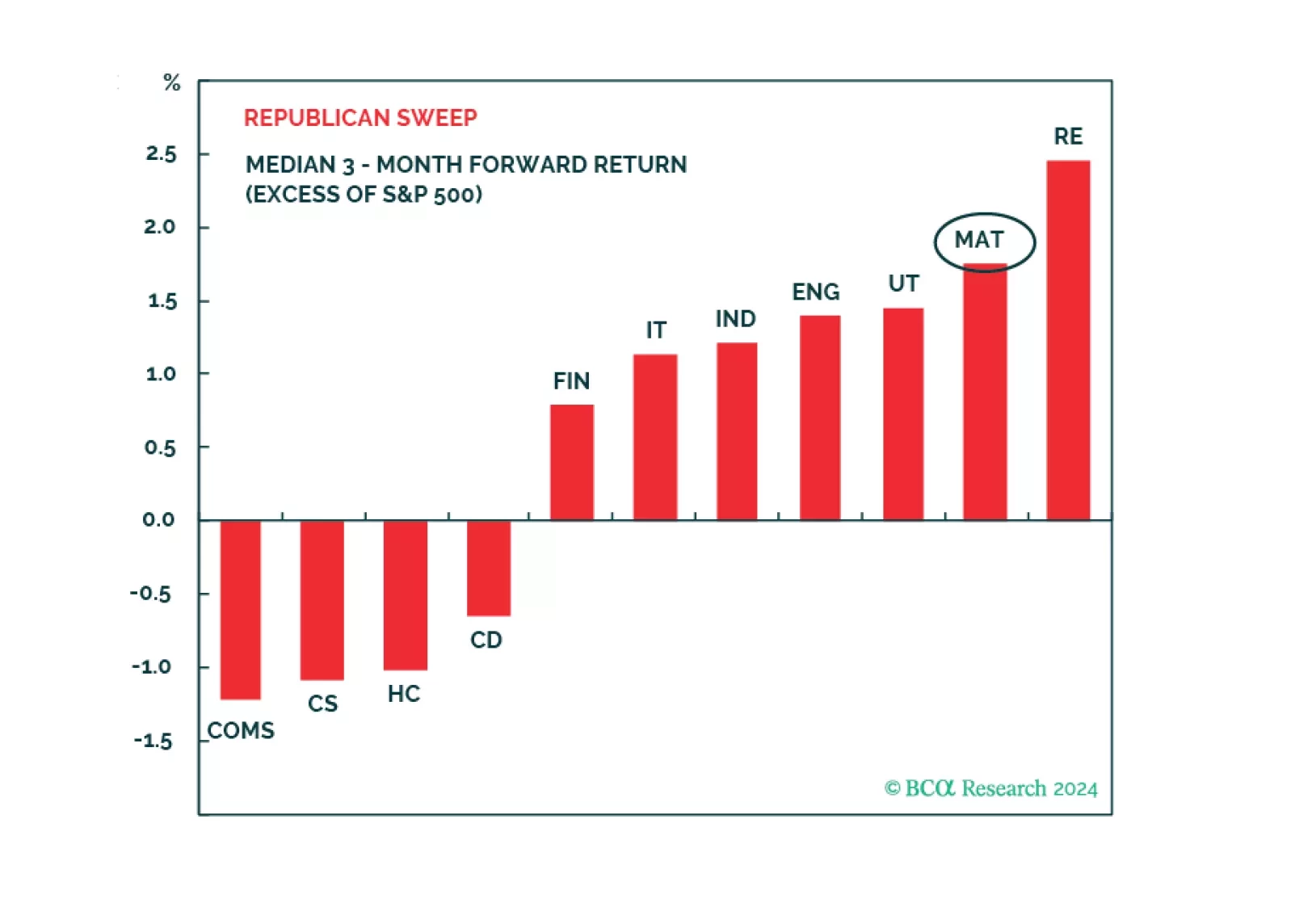
Historically, interest-rate sensitive sectors such as financials and real estate have tended to post the highest returns in the 3 months preceding the first Fed rate cut. Interestingly, industrials, typically a deep cyclical sector, have also tended to post…
Chinese industrial profits growth accelerated in June, rising from 0.7% y/y to 3.6%. Profits expanded at 3.5% in the first half of 2024, compared to 3.4% in the first half of 2023, and suggest that China’s manufacturing sector remains resilient. A slower…
Preliminary estimates suggests that the Swedish economy unexpectedly contracted in Q2. The seasonally adjusted GDP Indicator declined by 0.8% q/q, following a 0.7% Q1 rise in actual GDP growth. Flash estimates lack details and are prone to revisions.…
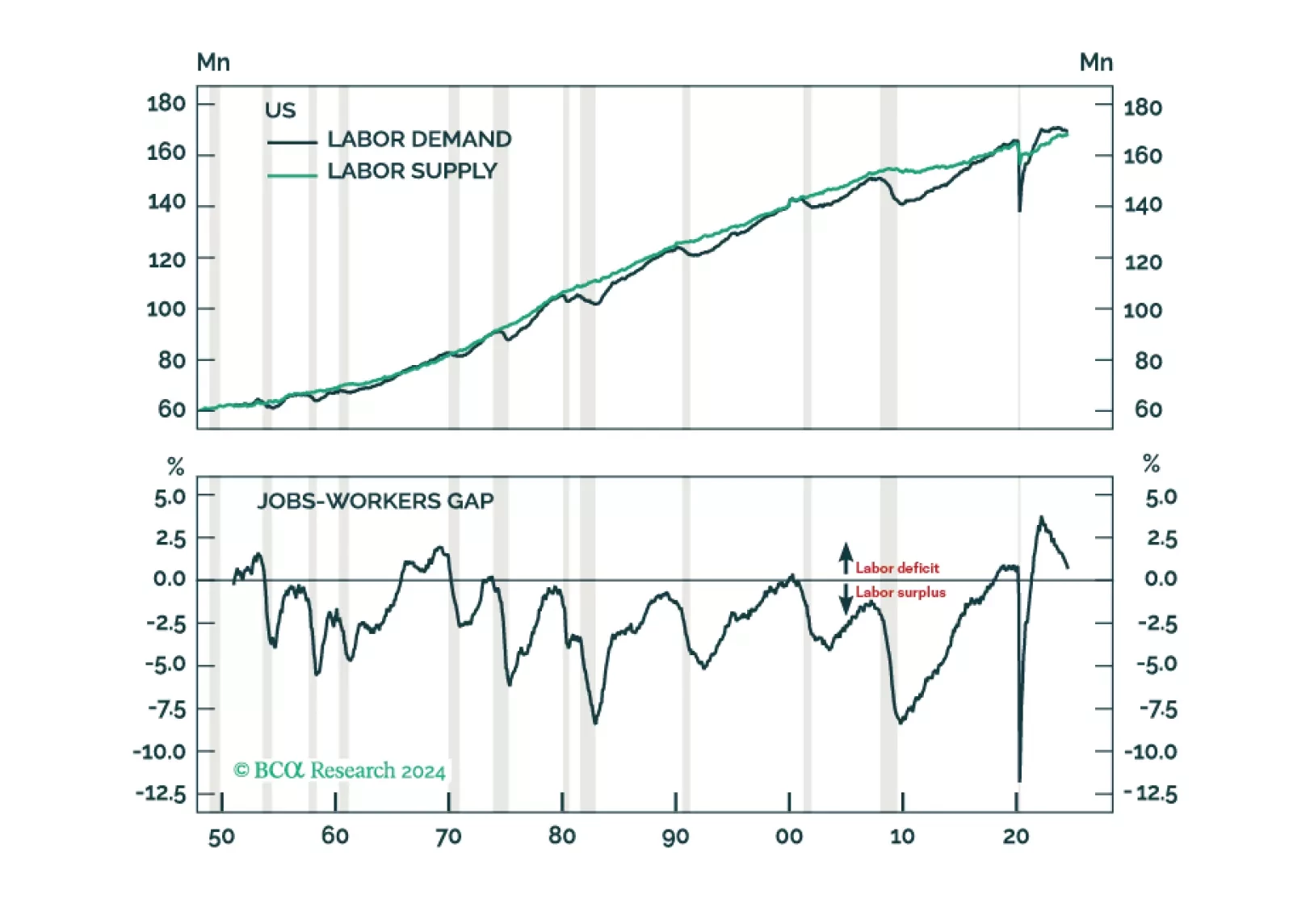
The Kansas City Labor Market Conditions Indicator (LMCI) is a broad measure of labor market trends incorporating 24 national labor market variables. It has been on a steady downtrend since 2022, though at 0.6, it remains slightly higher today than it was at…
Brent prices have fallen 6% so far in July, reversing their June gains. Interestingly, these losses are occurring despite escalating Middle East tensions and quickening Chinese industrial profit growth in June (see The Numbers), both of which are…
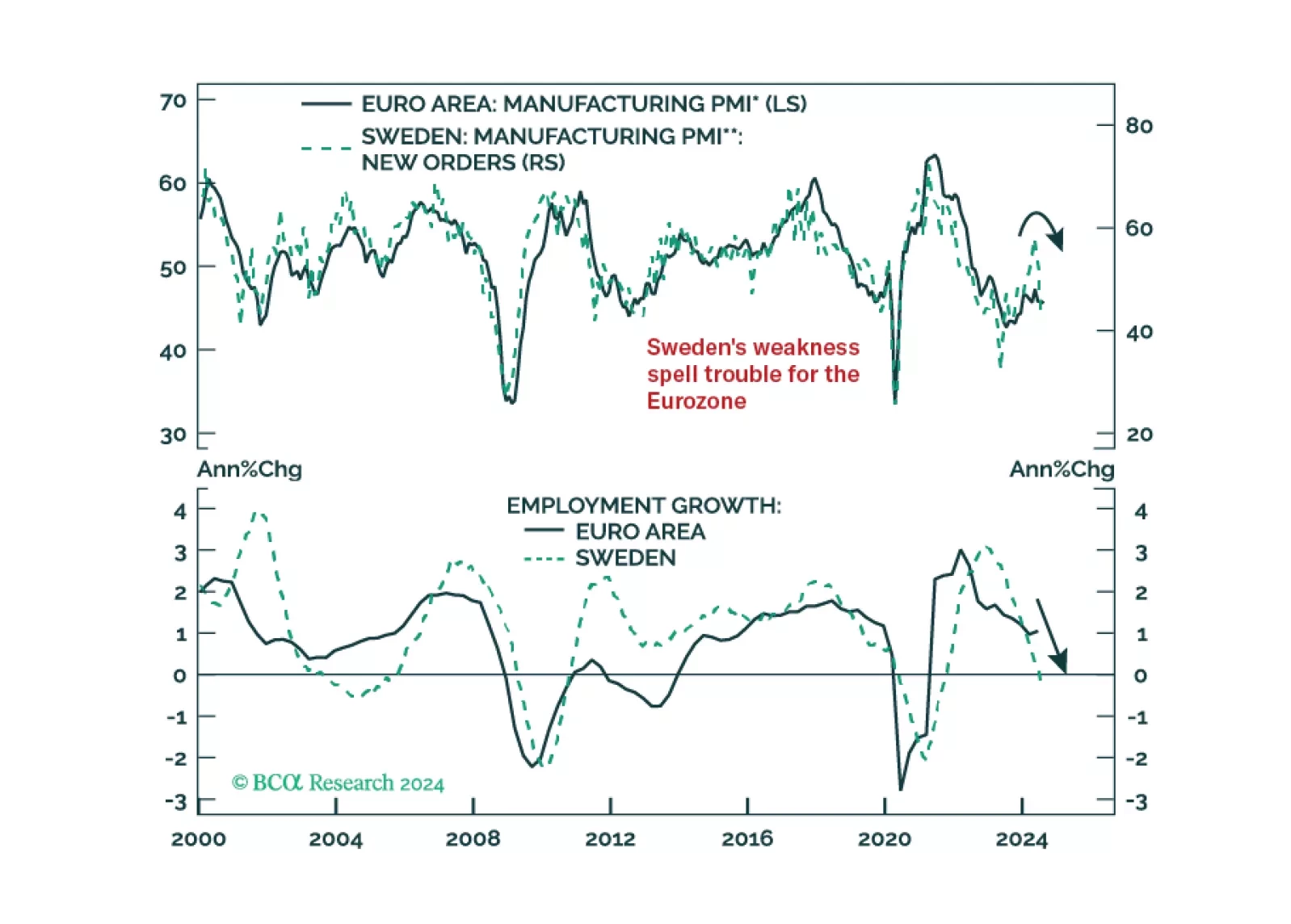
According to BCA Research’s European Investment Strategy service, a foreign shock is likely to tip the Eurozone economy into a recession because important vulnerabilities have emerged domestically. Policy is restrictive. Real interest rates stand 370bps…

Investors hope that the ECB rate cuts priced into the curve will be sufficient to achieve a soft landing in Europe. History argues against this view, but will this time be different?