Equities
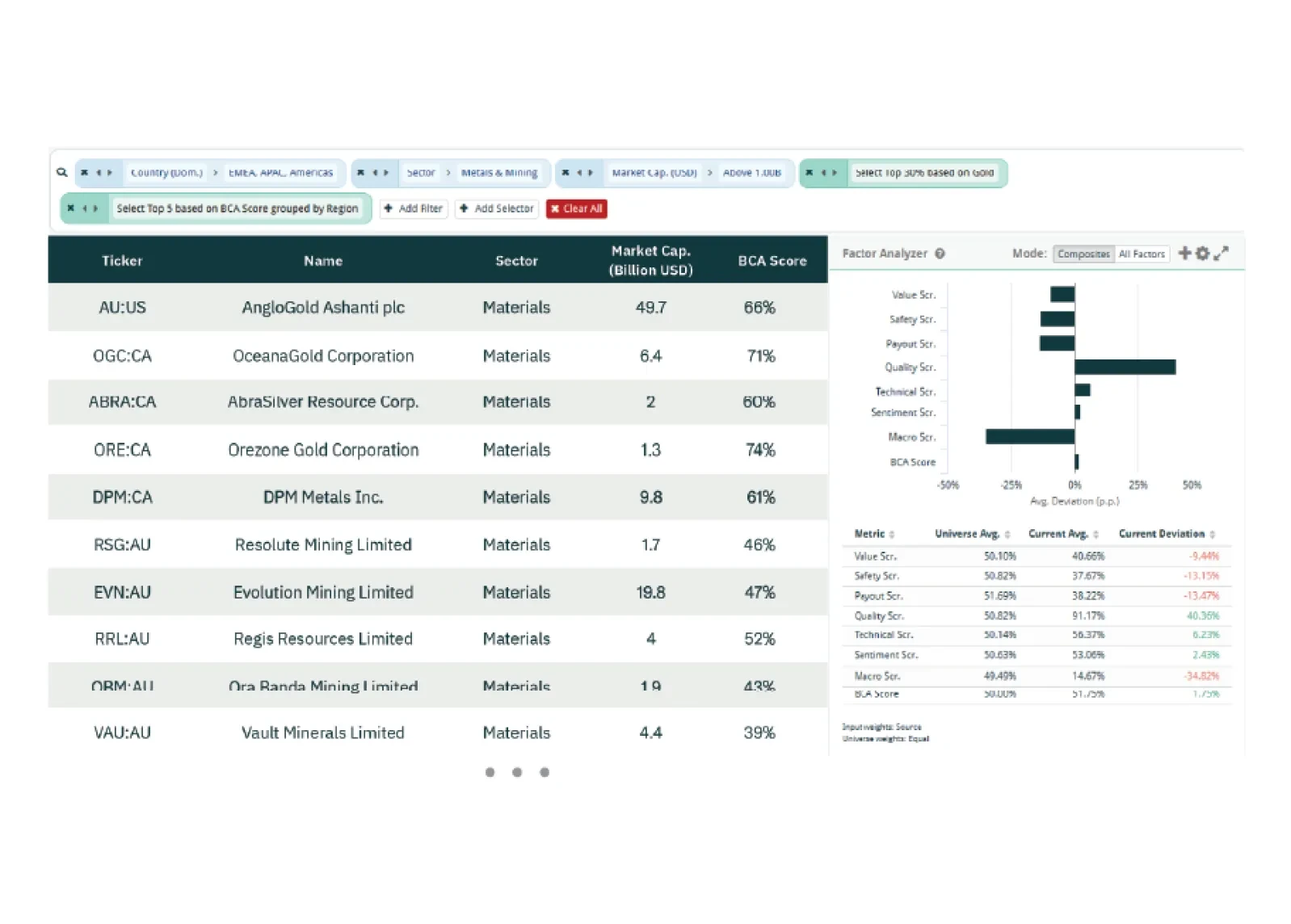
In this report, we explore opportunities in goldminer equities, AI infrastructure monetization, and Japan's tactical outperformance window.
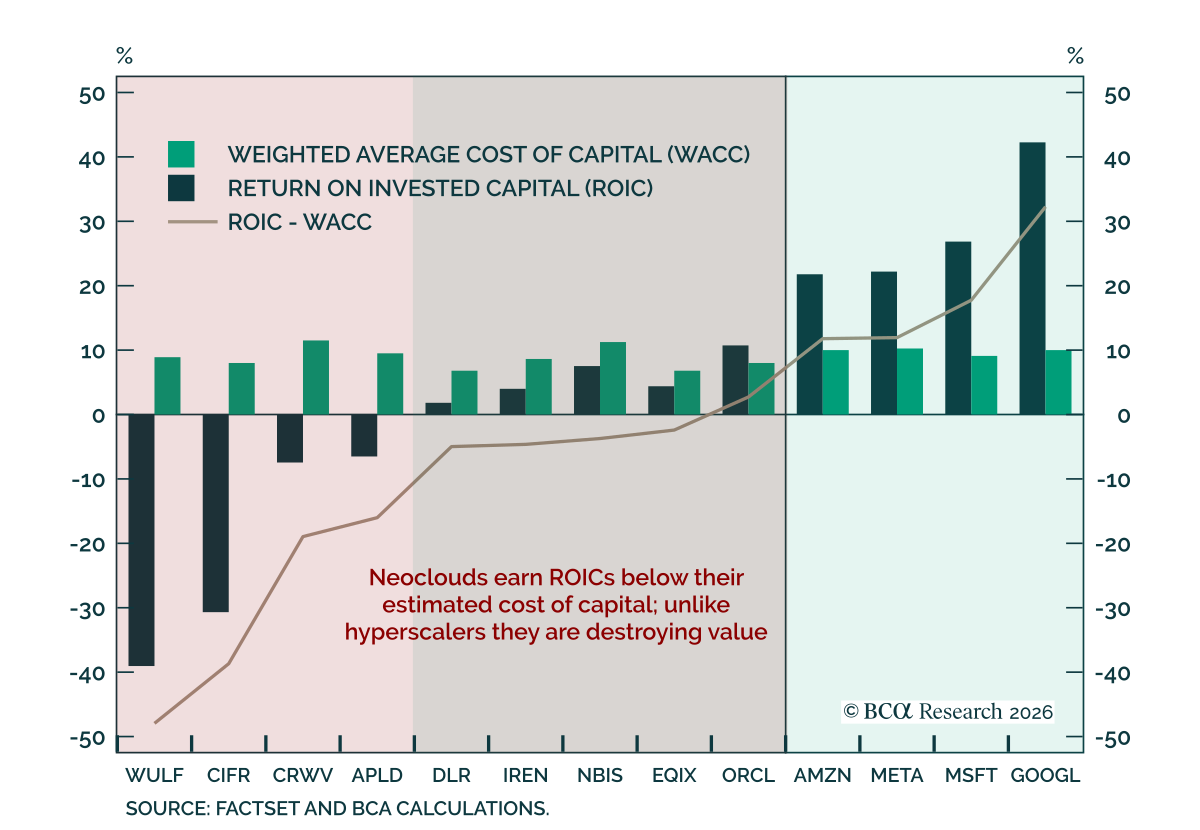
Our US Equity strategists remain constructive on the S&P 500 but expect the AI capex boom to divide Tech between hyperscalers and neoclouds. Robust EPS growth, cloud revenues and backlogs herald continued AI investment, supporting our colleagues’ 8100…
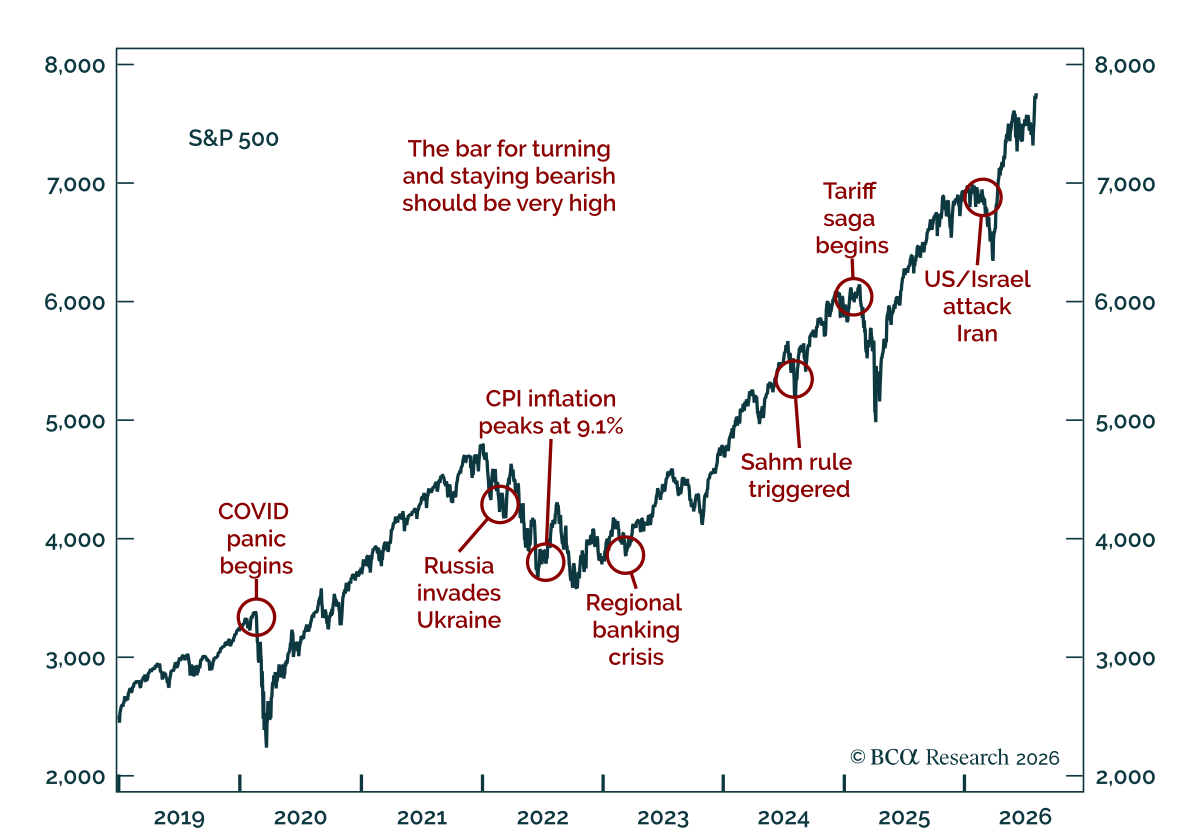
The market’s return to all-time highs is a timely reminder that seemingly irrational optimism is often rewarded by financial markets. Economic resilience, institutional durability, and human ingenuity over the past decade have no doubt caught even some bulls…
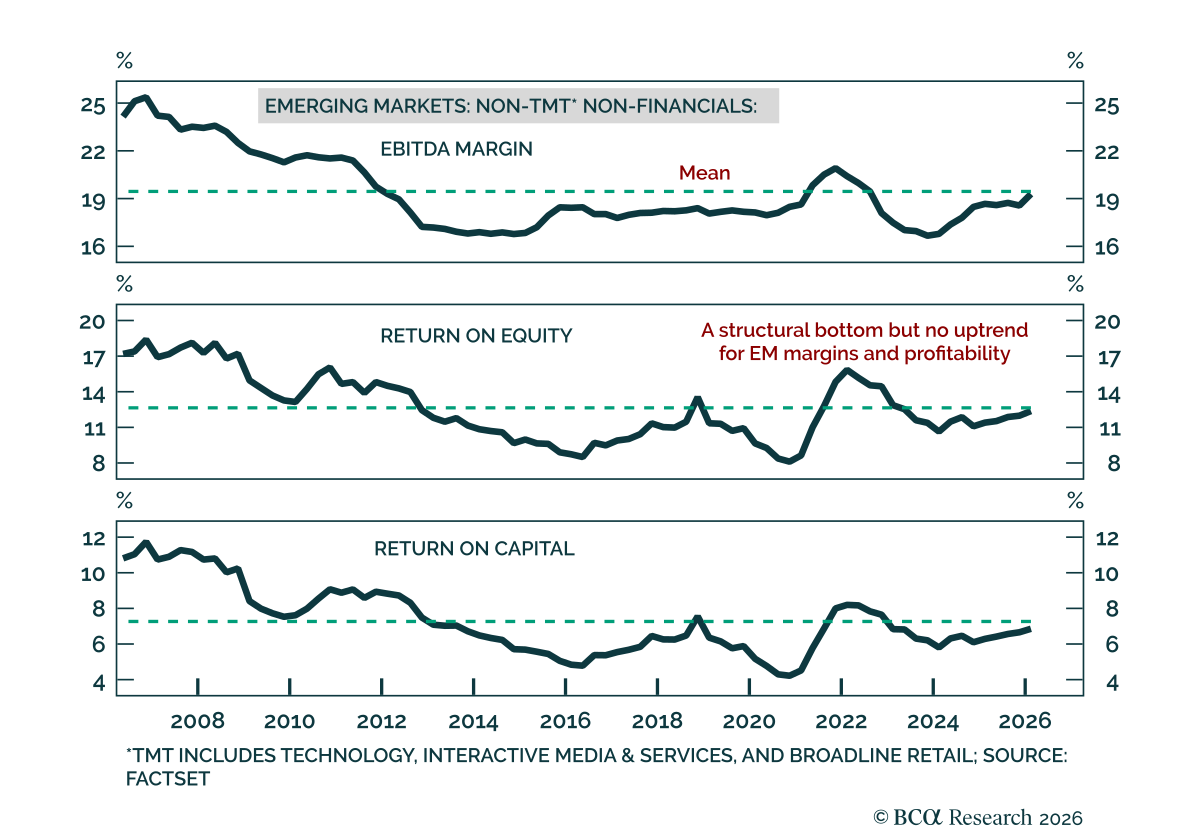
Our EM strategists see no case for structural EM equity outperformance and recommend a neutral allocation within global equity portfolios. Outside semiconductor producers and financials, EM profitability sits well below that of US peers and the levels reached…
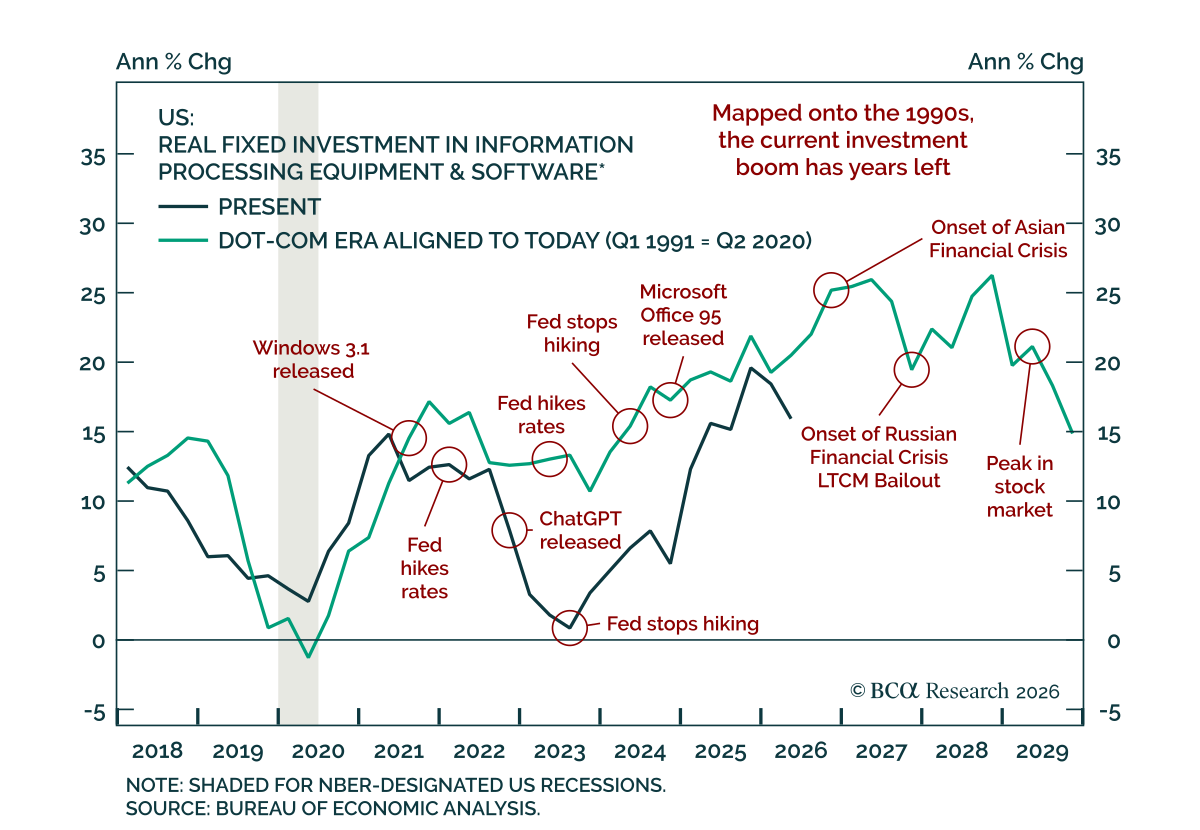
Our GeoMacro strategists stay overweight equities, expecting the bull market to run further. The July earnings season has confirmed the AI capex engine is still running hot, just as Iran-US tensions peaked. Cloud revenue at the three largest hyperscalers grew…
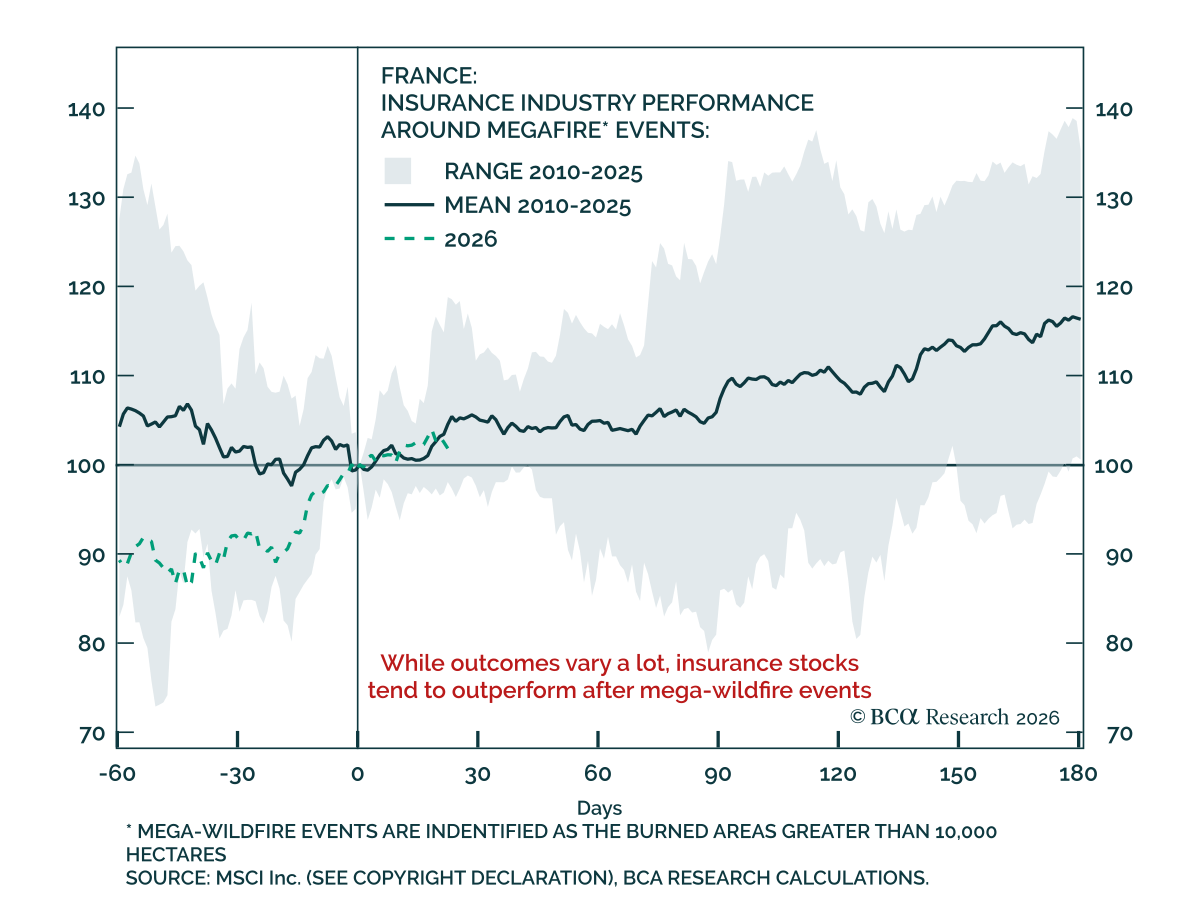
The wildfires tearing through France are mounting an extraordinary insurance bill, yet, surprisingly, French insurance stocks have remained resilient. Since the beginning of 2026, burnt areas in France have reached more than 117,000 hectares, the most in…
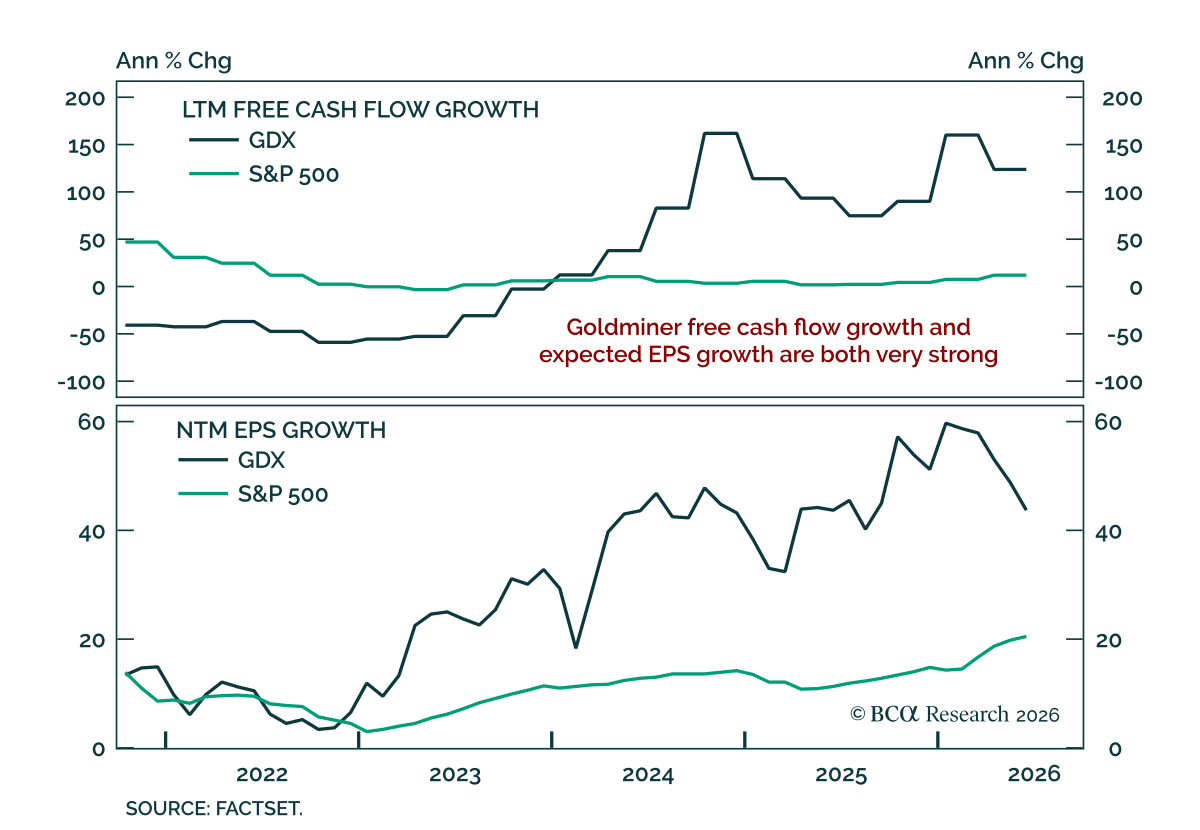
Our US Equity strategists are going long GDX as both a gold-linked hedge and a quality story. Gold and miners have corrected 25% from January highs, creating an interesting entry point. Our colleagues see further upside for gold if the cyclical backdrop…
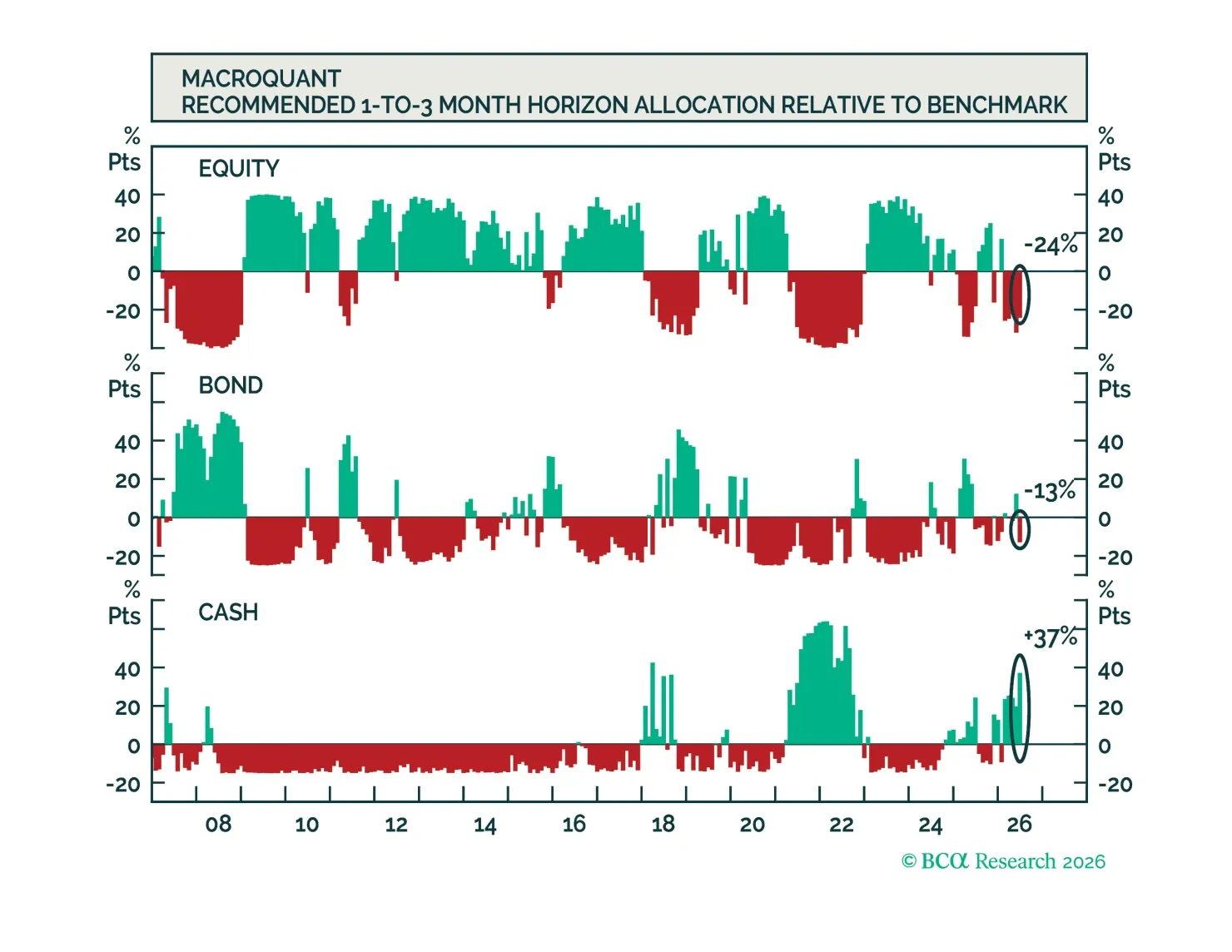
MacroQuant recommends a slight underweight position in equities, and favors a below-benchmark duration stance in fixed-income portfolios. The model is very positive on the US dollar, neutral on gold, constructive on copper, and very bullish on oil.
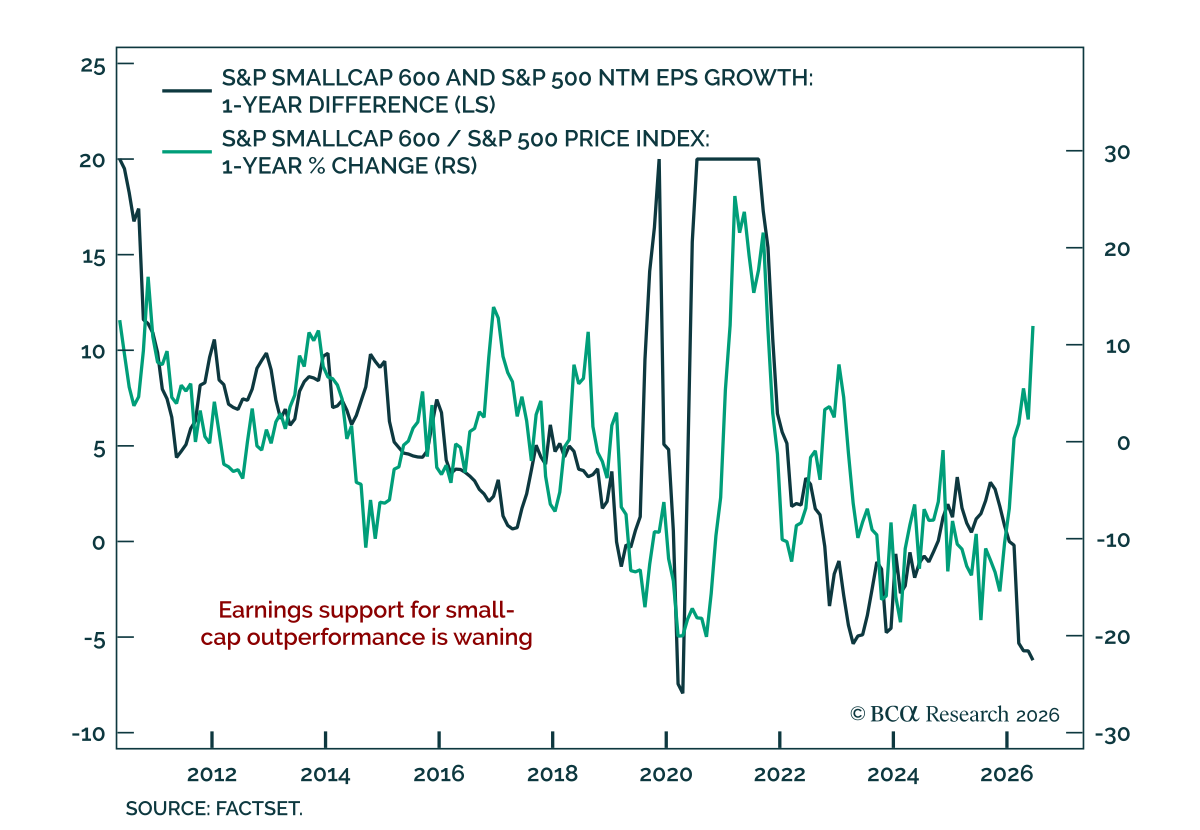
The small cap rally has outrun its earnings support, favoring the S&P 500 over the S&P 600. Our Chart Of The Week comes from Noah Weisberger, Chief US Equity Strategist. Recent market rotation has seen investors diversify away from an increasingly…
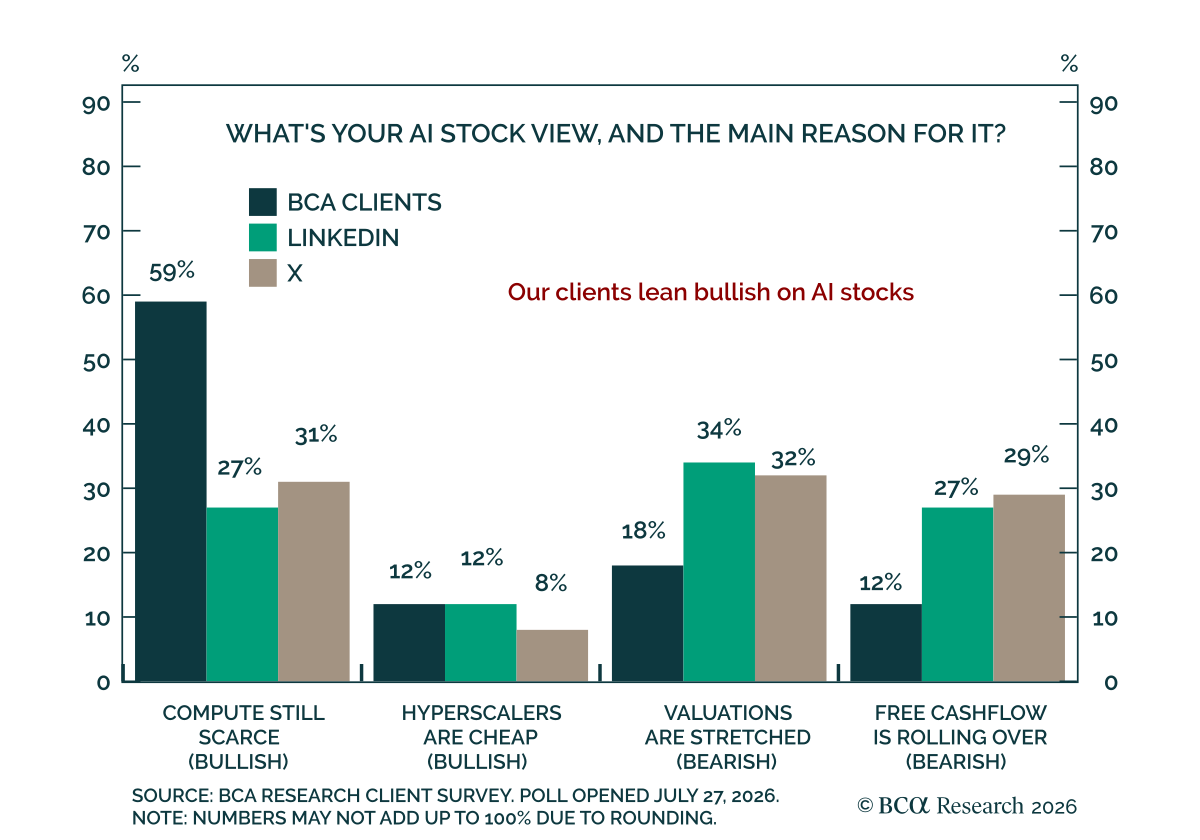
Our clients remain bullish on AI stocks. This week's poll asked respondents for their outlook on AI equities and the main reason behind it. A combined 71% of BCA clients picked a bullish rationale, led by scarce compute at 59%, against 29% who were bearish.…