Equities
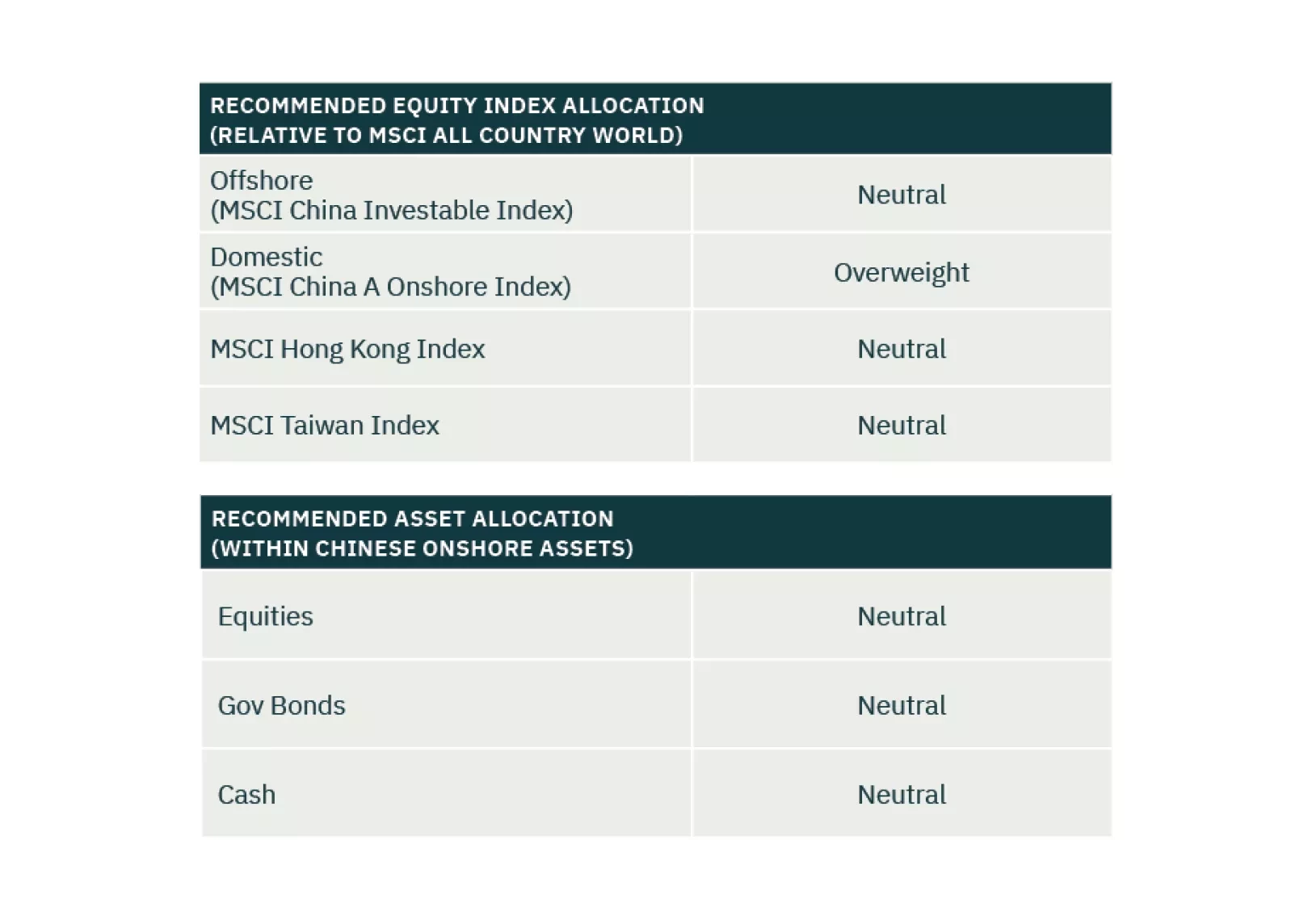
This week we conduct a thorough audit of our open positions by revisiting the original basis and subsequent performance of all 13 cyclical recommendations. Following the review, we recommend closing 6 of the 13 positions.

Investors focused on the flurry of cabinet nominations in the aftermath of the US election, but the US does not have a monopoly on political drama. France is going through turmoil of its own. This summer’s snap election left France’s government weakened,…
Our Private Markets & Alternatives strategists have delved into the North American Buyouts market, concluding that the investment playbook needs rewriting. The performance of Middle Market Buyouts has been exceptional, leading many investors to stick…
The Fed’s preferred measure of inflation, core PCE, met expectations of 0.3% m/m in October, and accelerated to 2.8% y/y from 2.7% in September. Inflation rose on the back of hot inputs from the PPI report, which is not expected to last. The market-based core…
Our 2025 Outlook was just published. We revisit this year’s calls and discuss what we think is ahead for the global economy and markets for the next 12 months and beyond. The recent US election has significantly shifted our economic and market outlook. A…
President-elect Trump jolted markets Monday night by declaring that tariffs will be implemented on imports from Mexico, Canada, and China. The US dollar strengthened while stocks fell, as did Treasury yields. Equities, however, recovered on Tuesday, as a…
Our US Investment Strategy team analyzed recent US consumer trends through the lens of major retailers’ earnings calls, which highlighted increasingly prudent spending. Consumer caution is apparent in these earnings calls as pandemic-era savings fade, and…
Prior to Nvidia reporting, 76% of S&P 500 companies beat earnings expectations while 61% beat on sales. Nvidia beat earnings expectations, but the magnitude by which guidance beats the most optimistic analyst expectations is decreasing. During our BCA…
Our US Equity strategists investigated the underperformance of the Green and Clean (G&C) investment theme, in the context of an incoming US administration expected to be less friendly towards green initiatives. The G&C investment theme has…
Our Global Asset Allocation team analyzed the performance and allocation strategies of 79 US public pension funds, providing insights across governance, scale, and liquidity. Strategic Asset Allocation (SAA) is the most significant driver of fund…