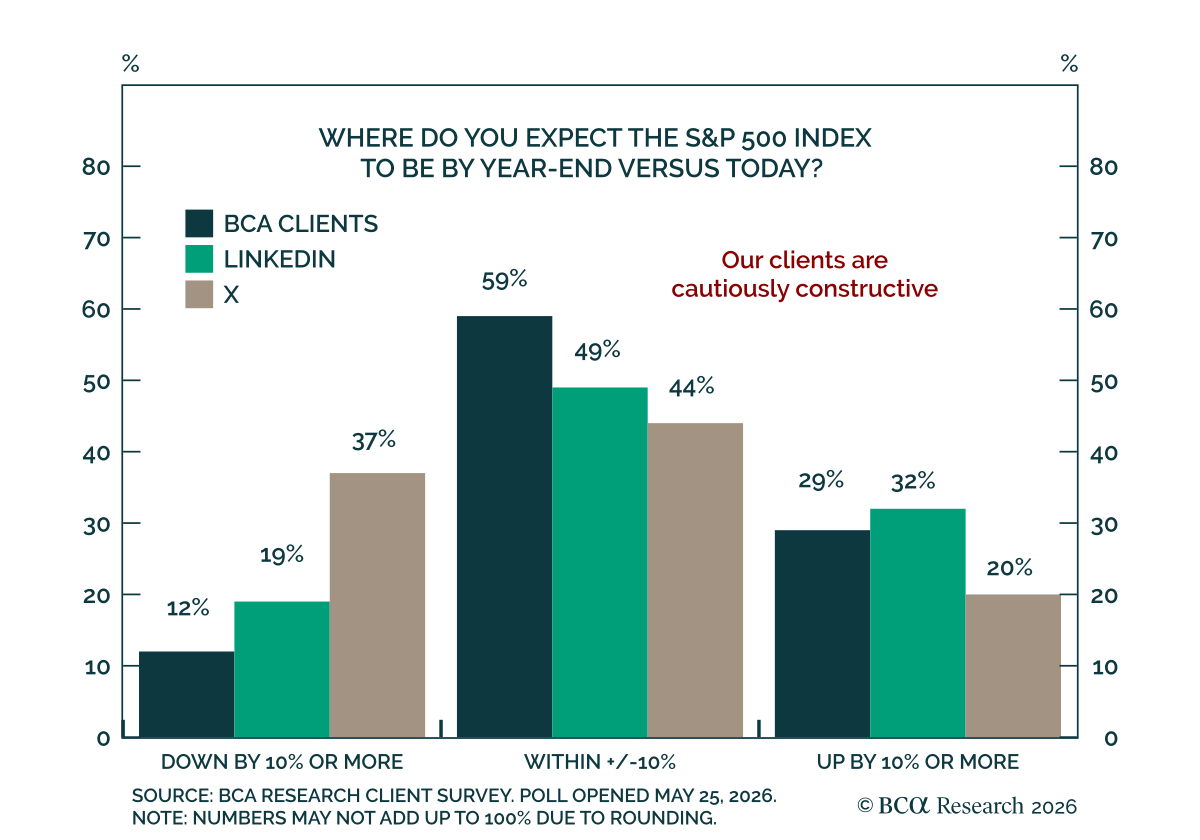
Equities
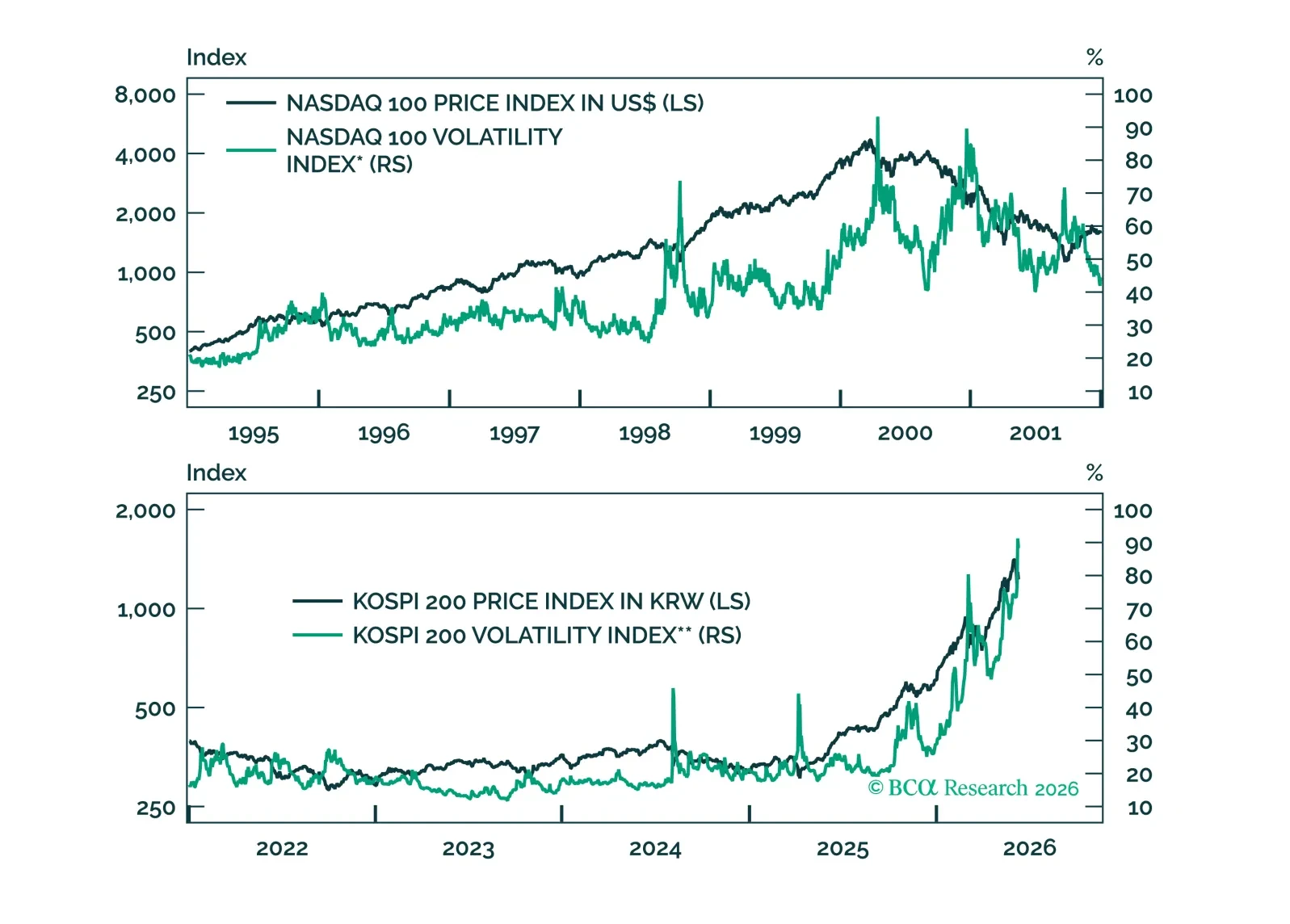
Rising volatility in Korean markets captures a late-cycle surge in which euphoria and drawdown risk are rising together. While KOSPI momentum remains intact, the bigger opportunity may be emerging in the increasingly mispriced KRW, which could rally meaningfully as portfolio flow headwinds fade.
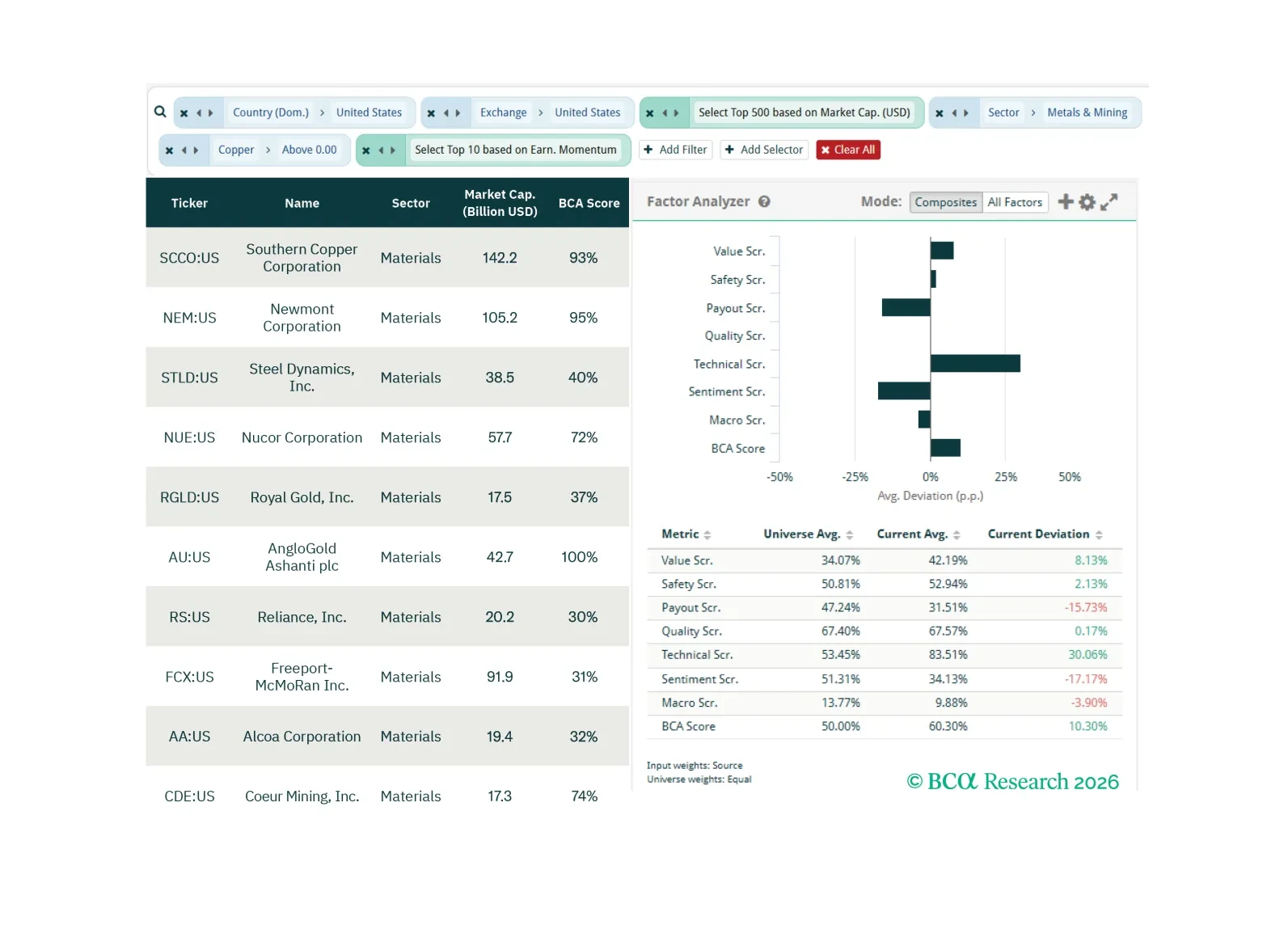
In this screener report, we explore opportunities in: US copper beneficiaries; Australian Materials, Energy, and Industrial stocks; and US reinvestment-led Tech stocks.
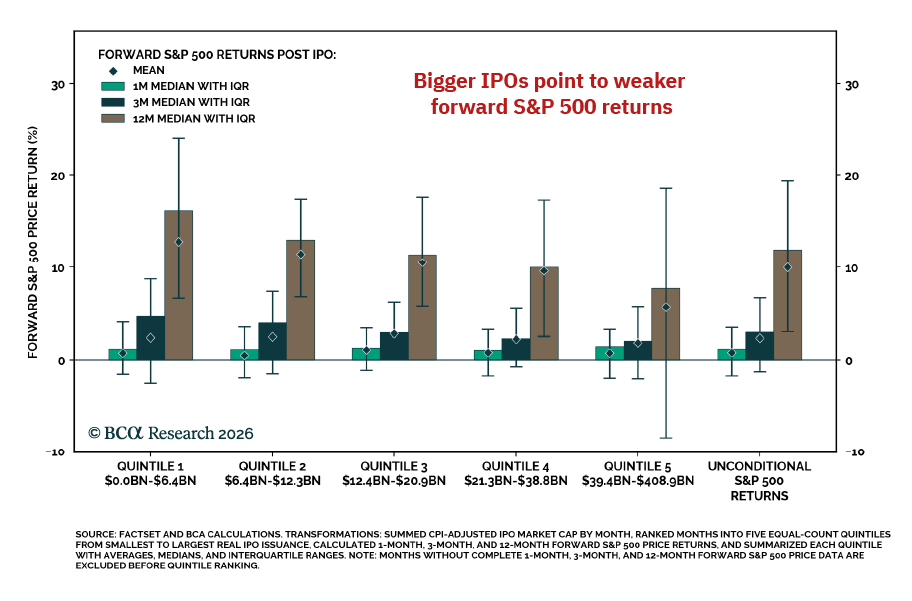
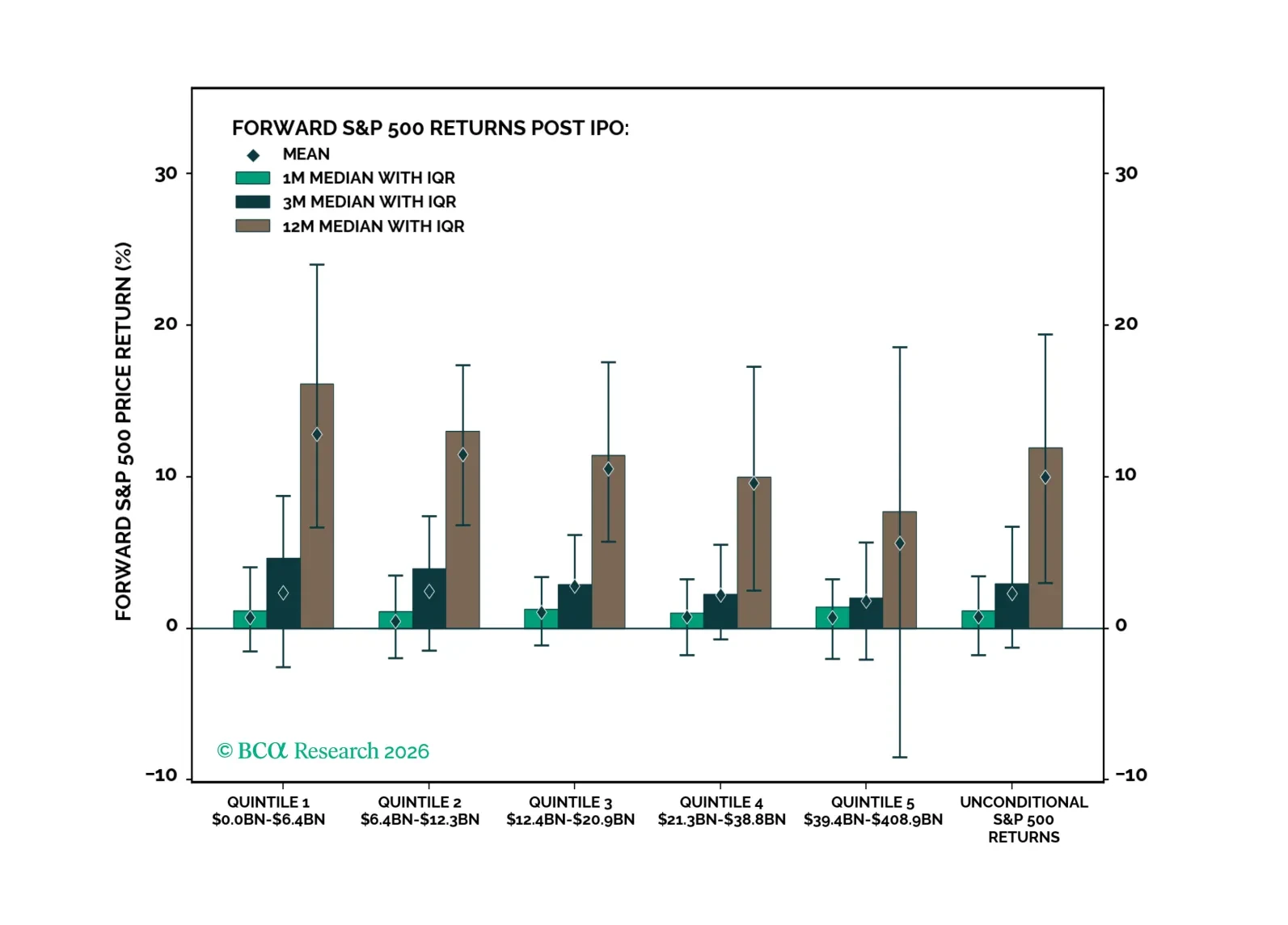
Based on 40 years of history and some 12,000 IPOs, the evidence suggests that the coming IPO wave may dampen forward market returns, mute further multiple expansion, and possibly interrupt sector trends. That said, even monster-sized IPOs are unlikely to trigger a sustained bear market: only about 20% of mega-IPOs coincide with market peaks. The bigger risk is AI leadership rotation as new listings dilute scarcity premia in existing winners.
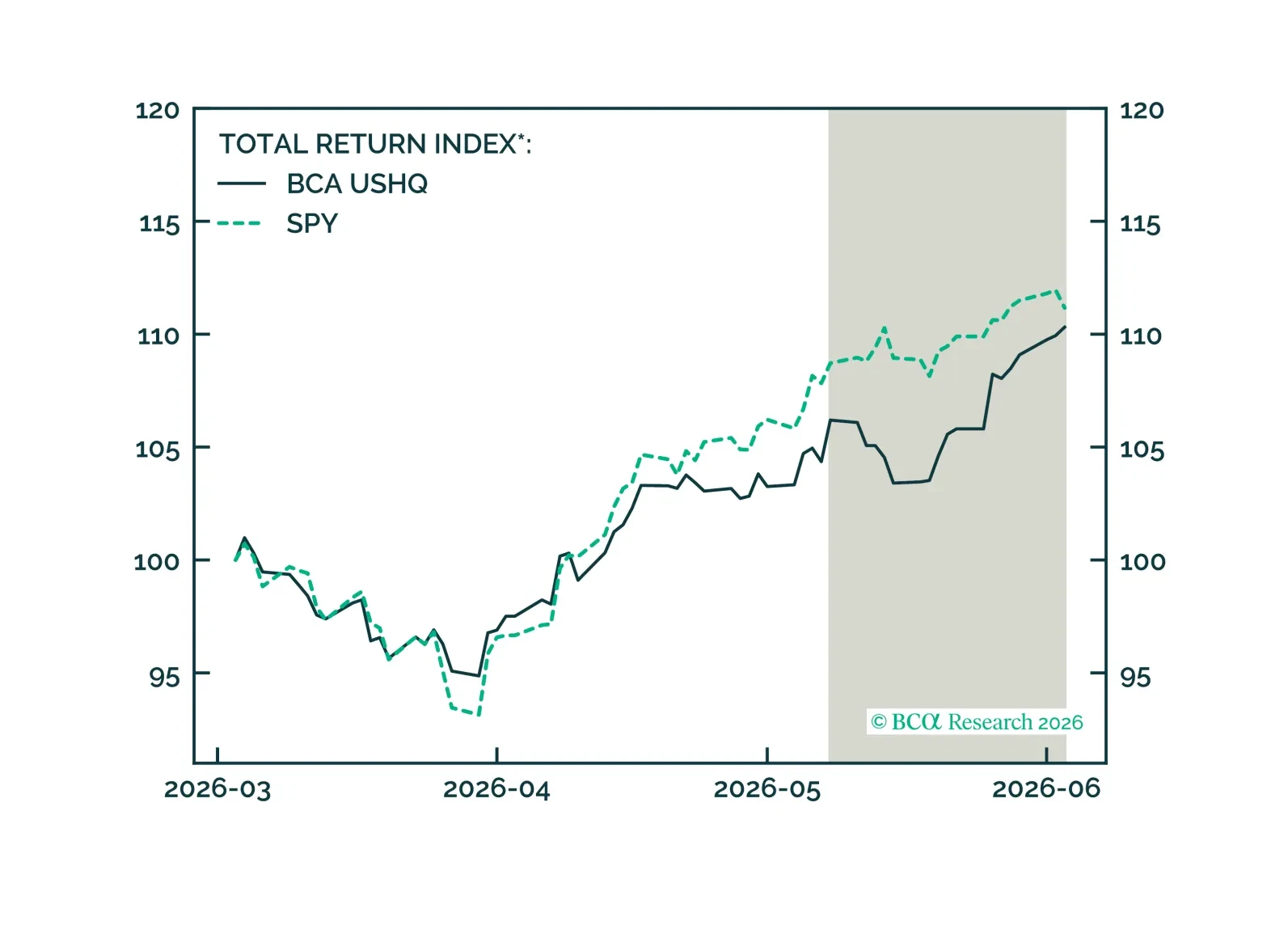
The US High Quality (USHQ) portfolio outperformed its benchmark through May, returning 3.88%, while its SPY benchmark returned 2.25%. On a trailing three-month basis, the USHQ portfolio’s performance was weaker than the benchmark, with USHQ underperforming by approx. 86bps.
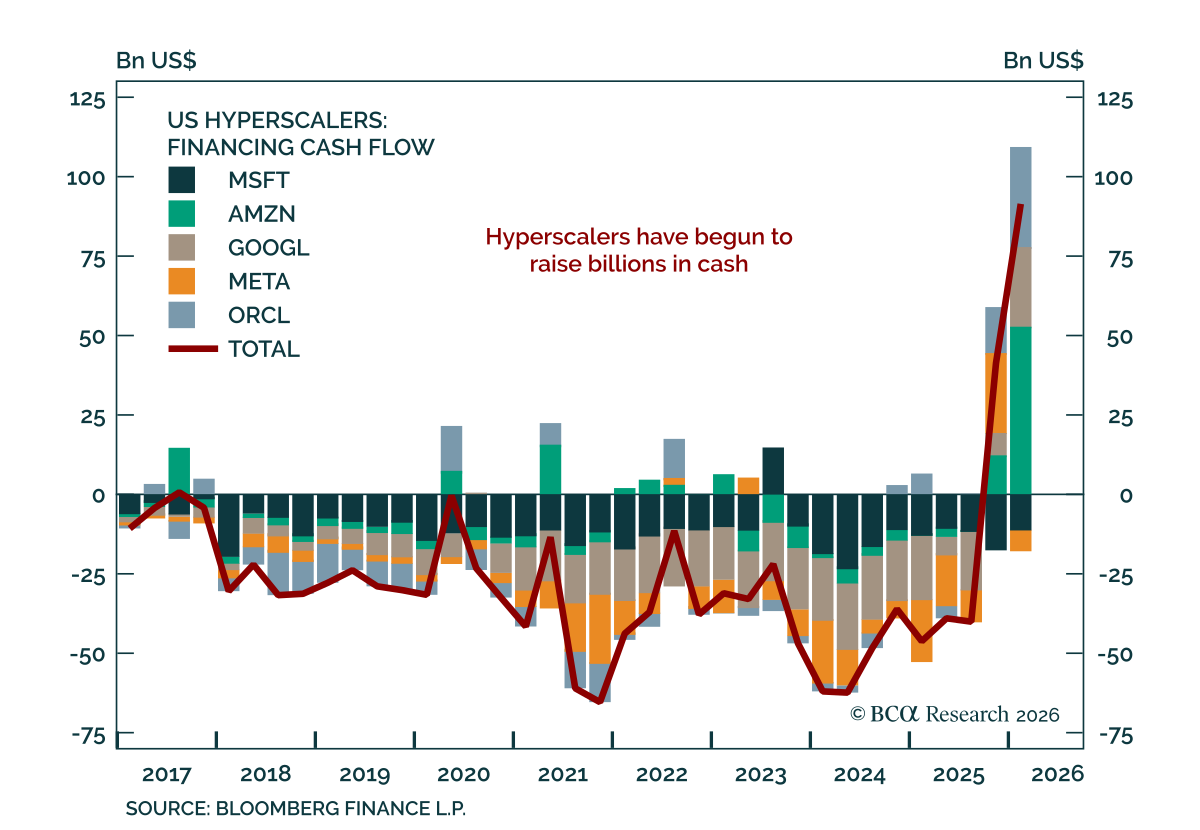
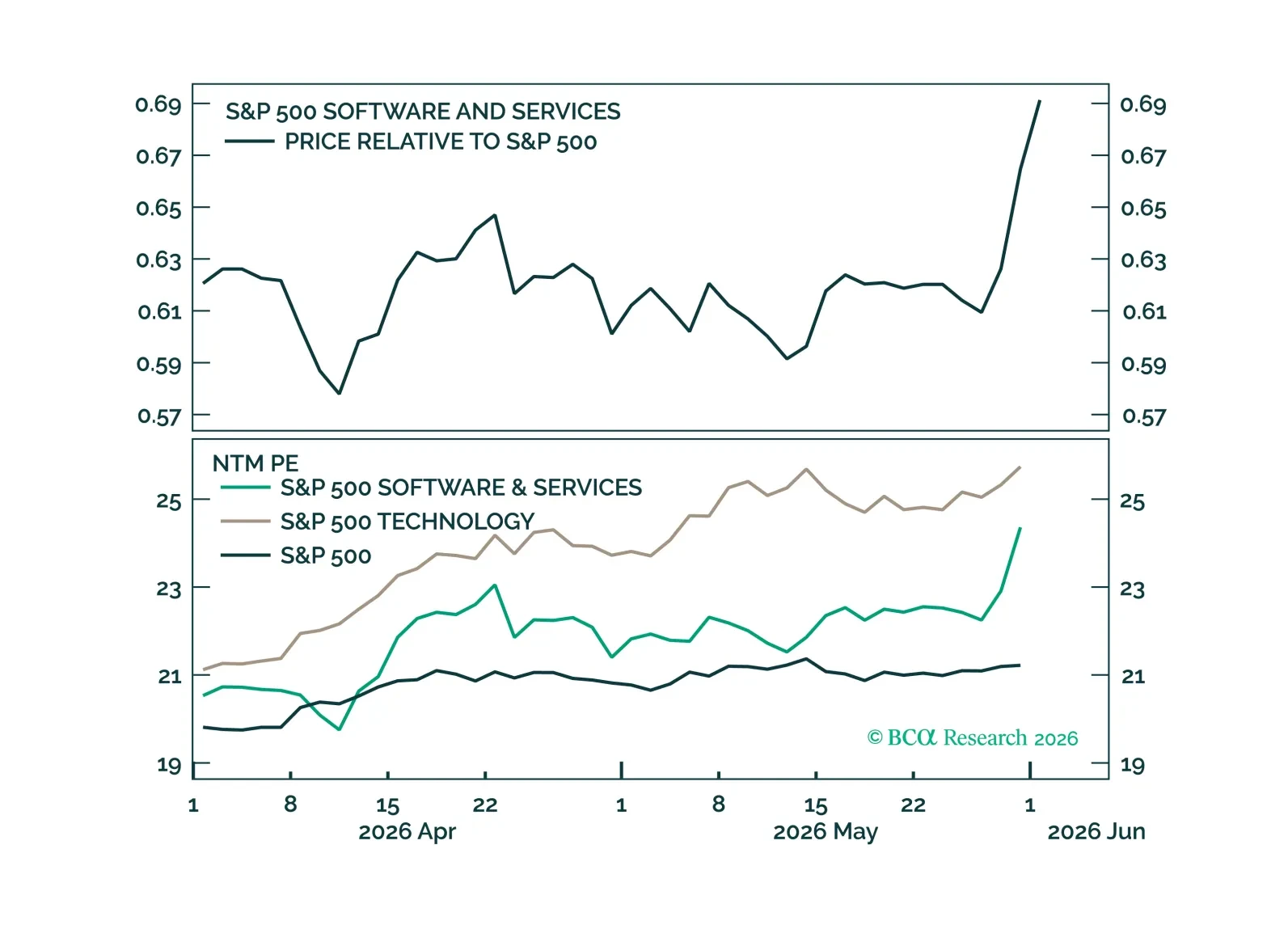
The US economy is moving back toward Expansion, supported by strong investment, improving earnings, and record margins. We are taking profits on our tactical Software long after achieving our target and rotating into Materials, where commodity strength and earnings momentum continue to support the sector.
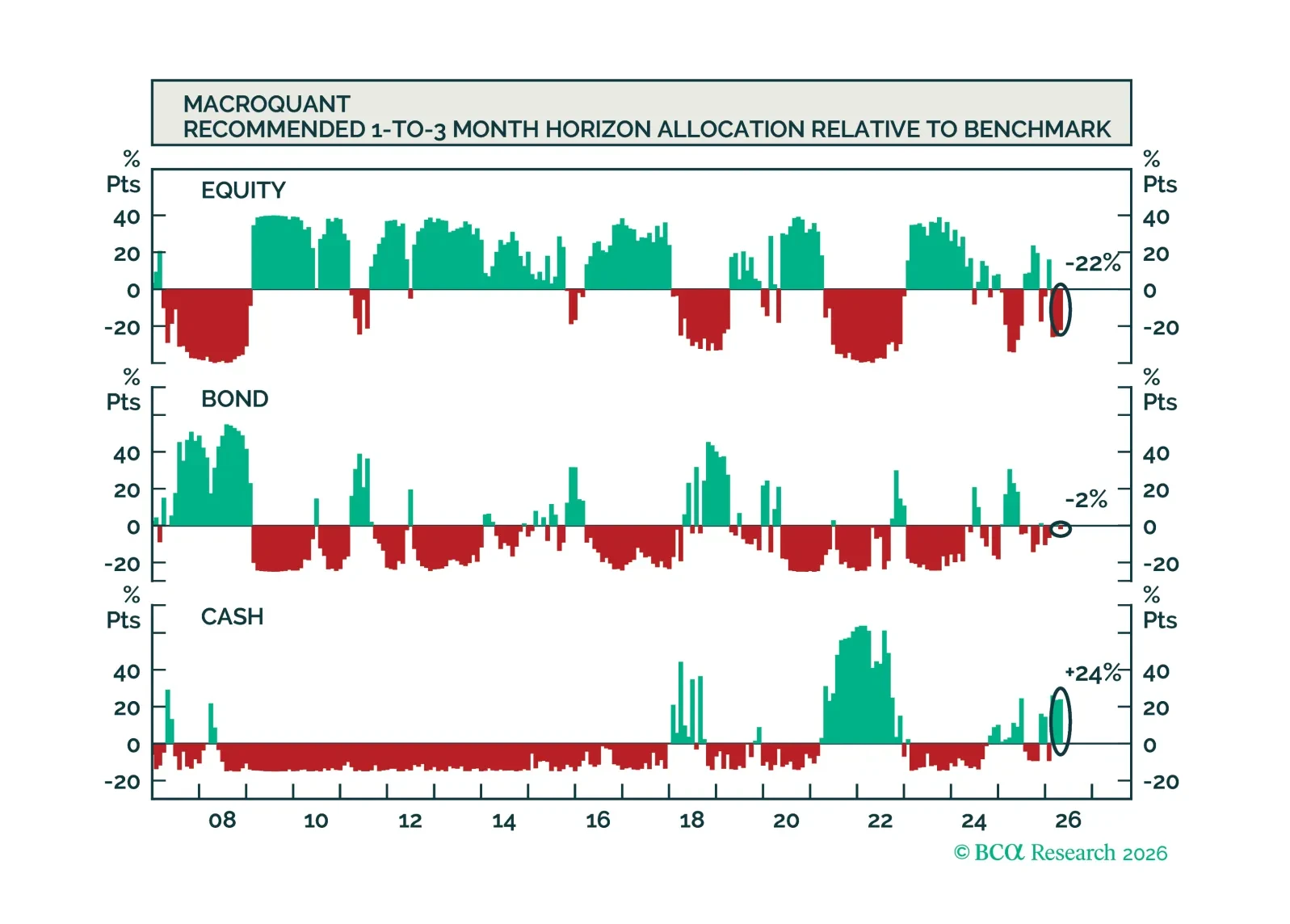
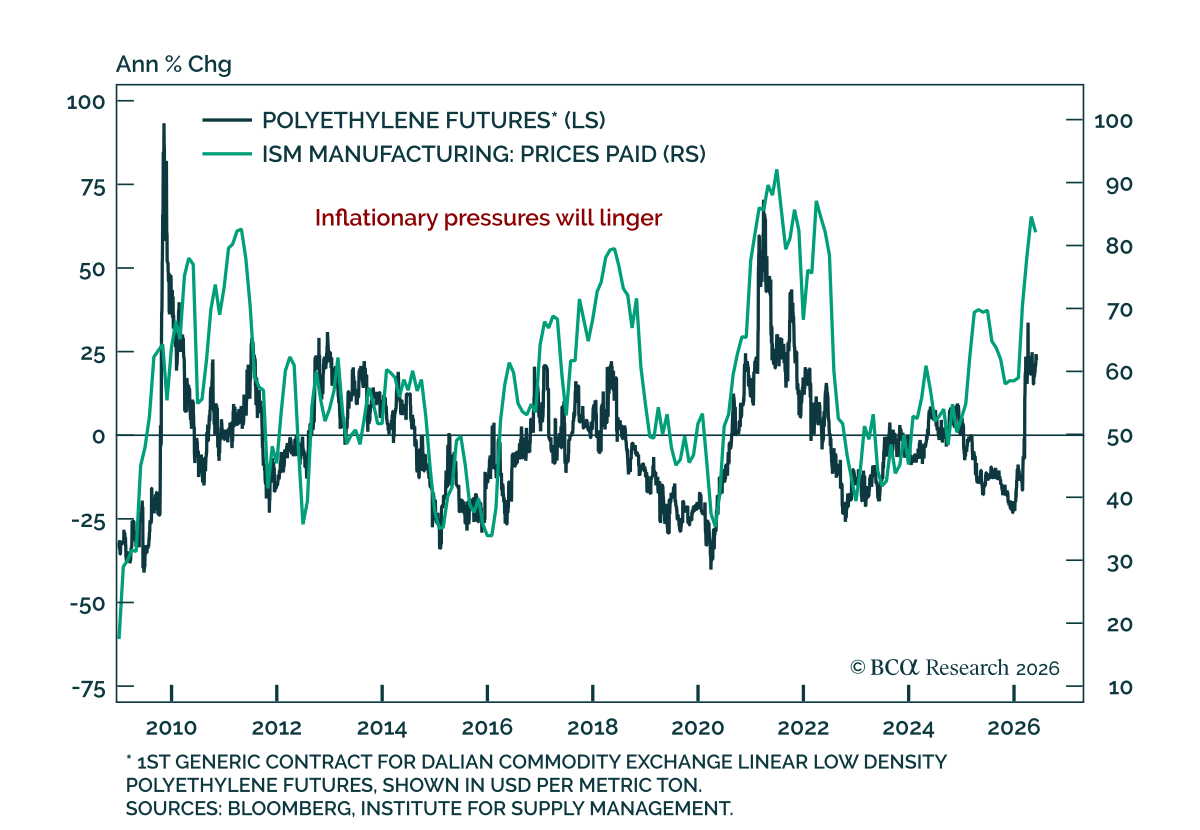
MacroQuant recommends a slight underweight position in equities, favors a below-benchmark duration stance in fixed-income portfolios, is very positive on the US dollar, downgrades gold to underweight, upgrades copper to overweight, and remains very bullish on oil.