Geopolitics
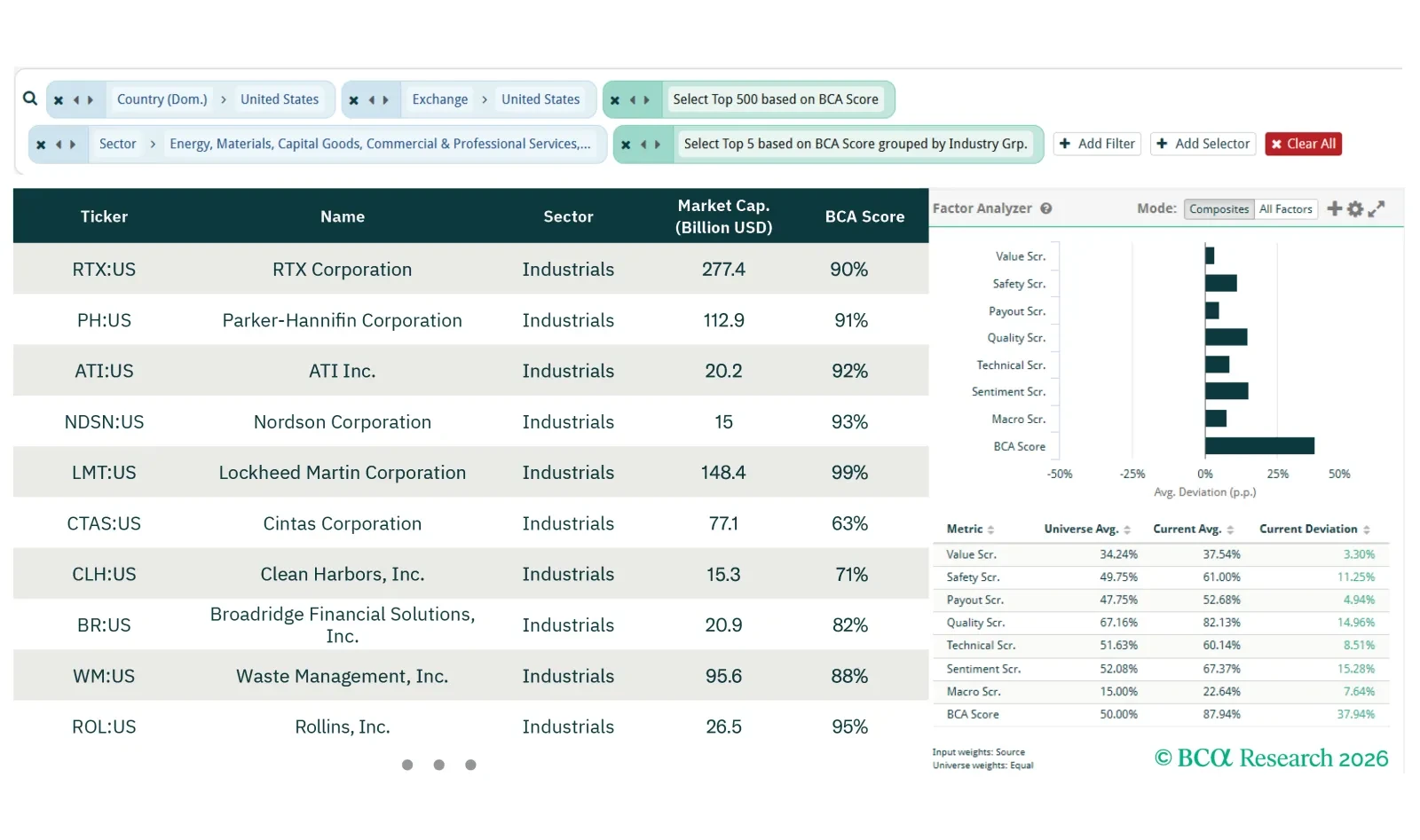
This screener report builds on the macro risk portfolio framework developed in the US Equity Strategy and Equity Analyzer collaboration published on 9 March 2026. Here, we apply the framework to analyze recent Middle East hostilities and identify how bottom-up equity positioning should adapt as the conflict evolves, which we analyzed in a US Equity Strategy report published on 16 March 2026.
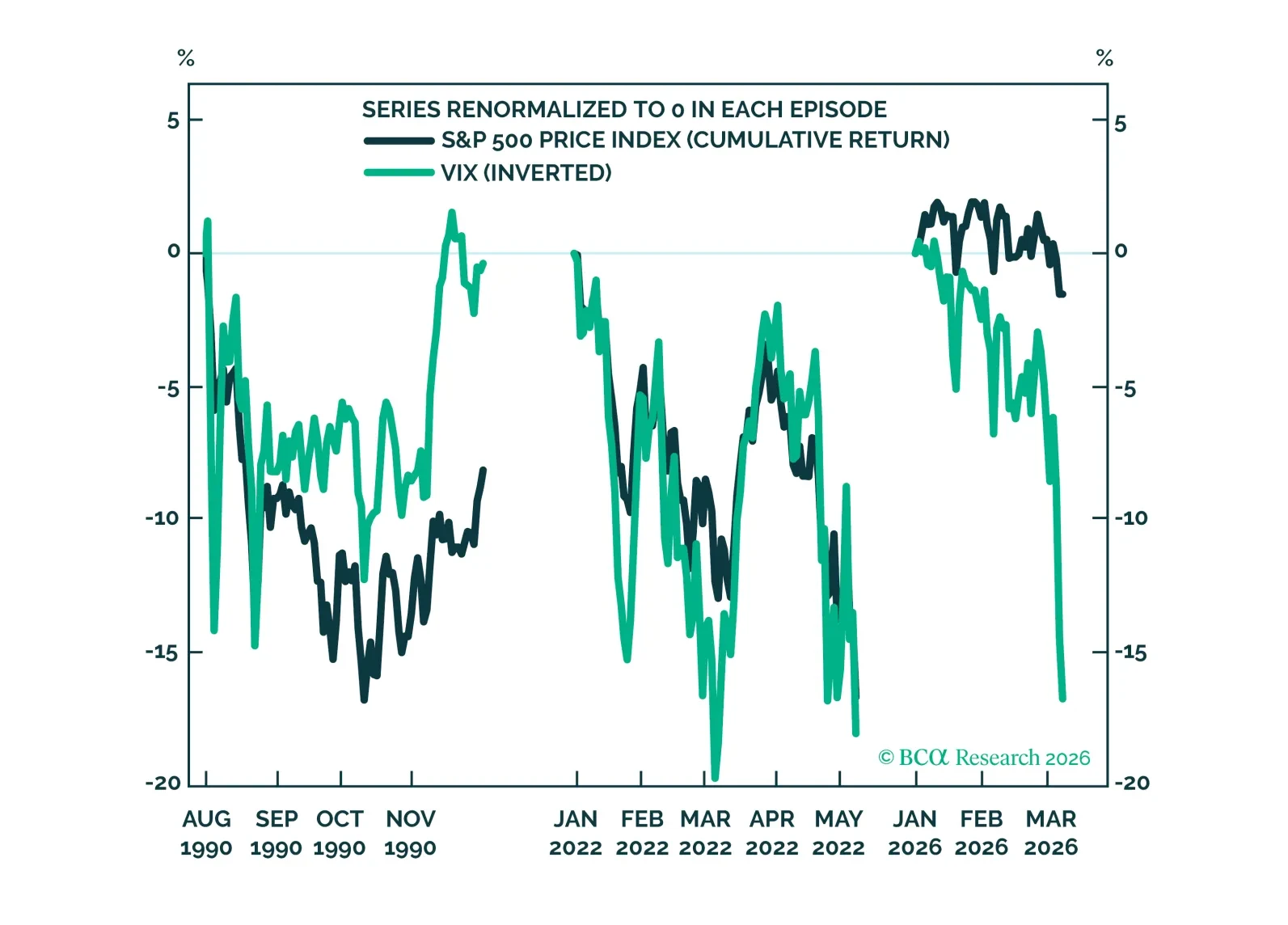
Middle East tensions sparked a surge in volatility, yet the S&P 500 decline has been comparatively modest. Across asset classes, moves seem related to risk preferences and near-term inflation concerns. Within equities, some cyclicals are under pressure, but the equity market’s growth view has been resilient, while the inflation view has climbed.
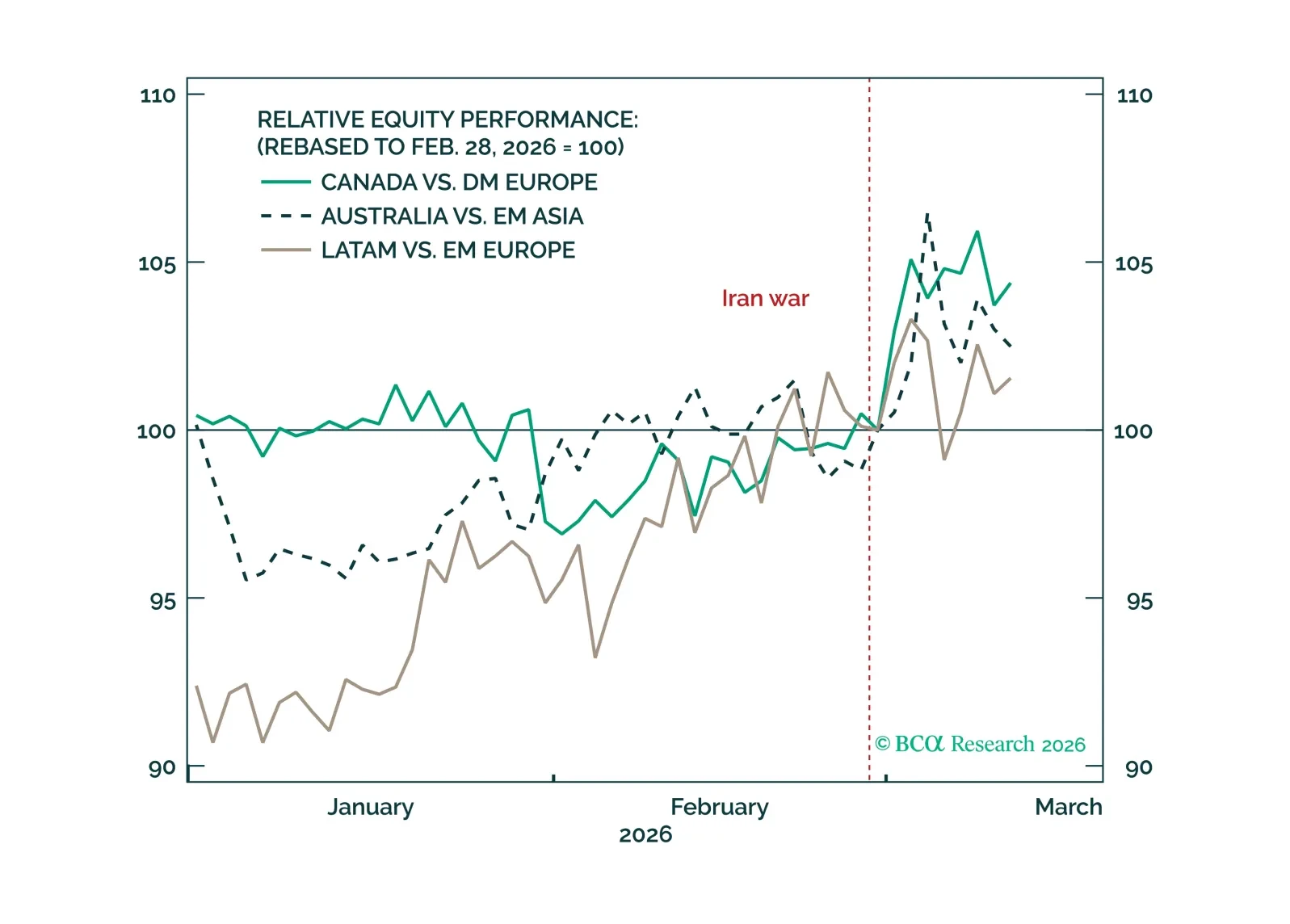
Regional geopolitical risk is rising for Europe, EM Asia, and South Asia. We adjust our regional risk matrix accordingly.
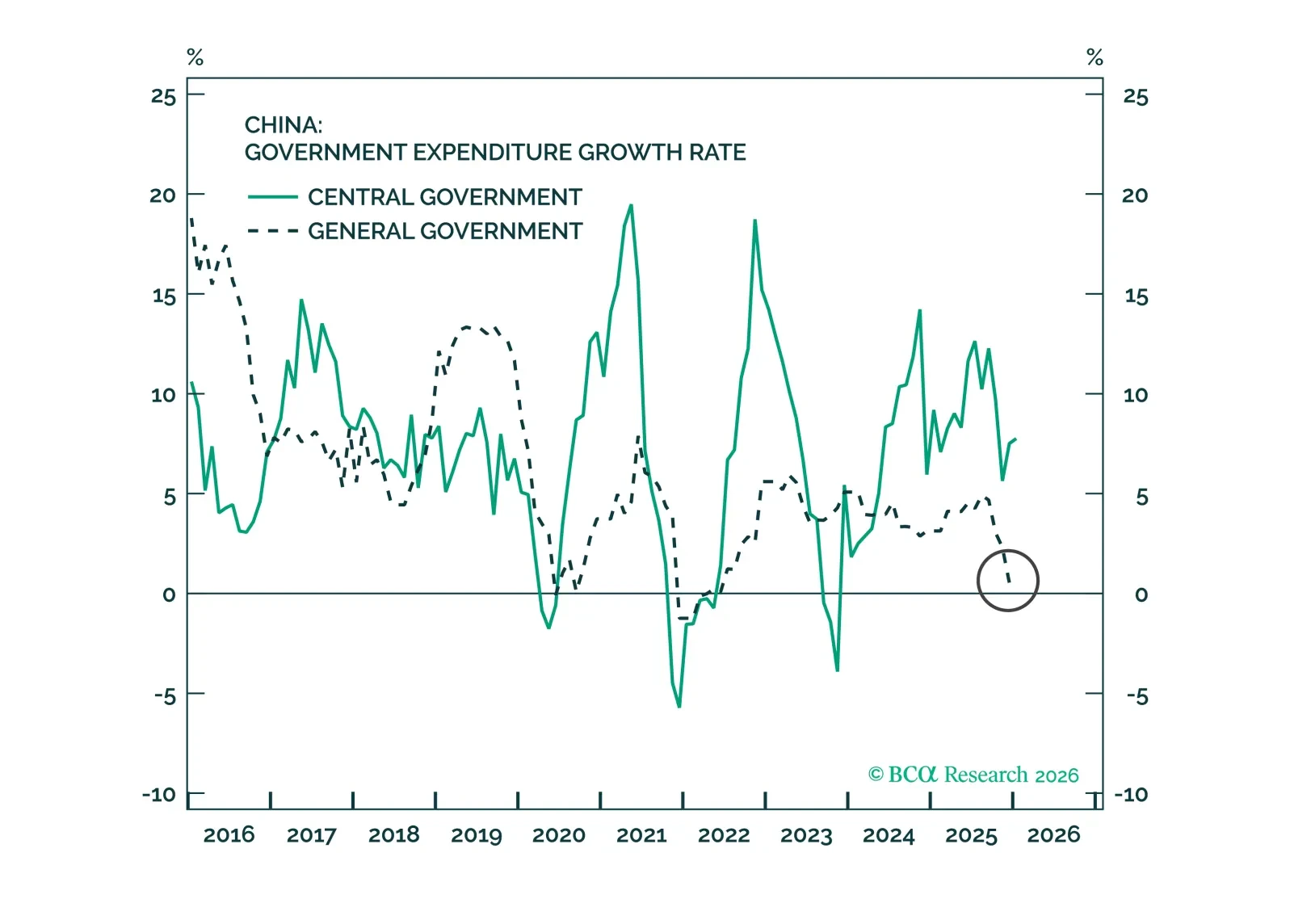
China's slowdown coincides with at least a minor global oil shock – a combination we have long feared.
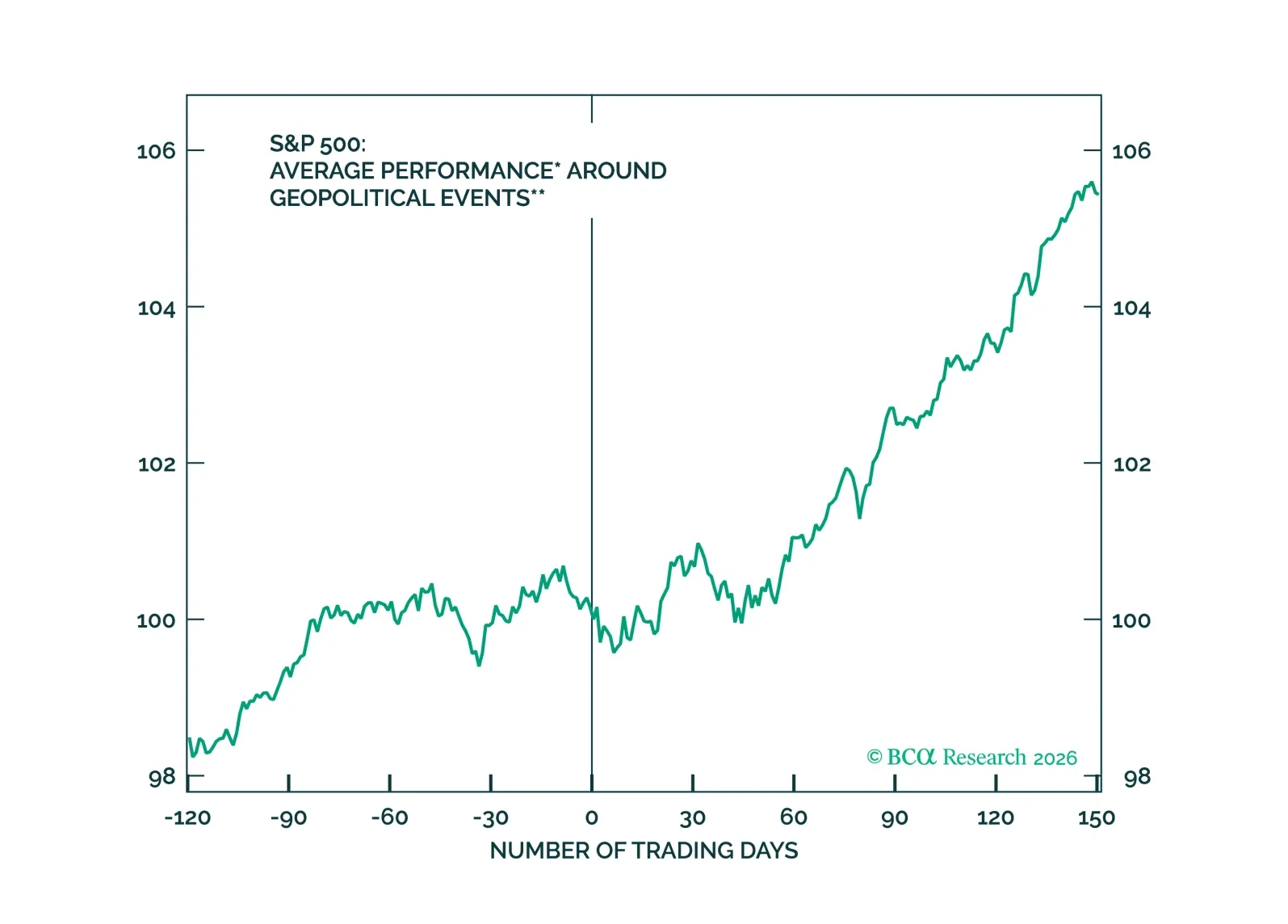
In the short term, there is plenty to be worried about in macro beyond the Middle East. The market was on thin ice before the Iran conflict. In the long term, the base case scenario remains bullish, but the war in the Middle East needs to be brief.
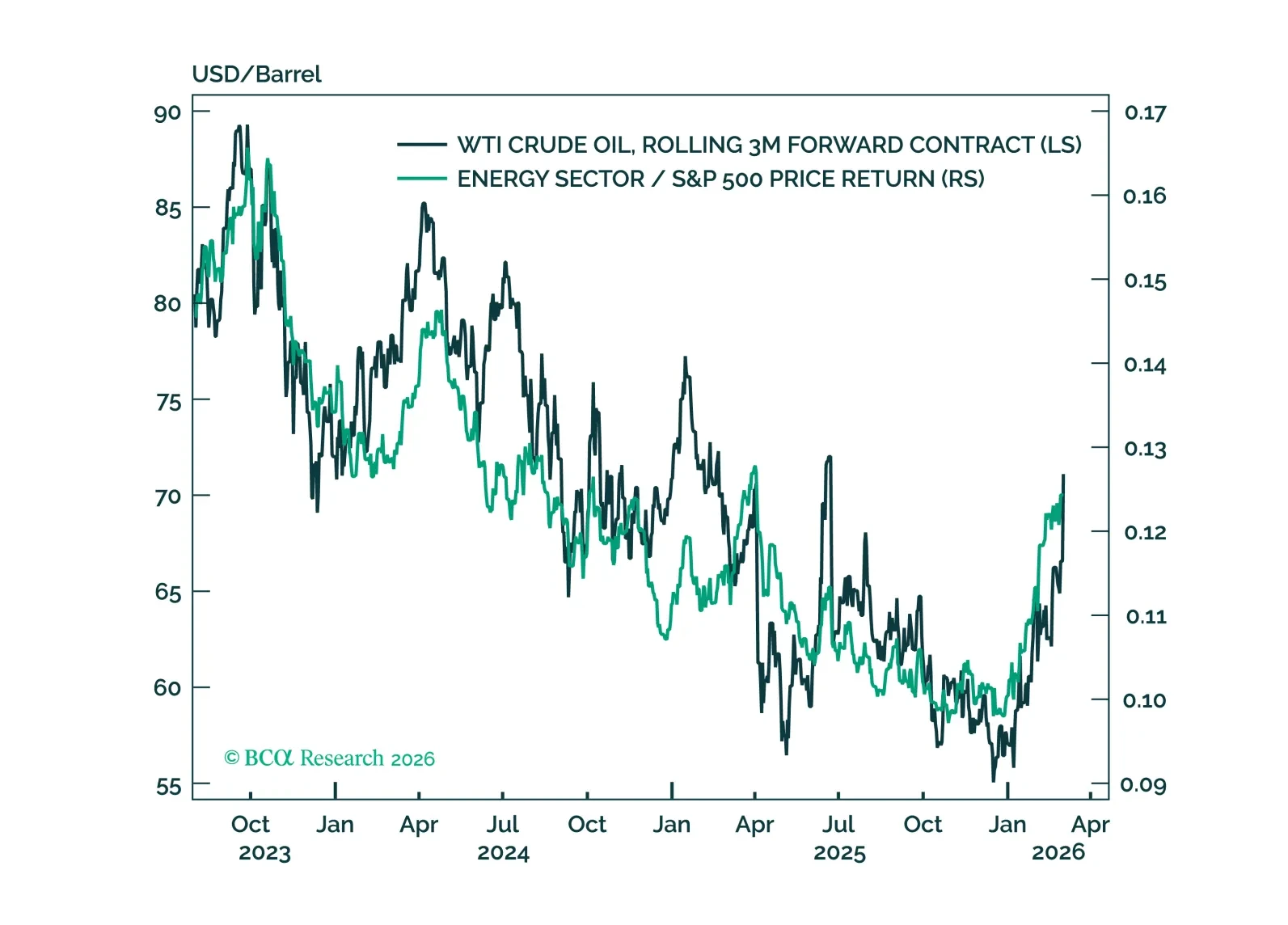
Middle East hostilities have triggered risk-off moves and pushed oil prices higher. Previous geopolitically driven oil price disruptions suggest that speed, persistence and equity market vulnerability relate to the degree of the market sell off. At the other end of the spectrum, energy stocks should benefit, but have already rallied significantly.
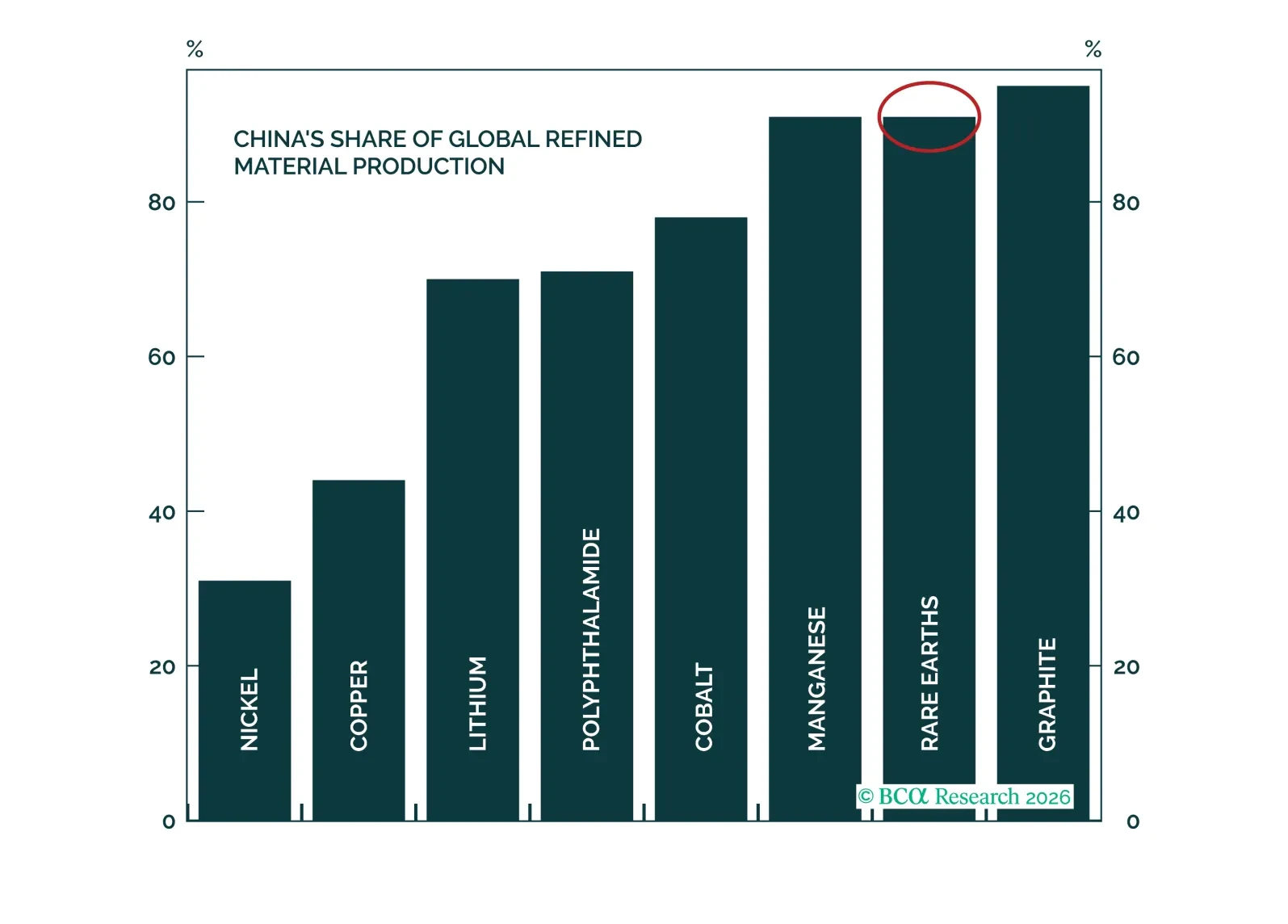
The global drive to build a resilient ex-China rare earth supply chain is accelerating. It has emerged as a strategic priority and is backed by both public and private sector investment in many countries.
In this Special Report, we argue that rare earth adjacent plays present a more attractive opportunity for investors looking to gain exposure to the rare earth capex cycle than a pure-play strategy.
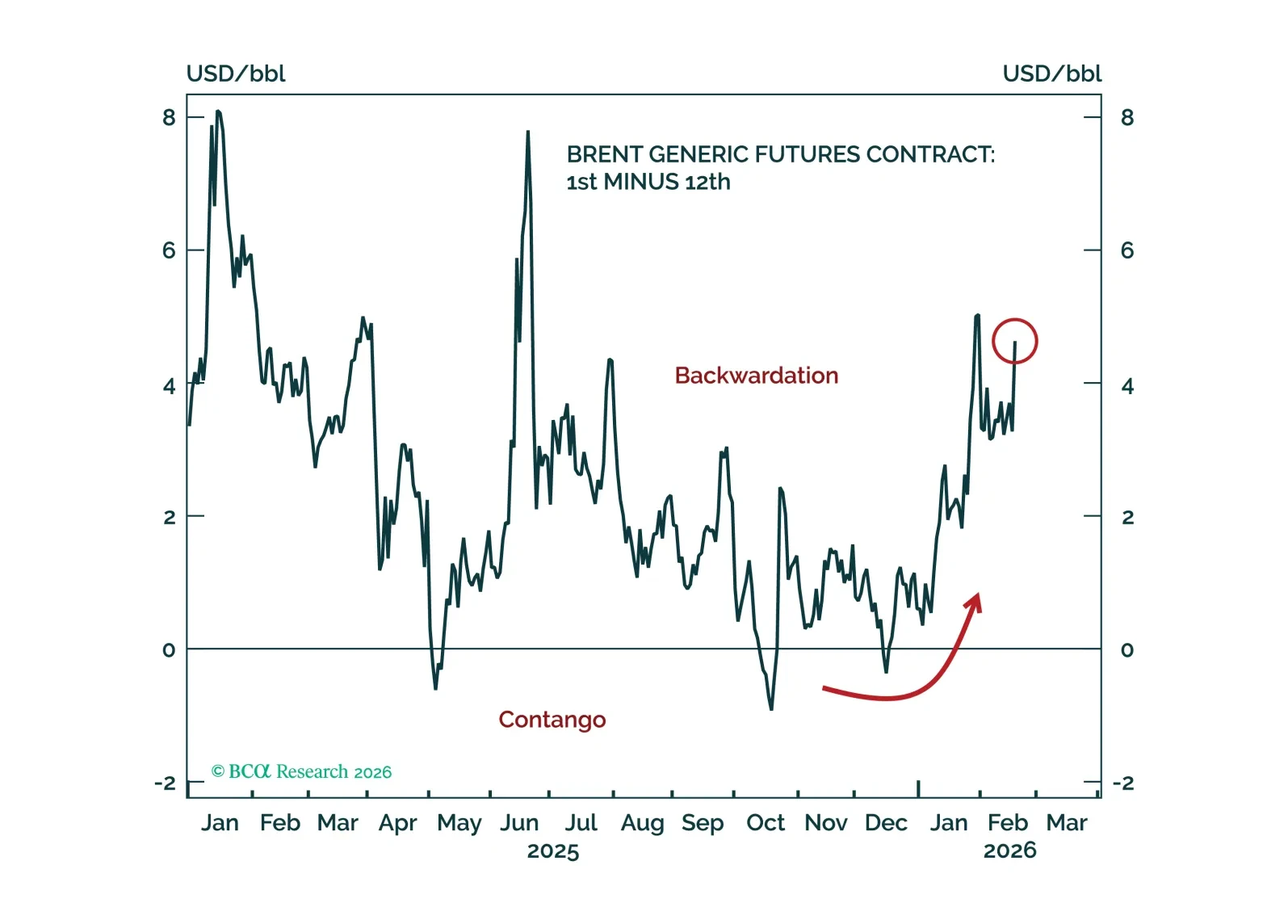
Oil price risks remain skewed to the upside over the near term as geopolitical risks continue to dominate.
Nevertheless, we ultimately expect bearish fundamentals to reassert themselves over a six-to-12-month timeframe and drive oil prices lower.
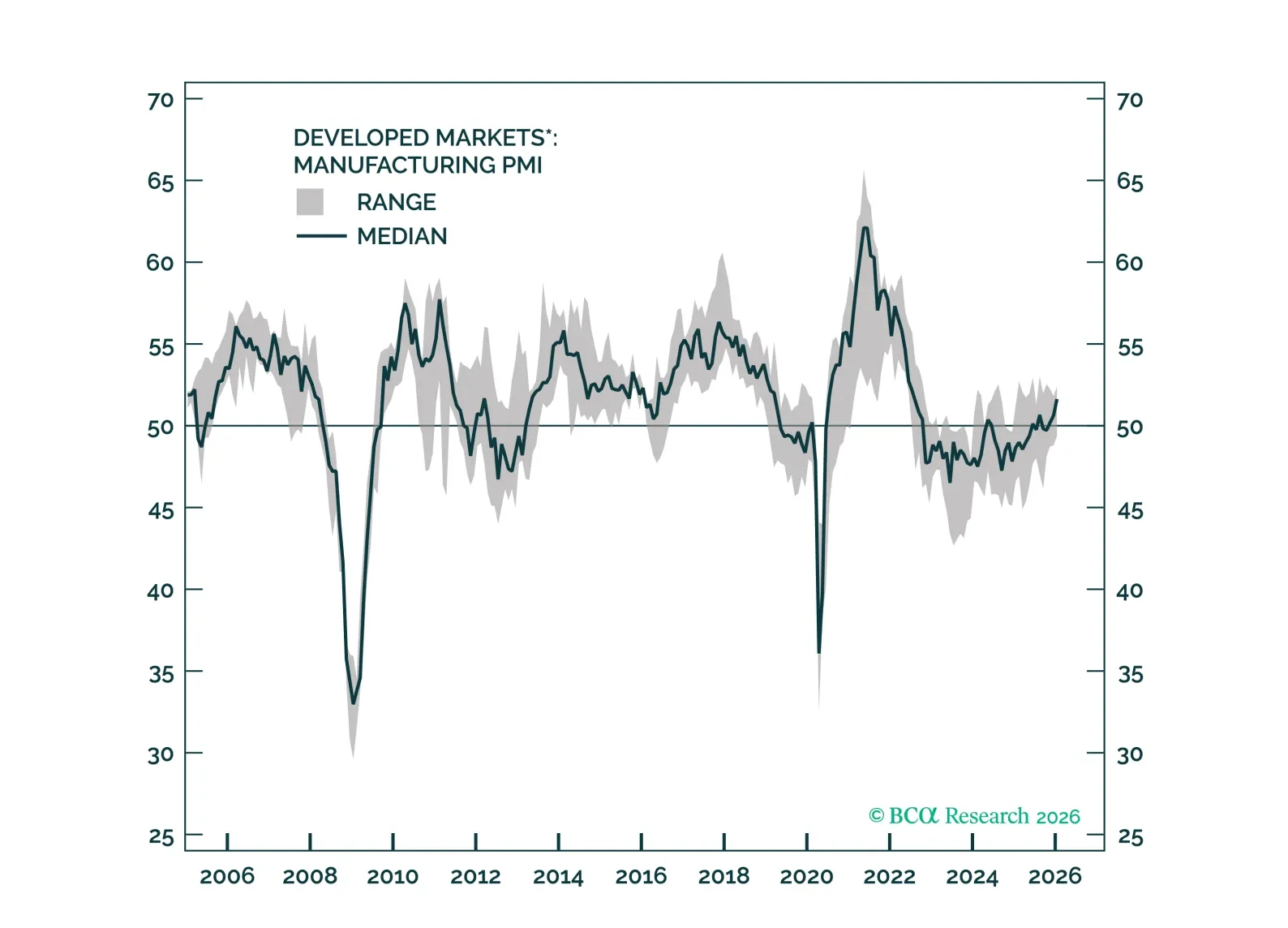
The actions of the Trump administration have dominated the headlines over the past month. They are all noise. Focus on the reactions from the rest of the world. Policy makers outside of the US are now determined to stimulate and reform their domestic economies. Global growth is accelerating without a corresponding increase in inflation. This combination is not only positive for risk assets but is also supercharging returns for Ex-US stocks. Downgrade Fixed Income and duration.
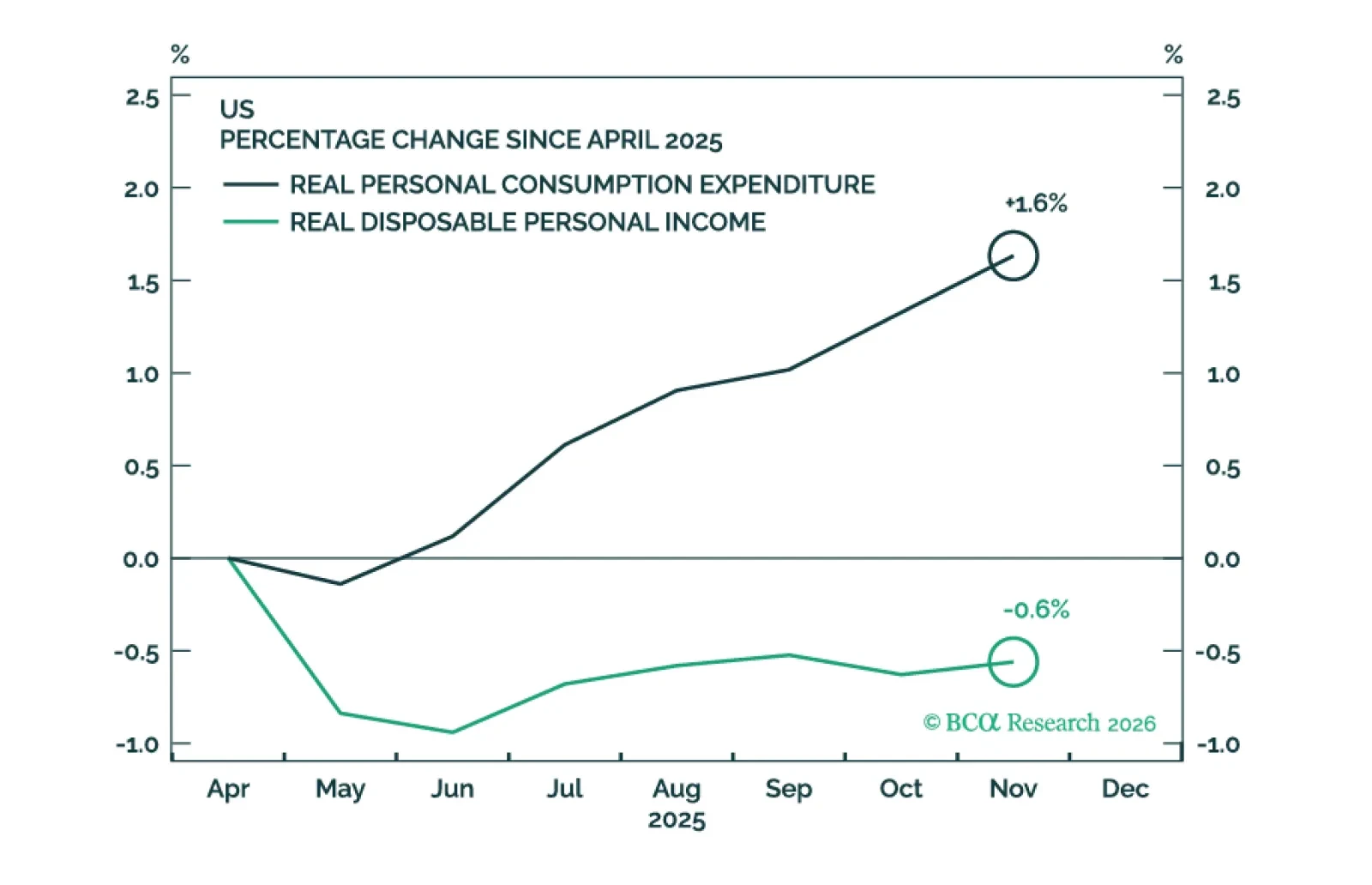
Recent economic data have been reasonably firm. We will cut our 12-month US recession probability to 40% from 50% if the Supreme Court strikes down President Trump’s tariffs. This would take our scenario-weighted year-end 2026 price target for the S&P 500 to 6375 from 6200.