Gov Sovereigns/Treasurys
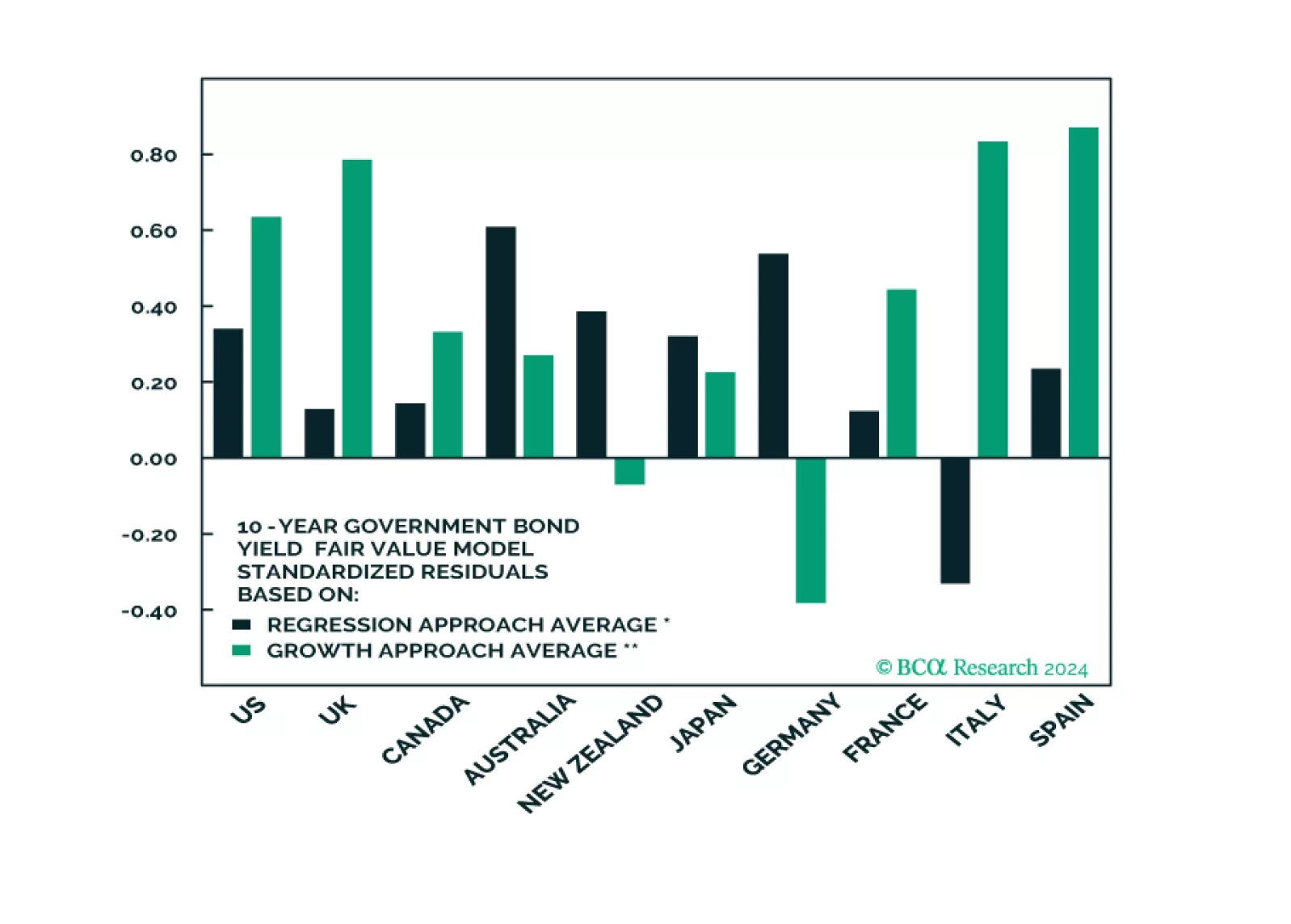
In this Special Report we assess the absolute and relative attractiveness of developed market government bonds using several fair value models. Longer-term investors who are focused on value should overweight US long-maturity bonds, and favor Spanish, Australian, and potentially UK government bonds within a DM ex-US allocation.
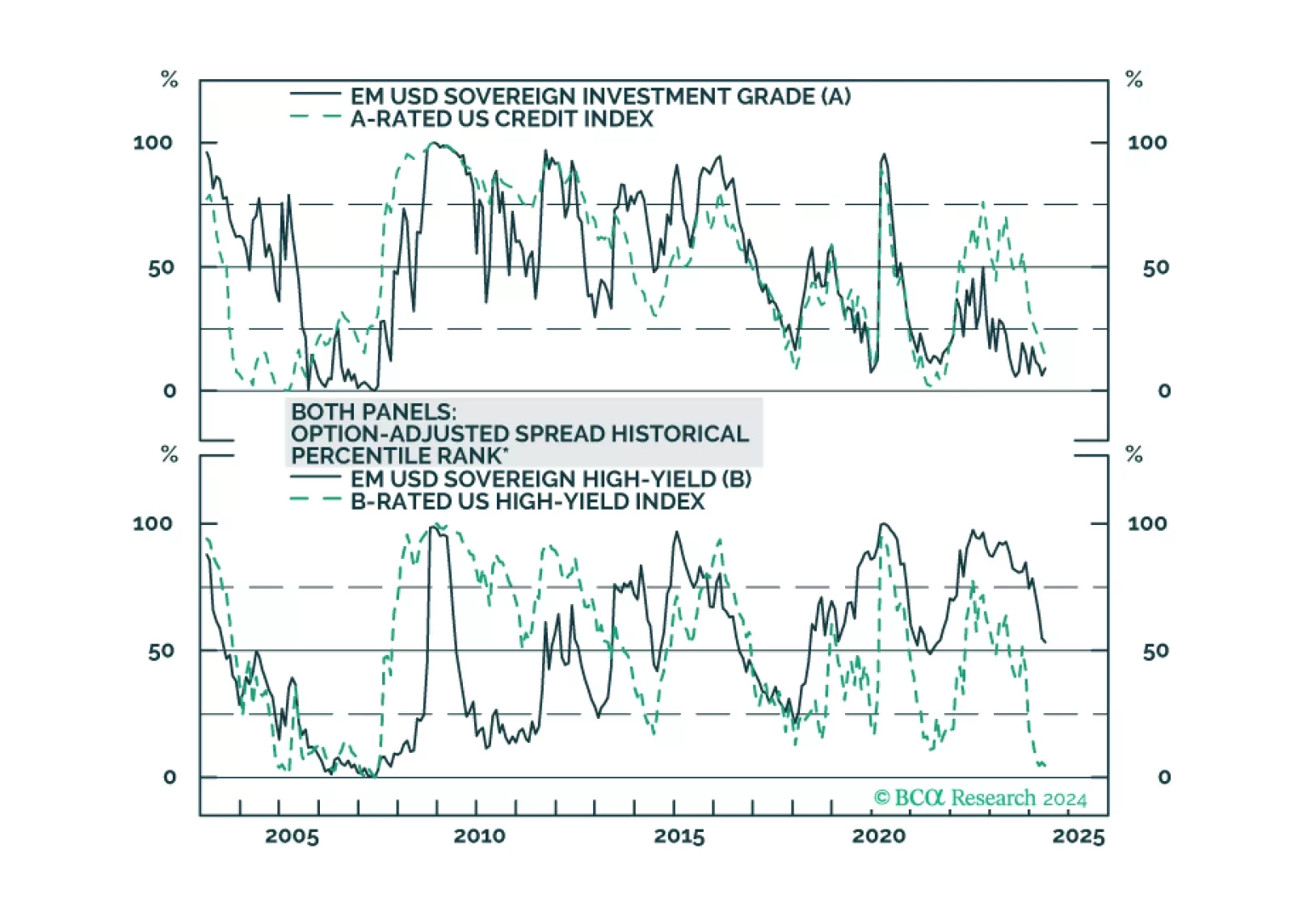
We dig into the USD-denominated Emerging Market Sovereign Index to see which credit tiers and countries offer value relative to US Credit.
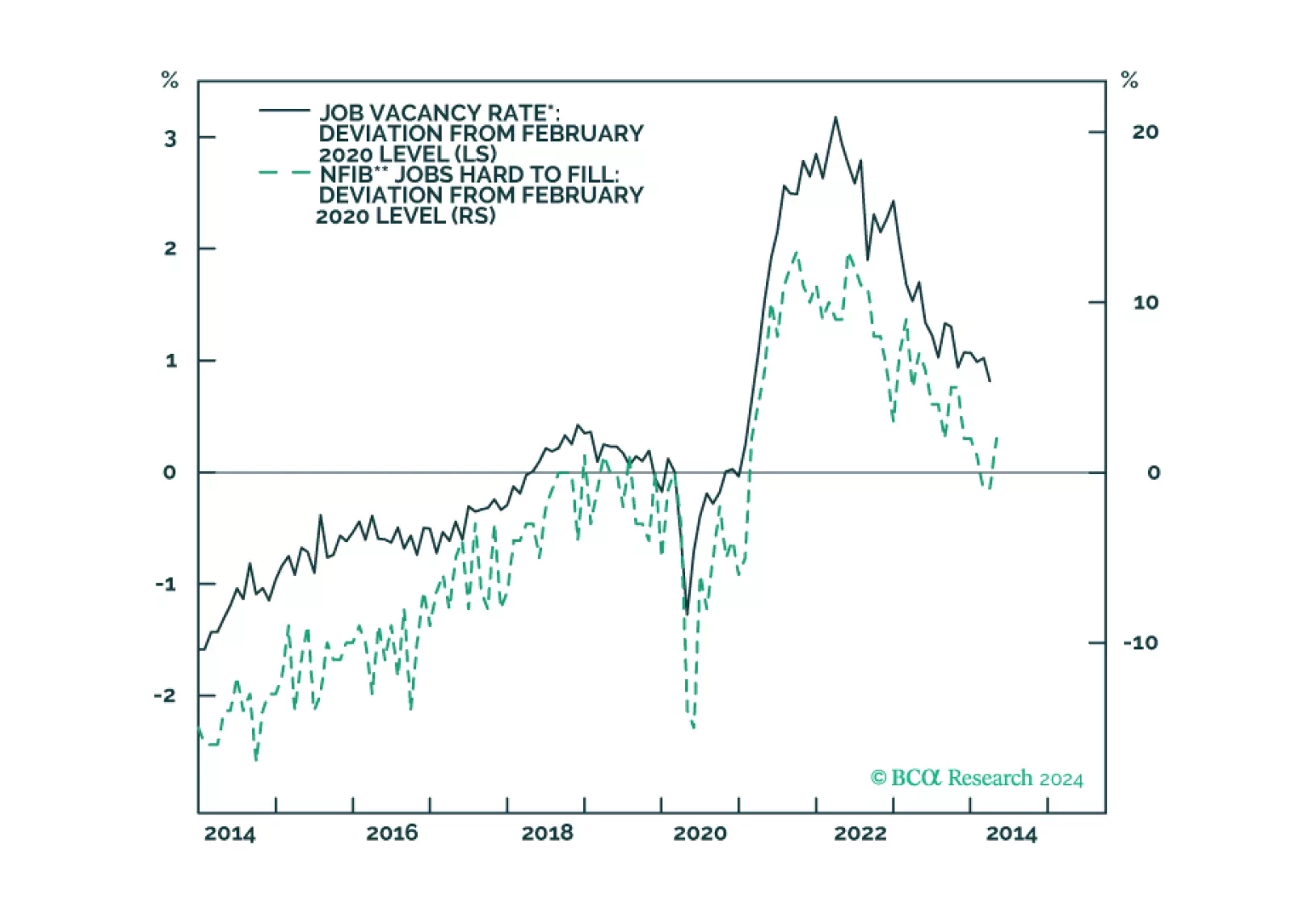
Our updated views on Treasury yields and Fed policy following this morning’s CPI report.
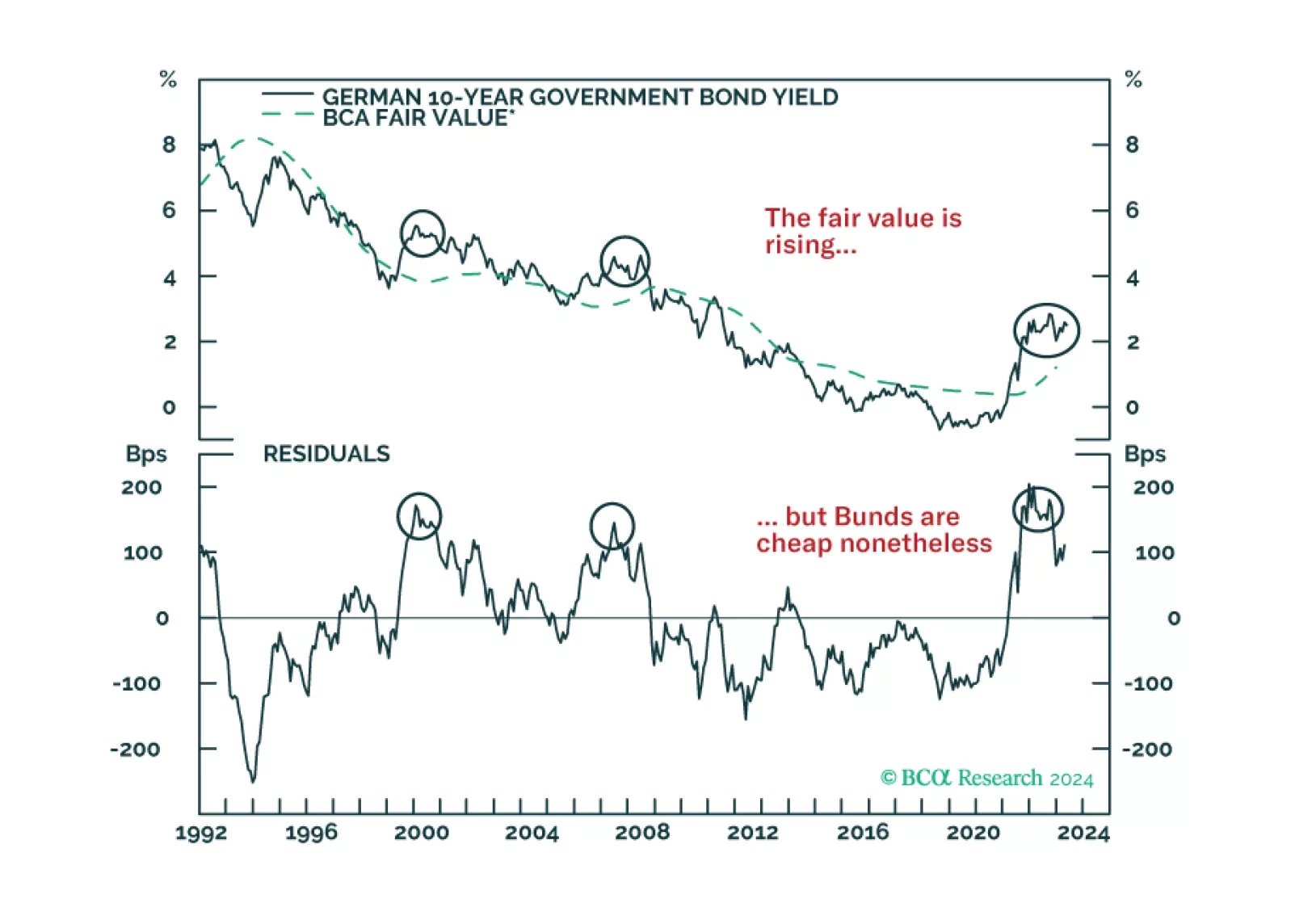
German Bunds have cheapened considerably, and the ECB is about to start cutting rates. Does this combination guarantee immediate profits from buying these bonds?
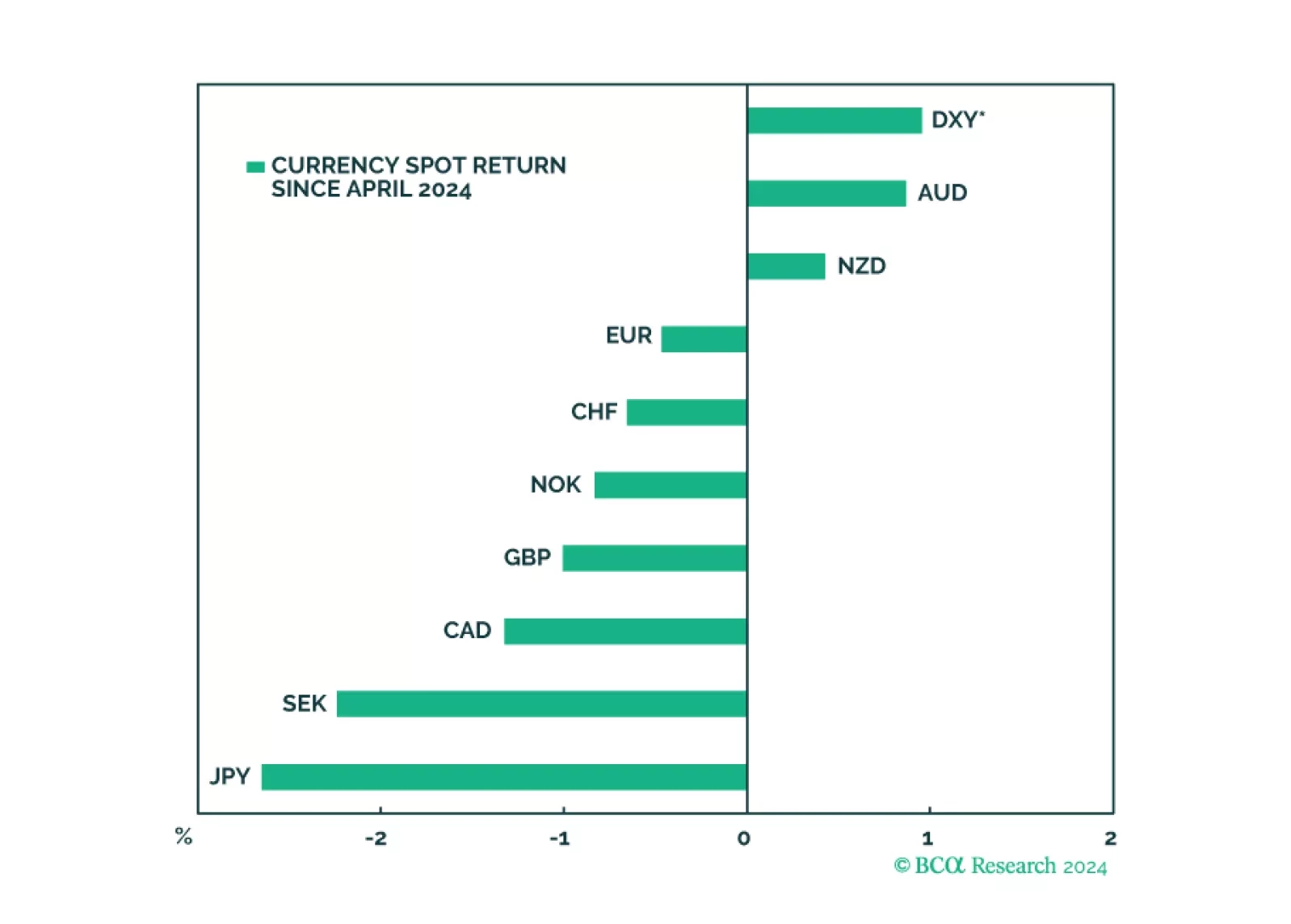
In this report, we review our trade recommendations based on incoming data in the last month.
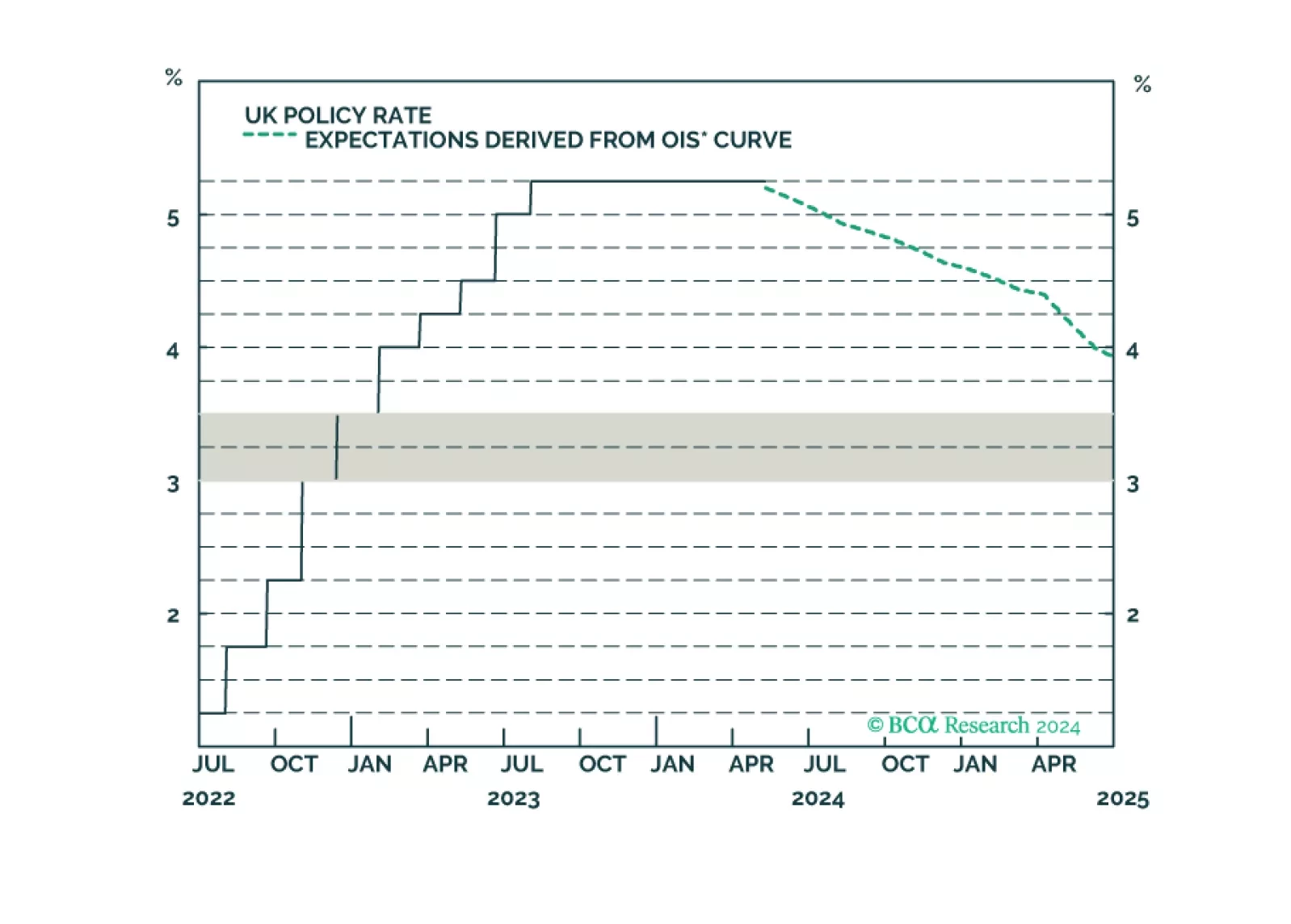
An update to our views on UK rates and currency following today’s Bank of England meeting.
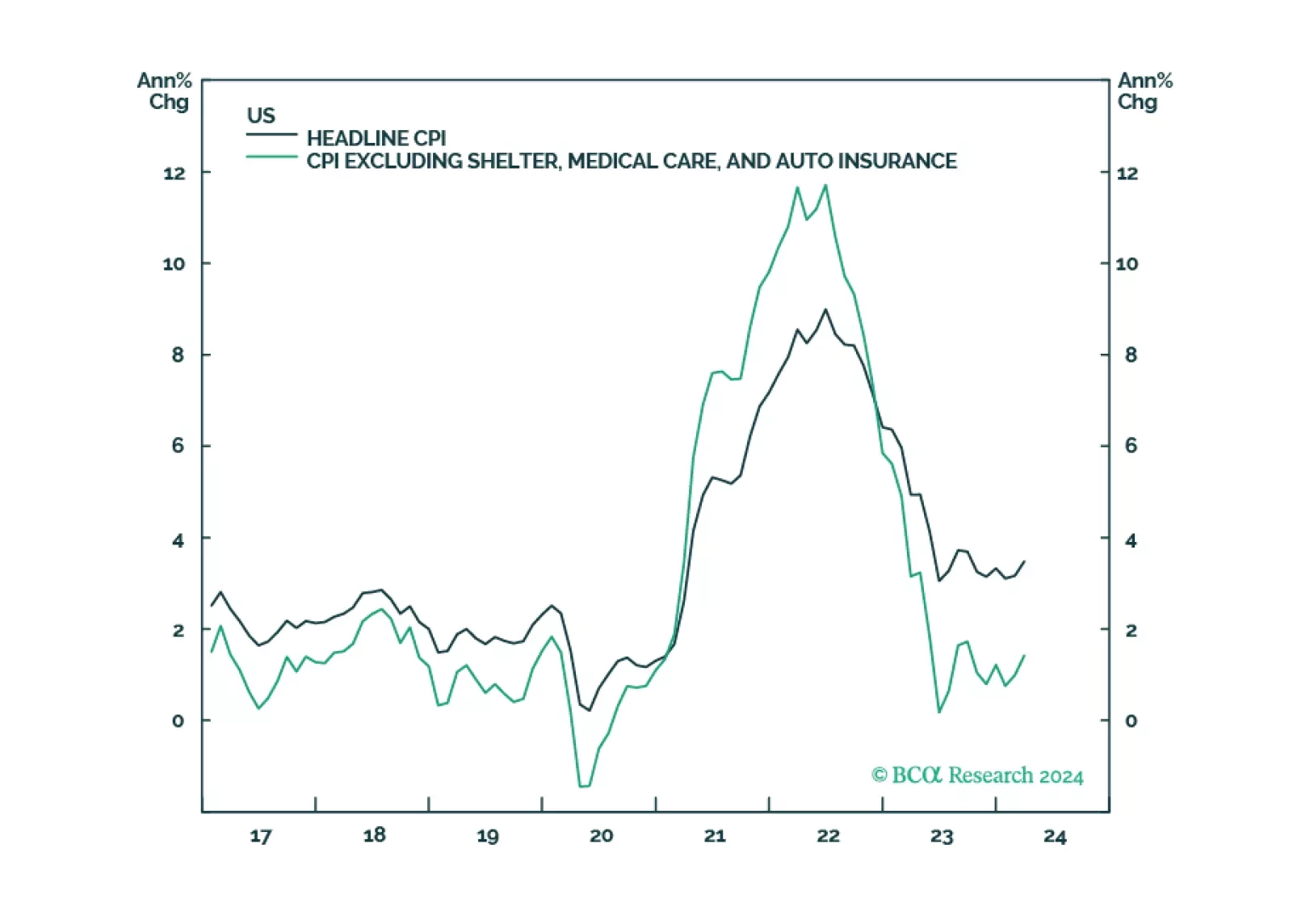
In this week’s report, we defend four out-of-consensus claims. Claim #1: Underlying inflation in the US is not reaccelerating. Claim #2: The US labor market is set to weaken abruptly. Claim #3: The S&P 500 will drop to 3700 in 2025. Claim #4: Japan is not in danger of a currency crisis.
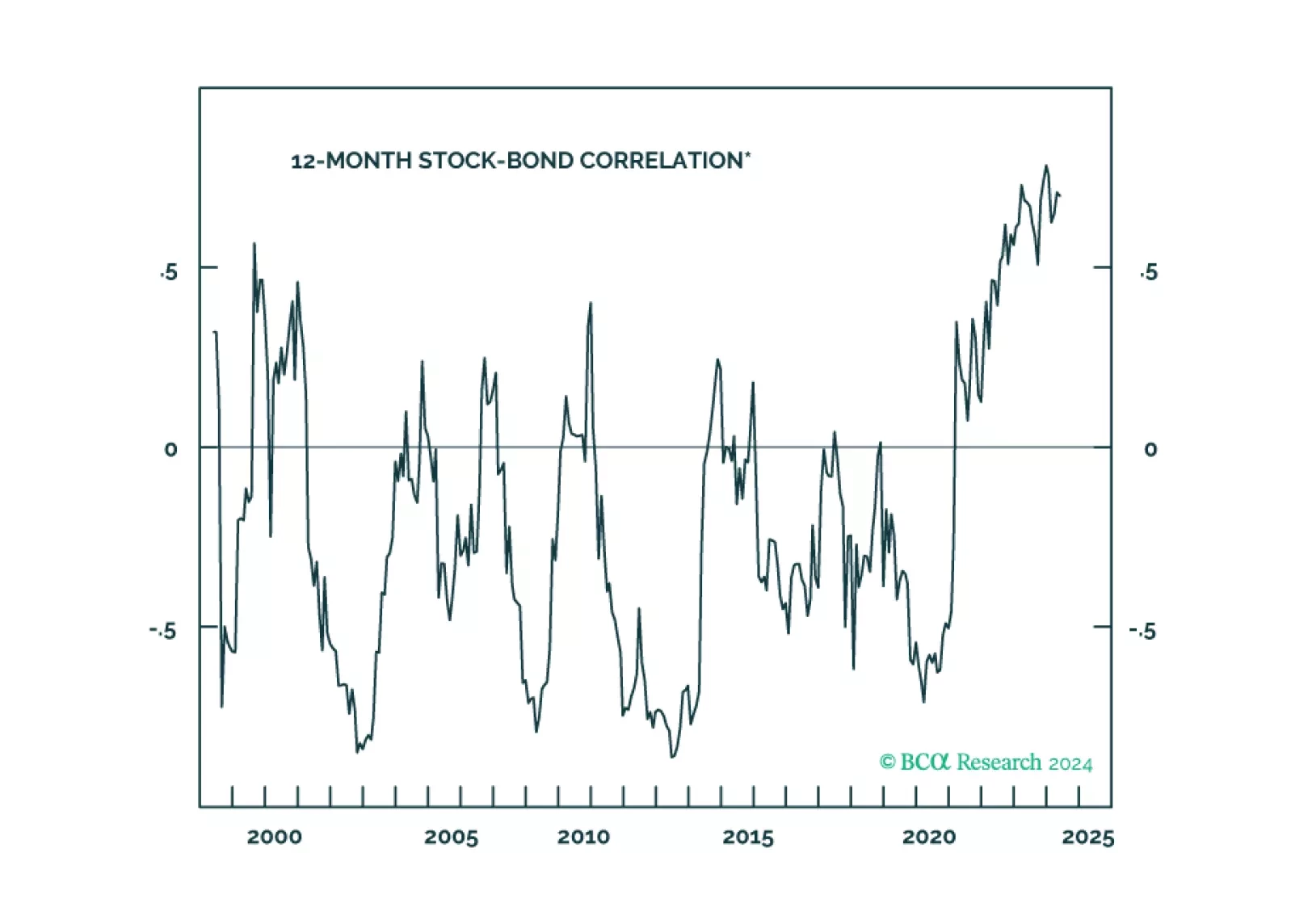
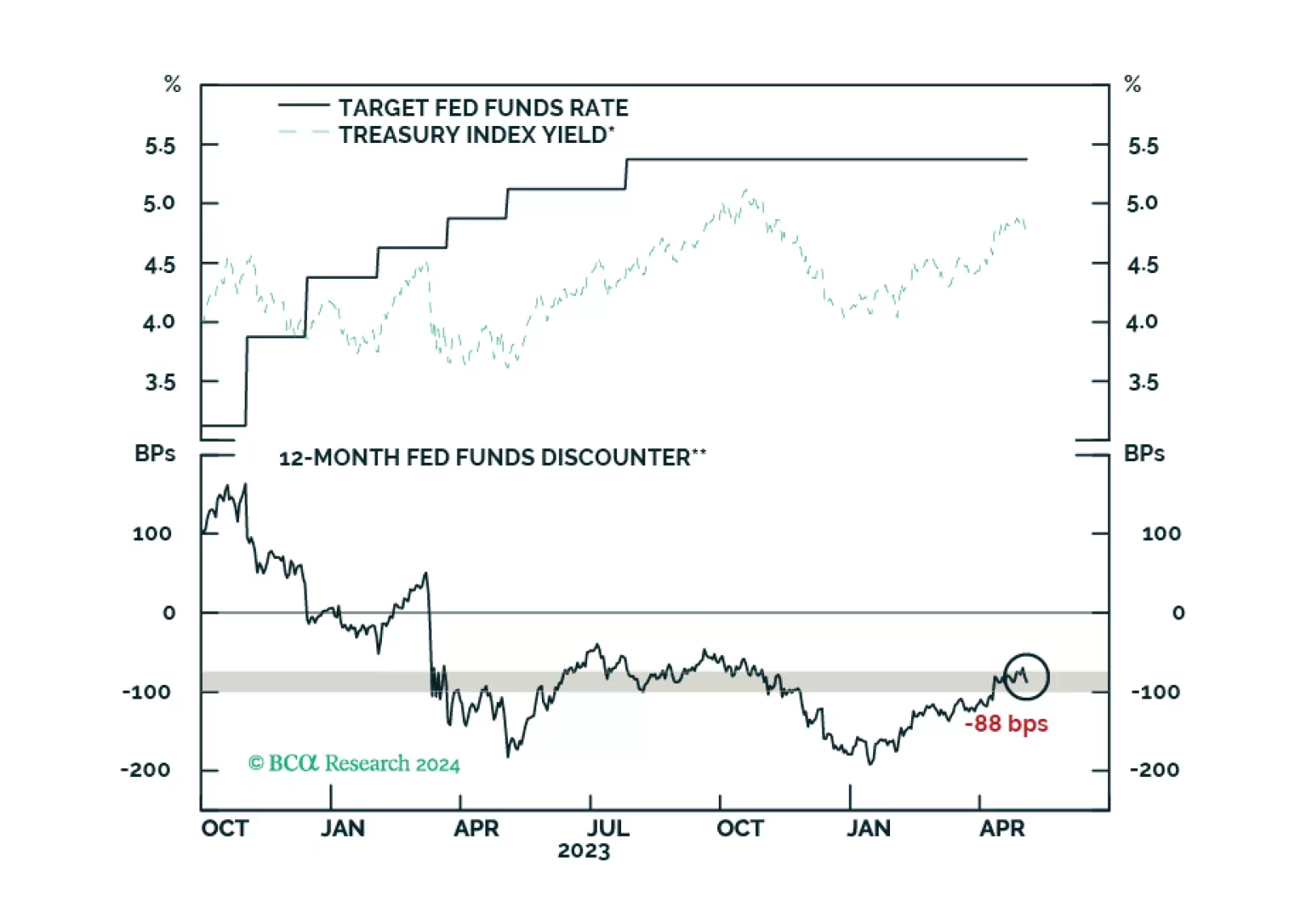
Some thoughts on this morning’s employment report and recent trends in US economic data.
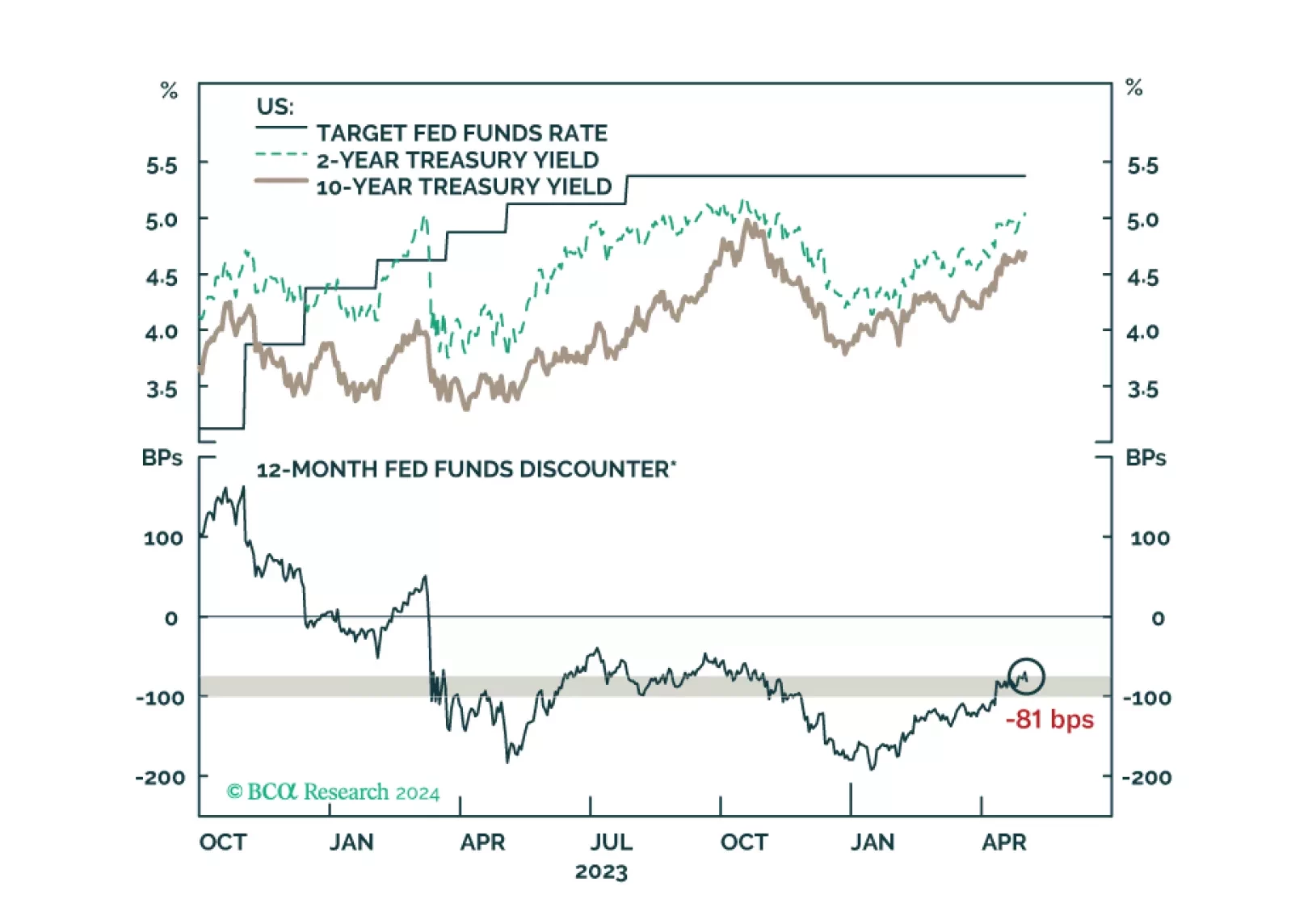
Updated views on US Treasury yields and the dollar following today’s FOMC meeting.