Inflation
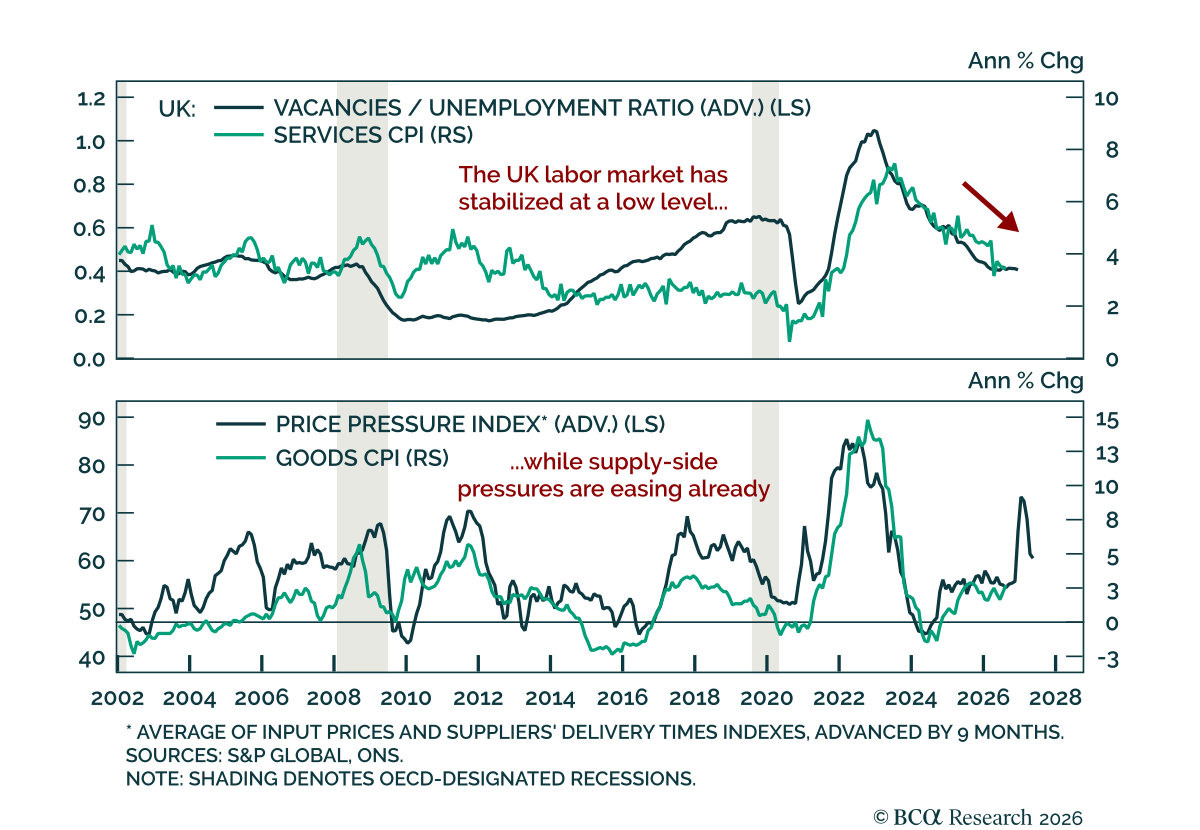
The latest UK employment and inflation data show a labor market with some slack and no sign of accelerating inflation, supporting an overweight on UK gilts. Payrolls fell by 26k in August, more than expected and faster than the negatively revised 19k decline…
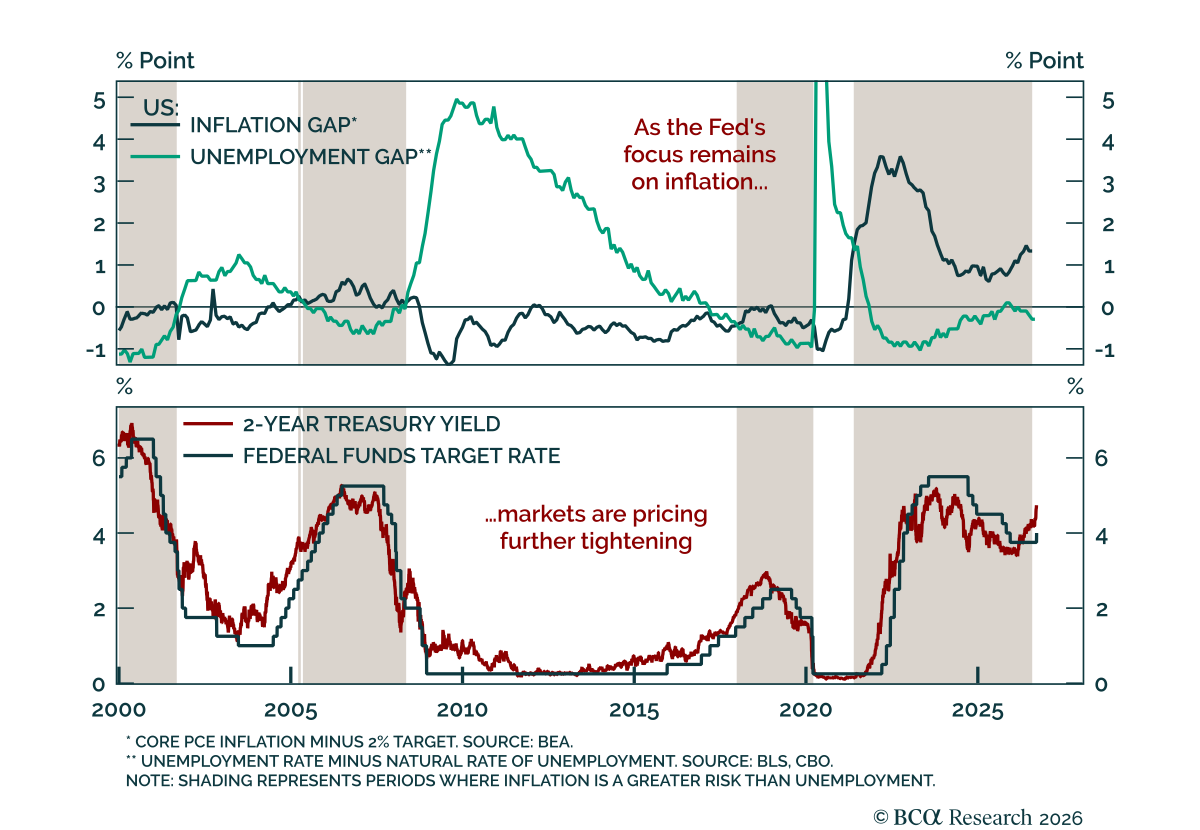
The Fed’s 25 bps hike confirms the start of a new tightening cycle, but our US Bond strategists still expect that cycle to be mild and front-loaded. The FOMC unanimously lifted the fed funds target range to 3.75%-4%, with the statement saying the move was…
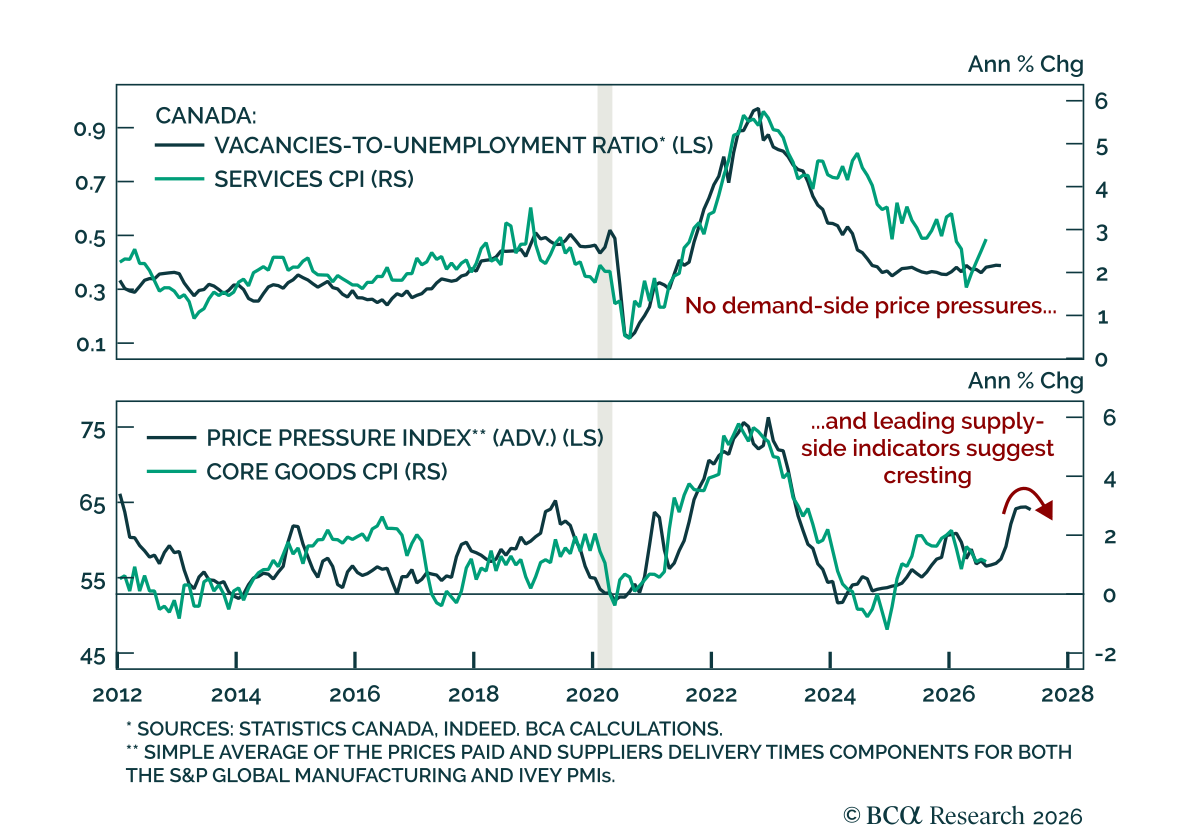
August inflation remained contained, reinforcing our view that markets are pricing too much BoC tightening and supporting Canadian government bonds relative to US Treasuries. Headline CPI was in line with estimates at 3.0% y/y, unchanged from July and at the…
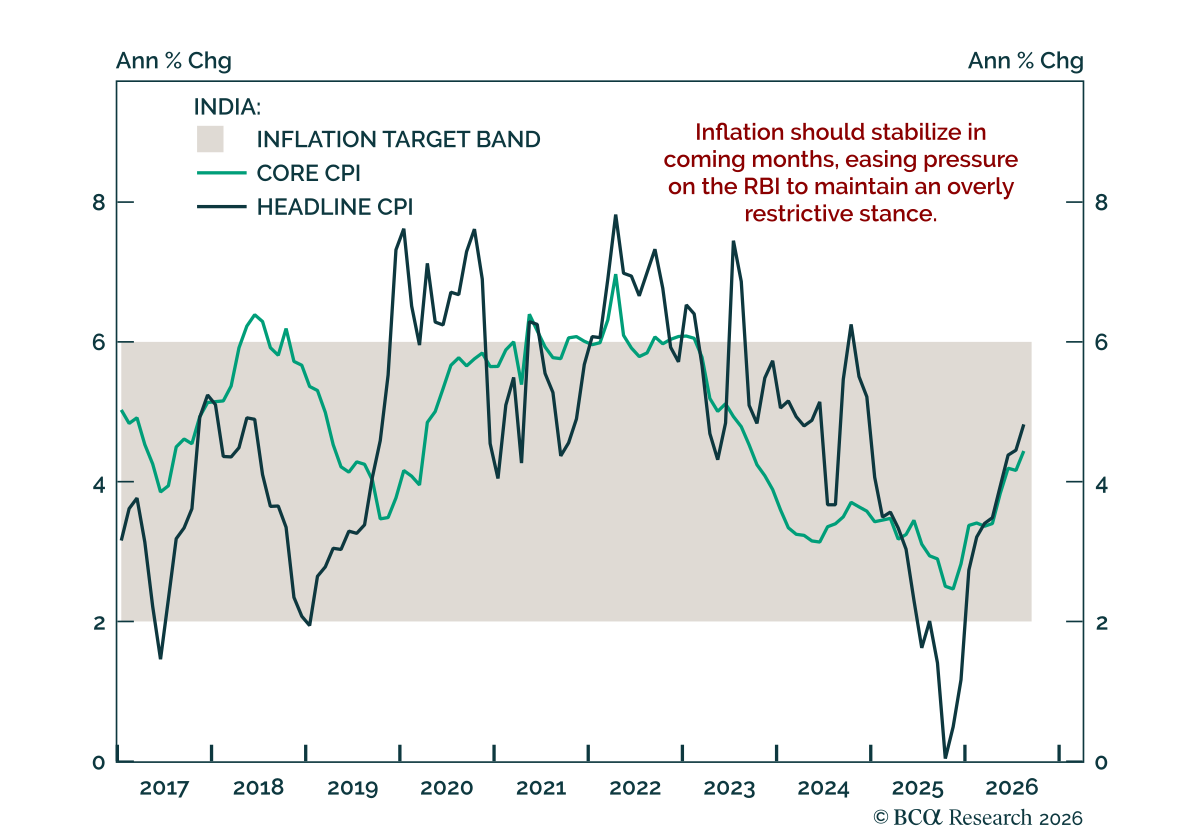
Indian inflation remains contained, while a stronger external backdrop and reaccelerating domestic demand support overweight positions in Indian equities and local-currency bonds. Headline CPI edged up to 4.4% in August but remained within the RBI’s target…
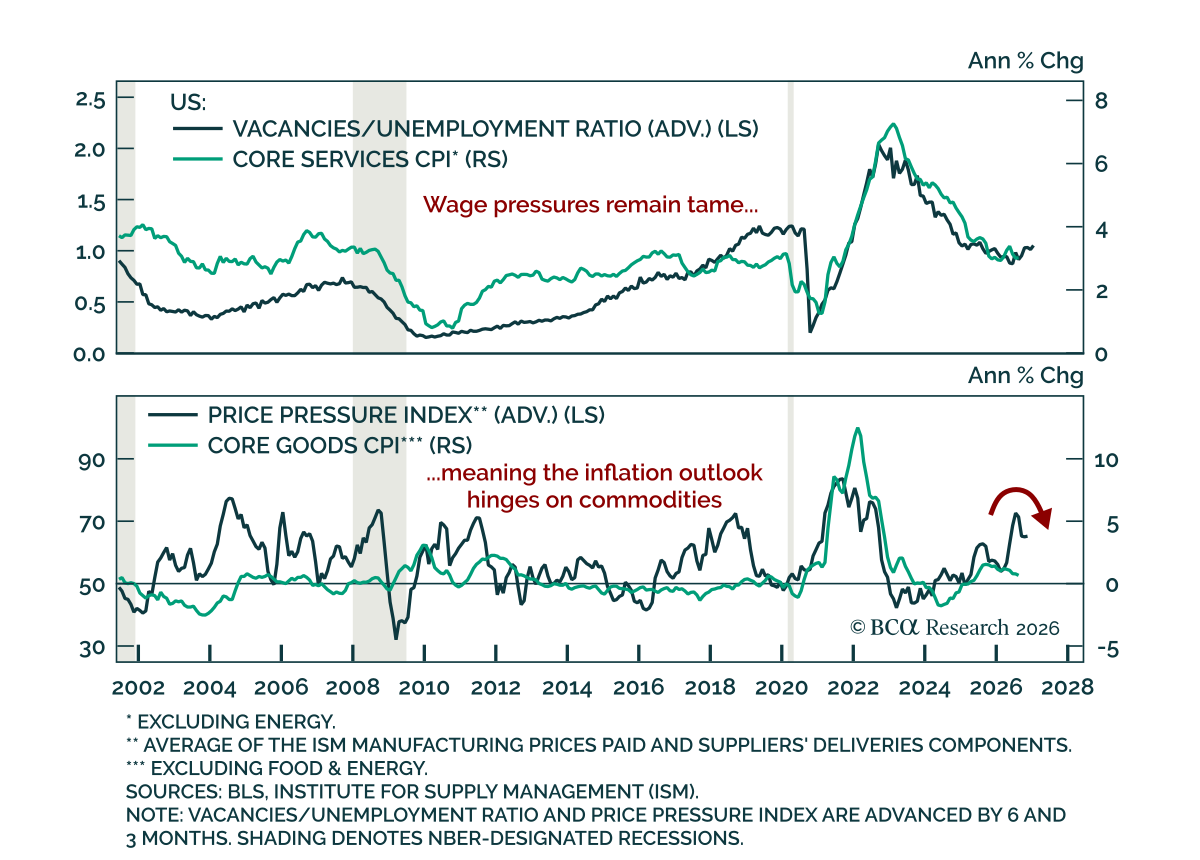
The August CPI report was slightly hotter than expected and guarantees a Fed hike on Wednesday; but there is still no evidence of broadening inflation pressures or second-round effects. Headline CPI was in line with consensus at 0.4% m/m, leaving the annual…
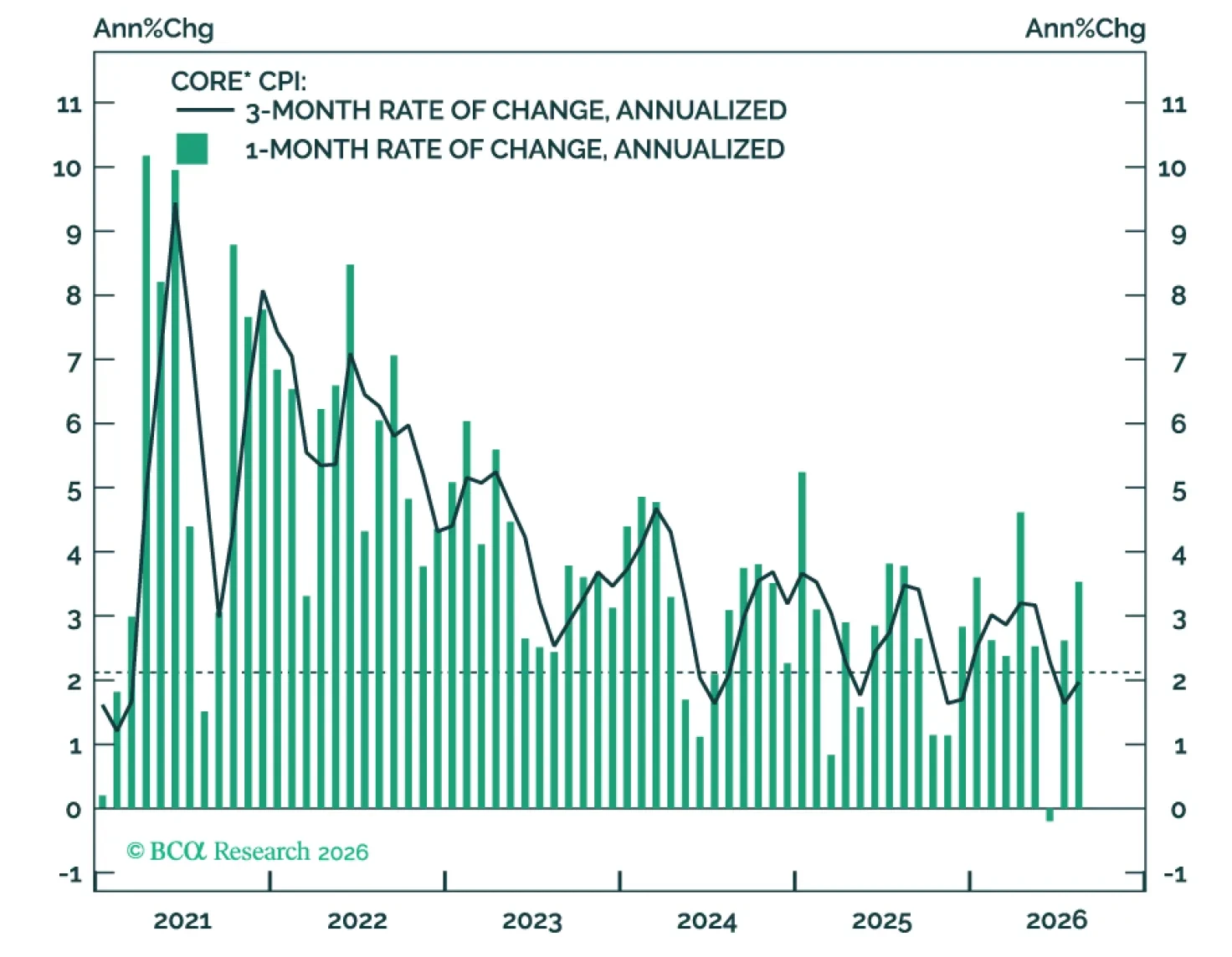
August’s 0.3% increase in core CPI breaks inflation’s 3-month downtrend and is likely hot enough for the Fed to hike rates when it meets next week.
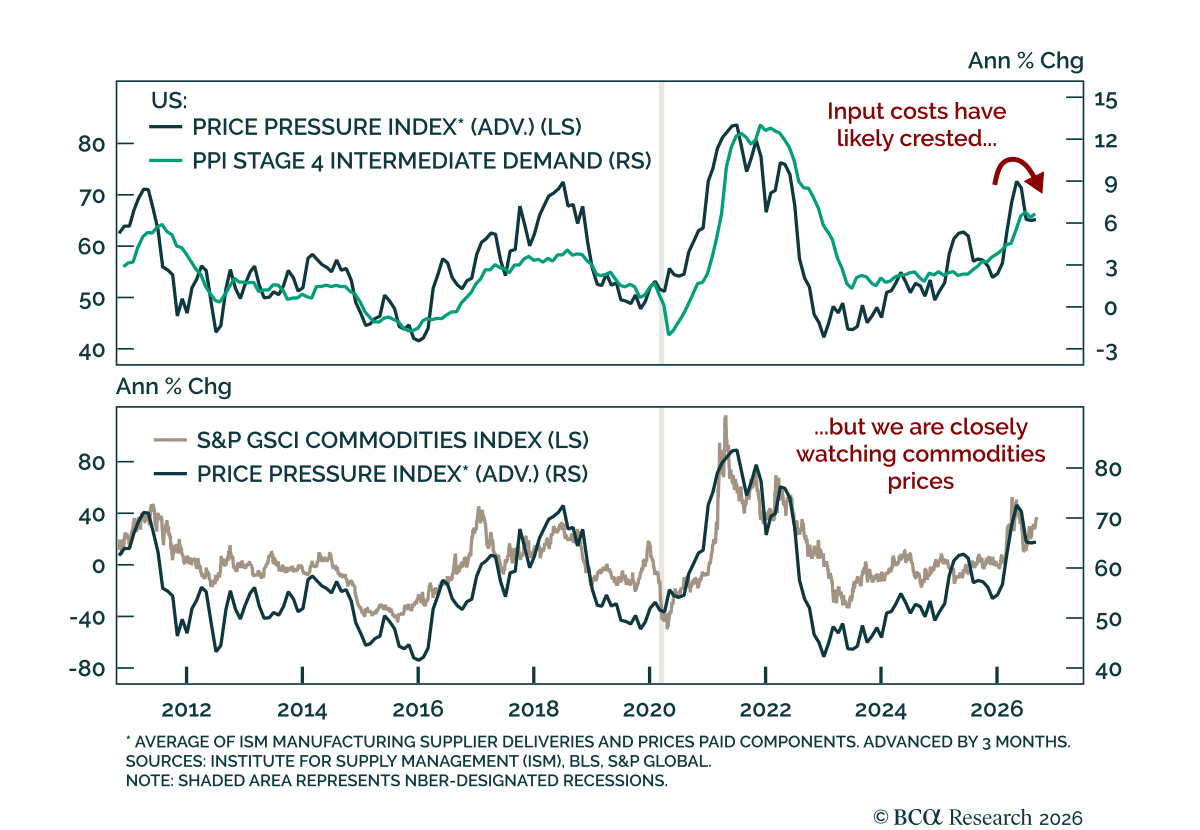
The August PPI report showed a renewed cost-push inflation impulse, but there is still little evidence of second-round effects. Headline PPI for final demand rose 0.4% m/m, in line with estimates and up from an upwardly revised 0.1% in July, lifting the…
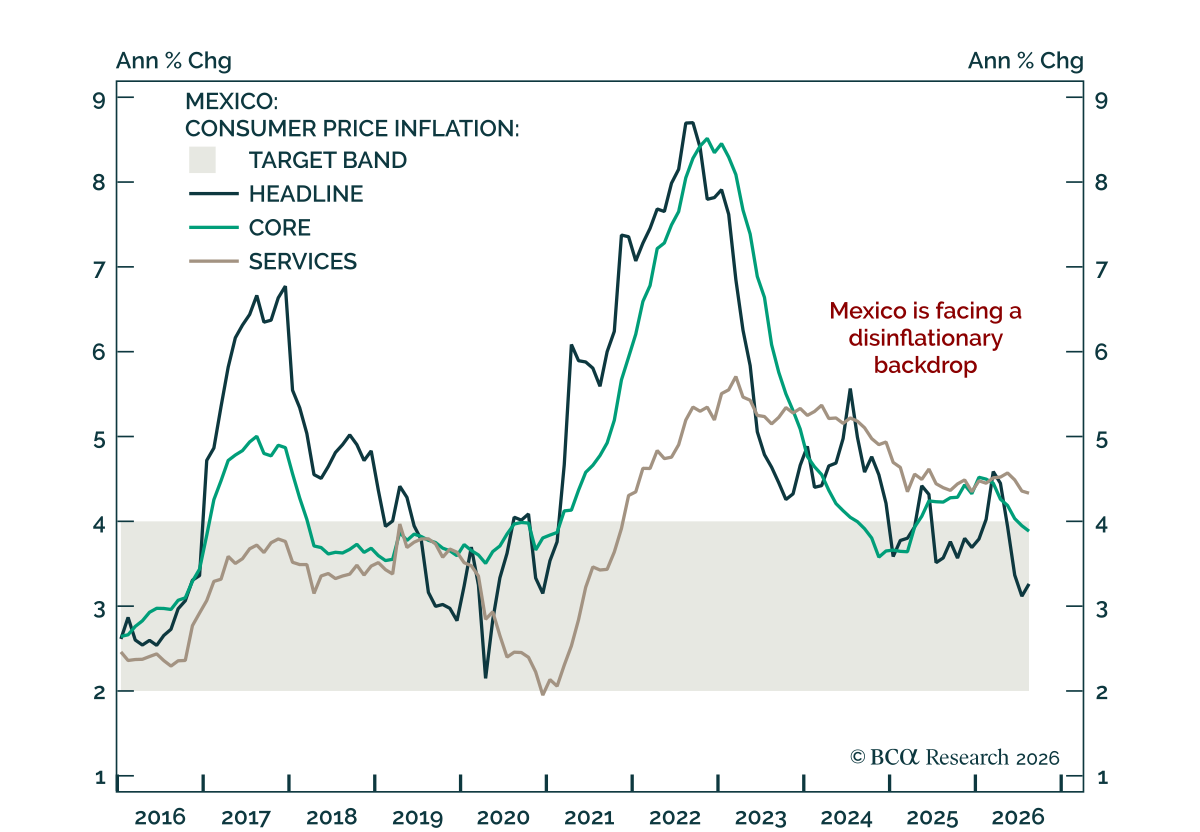
Mexico’s August headline CPI edged up to 3.3%, but remains comfortably within Banxico’s target range. While services inflation continues to prove sticky, the broader inflation backdrop remains benign, reducing odds of Banxico tightening more than is priced in…
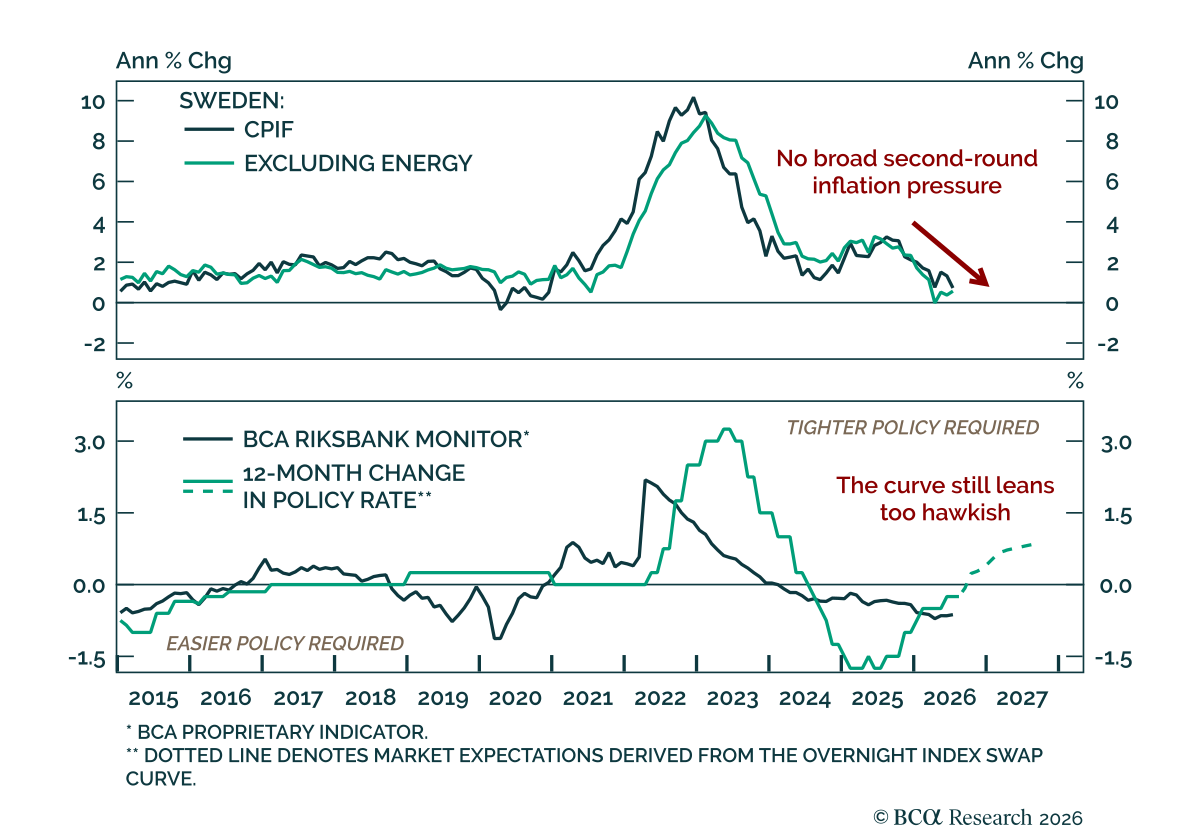
Sweden’s August inflation miss reverses July's core spike, strengthening the case for fading Riksbank tightening. CPIF held at 0.7% y/y, below the 0.9% consensus, while CPIF excluding energy eased from 0.6% to 0.5%, undershooting the 0.7% consensus and…
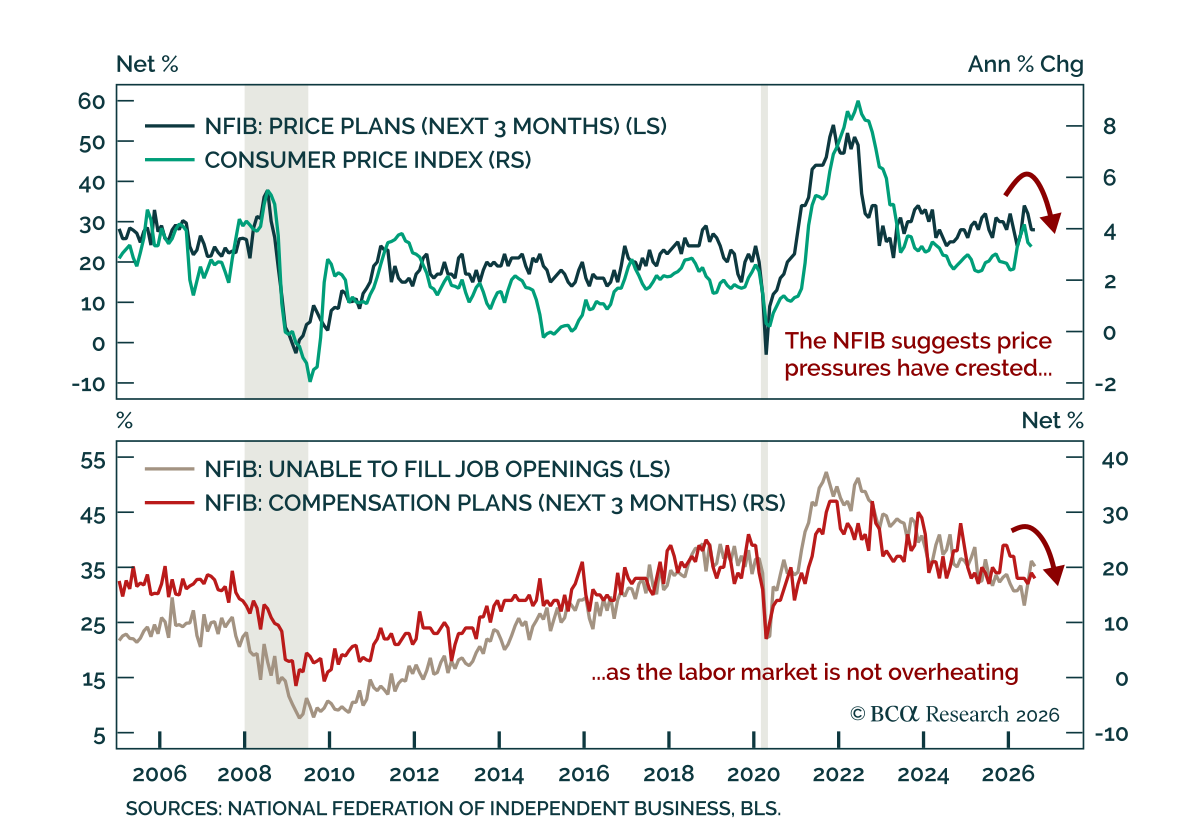
The August NFIB survey weakened, with softer hiring signals reinforcing that the labor market is not overheating or adding to inflation. The Small Business Optimism Index fell more than expected to 98.7, driven by weaker expectations. The report reversed much…