Inflation
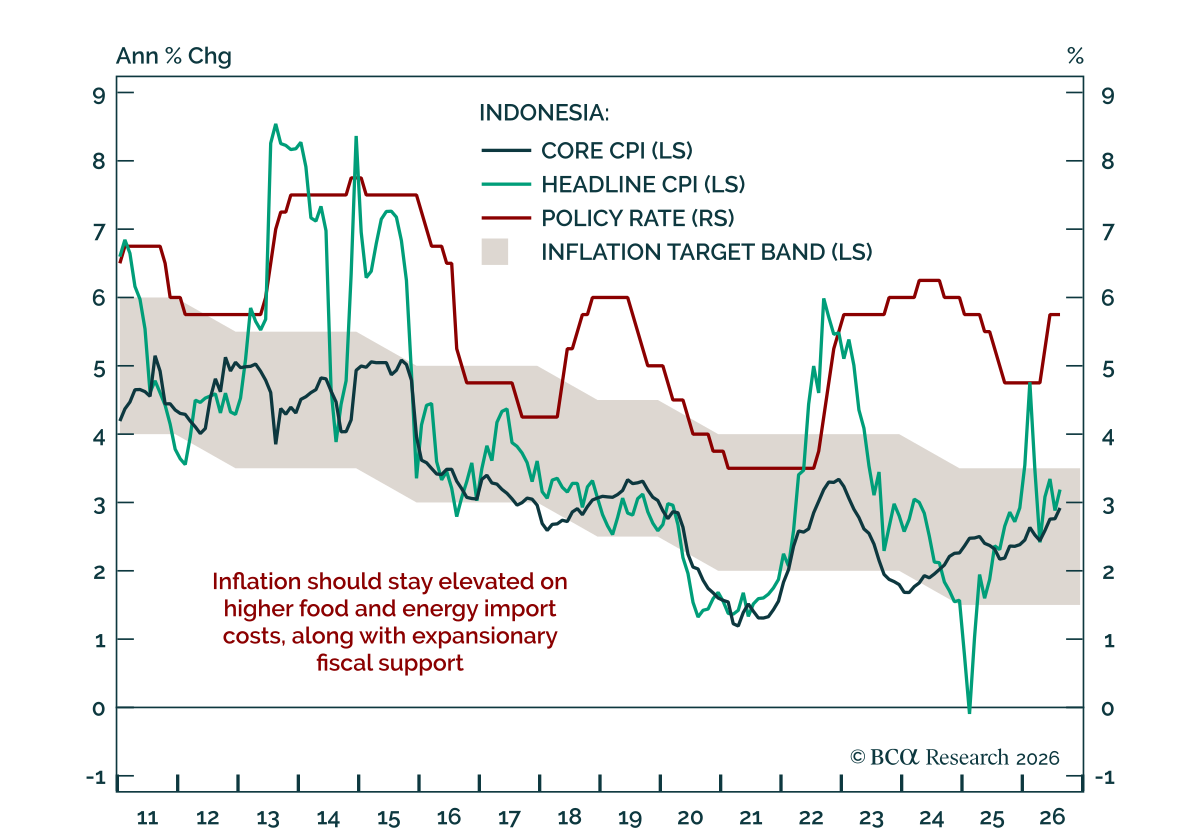
Indonesian headline CPI reaccelerated to 3.2%, moving closer to Bank Indonesia’s upper tolerance bound. Our Emerging Markets strategists expect inflation to remain elevated as higher food and energy import costs combine with the government’s continued…
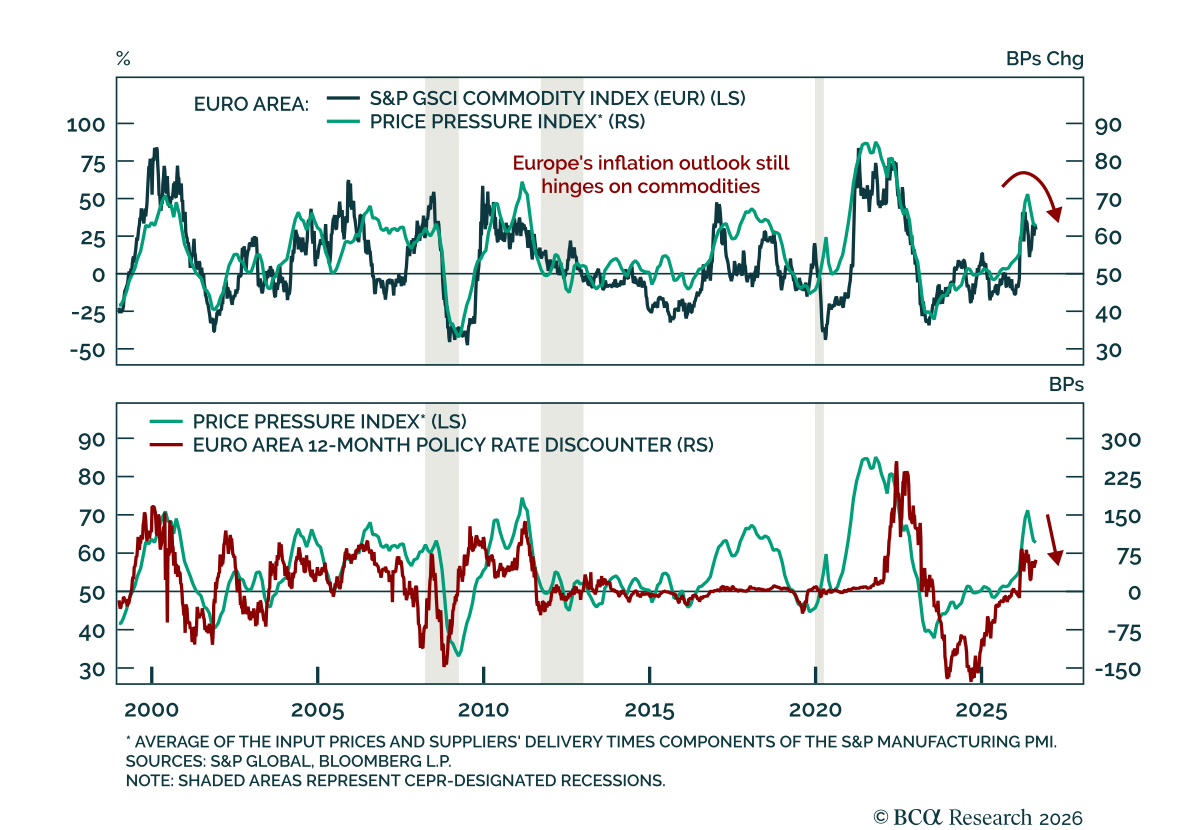
German inflation was cooler than expected in August, with little evidence that the energy shock is generating broader second-round effects. CPI rose 0.2% m/m, down from 0.8% in July, while annual inflation edged up to 2.9% from 2.8%. The headline acceleration…
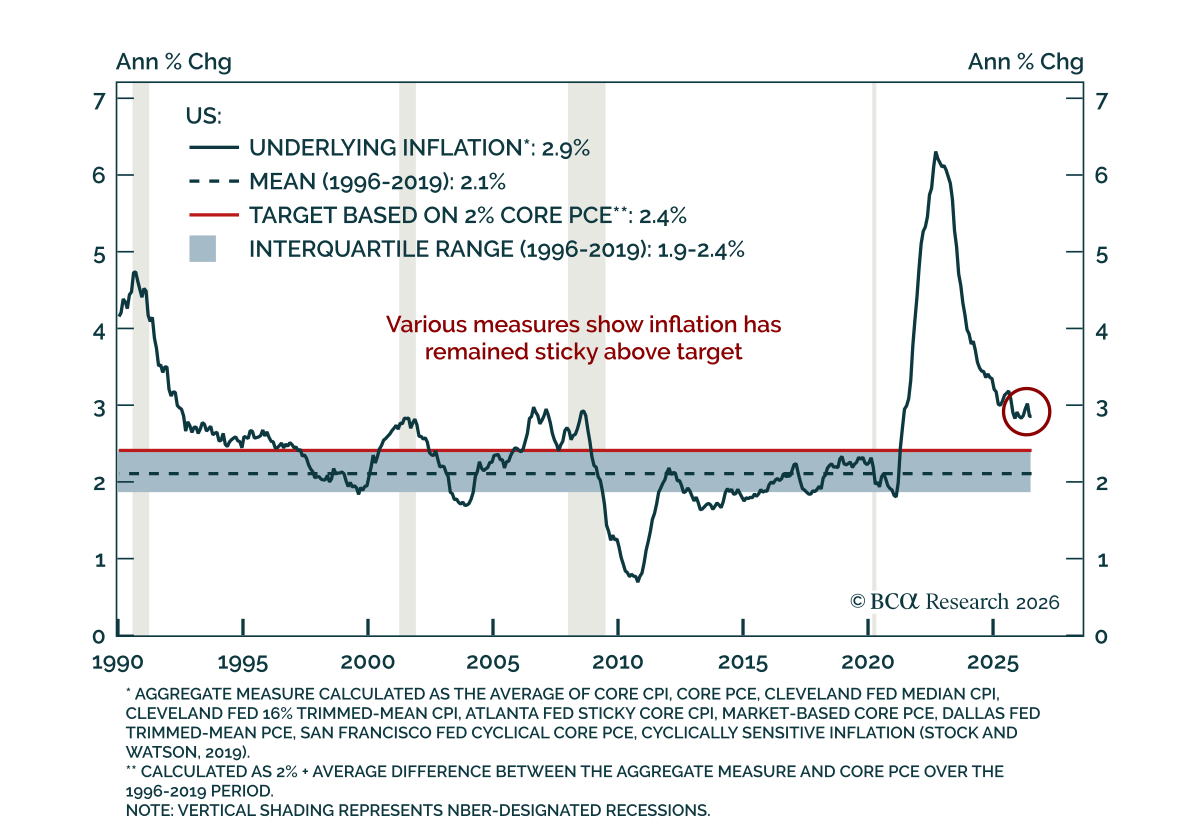
Underlying US inflation remains sticky, with a broad composite measure holding about 0.5 percentage points above the level consistent with the Fed’s price stability target. Those who claim that inflation has been somewhat sticky as of late are not imagining…
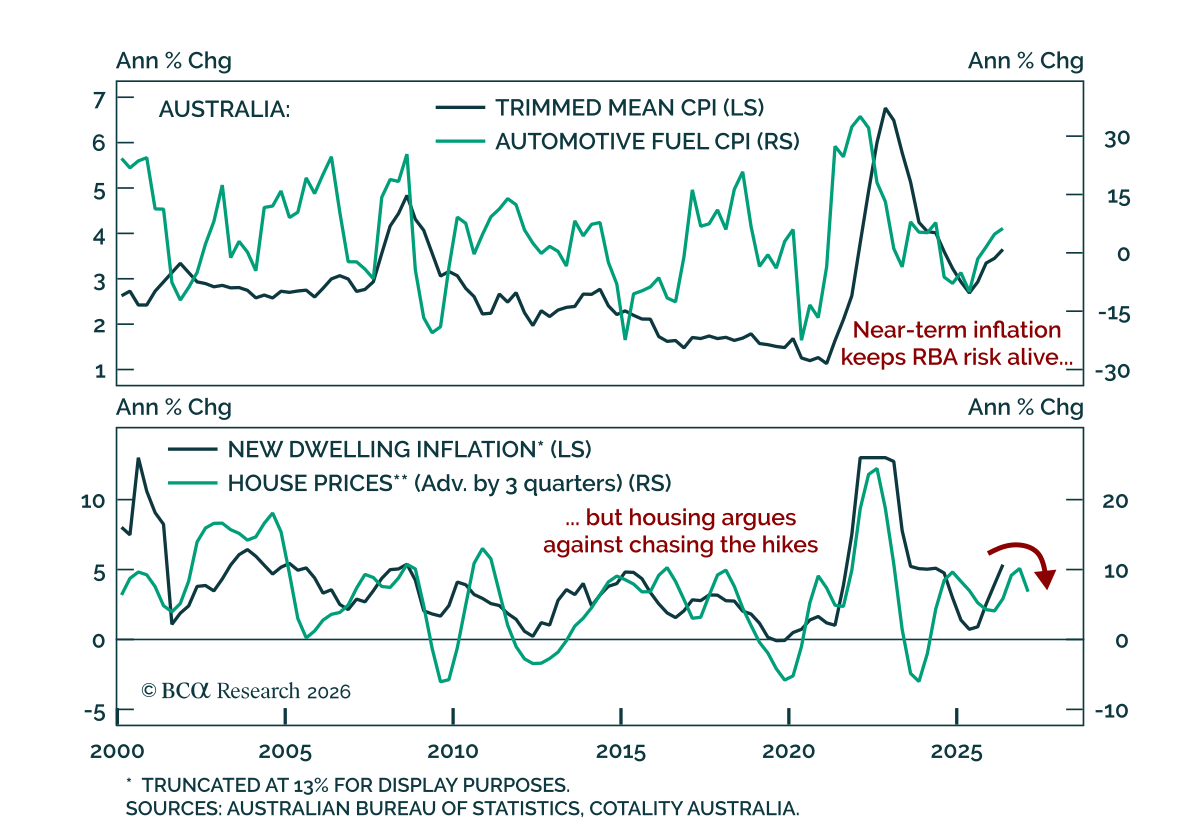
Australia’s latest inflation beat will keep RBA tightening risk alive, but the forces shaping inflation over the next year are becoming more disinflationary. Headline CPI eased to 3.5% y/y in July from 3.8%, but exceeded the 3.3% consensus. While trimmed-mean…
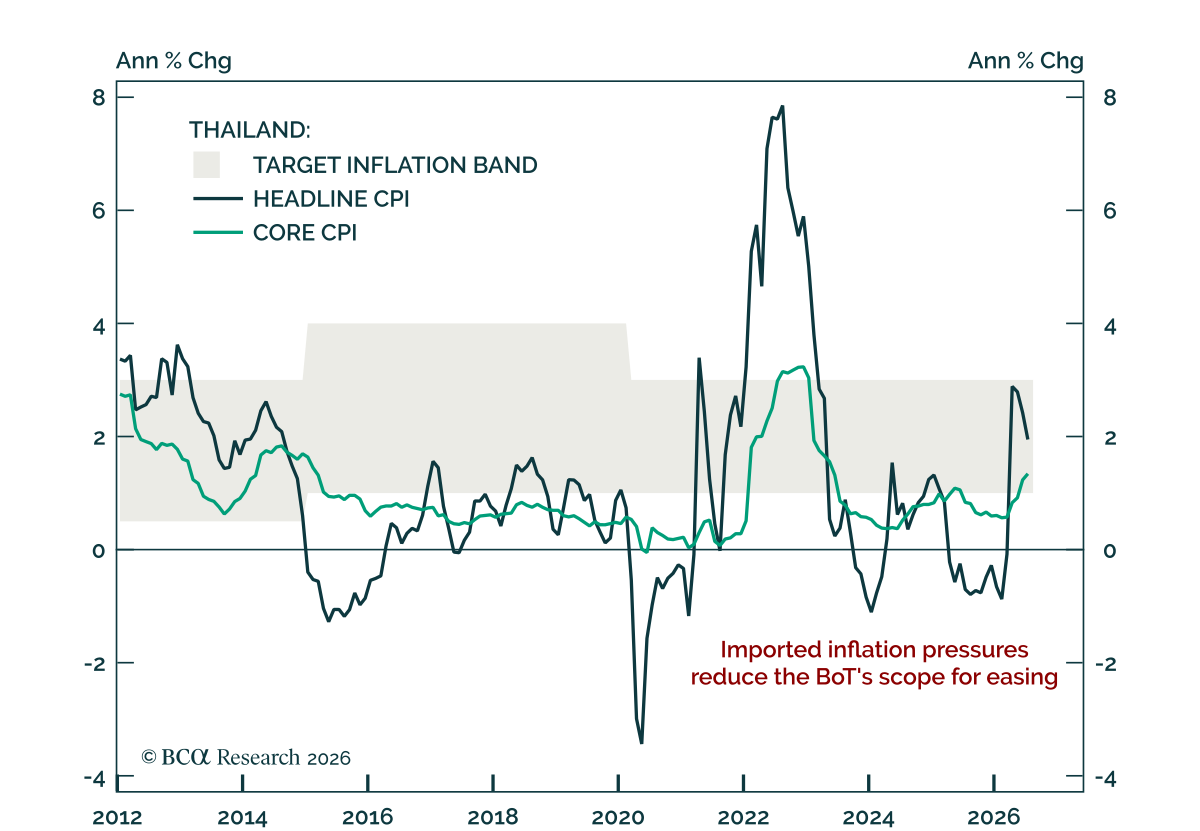
The Bank of Thailand kept its policy rate unchanged at 1%, against a backdrop of weak domestic demand and a still-elevated energy import bill. Although inflation has slowed and domestic demand subdued, the BoT continues to face significant imported inflation…
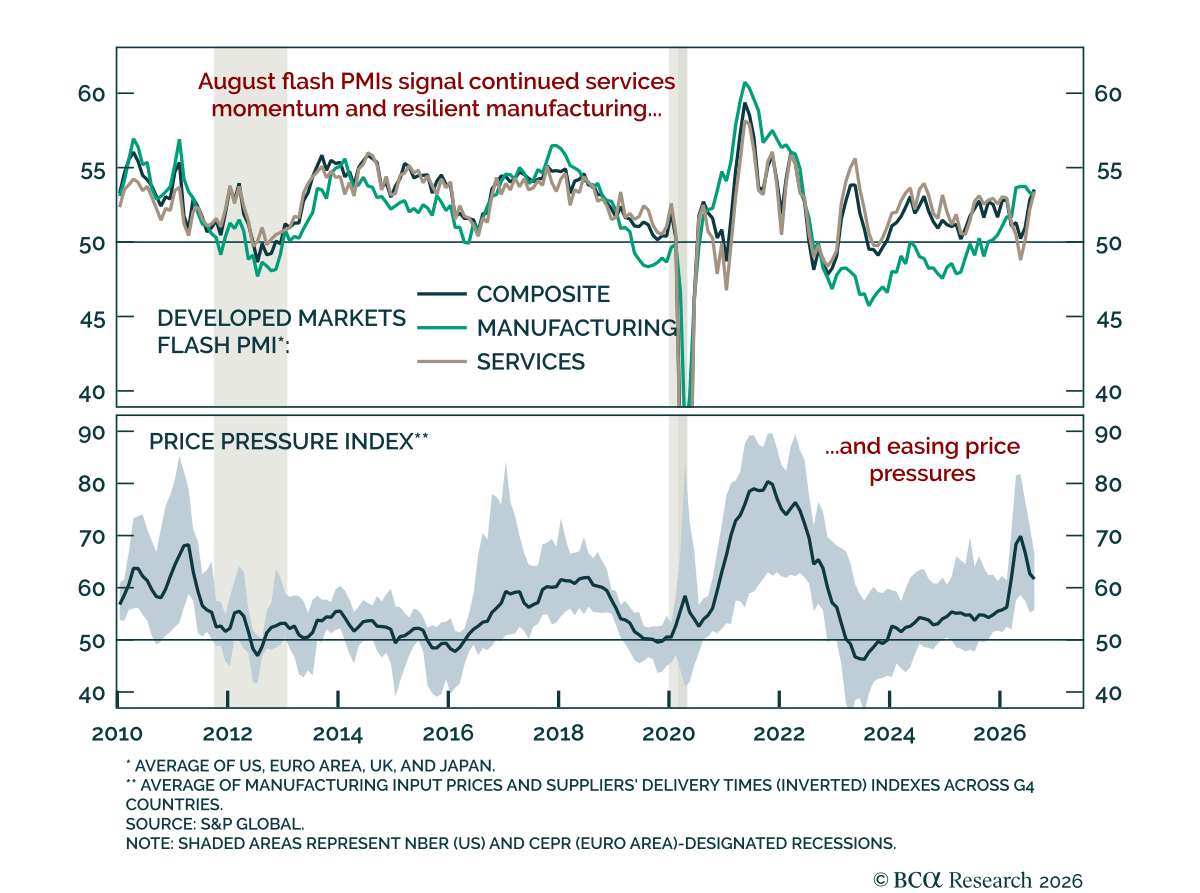
August global flash PMIs showed manufacturing holding up while services activity strengthened further. As discussed during our BCA Live meeting, US manufacturing softened marginally to 53.2 from 53.9, against expectations of a flat reading, but stayed at a…
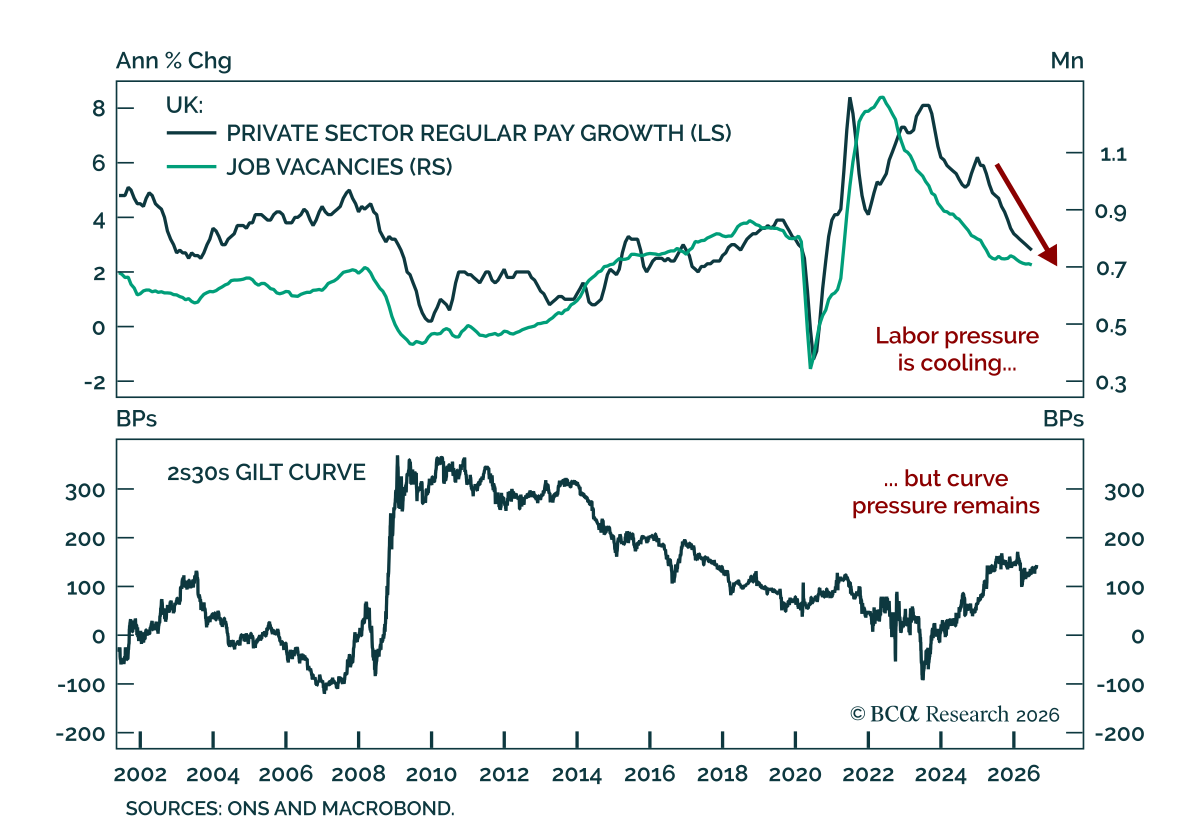
Softer UK labor data argues for a 2s30s gilt steepener, not a broad duration rally. Private-sector wage growth ex. bonuses slowed to 2.8% y/y in the three months to June, the weakest since late 2020, while vacancies fell to 707k, the lowest in more than five…

The war in Iran and the energy shock are driving a reversal of Nordic fortunes: Sweden’s recovery is faltering just as Norway receives a welcome energy windfall. Favor Norwegian over Swedish equities and buy NOK/SEK. In rates, fade aggressive Riksbank hike expectations and downgrade Norwegian government bonds to neutral.
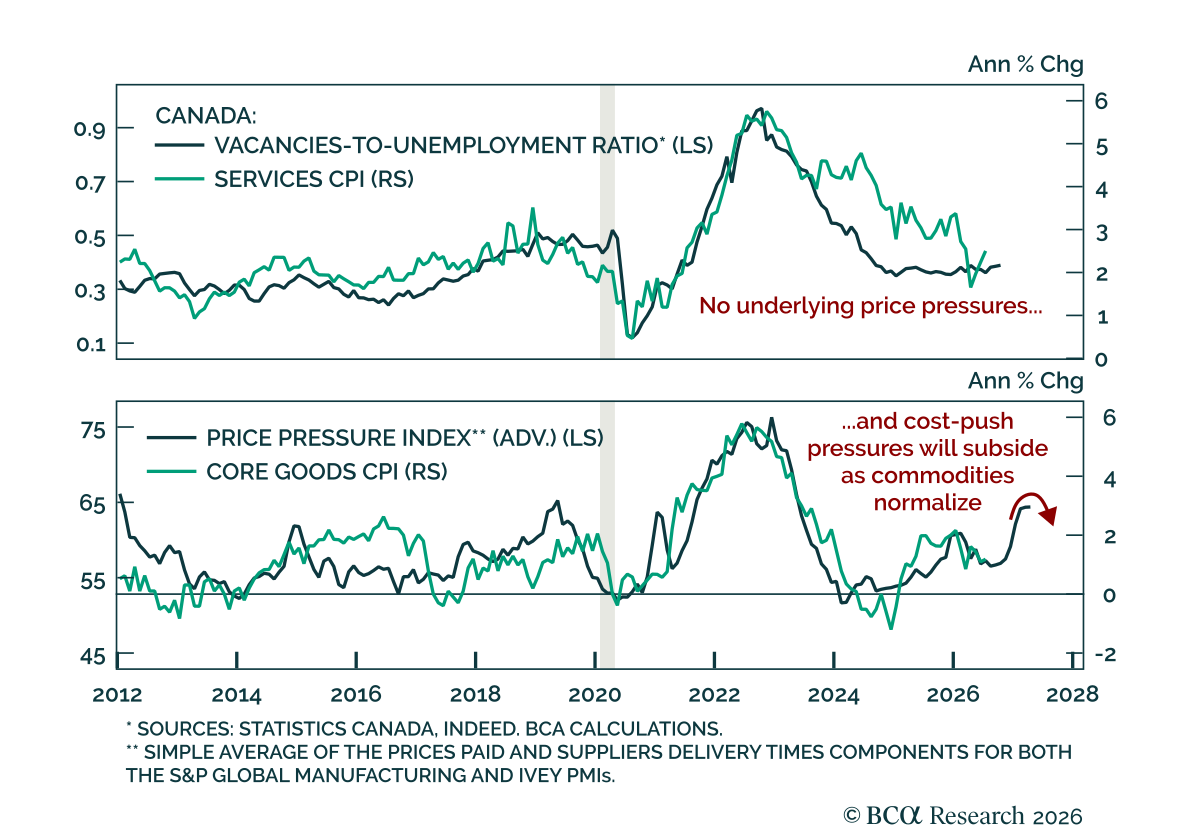
Canada’s hotter July CPI print was driven by energy, while underlying inflation pressures remain contained. Headline inflation rose to 3.0% y/y from 2.8%, reaching the top of the BoC’s 1%-to-3% band. Core inflation also edged up to 1.9%, while the BoC’s…
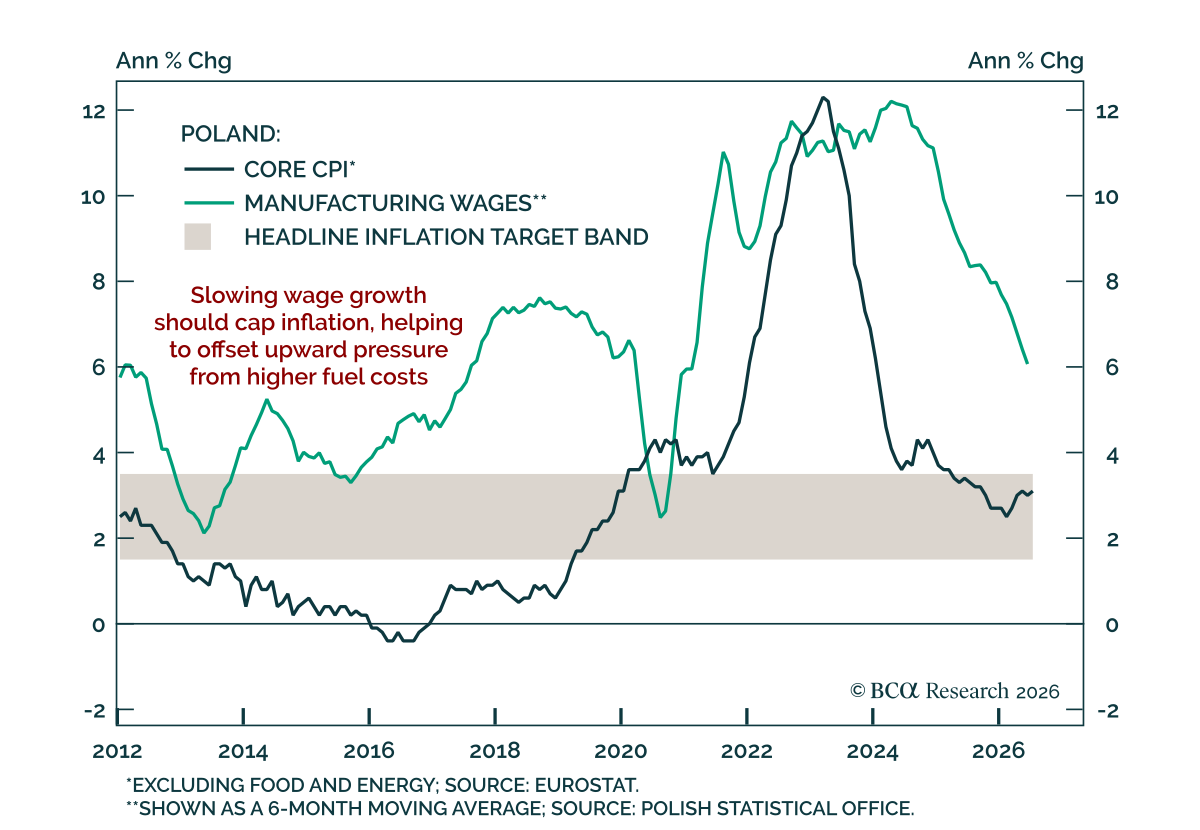
Polish core inflation remains contained, even as higher fuel costs continue to feed into underlying price pressures. Headline July inflation was in line with consensus at 3.0% y/y, while core printed at 3.1%. With the external inflation backdrop still…