Inflation
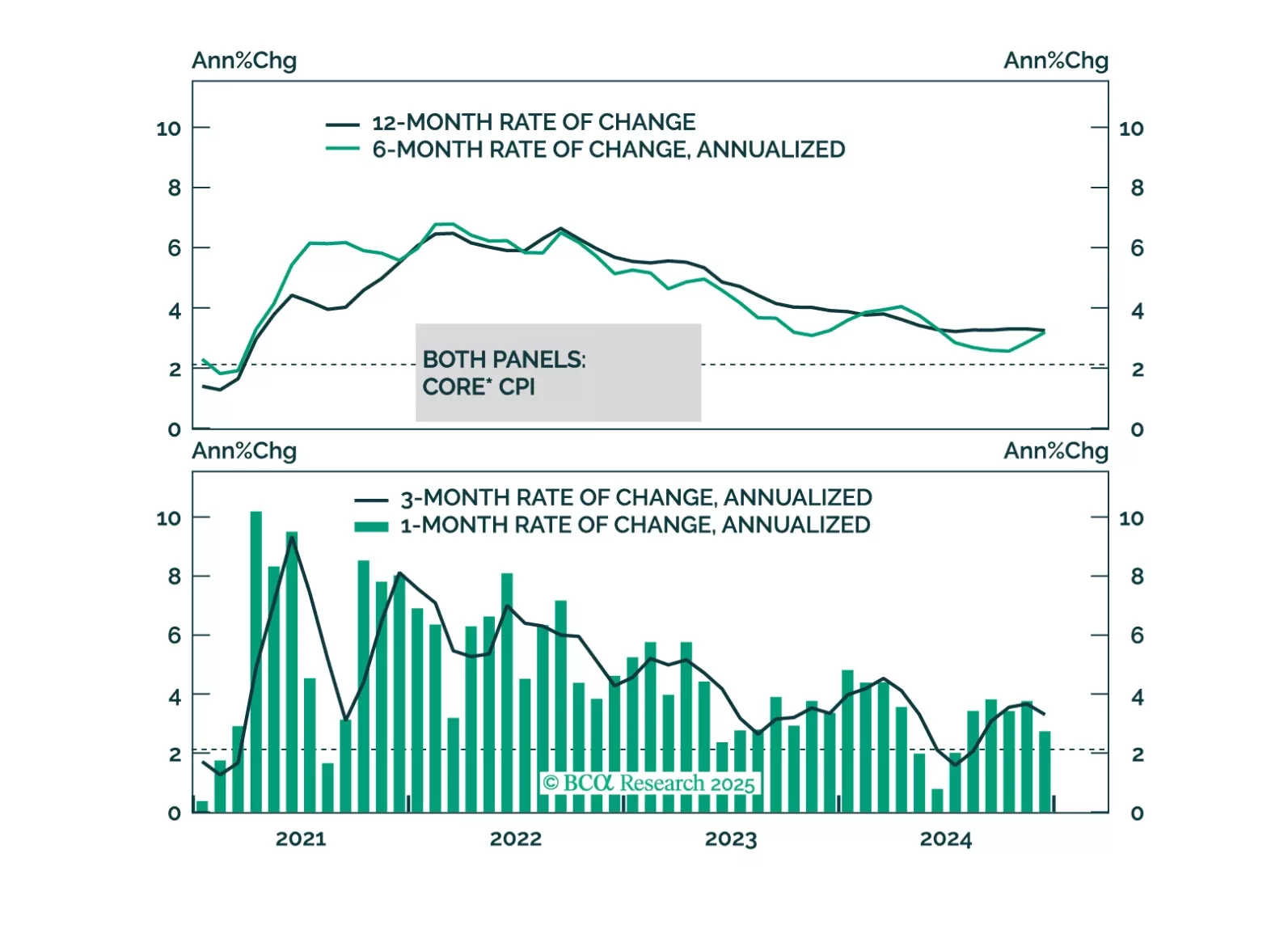
Our thoughts on this morning’s CPI release and some upside risks to inflation that could flare up in the months ahead.
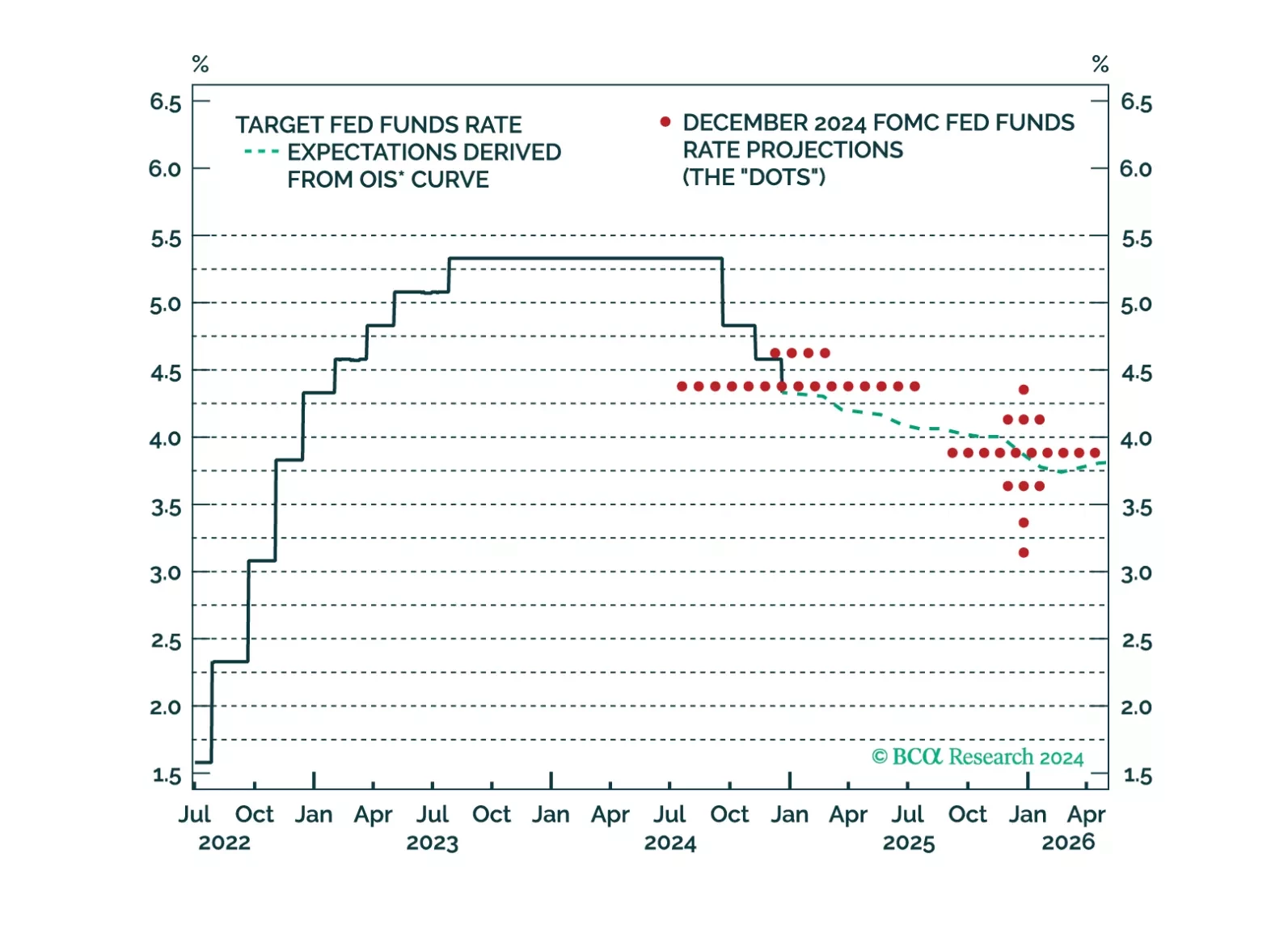
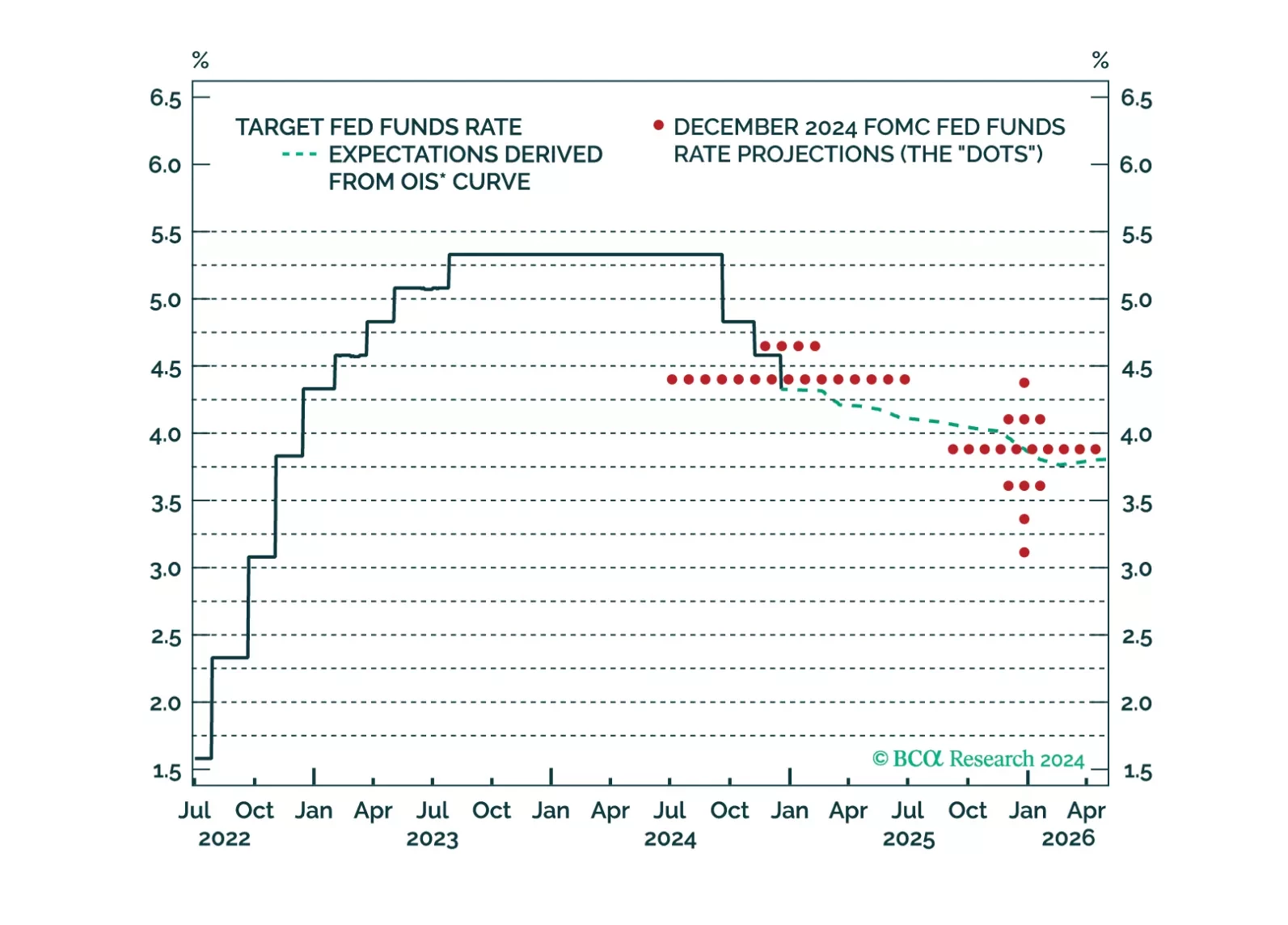
Our outlook for Fed policy in 2025 discusses our expectations for interest rates, the Fed’s balance sheet and the 2025 strategic review.
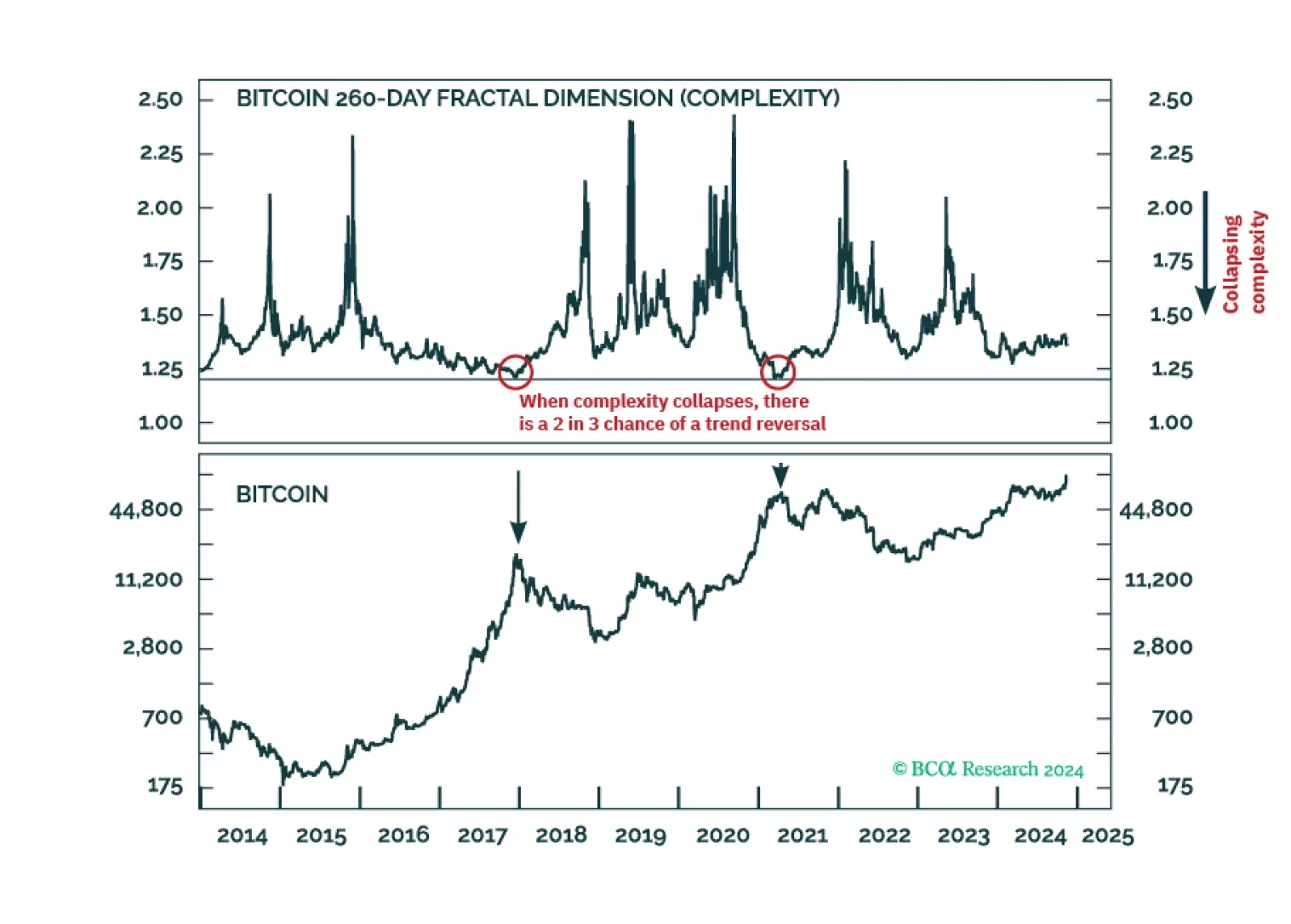
The value of both gold and bitcoin comes from the collective belief that they are the non-confiscatable assets to own in a fiat monetary system, as an insurance against hyperinflation, banking system failure, or state expropriation. As global wealth rises, the value of both gold and bitcoin will also rise. But as bitcoin takes market share from gold, bitcoin has considerably more upside than gold, with an ultimate destination of $200,000+. Plus: 10-year T-bonds and Portuguese stocks are tactically oversold.
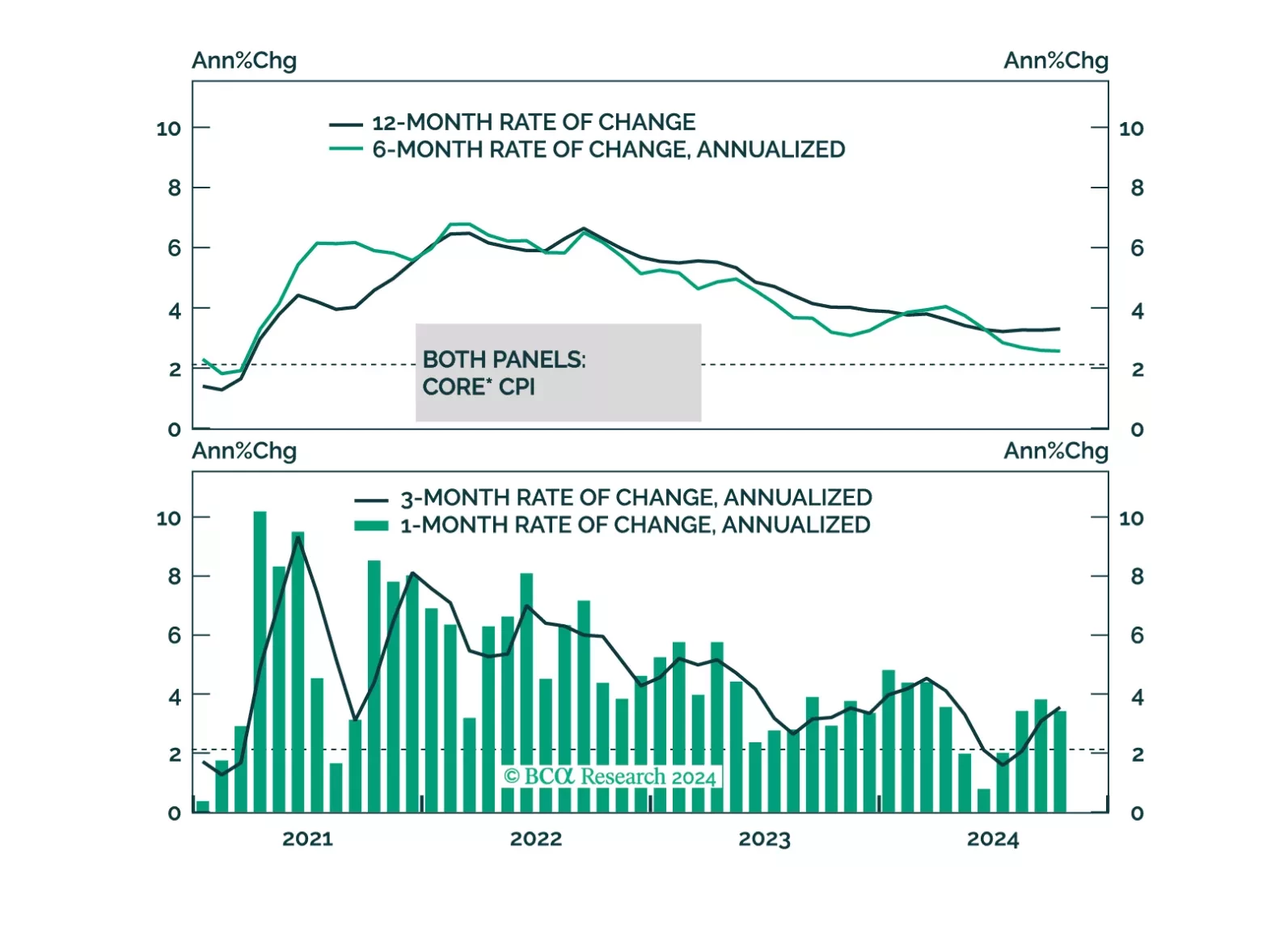
We update our inflation forecast following this morning’s CPI release, concluding that TIPS breakeven inflation rates have room to fall.
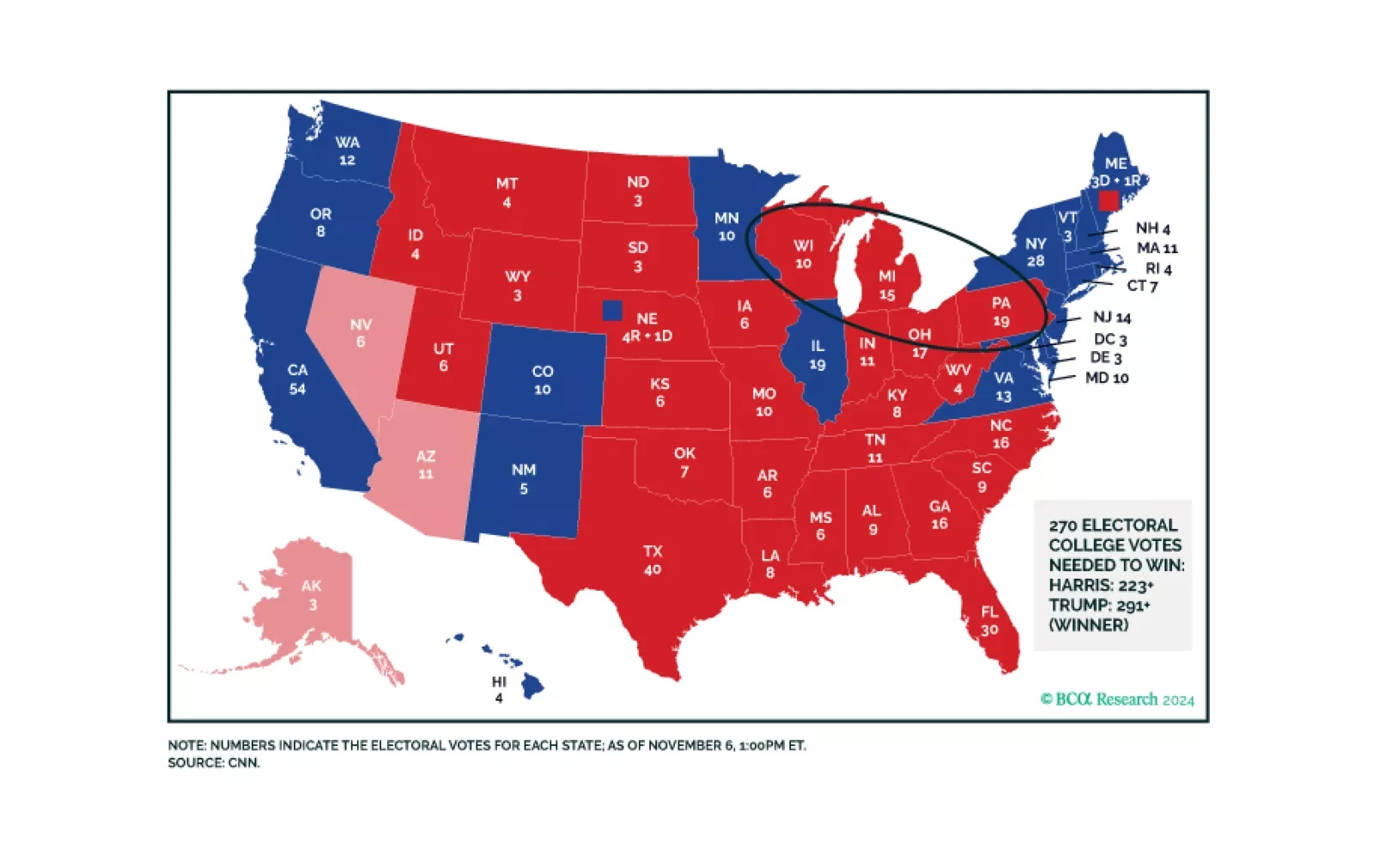
Trump’s resounding victory brings a popular mandate that ensures deregulation and higher trade tariffs. Higher budget deficit and immigration reform are also in the cards as the Republicans look like they may squeak a thin margin in the House of Representatives. Foreign policy will become more unilateral, with US assets outperforming initially.
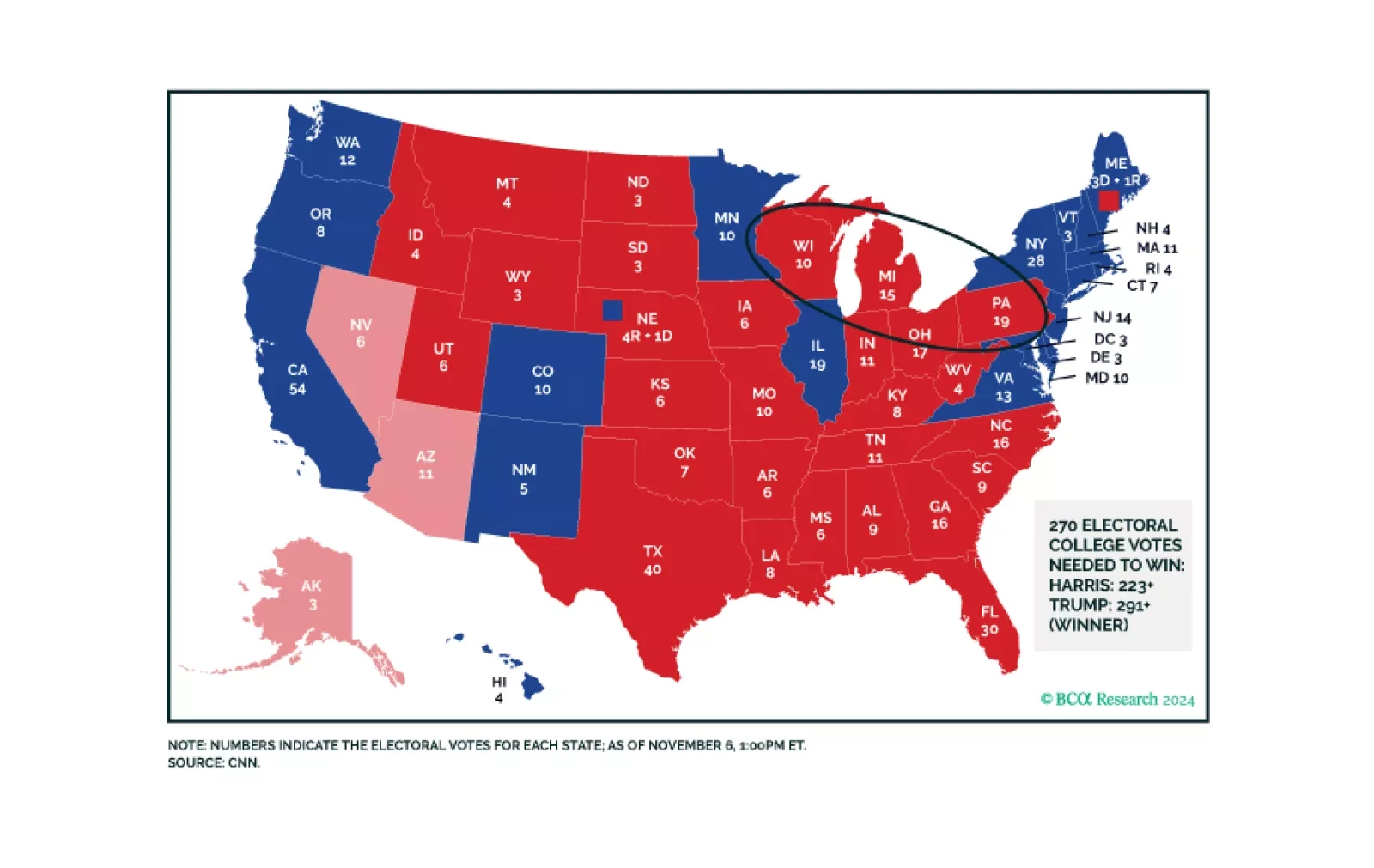
Trump’s resounding victory brings a popular mandate that ensures deregulation and higher trade tariffs. Higher budget deficit and immigration reform are also in the cards as the Republicans look like they may squeak a thin margin in the House of Representatives. Foreign policy will become more unilateral, with US assets outperforming initially.
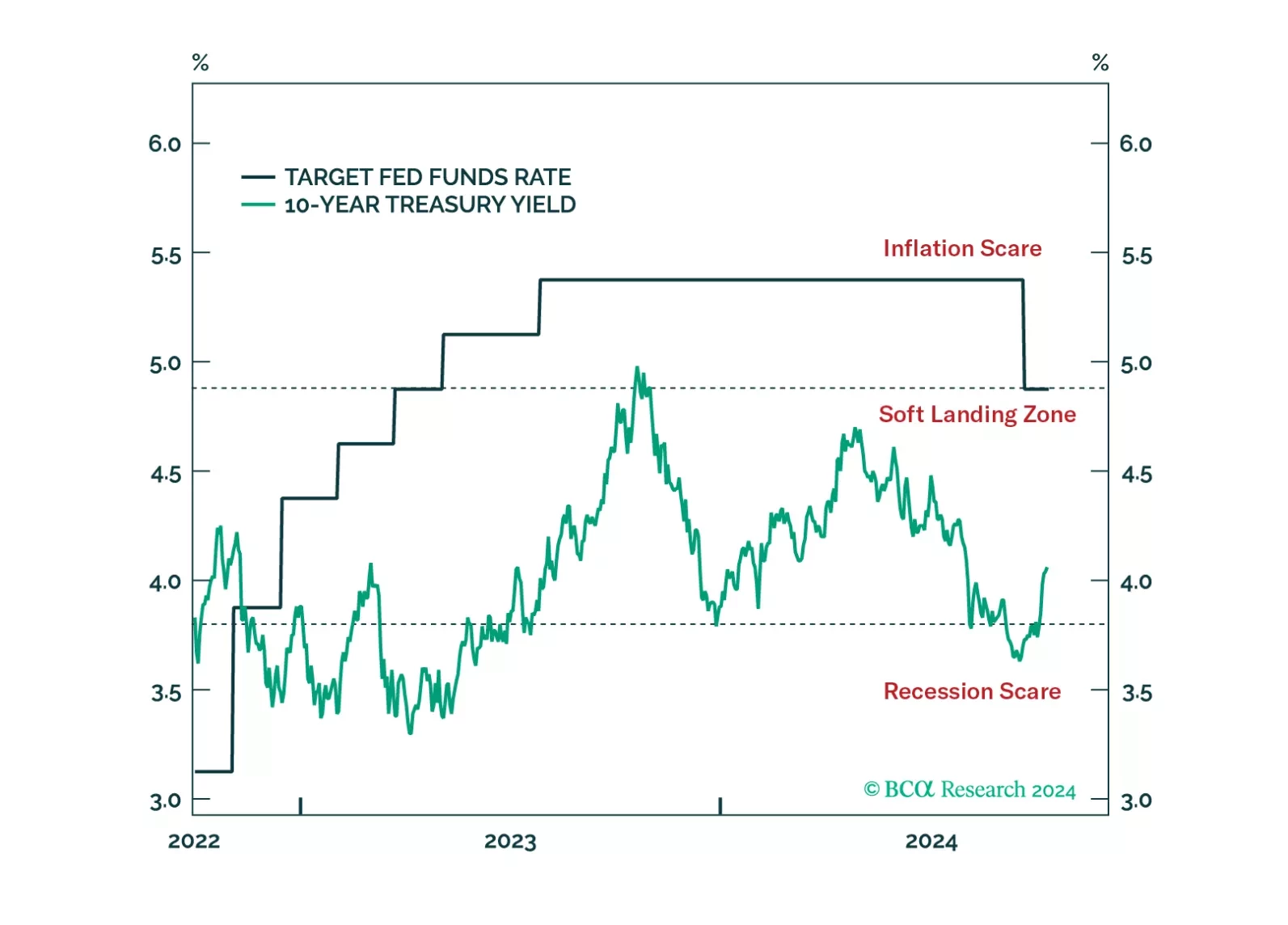
We give our thoughts on this morning’s CPI release and (lack of) market reaction. We also close our short position in January 2025 fed funds futures.
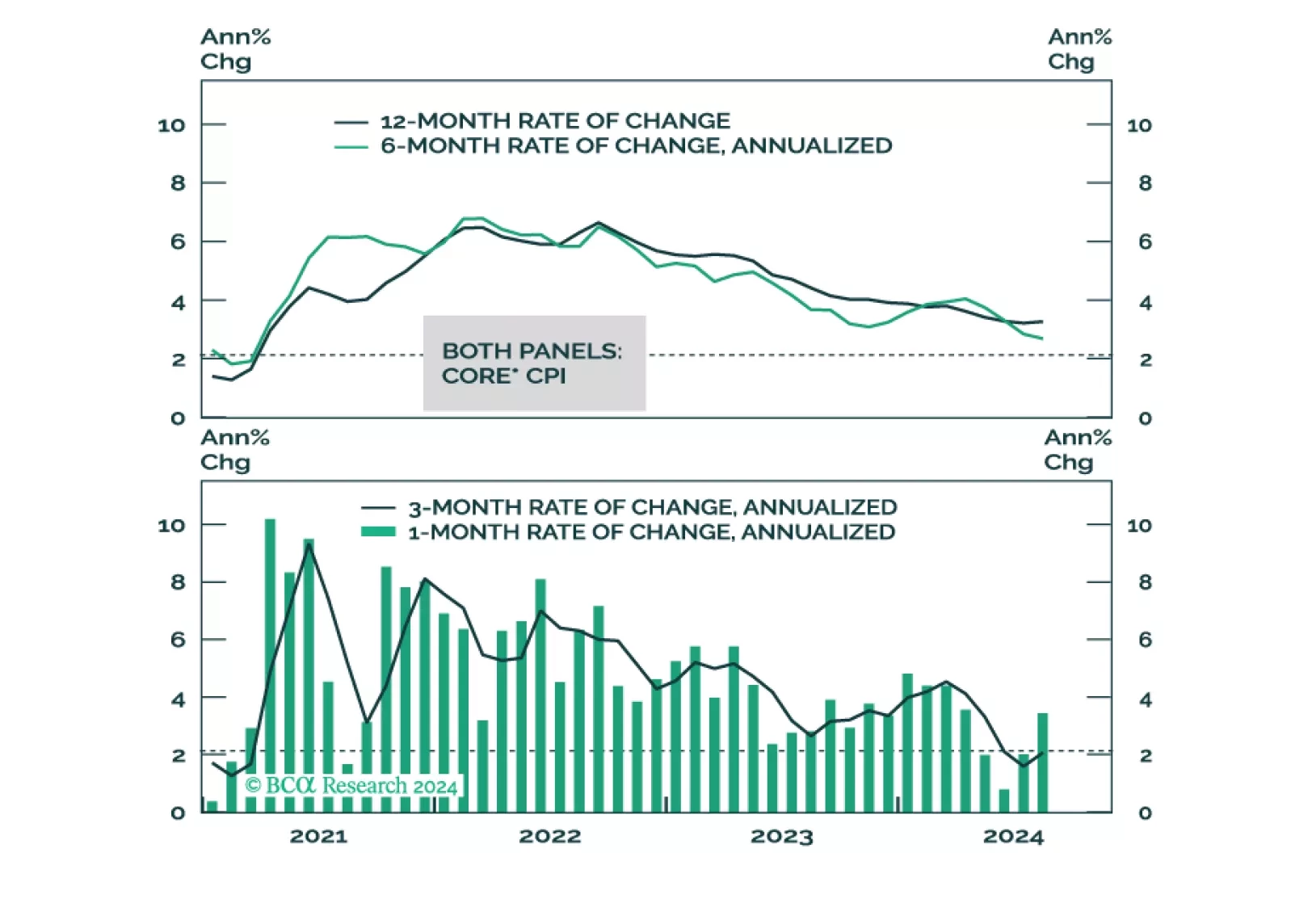
Our reaction to this morning’s CPI report and what it means for Fed policy.
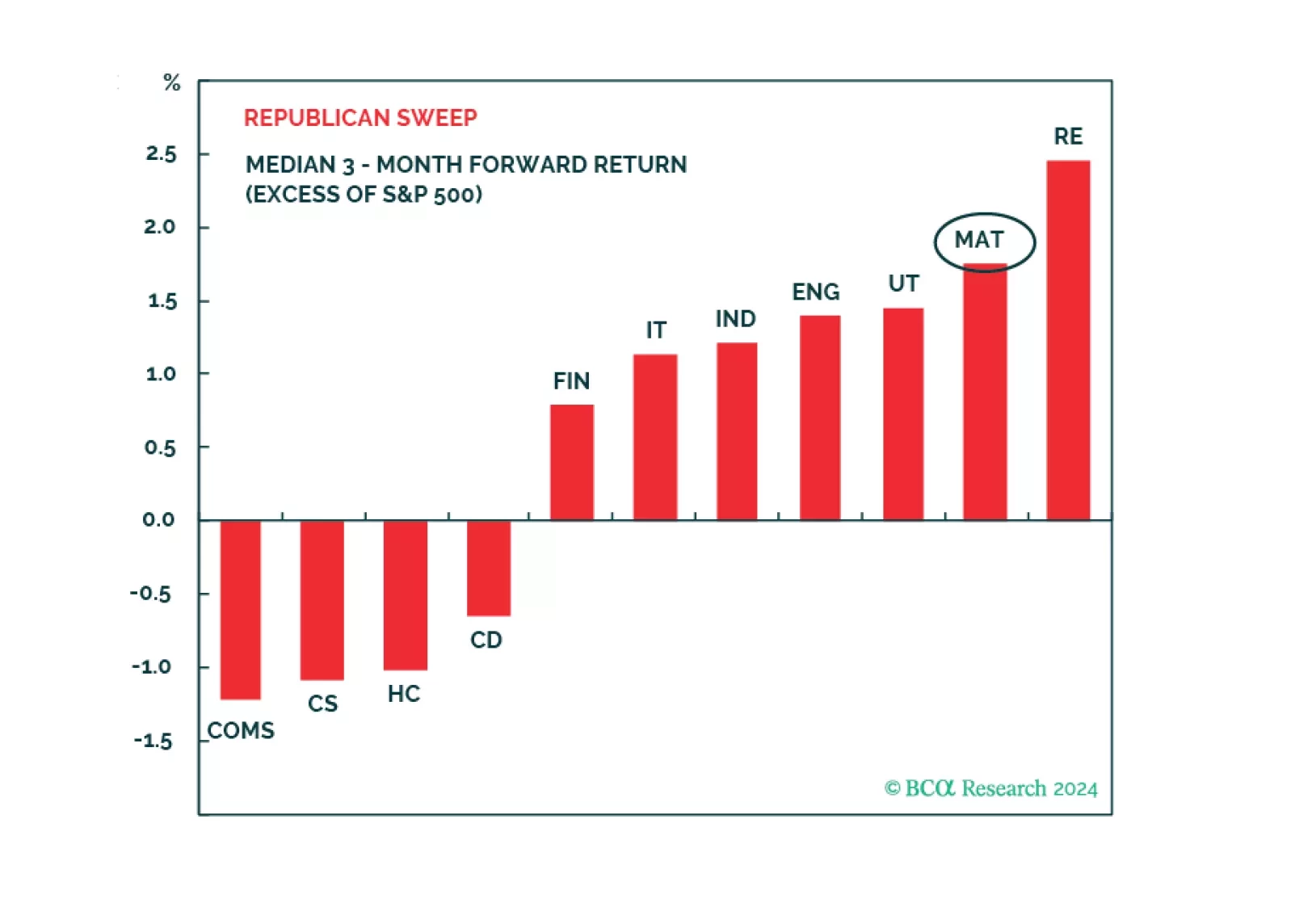
Favor Health Care and Utilities for defensive positioning amid economic slowdown and volatility as the presidential election approaches. A Republican Sweep favors Real Estate and Materials, while the second most likely outcome, Democrat gridlock, favors Health Care, and Information Technology.