Inflation
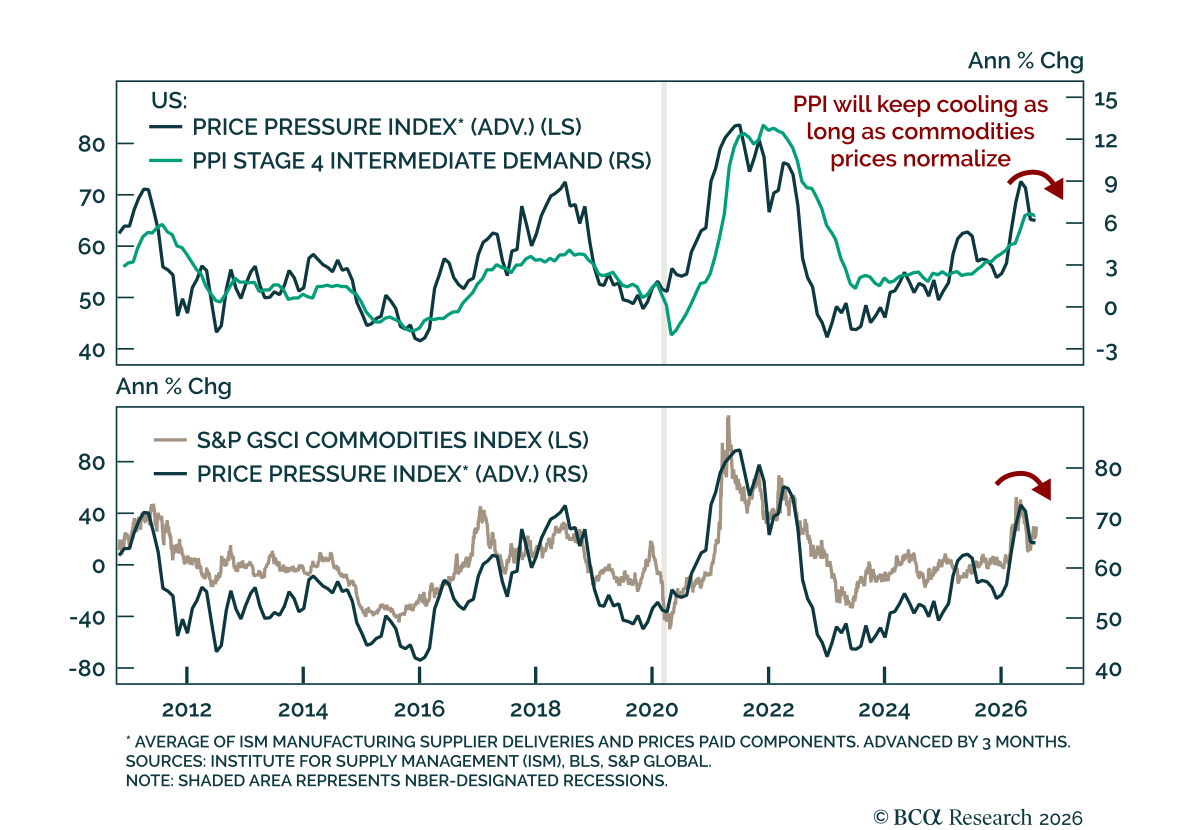
The July PPI report reinforced the view that inflation pressures are easing, giving the Fed more room to stay on hold. Headline PPI was flat on the month, bringing the annual rate down to 4.7% y/y from 5.5%. The core measure, which excludes food, energy, and…
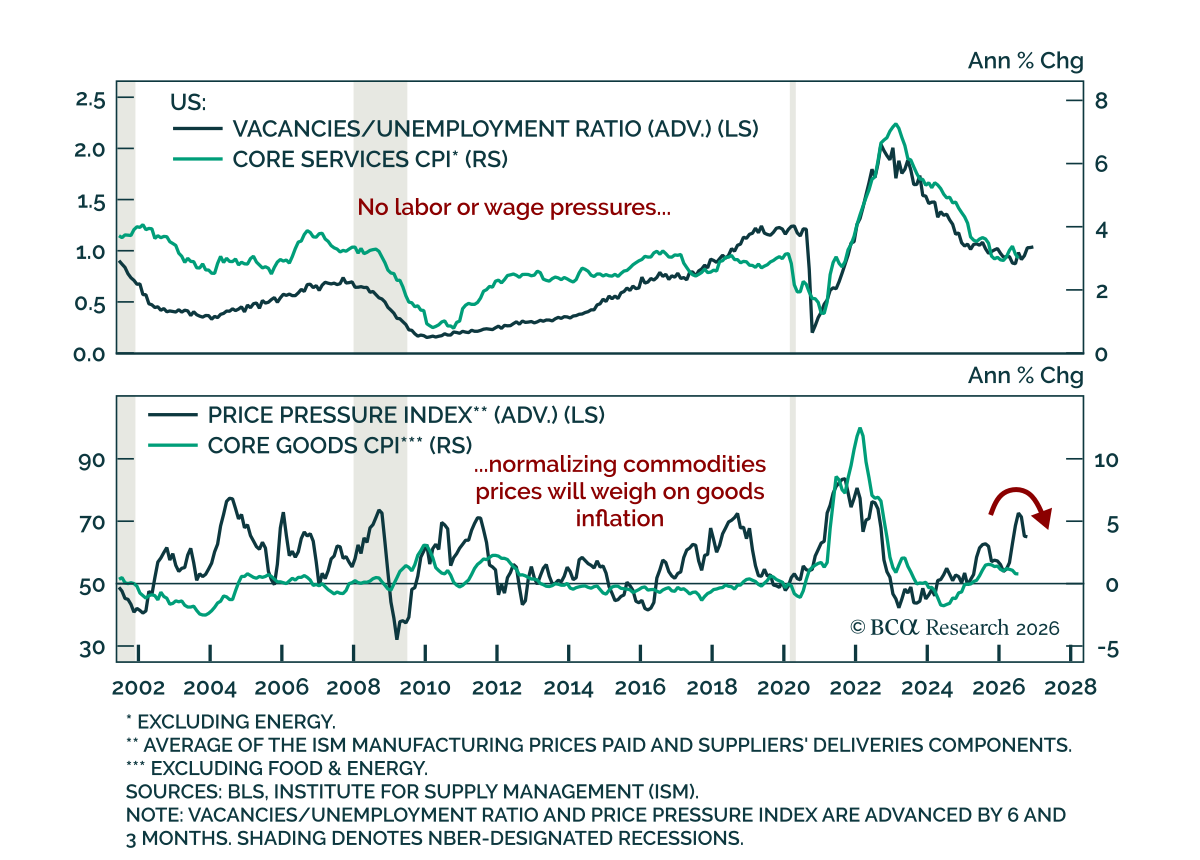
The July CPI report was reassuring and helps build the case for the Fed to hold in September. Headline CPI met estimates, rising 0.1% m/m after a 0.4% decline in June, while annual inflation eased to 3.4% from 3.5%. Core also met estimates at 0.2% m/m, with…
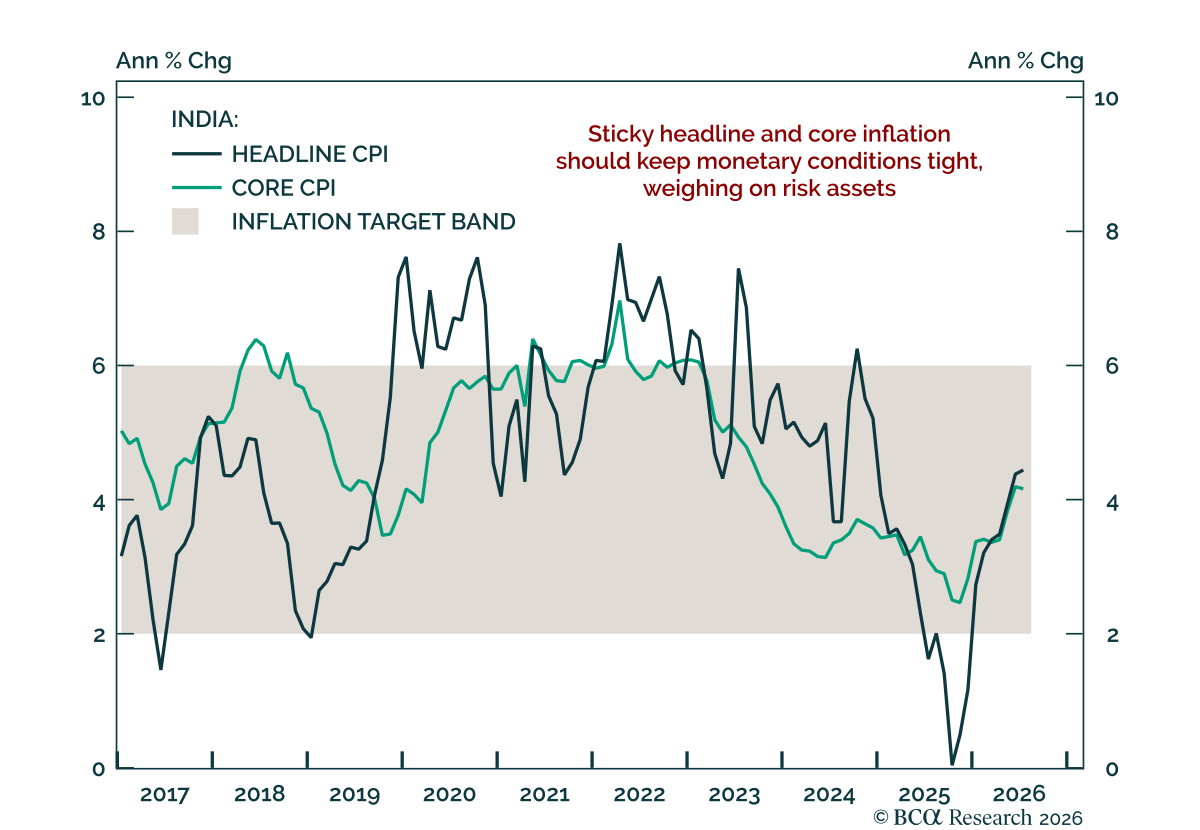
Indian headline CPI stayed around 4.4% in July, keeping inflation above the 4% target but still within the RBI’s tolerance band. Food and fuel prices continue to account for much of the inflationary pressure, though core inflation also remains elevated. Given…
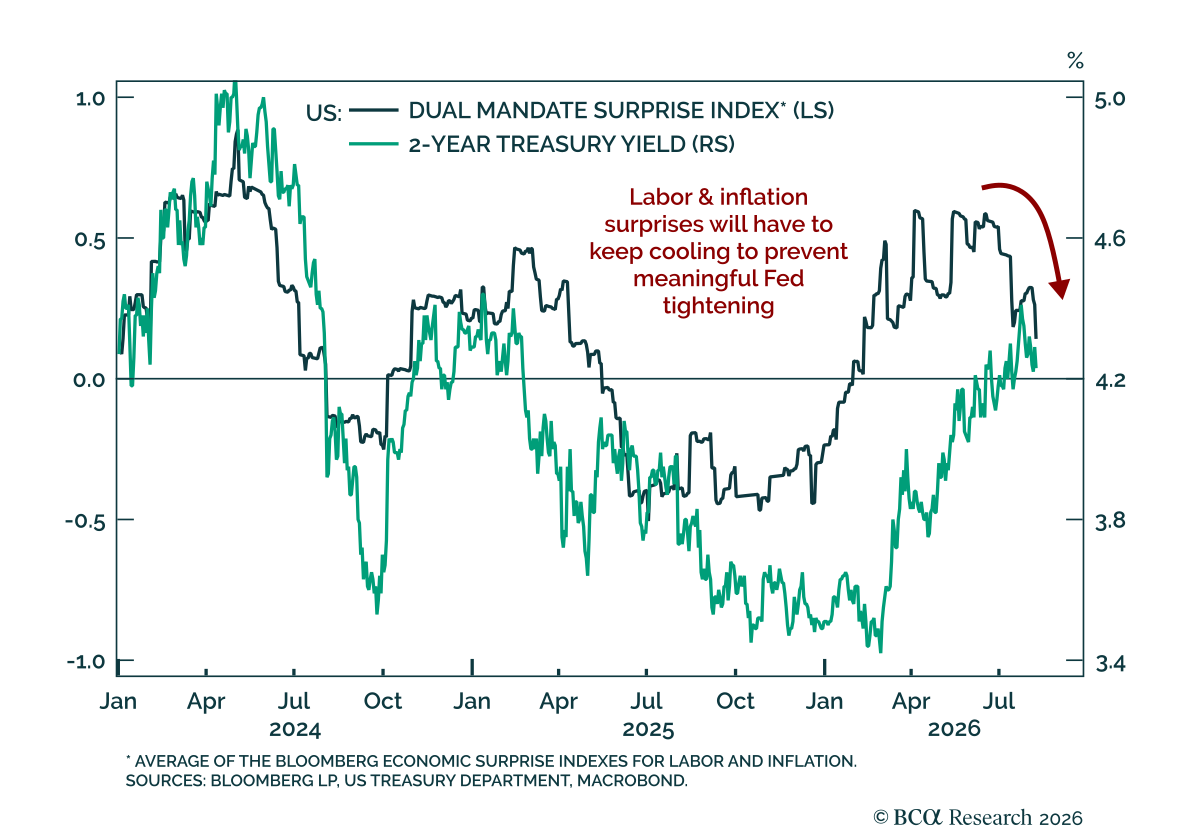
With the July employment report below estimates, key data monitored by the Fed continue to roll over, and will need to keep doing so to prevent material tightening. Our Dual Mandate Surprise Index, which combines employment and inflation surprises and usually…
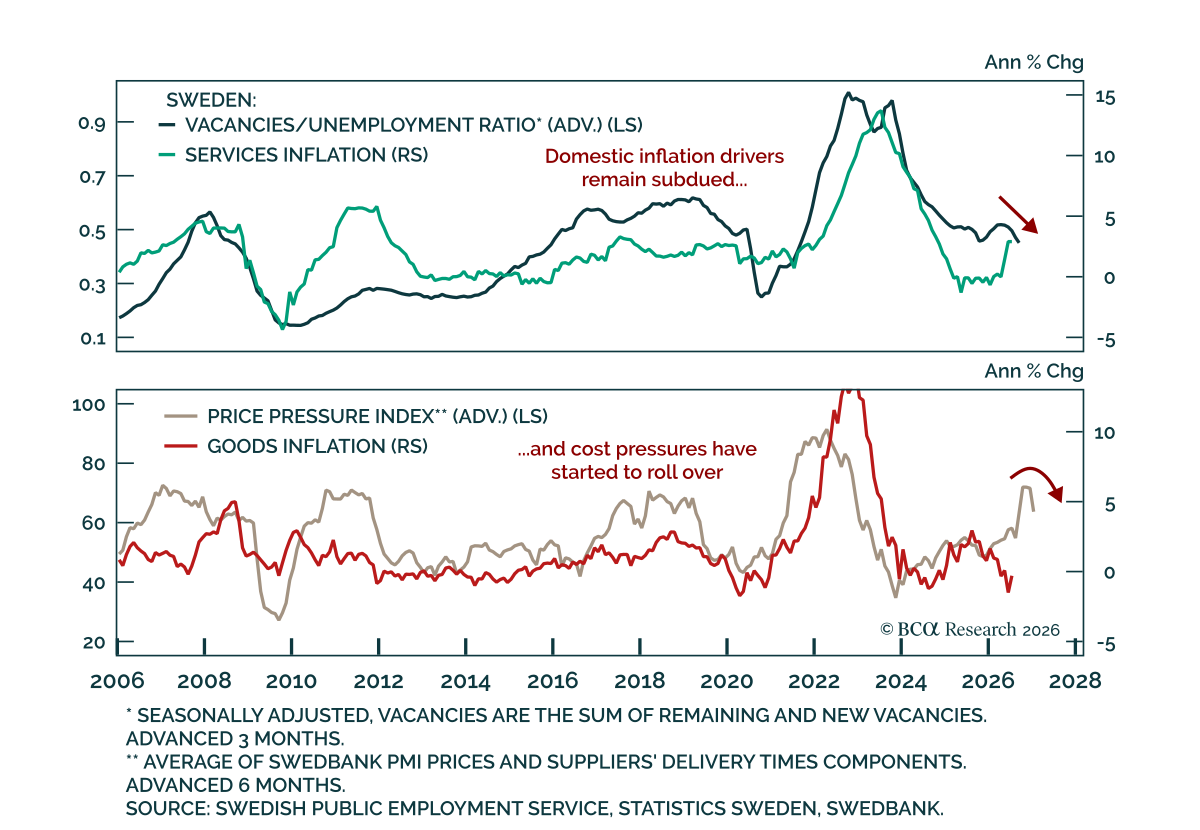
July's upside surprise in Swedish core inflation should not derail an on-hold Riksbank. Headline CPIF eased to 0.7% y/y (-0.3% m/m), broadly in line with estimates. CPIF excluding energy accelerated to 0.6% y/y (0.4% m/m), above both economists’ estimates and…
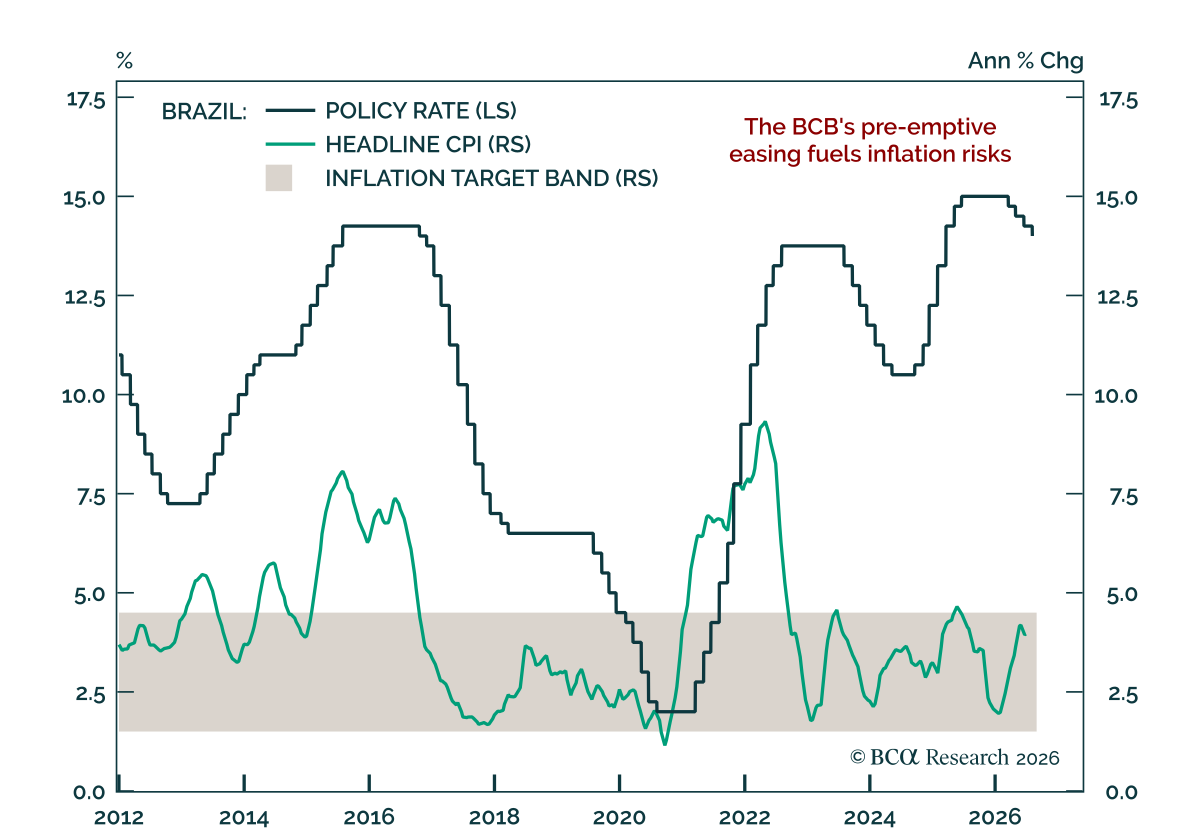
Brazil’s central bank cut rates for a fourth consecutive meeting, but inflation risks persist. The move followed a softer-than-expected inflation print, and policymakers signaled that more cuts are likely. Our EM strategists have argued that both policymakers…
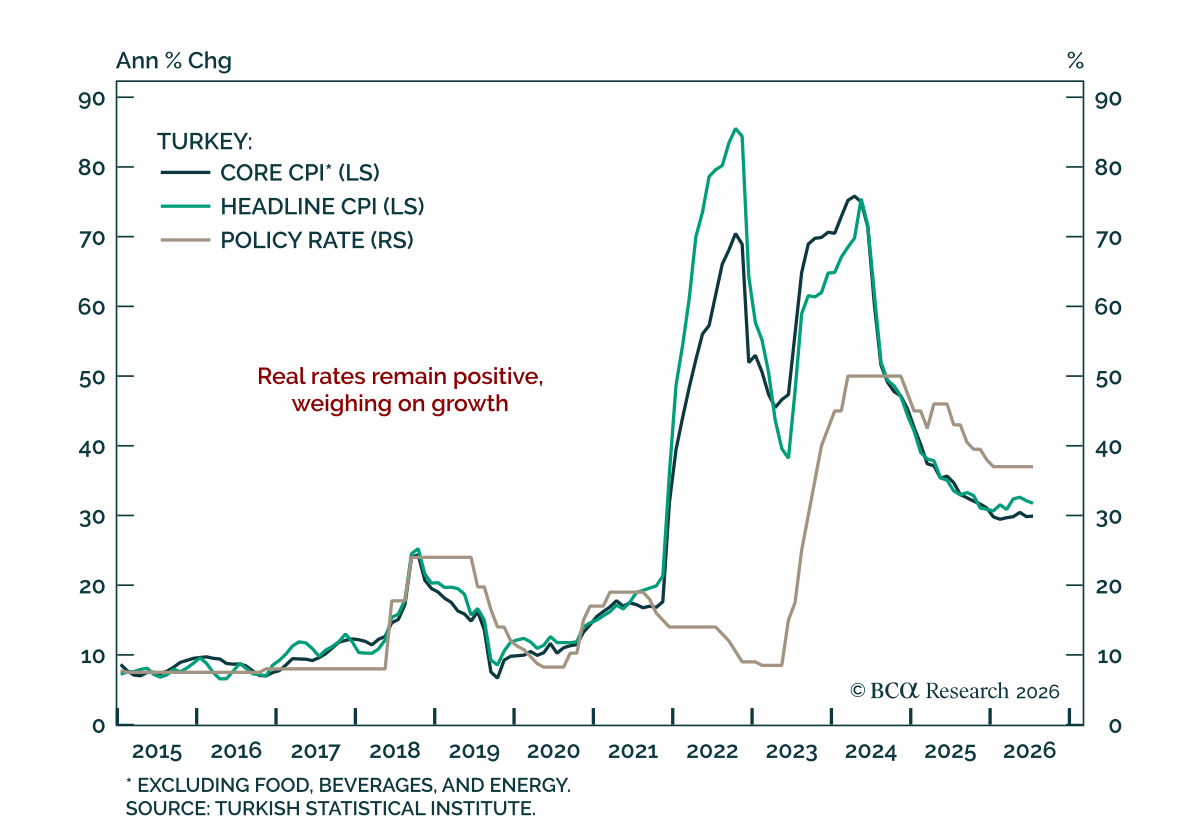
Turkey’s disinflation is continuing as tight financial conditions weaken domestic demand, supporting an overweight in local-currency bonds. July CPI eased marginally to 31.8% y/y from 32.1% in June. Elevated policy and lending rates have restrained credit…
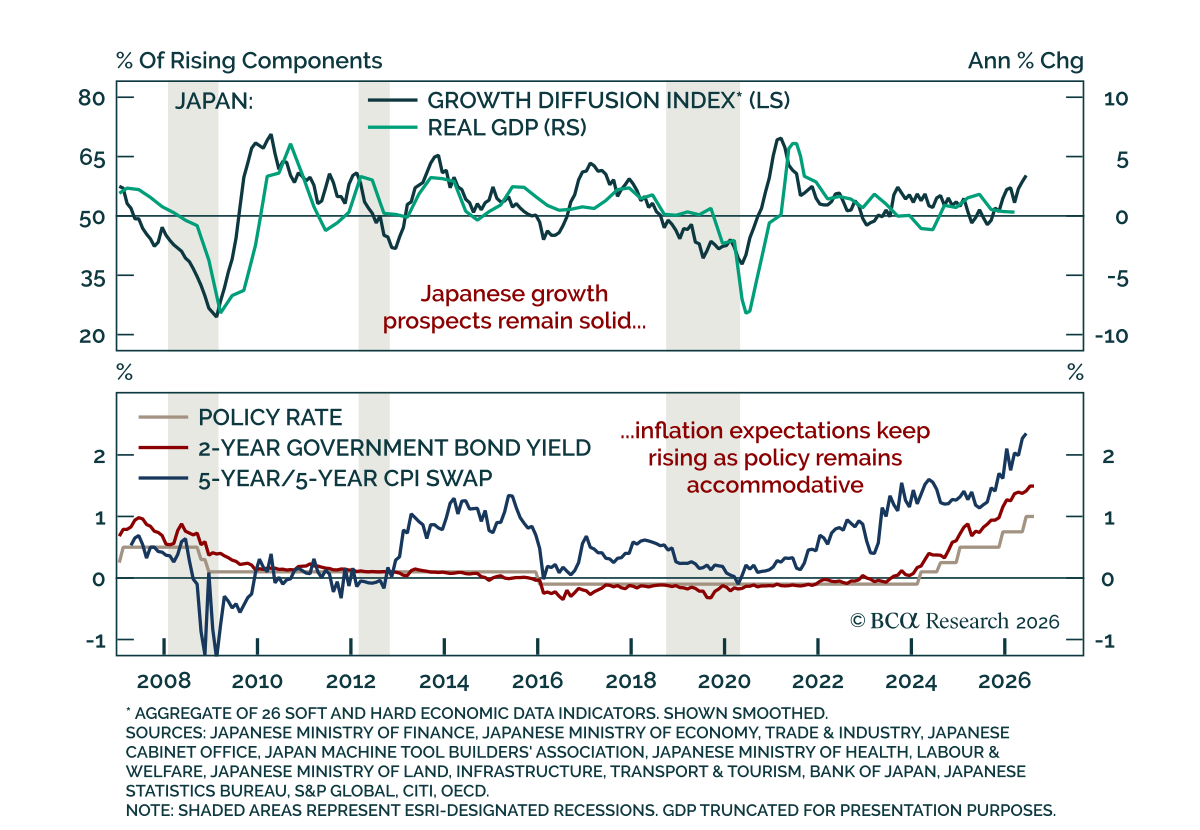
The BoJ signaled further hikes, but not the more aggressive tightening needed to stabilize the JPY. The Bank of Japan held rates at 1% as expected in an 8-1 decision, with board member Takata dissenting in favor of a 25 bps hike. The BoJ acknowledged more…
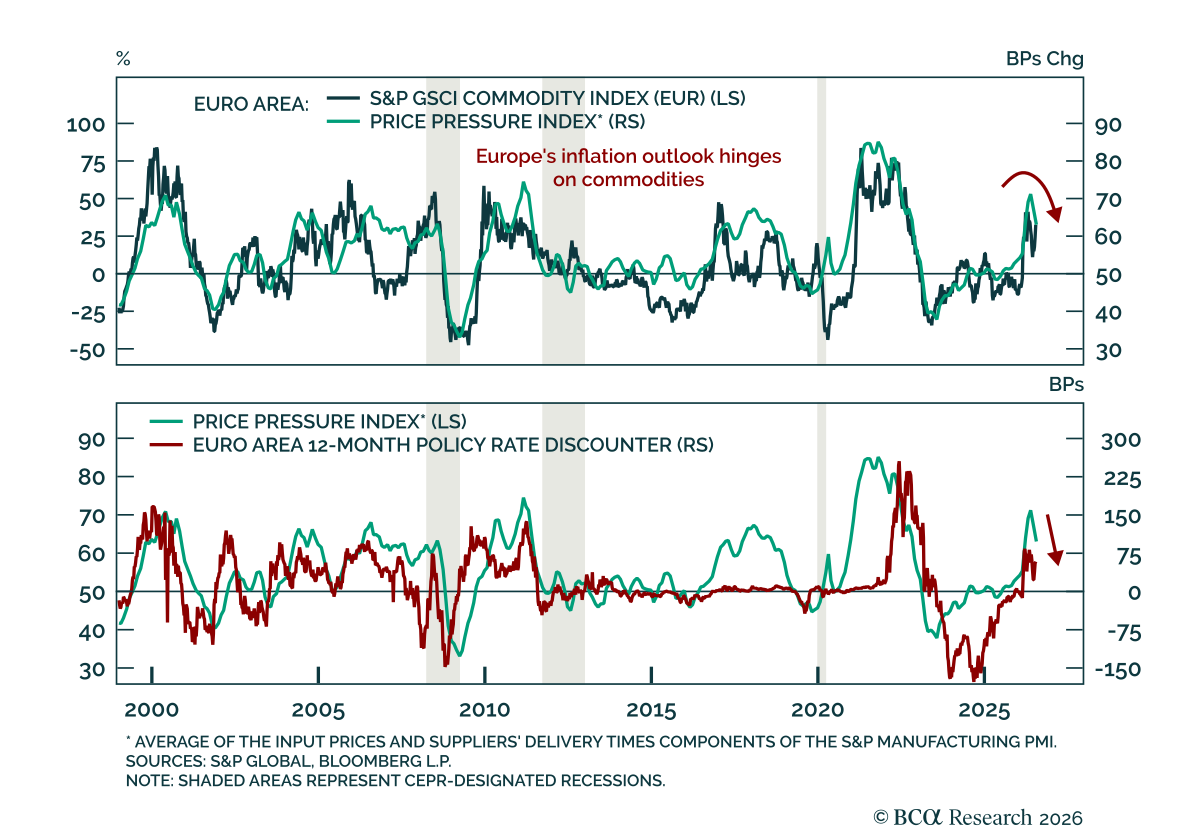
Euro area inflation accelerated in July, but it is too early to conclude that energy pressures are spreading across the broader price basket. Headline HICP rose to 2.9% y/y from 2.8% in June, while core inflation increased to 2.5% from 2.4%. Services…
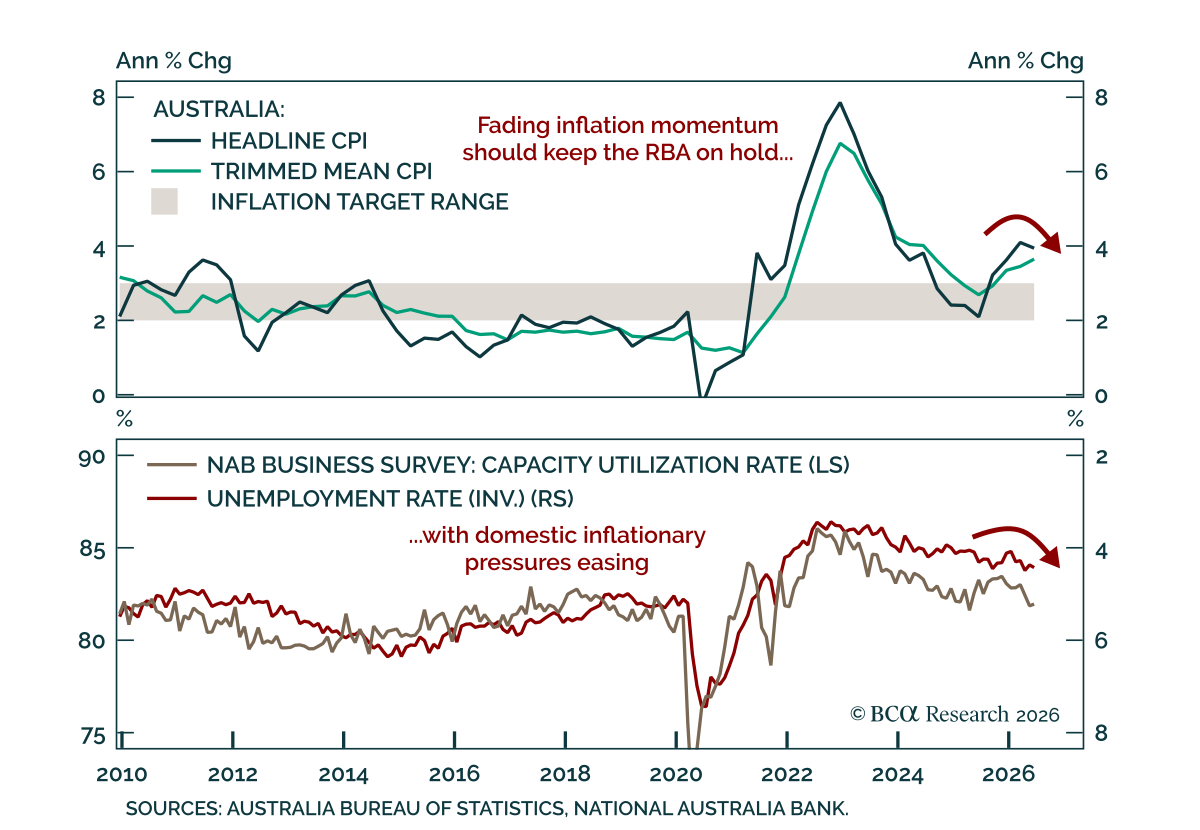
Australia's softer-than-expected Q2 inflation report reinforces the case for a RBA hold. While trimmed mean CPI, the RBA's preferred underlying measure, edged up to 3.6% y/y from 3.5%, it undershot consensus and the RBA's own forecast. The quarterly rate held…