Japan

Japanese wage growth fell below expectations in May, expanding by 1.9% y/y versus consensus estimates calling for a 2.1% y/y increase. Although this marks an acceleration from April’s 1.6% y/y, that figure was revised down meaningfully from 2.1% y/y.…
According to BCA Research’s Global Fixed Income Strategy service, while equity markets can drive US dollar crosses from time to time, bond market inflows matter a lot more. Part of the US exceptionalism story can be explained by the fact that: US…
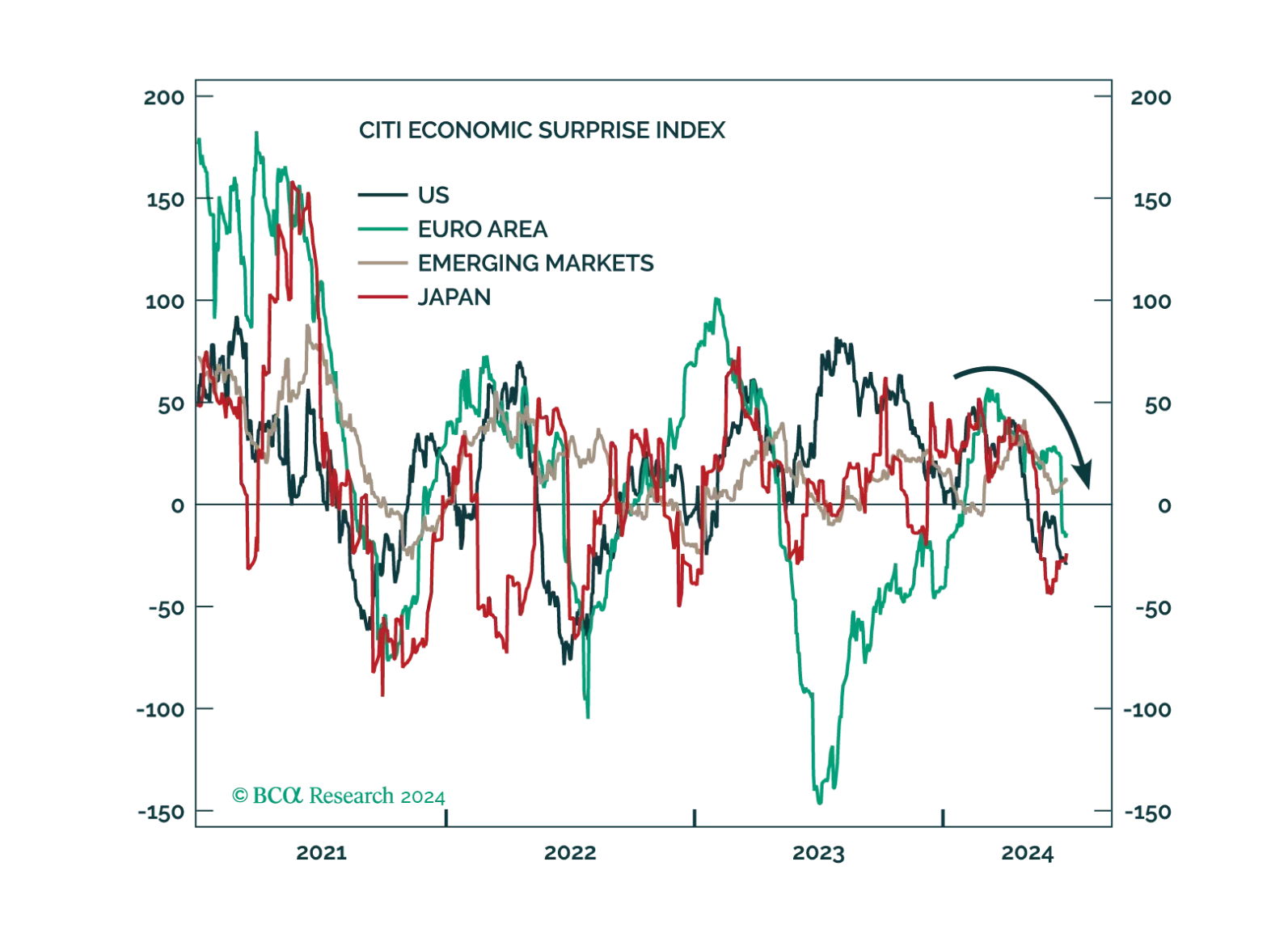
Concerns about the global economy have shifted from sticky inflation to faltering growth. Tight monetary policy is finally starting to bite. We suggest increasing portfolio defensiveness.
According to BCA Research’s Counterpoint service, absent China’s exponential credit growth, China’s trend growth rate will fall to 4 percent and the world’s trend growth rate will fall to sub-3 percent. This will impede structural rallies in the Chinese stock…
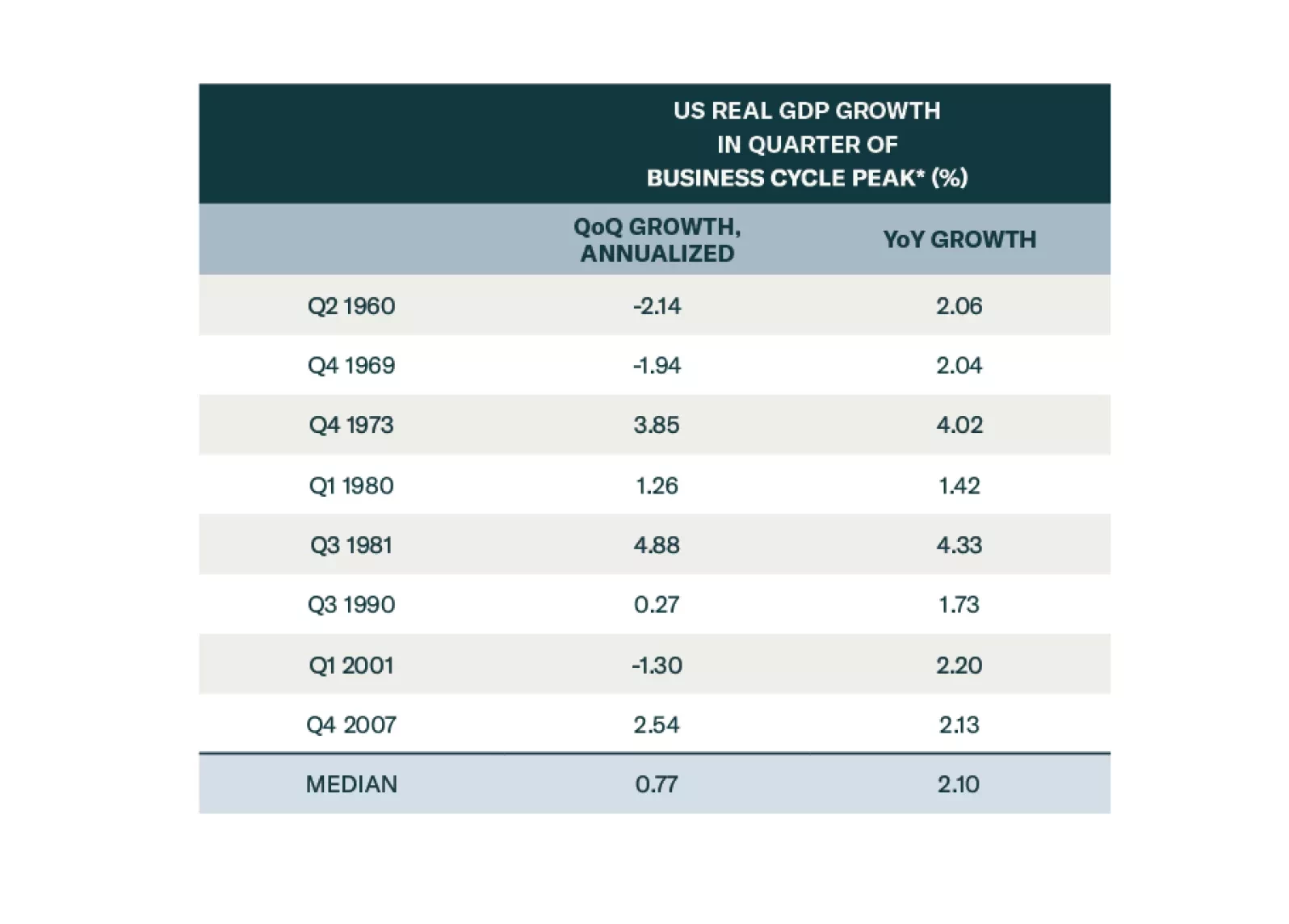
The consensus soft-landing narrative is wrong. The US will fall into a recession in late 2024 or early 2025. We were tactically bullish on stocks most of last year, turned neutral earlier this year, and are going underweight today. We conservatively expect the S&P 500 to drop to 3750 during the coming recession.
Japanese exports in JPY increased from 8.3% y/y to 13.5% in May, surpassing expectations of 12.7%. 23.9% and 17.8% y/y growth in exports to the US and China, respectively, led the overall surge. Trade data from Asian export-oriented economies are generally…
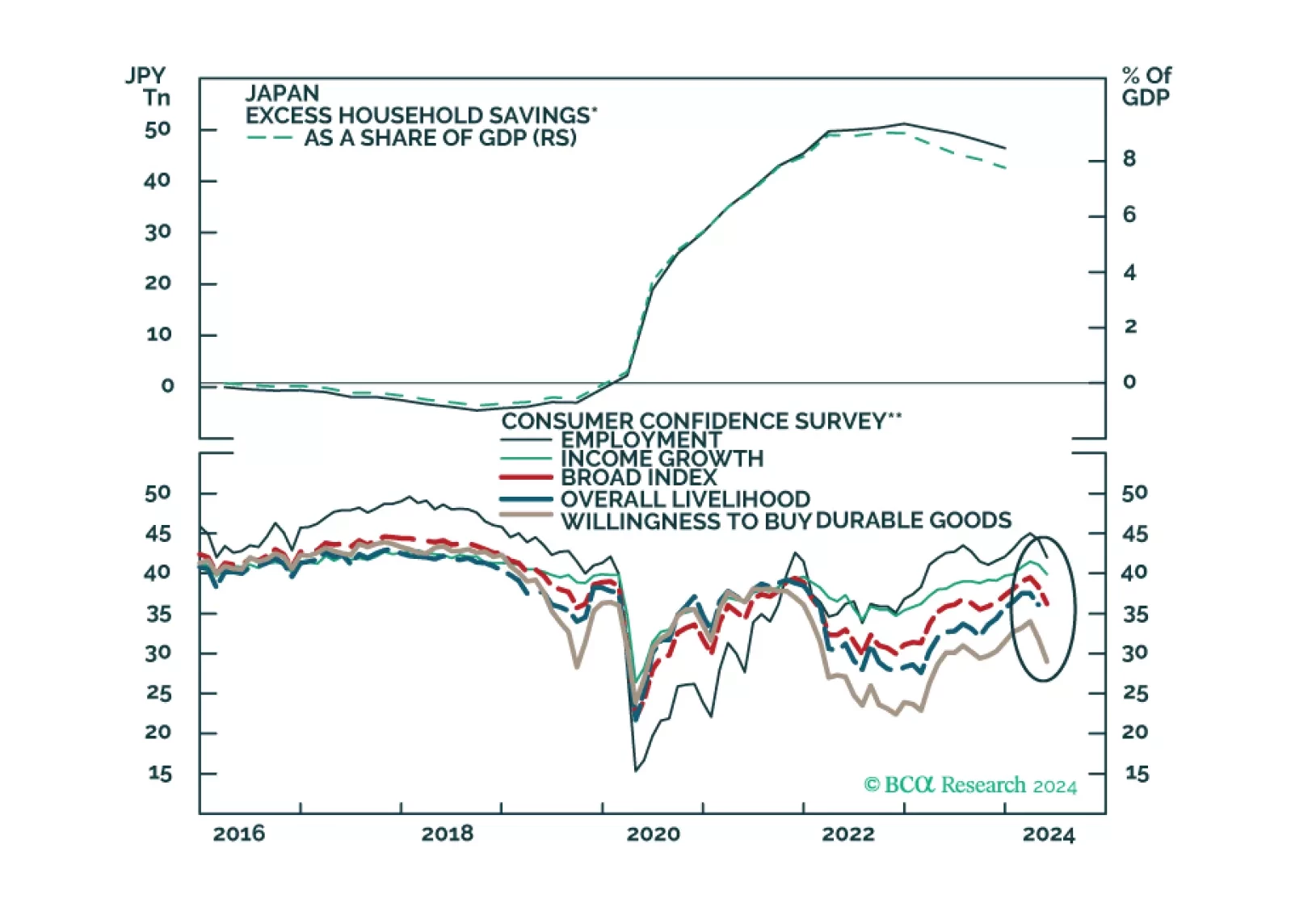
In this insight, we update our thinking on the recent BoJ move in terms of positioning for the yen and JGB yields.
In a largely expected move, the Bank of Japan kept its policy rate unchanged at 0-0.1% in June. It maintained the pace of bond buying at JPY 6tr per month but signaled it would lay out a plan to reduce its balance sheet next month, without offering any…
The Bank of Japan exited negative interest rate policy in March, but subsequent softer-than-expected CPI inflation prints have complicated its path towards tightening. The central bank is widely expected to stay put when it meets this week. Governor Kazuo…
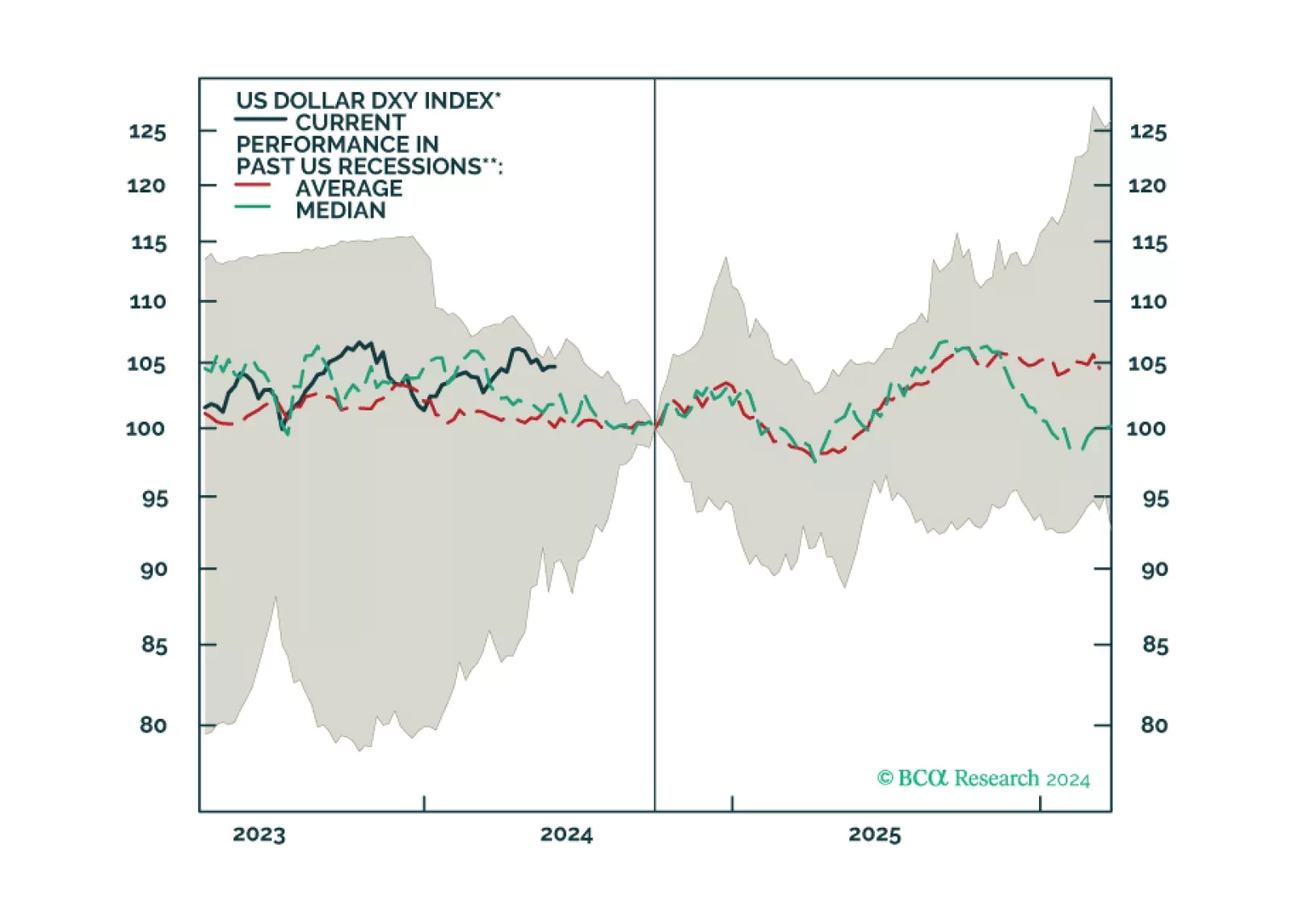
In this report, we gauge the outlook for the dollar given client visits in Africa.