Labor Market
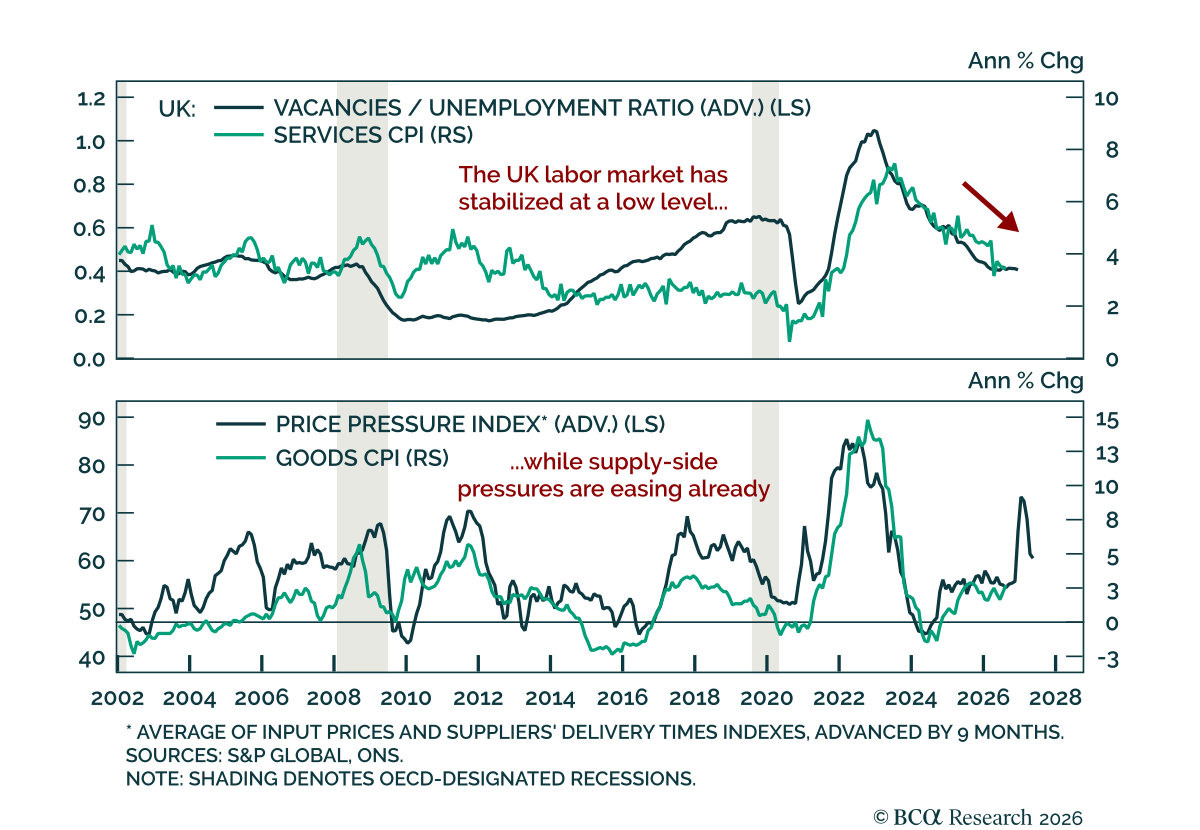
The latest UK employment and inflation data show a labor market with some slack and no sign of accelerating inflation, supporting an overweight on UK gilts. Payrolls fell by 26k in August, more than expected and faster than the negatively revised 19k decline…
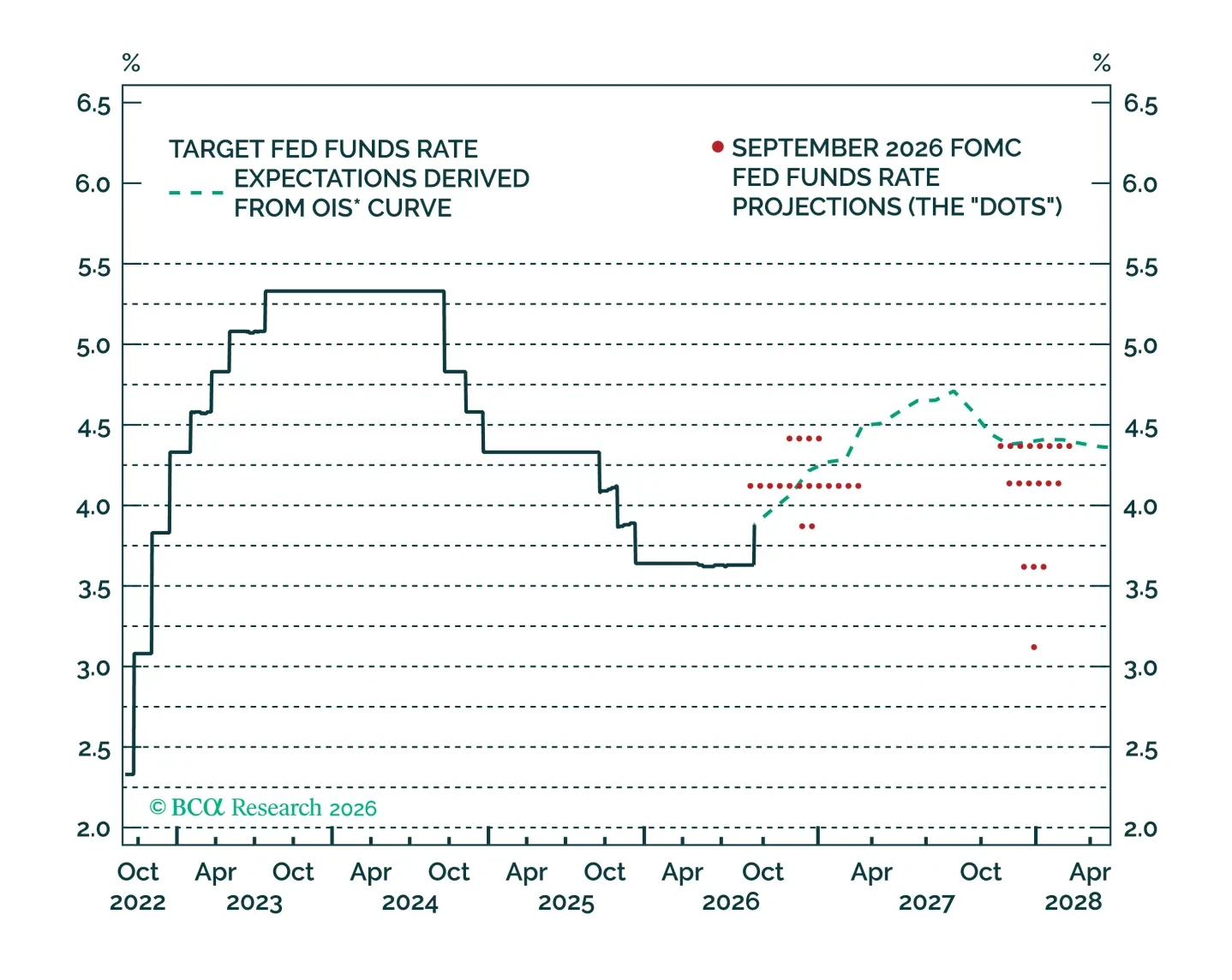
The Fed is unanimous in expecting a mild tightening cycle of no more than 75 bps, but that outcome is contingent on a rapid drop in core inflation in 2027.
Our Bank Credit Analyst colleagues recommend maintaining benchmark allocations to equities and other risk assets, as the post-pandemic expansion remains intact amid balanced growth. Hiring has revived after a weak 2025, with employers adding an average of 80k…
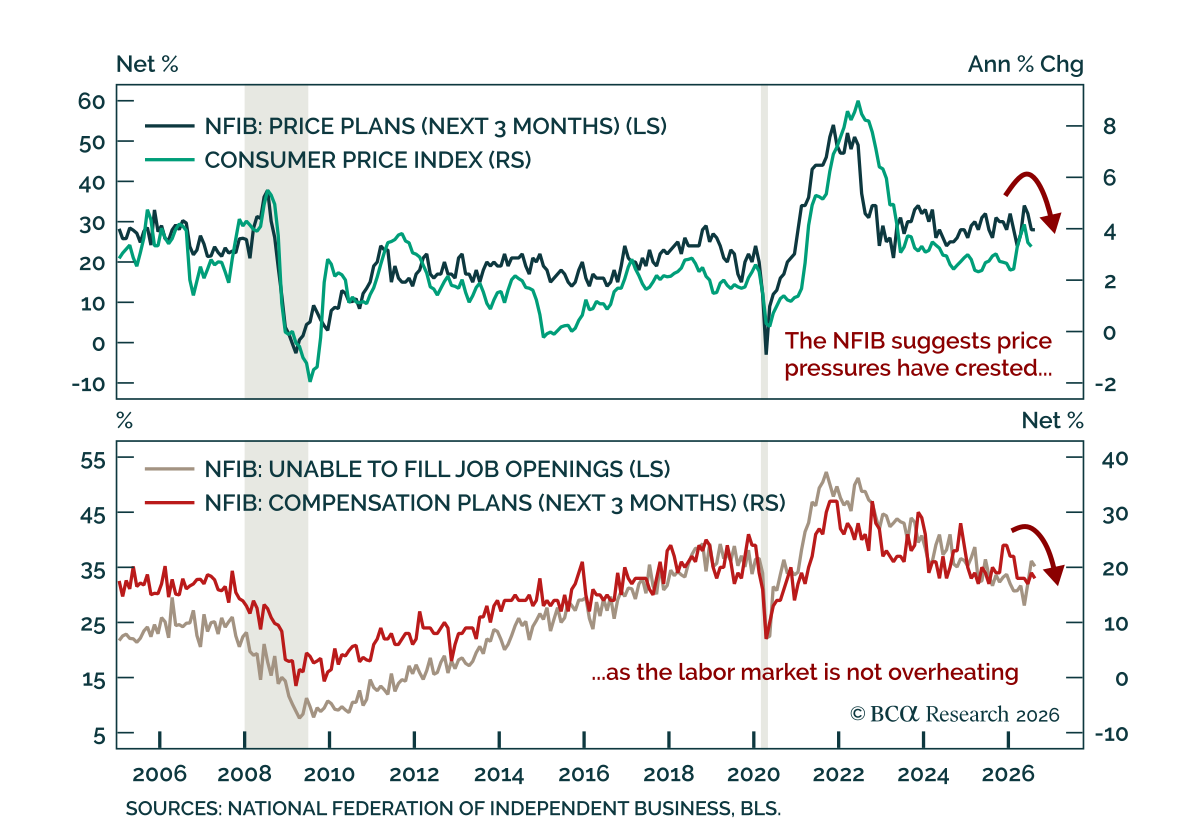
The August NFIB survey weakened, with softer hiring signals reinforcing that the labor market is not overheating or adding to inflation. The Small Business Optimism Index fell more than expected to 98.7, driven by weaker expectations. The report reversed much…
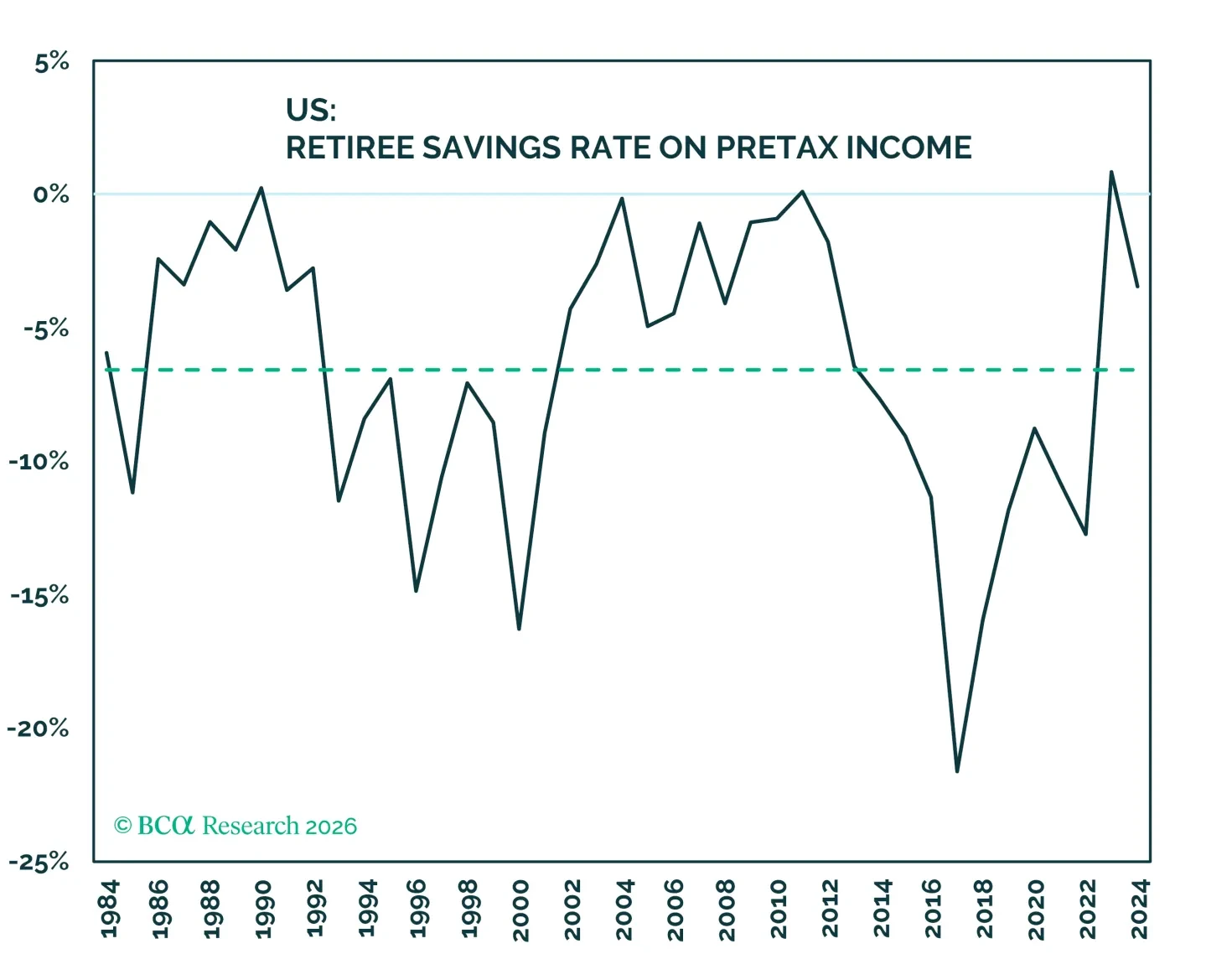
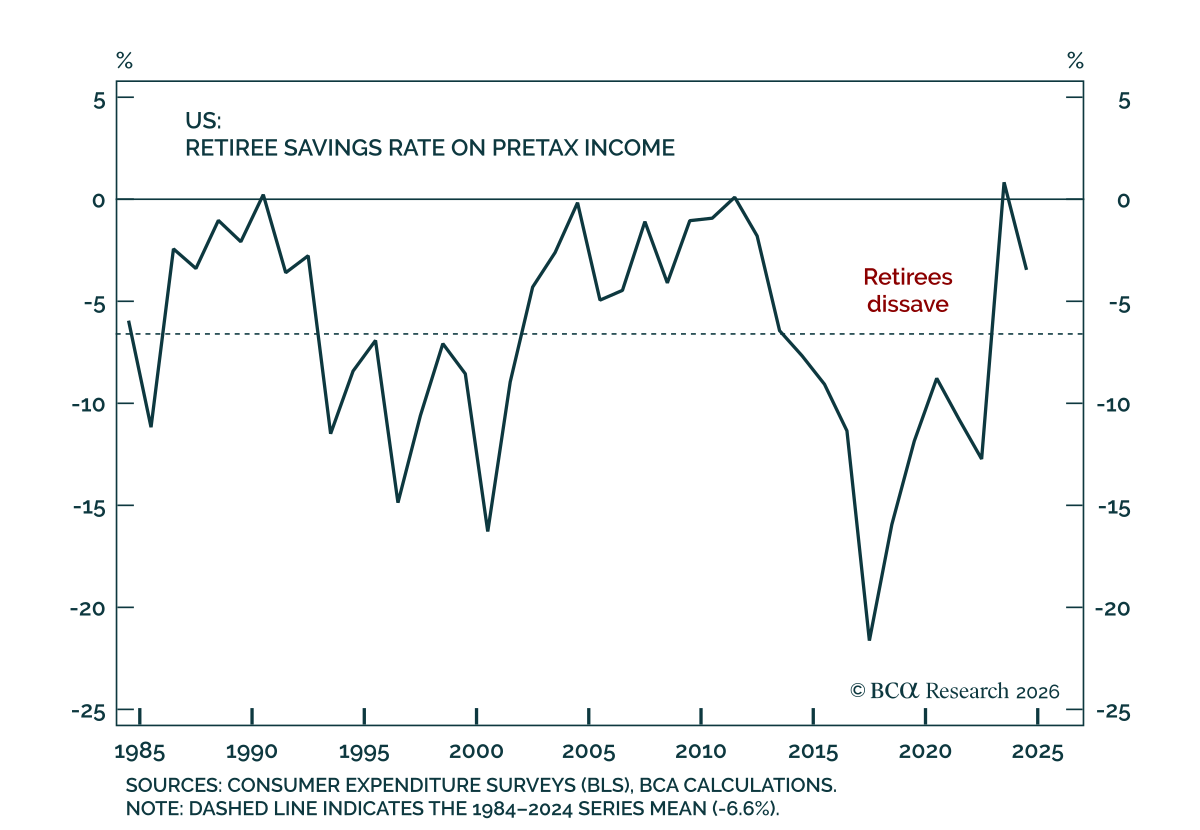
Concerns about the savings rate’s sustainability ease after adjusting for retirements and capital gains. The US economy continues to grow at a pace that is neither too hot nor too cold and investors should remain fully invested in risk assets.
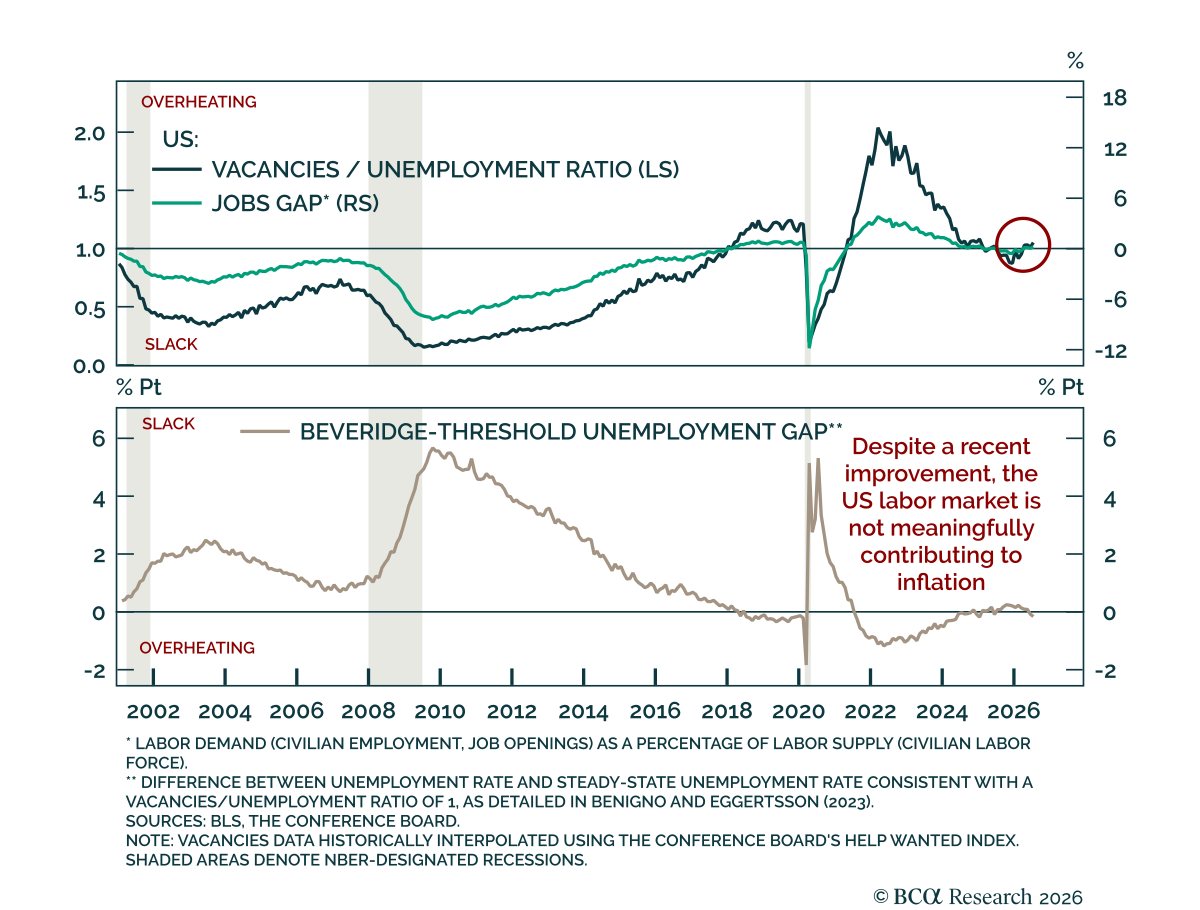
August US jobs data showed a broad rebound, but the magnitude should be discounted as the labor market is still not contributing much to inflation. Nonfarm payrolls rose 162k, well above estimates of 55k. Additionally, two-month revisions added 55k jobs and…
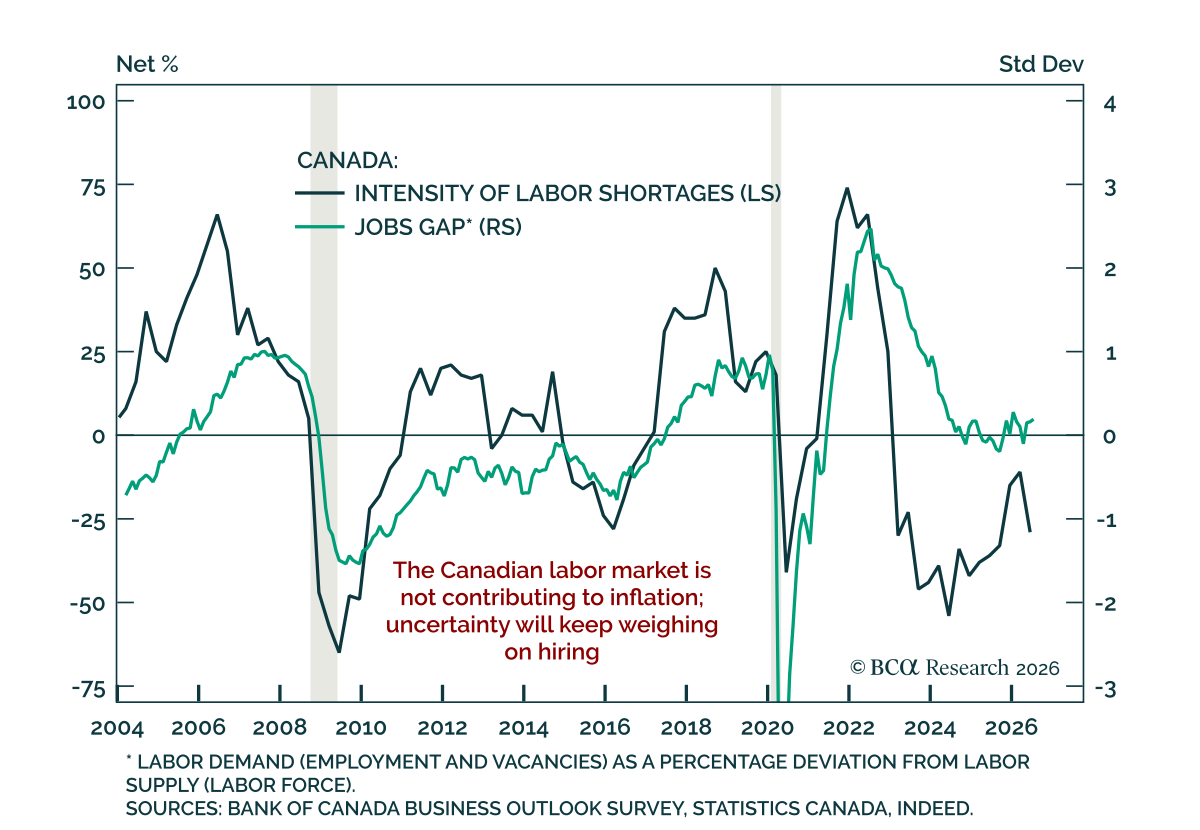
The August Canadian jobs report underscores how fragile the growth outlook remains, with employment contracting and wage growth slowing sharply. Employment fell by 41.7k, missing estimates for a 15k gain after July’s 75.1k increase, with most of the losses in…
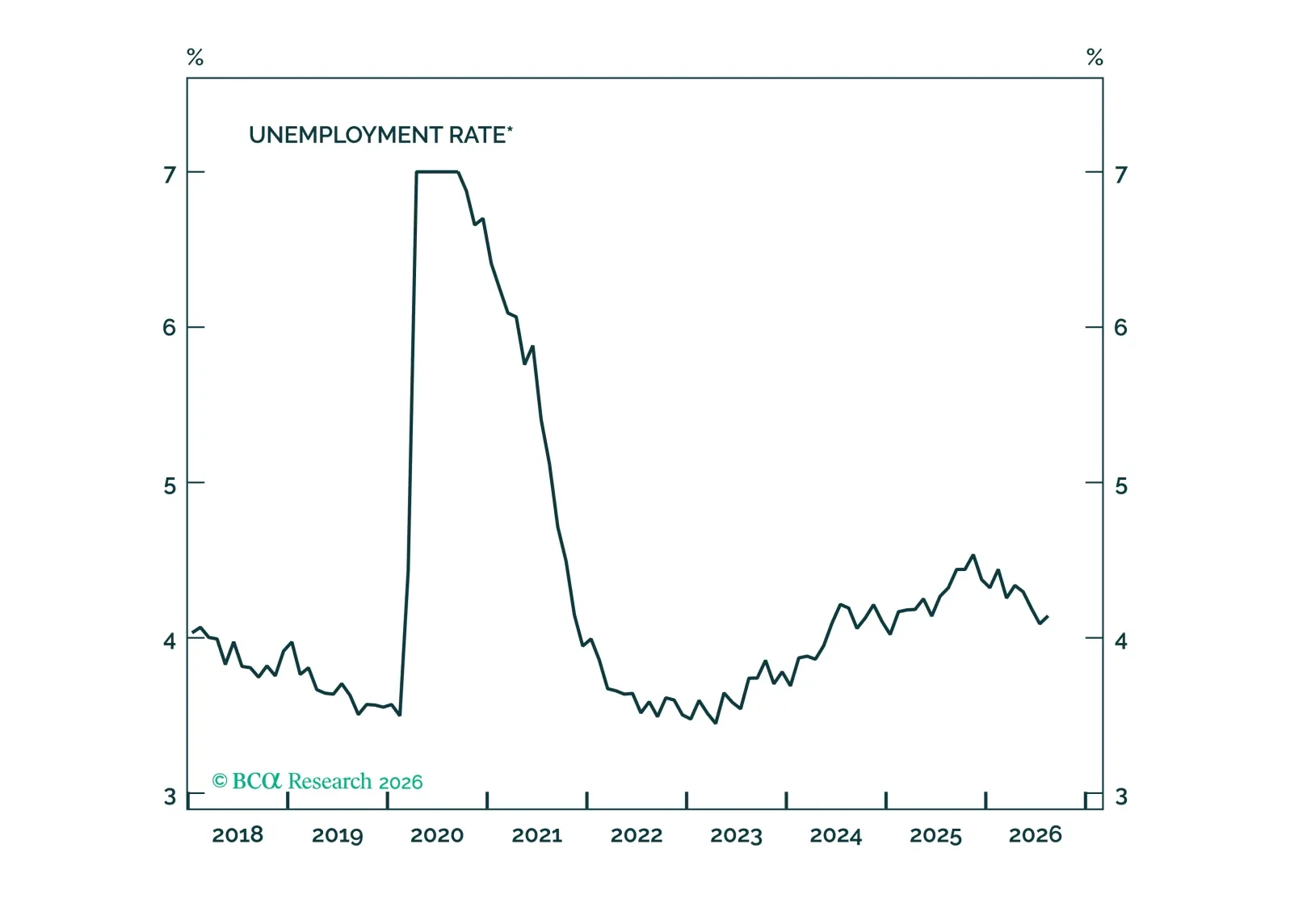
Next week’s CPI and PPI reports will be much more important determinants of the near-term Fed policy path than this morning’s employment report. However, if the trend of labor market tightening continues through year-end, it could lead to a re-acceleration of wage growth in 2027.
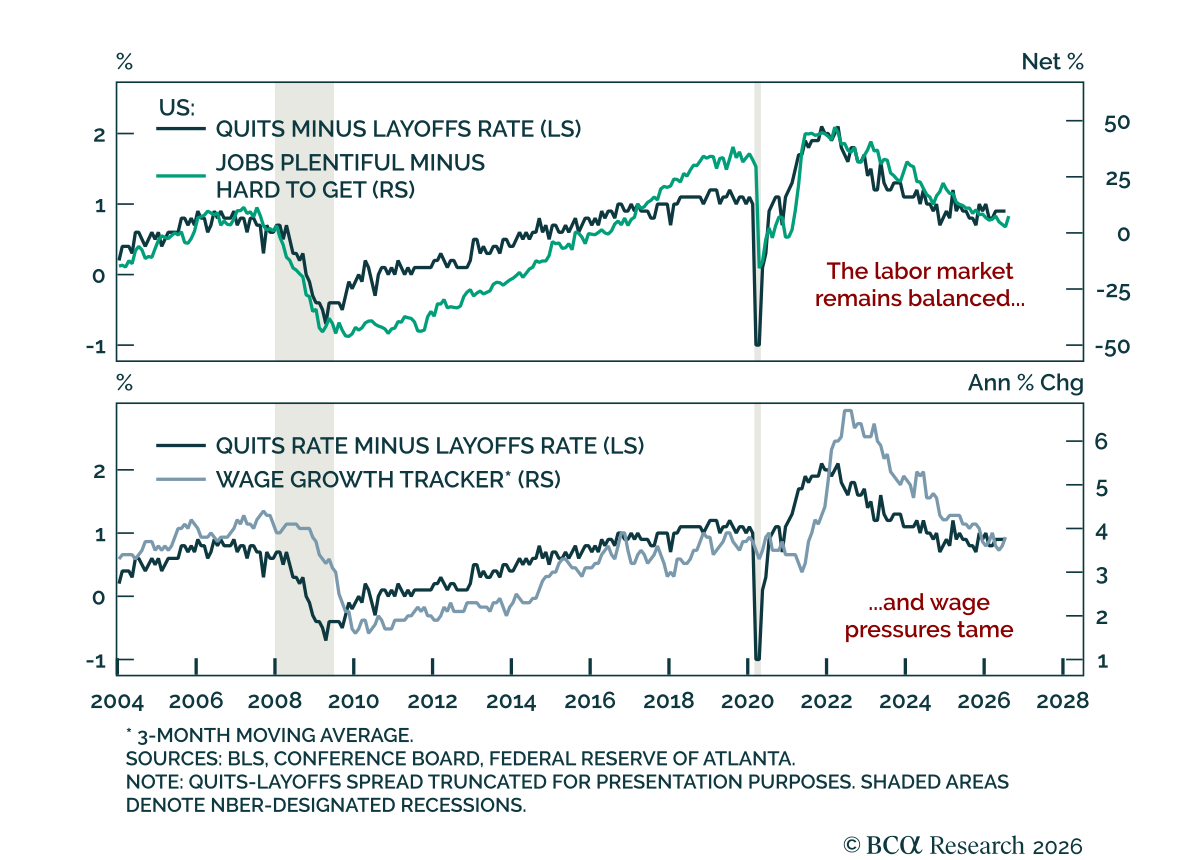
The July JOLTS report was weaker than expected, but still points to a broadly balanced labor market that is not adding to inflation pressures. Job openings missed estimates and would have declined without the downward revision to the prior month. Those…
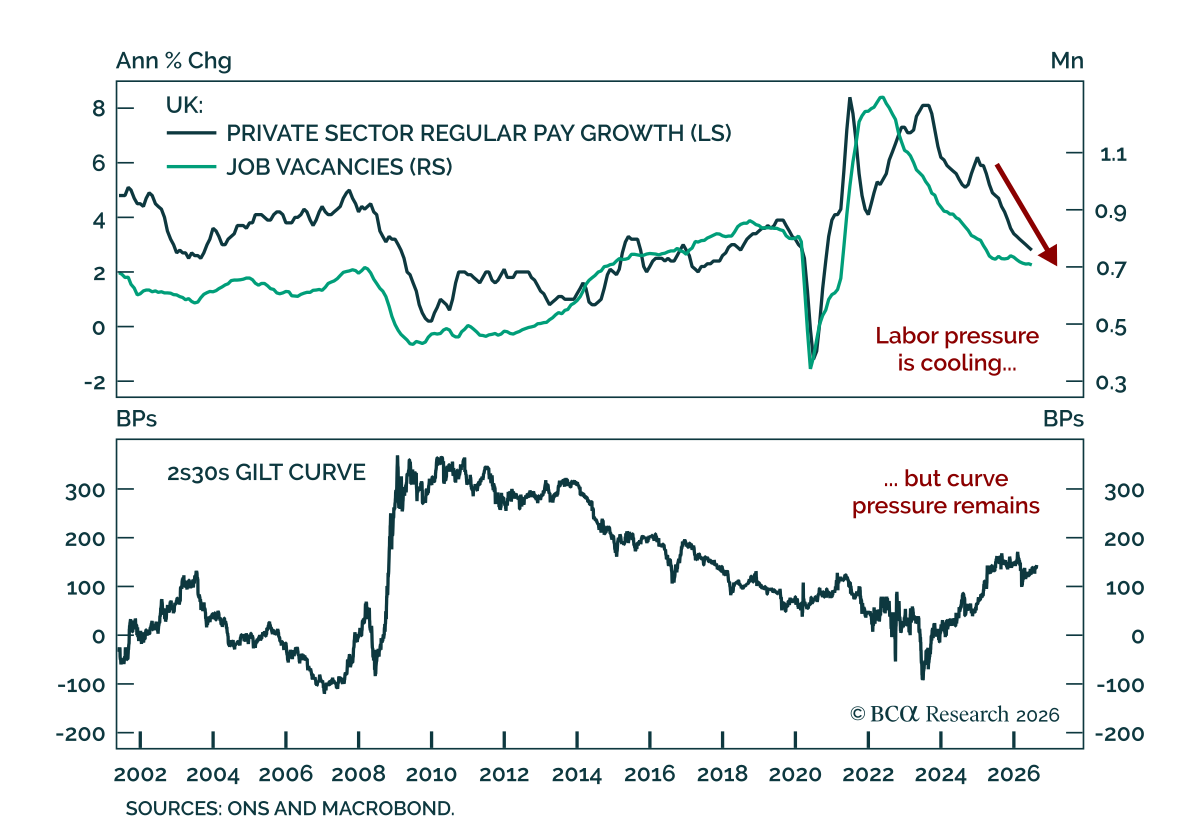
Softer UK labor data argues for a 2s30s gilt steepener, not a broad duration rally. Private-sector wage growth ex. bonuses slowed to 2.8% y/y in the three months to June, the weakest since late 2020, while vacancies fell to 707k, the lowest in more than five…