Sorry, you need to enable JavaScript to visit this website.
Skip to main content

Labor Market

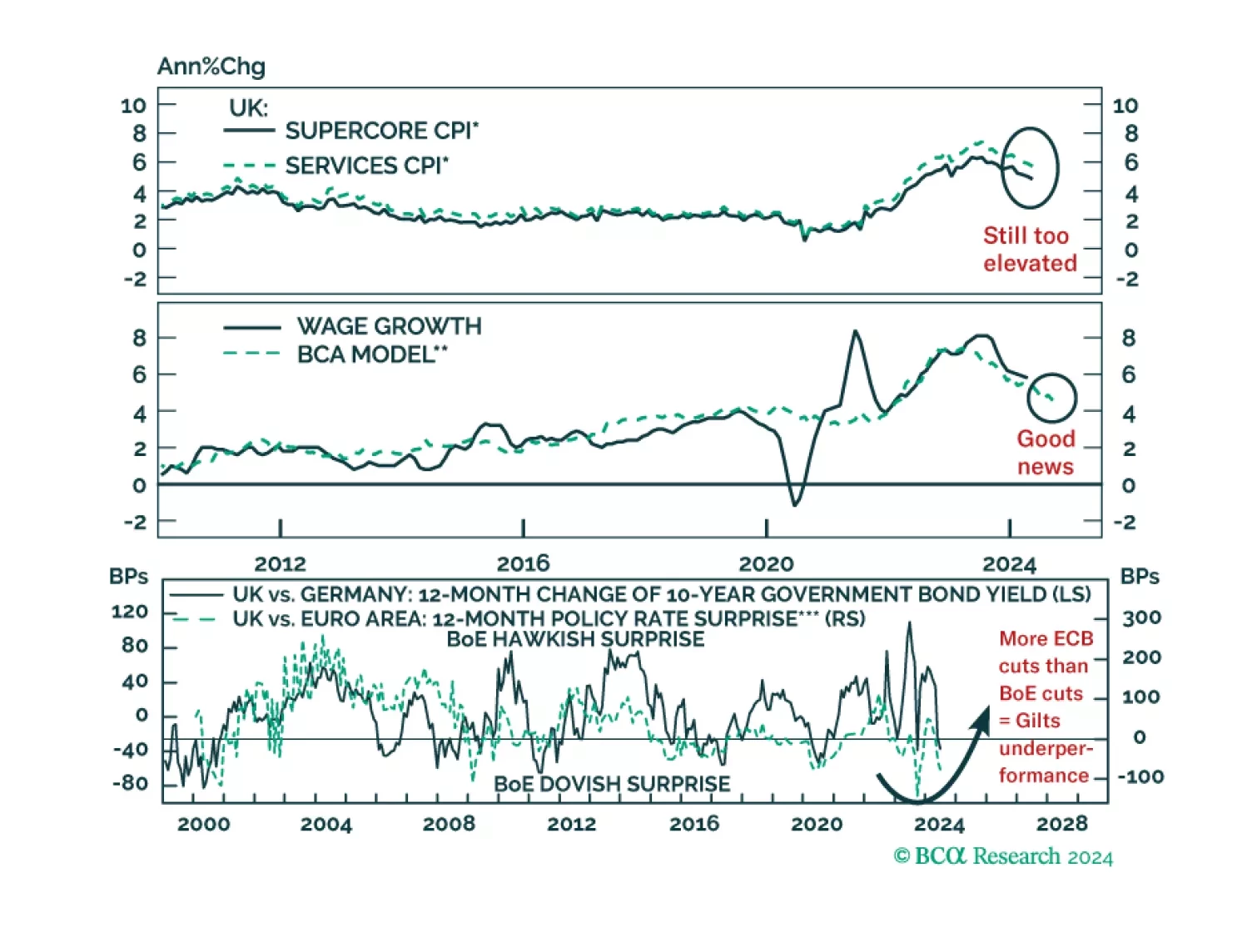
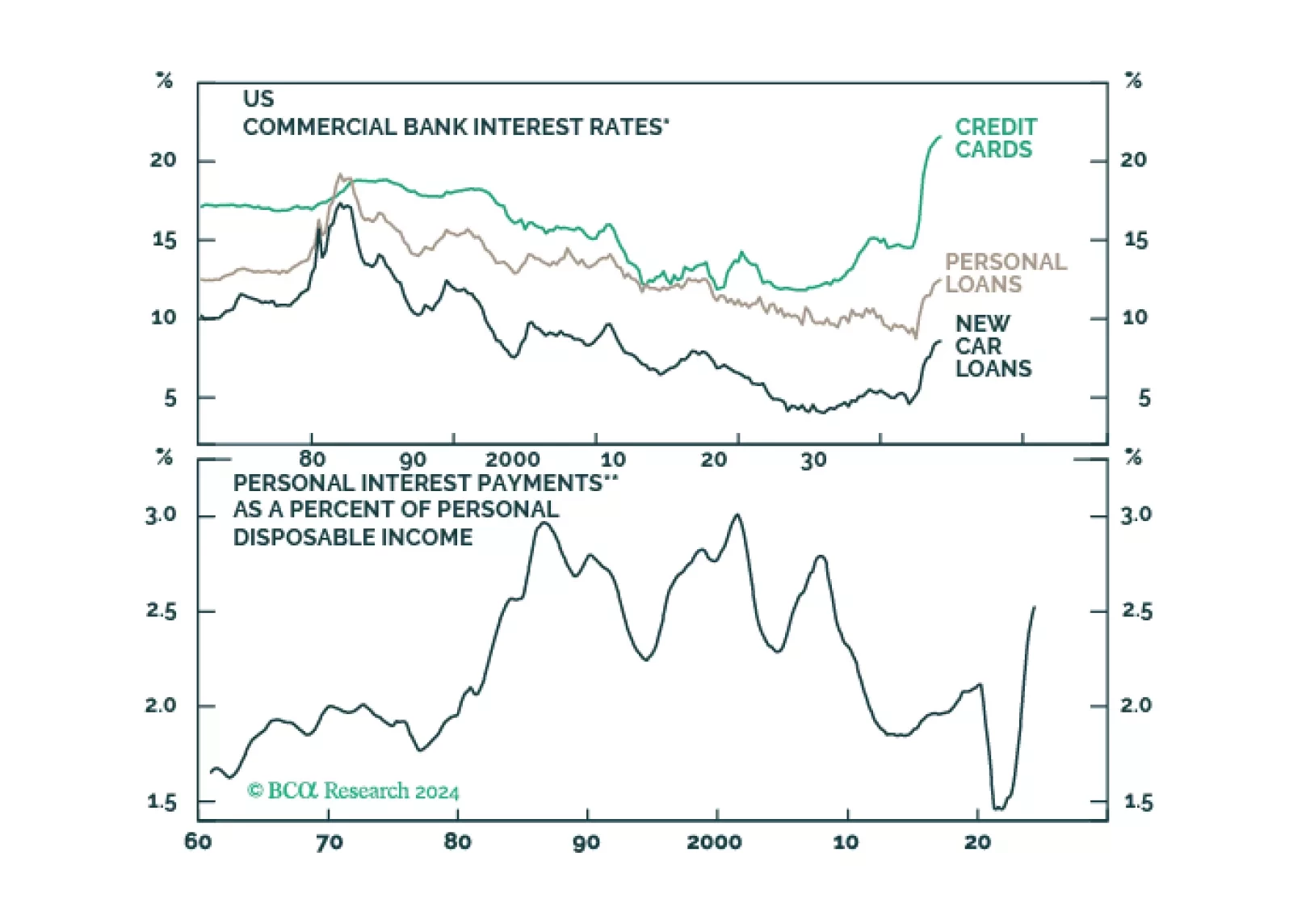
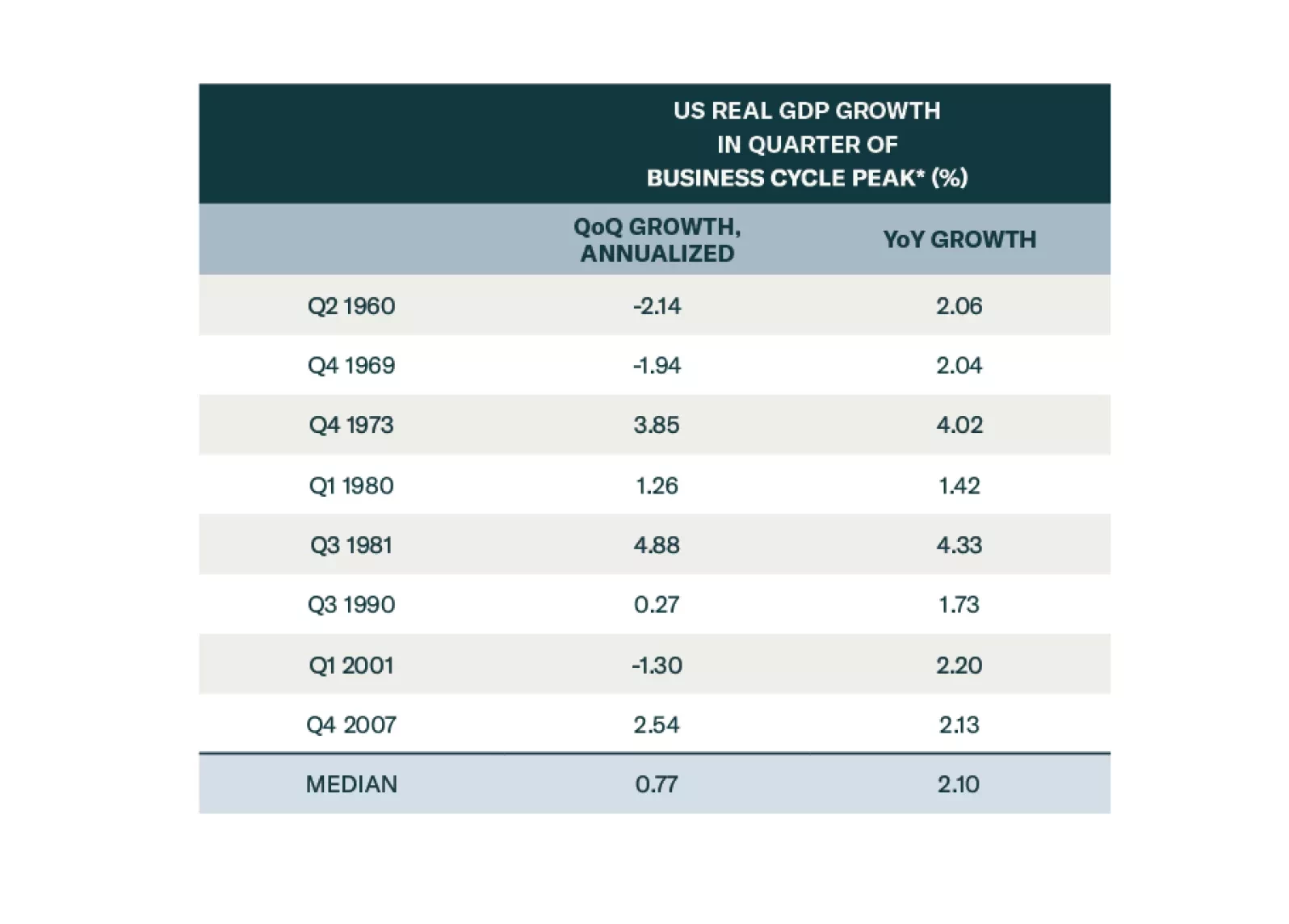
In this week’s report, we defend four out-of-consensus claims. Claim #1: Underlying inflation in the US is not reaccelerating. Claim #2: The US labor market is set to weaken abruptly. Claim #3: The S&P 500 will drop to 3700 in 2025. Claim #4: Japan is not in danger of a currency crisis.

Mexico’s election and the US election pose short-term and potentially medium-term risks to Mexican financial assets. But unless the ruling party wins a double supermajority, we remain structurally overweight Mexico relative to global stocks excluding the United States.

According to BCA Research’s US Bond Strategy service, while US economic data clearly show that labor demand has slowed from its peak two years ago, it isn’t yet clear whether this slowing represents a re-normalization to pre-pandemic levels or the start of a…
Average hourly earnings growth slowed to 0.2% m/m in April from 0.3% m/m in March and came in below expectations. On a year-on-year basis, they decelerated from 4.1% to 3.9%, the lowest since June 2021 and below expectations of 4%. Nonfarm payrolls growth…

Some thoughts on this morning’s employment report and recent trends in US economic data.

Investors should prepare for economic data to weaken even as policy uncertainty and geopolitical risk skyrocket ahead of the US election.

The preliminary nonfarm labor productivity estimate increased by an annualized 0.3% in Q1, below both the previous quarter’s 3.5% rate and expectations of 0.5%. Meanwhile unit labor costs increased by 4.7% annualized in Q1, a sharp acceleration from 0.4% in…
The Conference Board’s gauge of consumer confidence largely disappointed in April. 3.9- and 7.6-point decreases in the Present Situation and Expectations subcomponents, respectively, drove the overall index to a 22-month low of 97.0 in April. This third…
The details of the JOLTS report showed a labor market that continued to cool in March. The number of US job openings decreased to 8.488 million in March, from 8.813 million in February, and below expectations of 8.680 million. Workers seemed to be less…
The Q1 US Employment Cost Index (ECI) accelerated at a faster-than-expected 1.2% q/q rate, from 0.9% q/q in Q4. On a year-on-year basis, it rose by 4.2% in Q1 and follows a similar annual increase in the previous quarter. The Fed is not expected to cut…