Monetary Policy
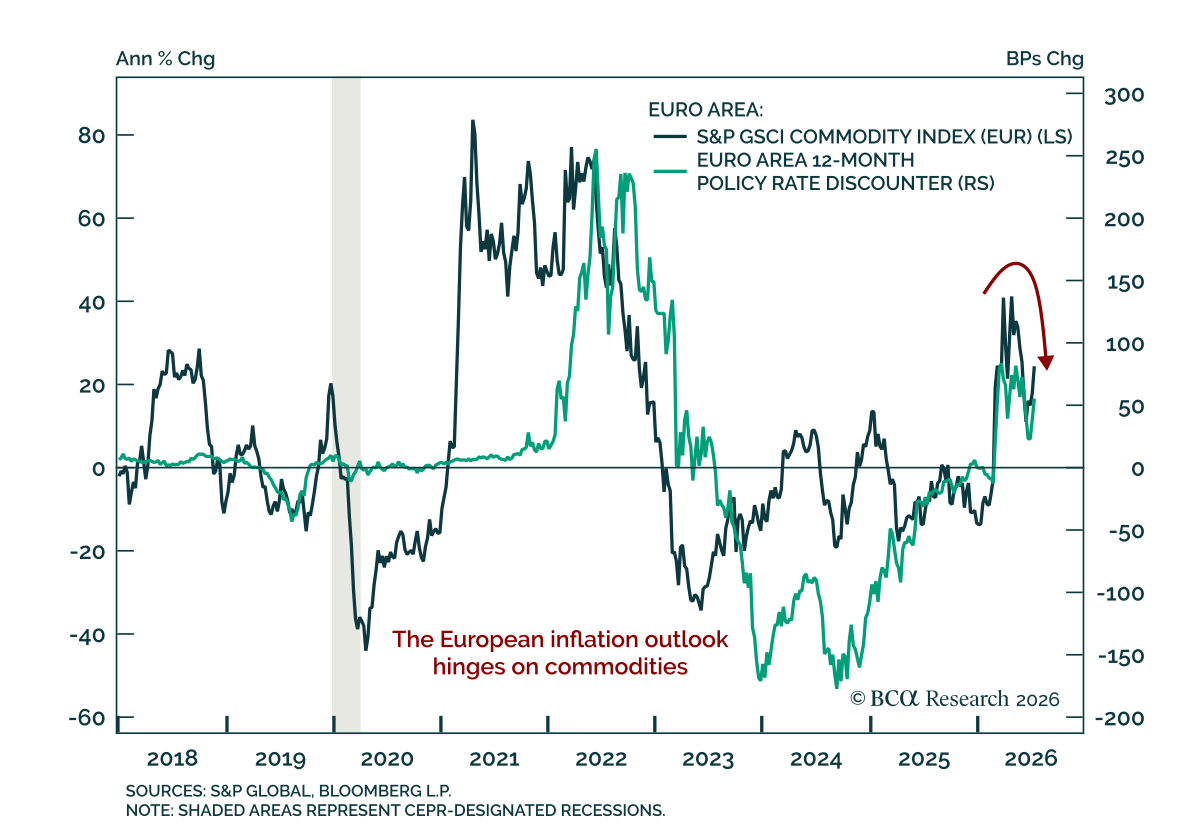
The ECB held rates at 2.25%, but kept the door open to further tightening in a near-term outlook still heavily shaped by energy prices. The hold was expected, but the ECB also signaled that every meeting remains live due to upside risks to inflation,…
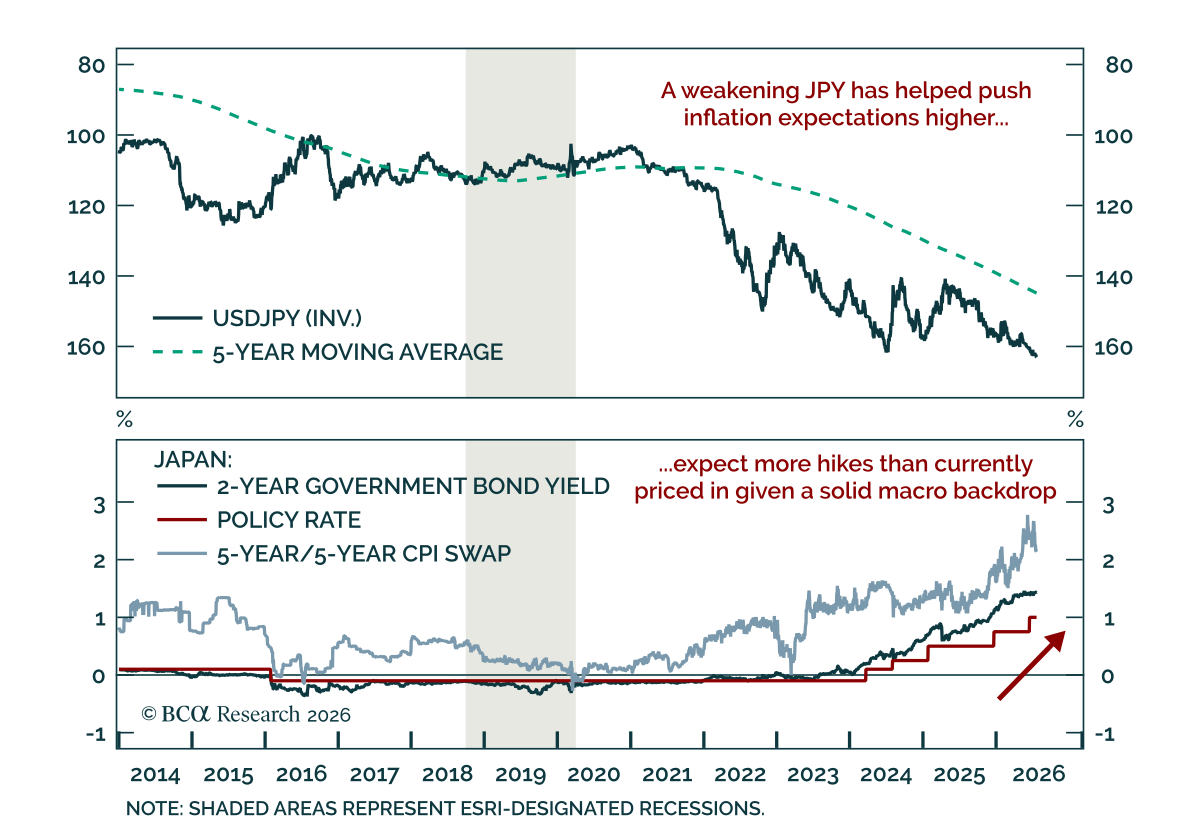
A more aggressive BoJ hiking stance is needed to stabilize the JPY. Recent price action has fueled speculation that Japanese officials now see yen weakness as an inflation risk, and that the BoJ may be open to accelerate the pace of hiking. Verbal…
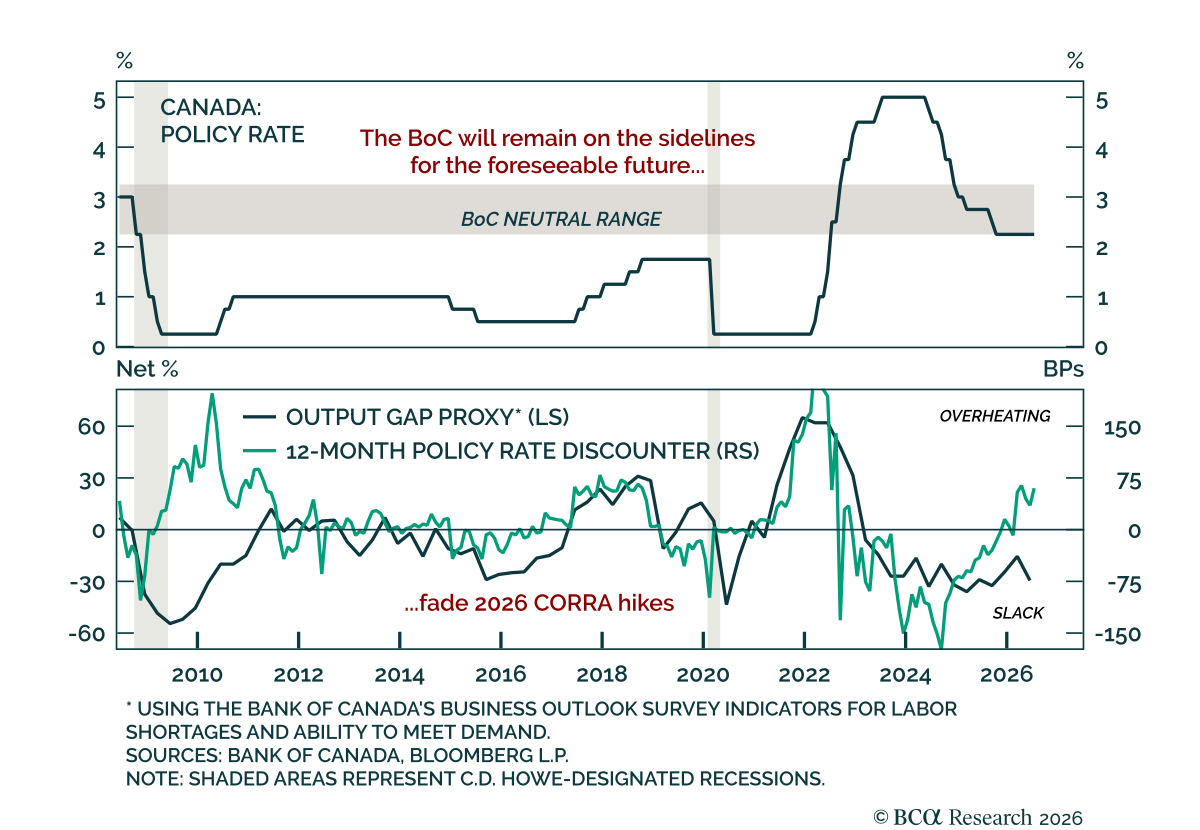
The Bank of Canada held rates, reinforcing its intention to stay on hold in the near term. The BoC kept rates unchanged for a sixth consecutive meeting, as expected. It also removed references to both cuts and hikes from its press release, reinforcing its…
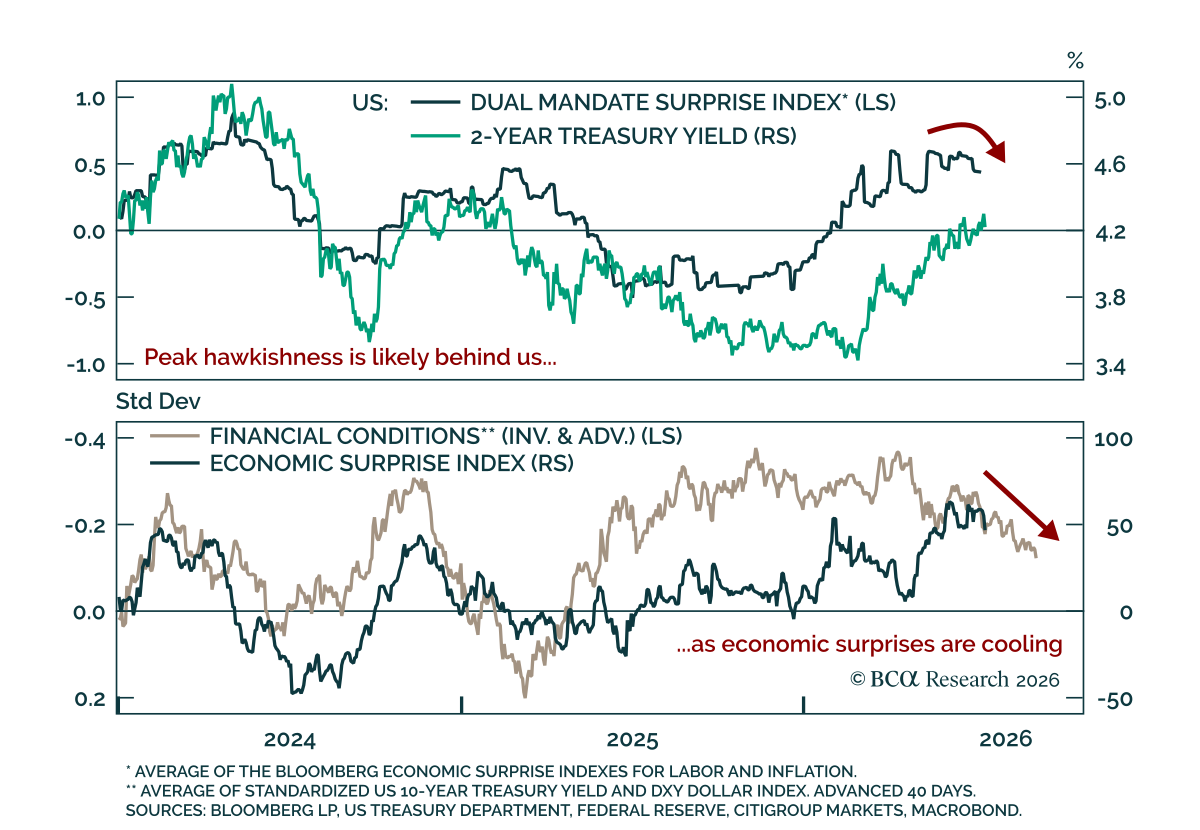
Rolling economic surprises support the view that peak Fed hawkishness is behind us. As the last few major reports have shown, including June employment, CPI, and ISM Manufacturing, economic surprises appear to be rolling over. That supports our thesis that…
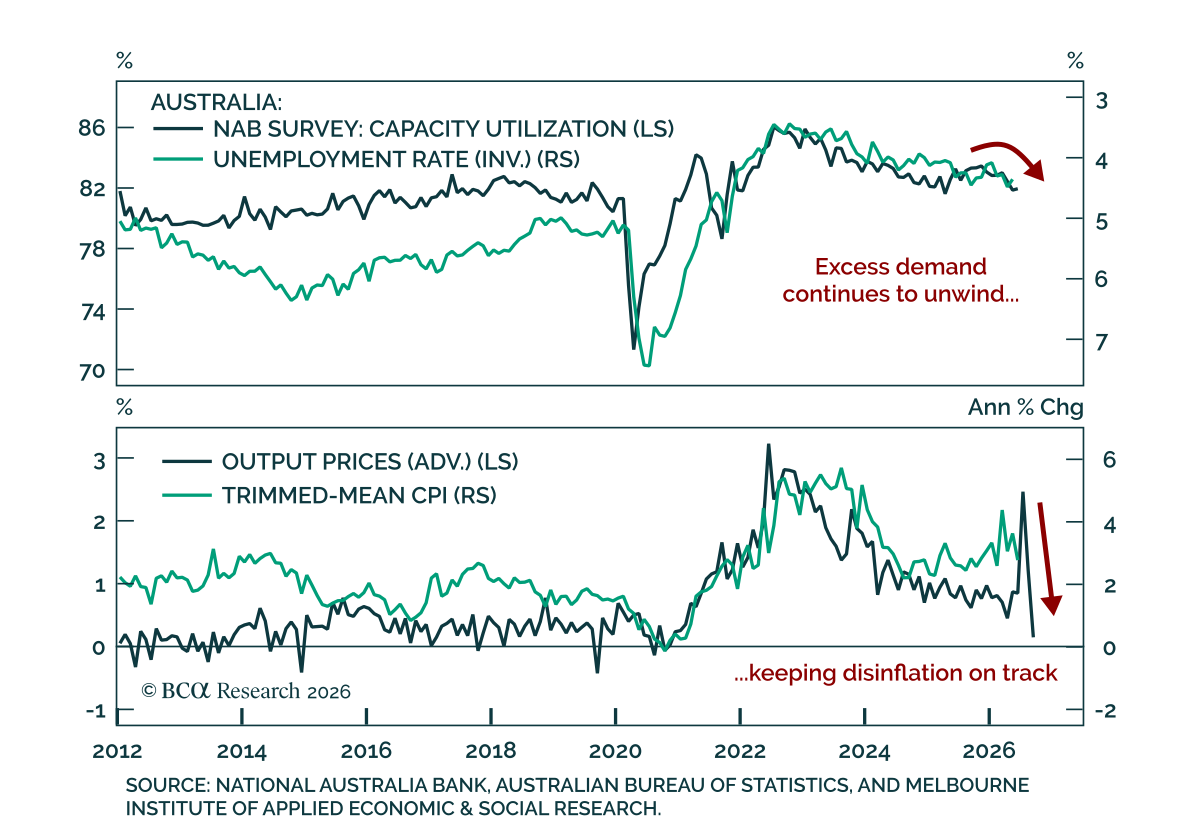
Australia's June NAB Business Survey points to a cooling economy, reinforcing the case for an extended RBA pause. Business conditions held at +3 for a third consecutive month, while business confidence, the more forward-looking measure, rebounded from -14 to…

Indian headline CPI rose to 4.4%, limiting the RBI’s scope to ease and creating a less supportive backdrop for Indian assets. The increase pushed inflation above the RBI’s 4% target, though it remains within the tolerance band. Higher fuel and food prices…
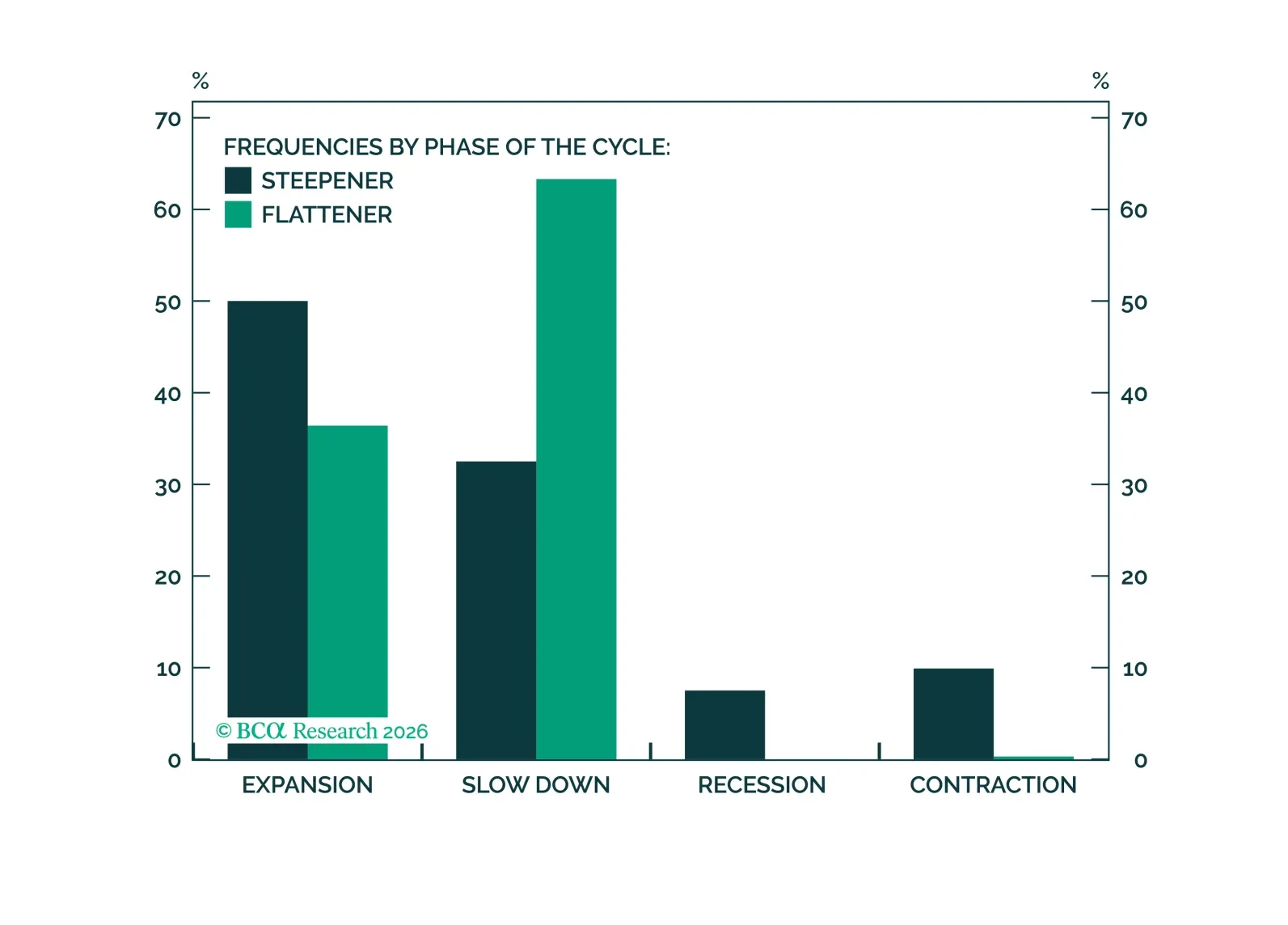
History suggests that the equity impact of rate moves depends heavily on the stock/bond correlation regime, and today’s positive correlation regime leaves the bond market as the main risk to equity multiples.
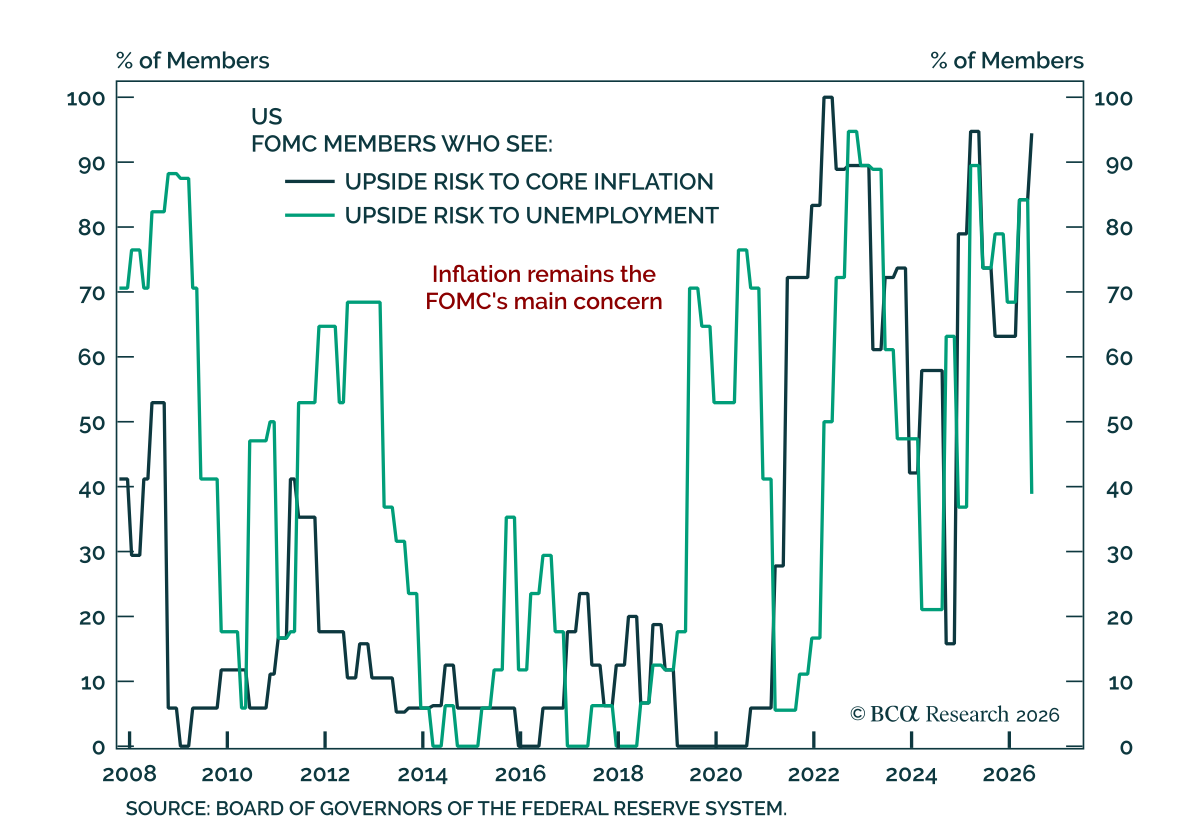
The June FOMC minutes showed broad agreement on the Fed’s reaction function, but uncertainty over the inflation path. The minutes were the first released under Chairman Warsh’s leadership. The minutes showed broad agreement on the reaction function across…

Subdued Swedish inflation should keep the Riksbank on hold. June headline CPIF eased to 1.3% y/y (0.3% m/m) from 1.5% (0.9%), and CPIF excluding energy slowed to 0.4% y/y (0.6% m/m) from 0.5% (0.7%). Both were marginally above estimates, but disinflation has…
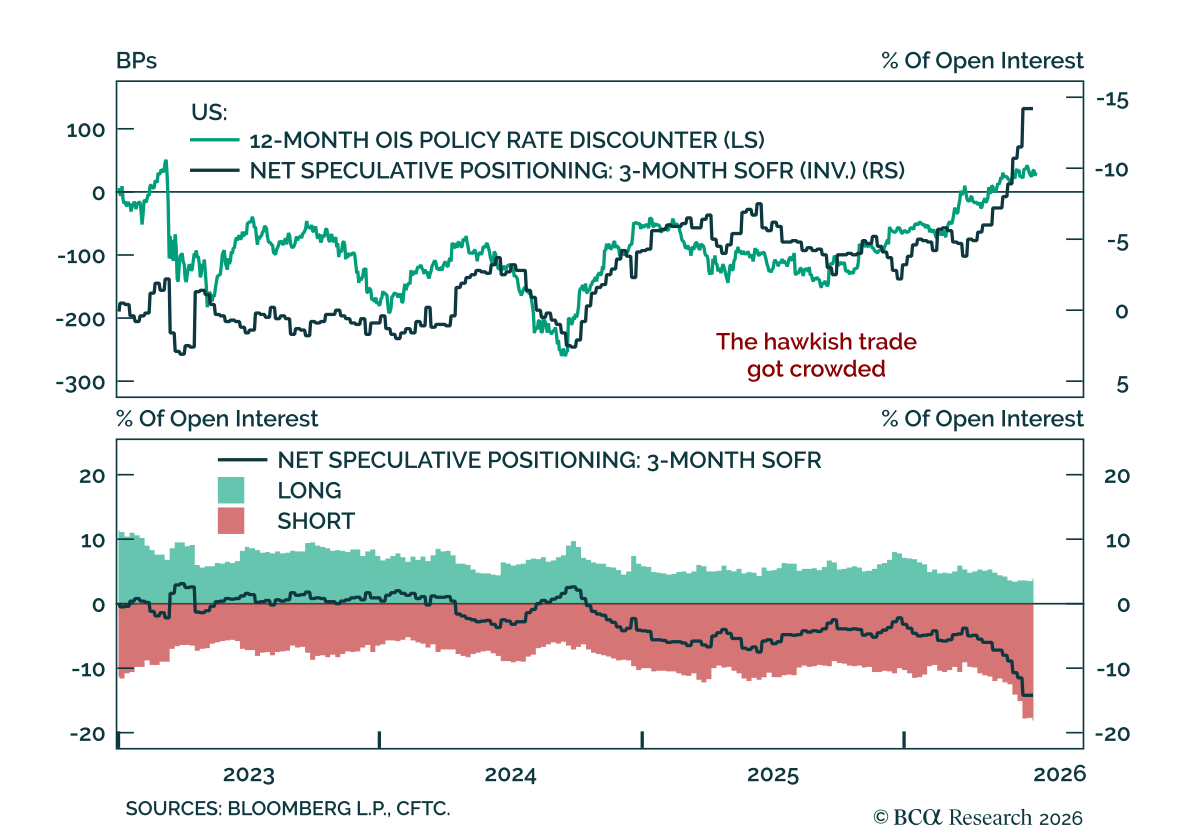
Peak hawkishness is likely behind us, supporting carry trades and risk assets. Despite a hawkish June Fed meeting, Treasury yields have now roughly returned to where they were before Chairman Warsh’s first meeting. The 2-year has tested and rejected new…