Oil
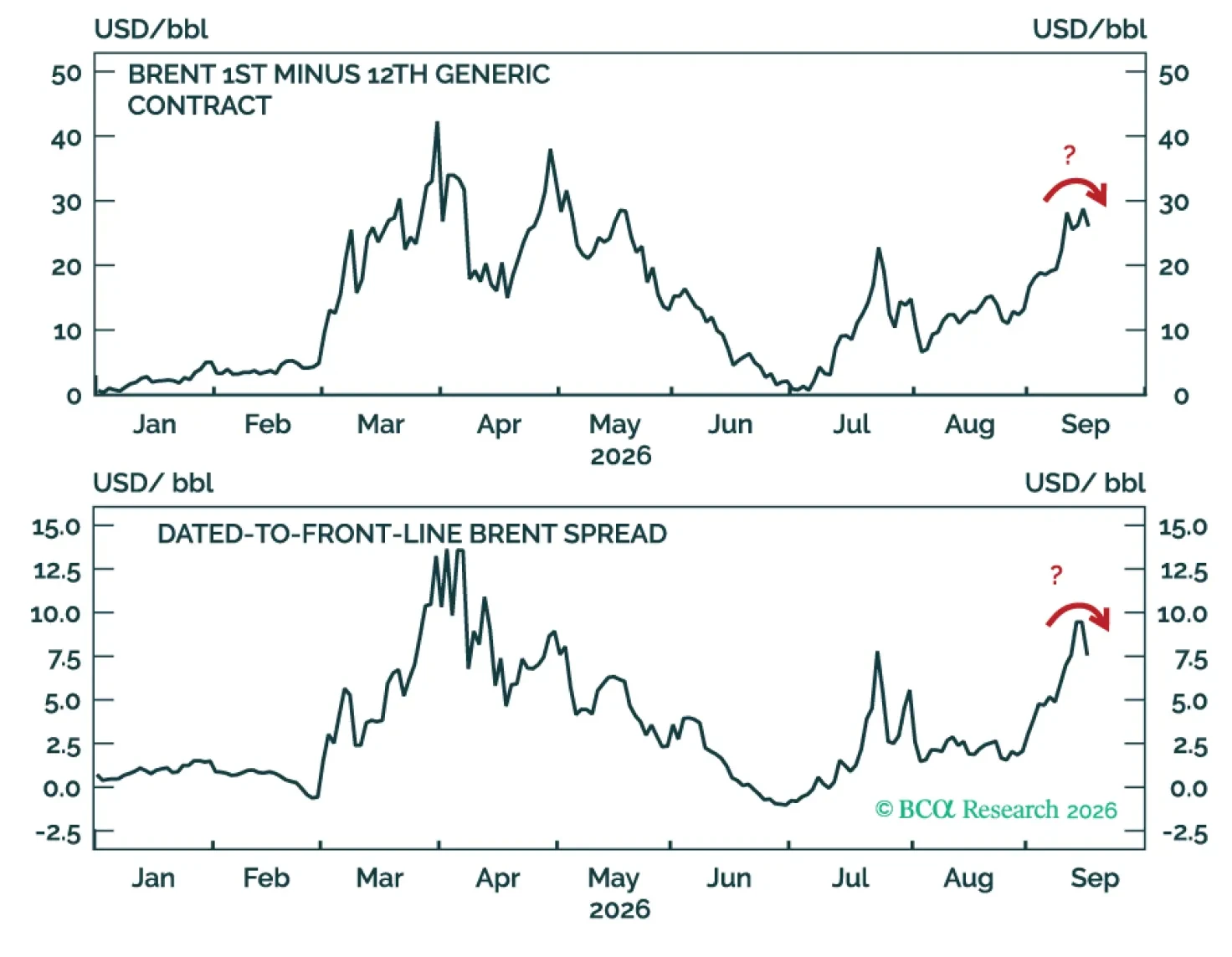
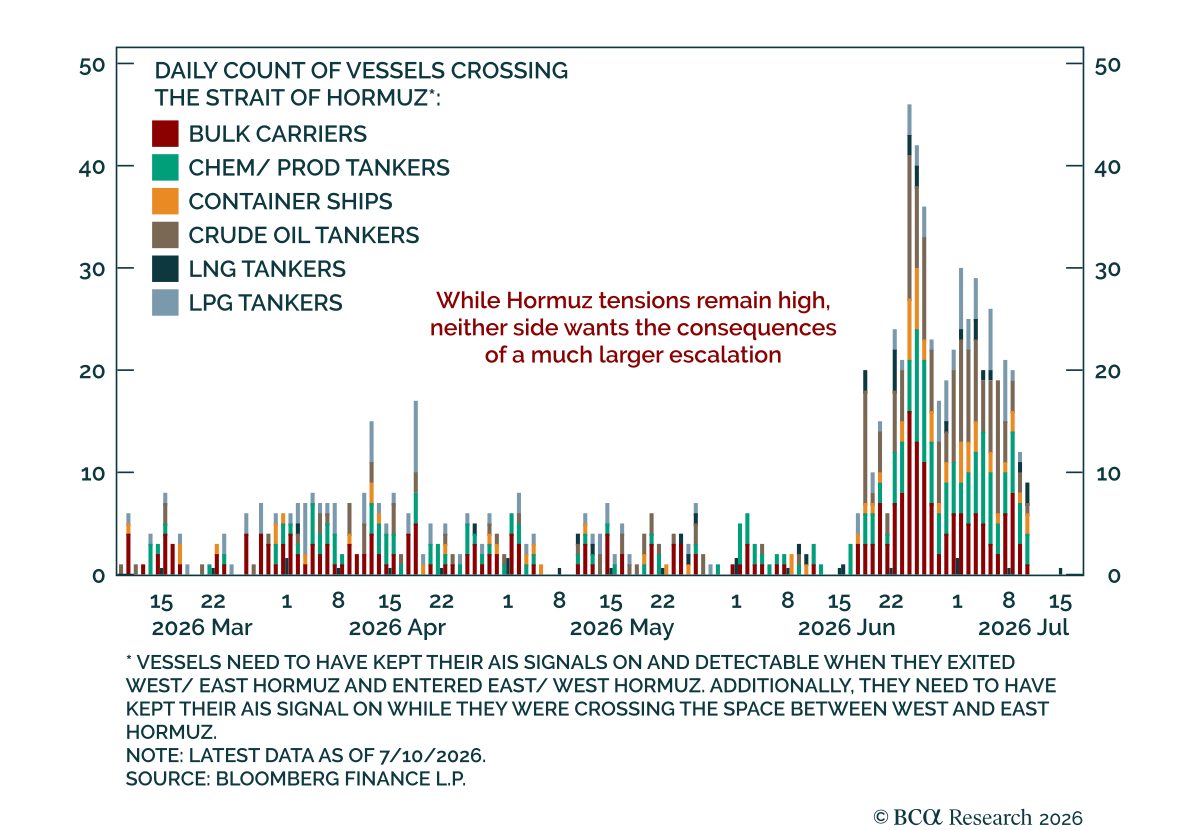
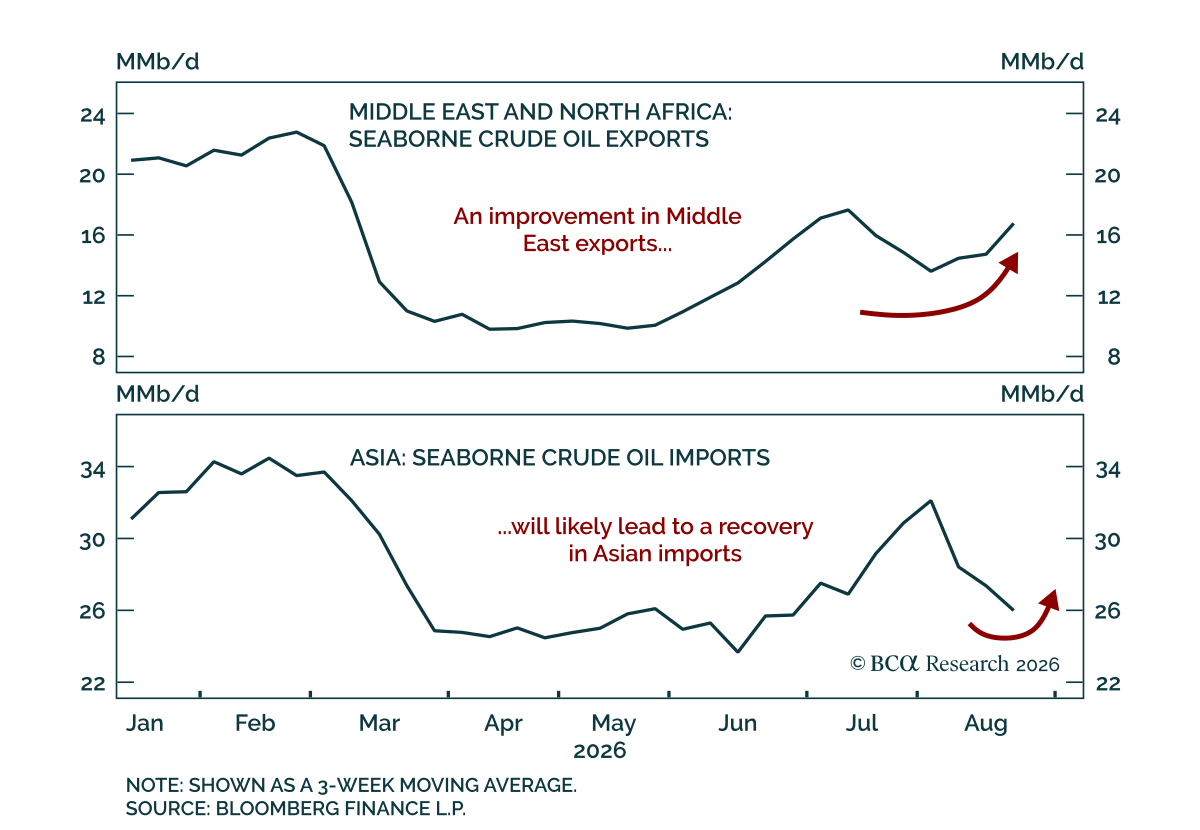
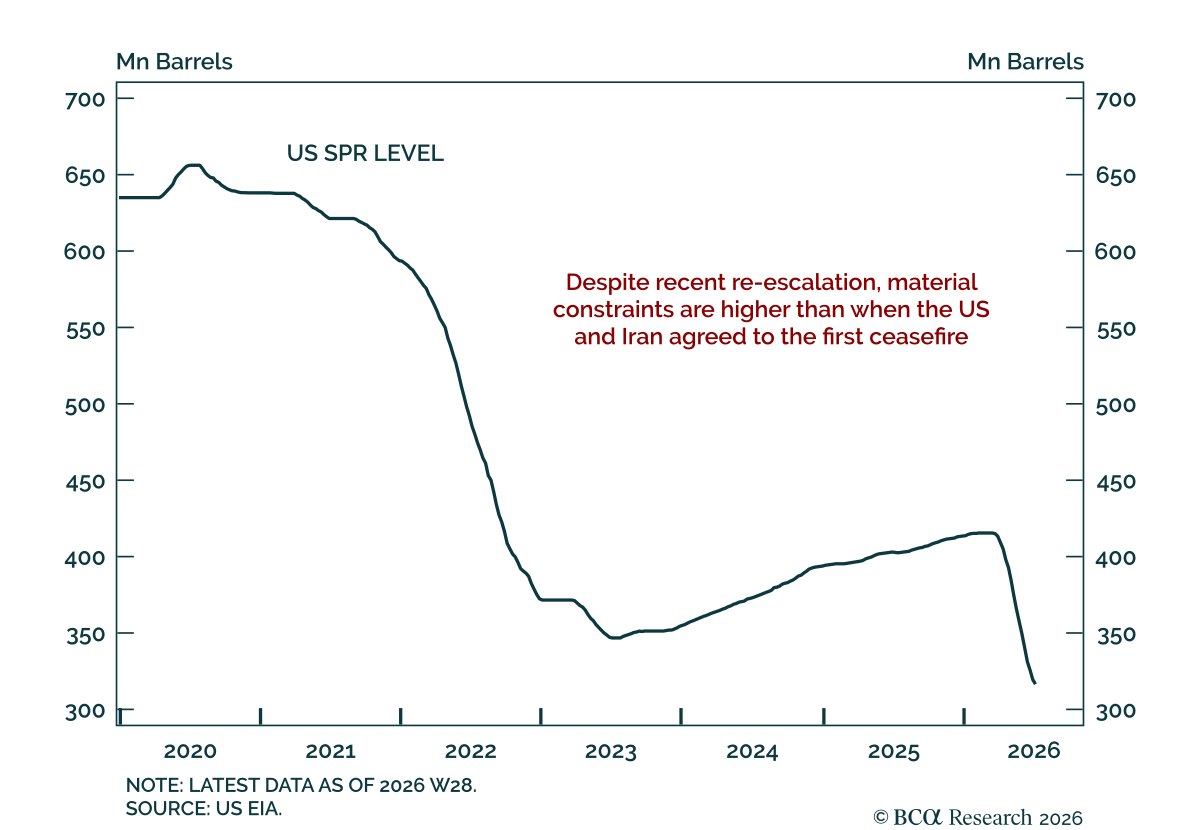
Recent oil market developments expose the limits of the adjustment mechanisms that have cushioned the global market since the Hormuz closure began. Fortunately, Hormuz dark transits have become the dominant shock absorber in recent months, and rising flows should help mitigate the latest supply disruption going forward.
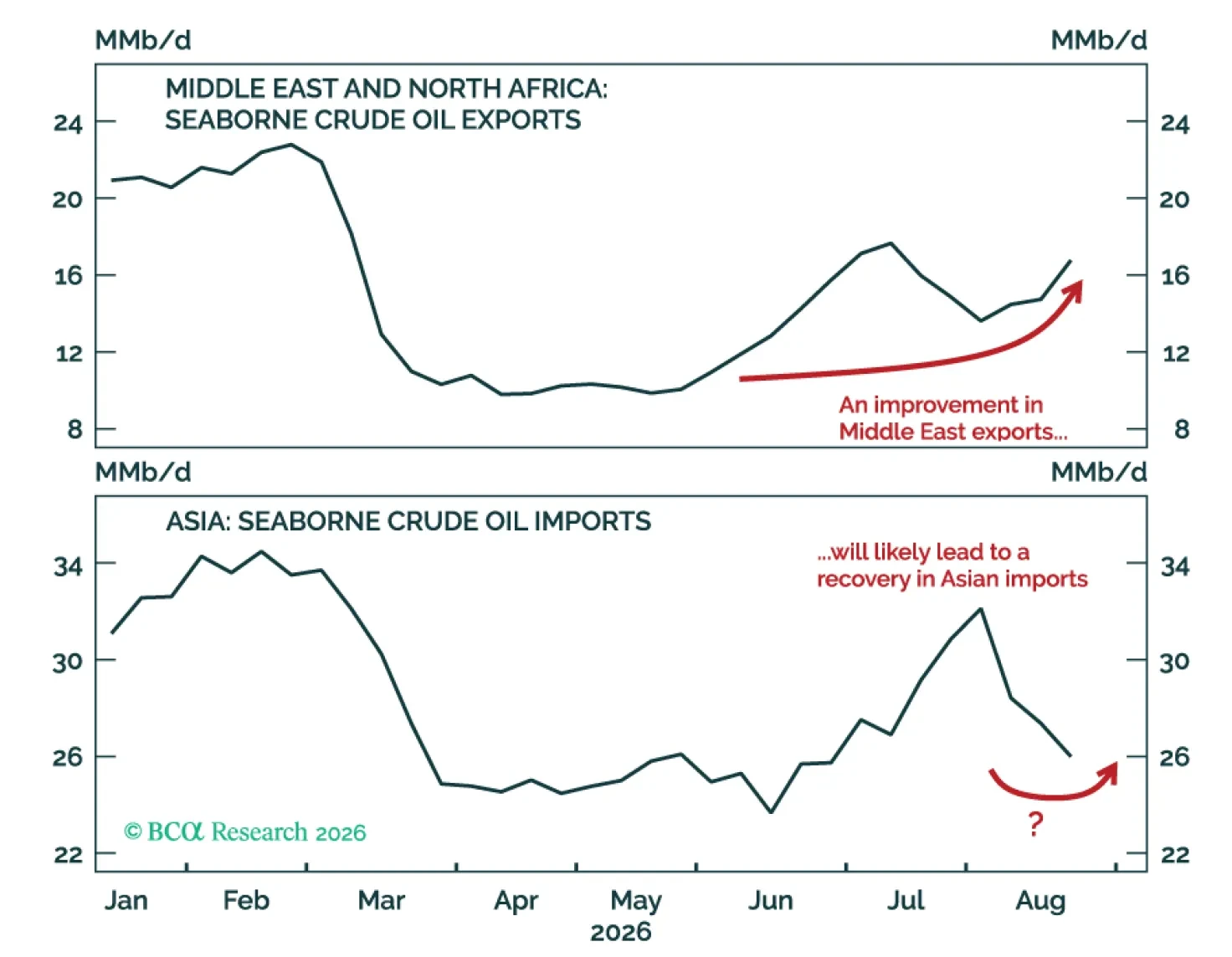
The wide crack spread reflects a bifurcated oil market. The severity of the crude oil disruption has recently softened, while the US-Iran and Ukraine-Russia conflicts have created a perfect storm for refined product markets. Going forward, even though conditions are not yet in place for the crack spread to return to its pre-conflict level, it is likely to narrow over the coming months.
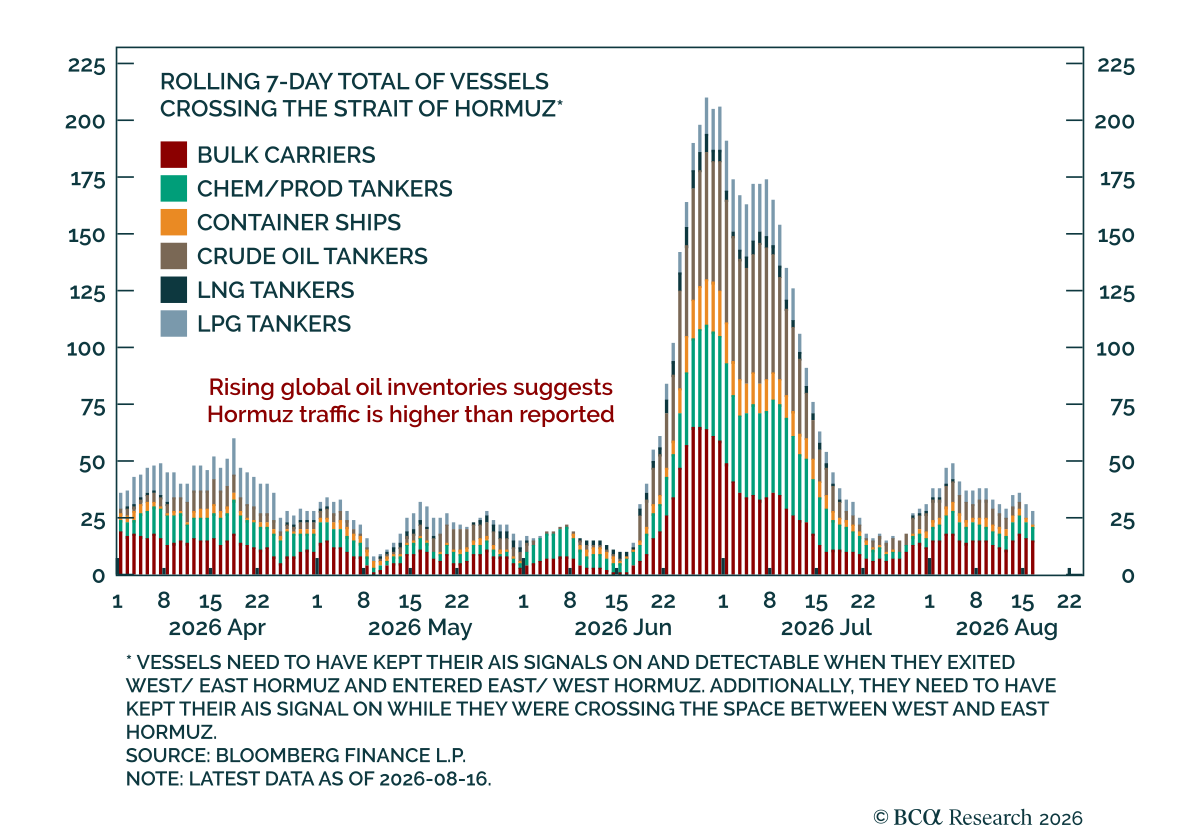
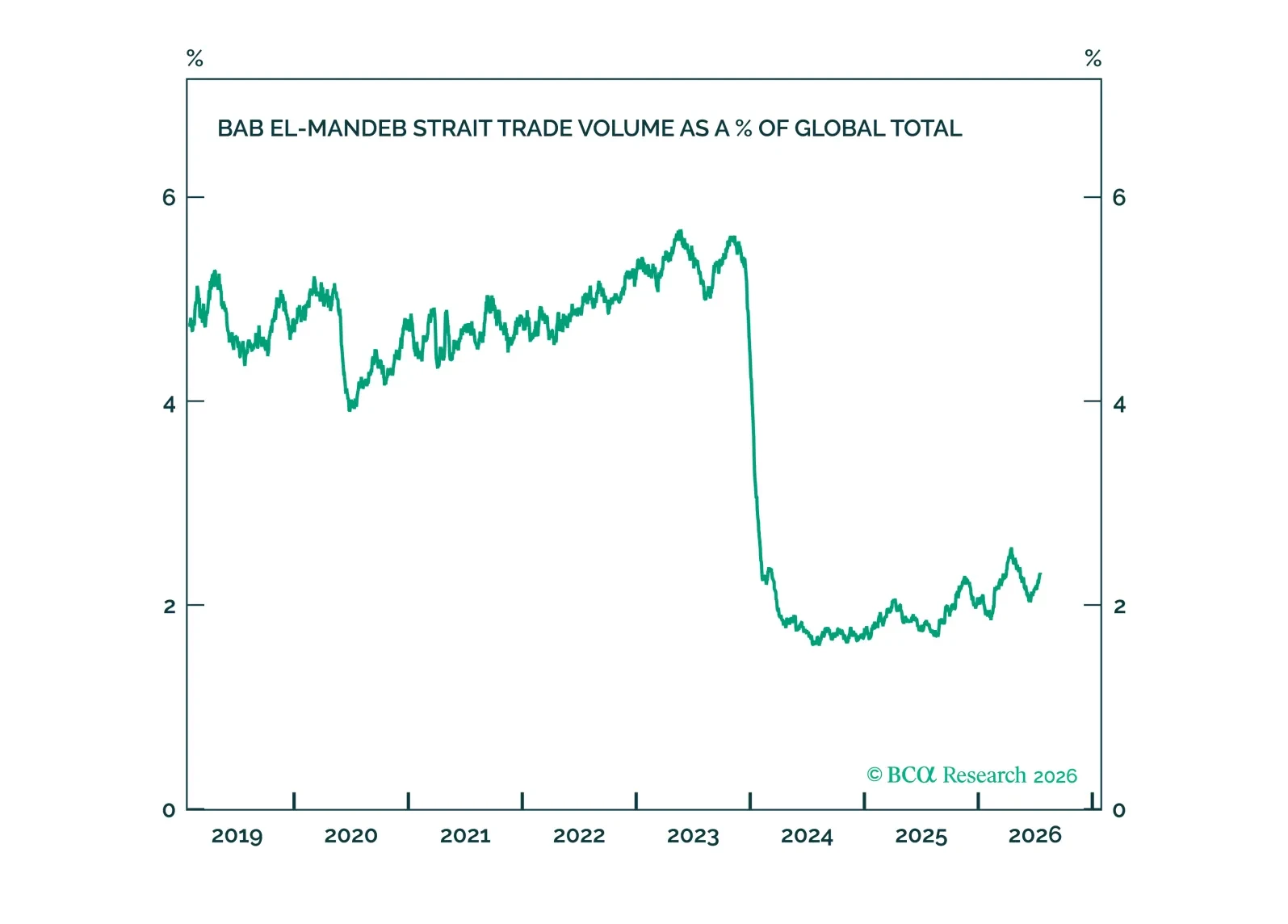
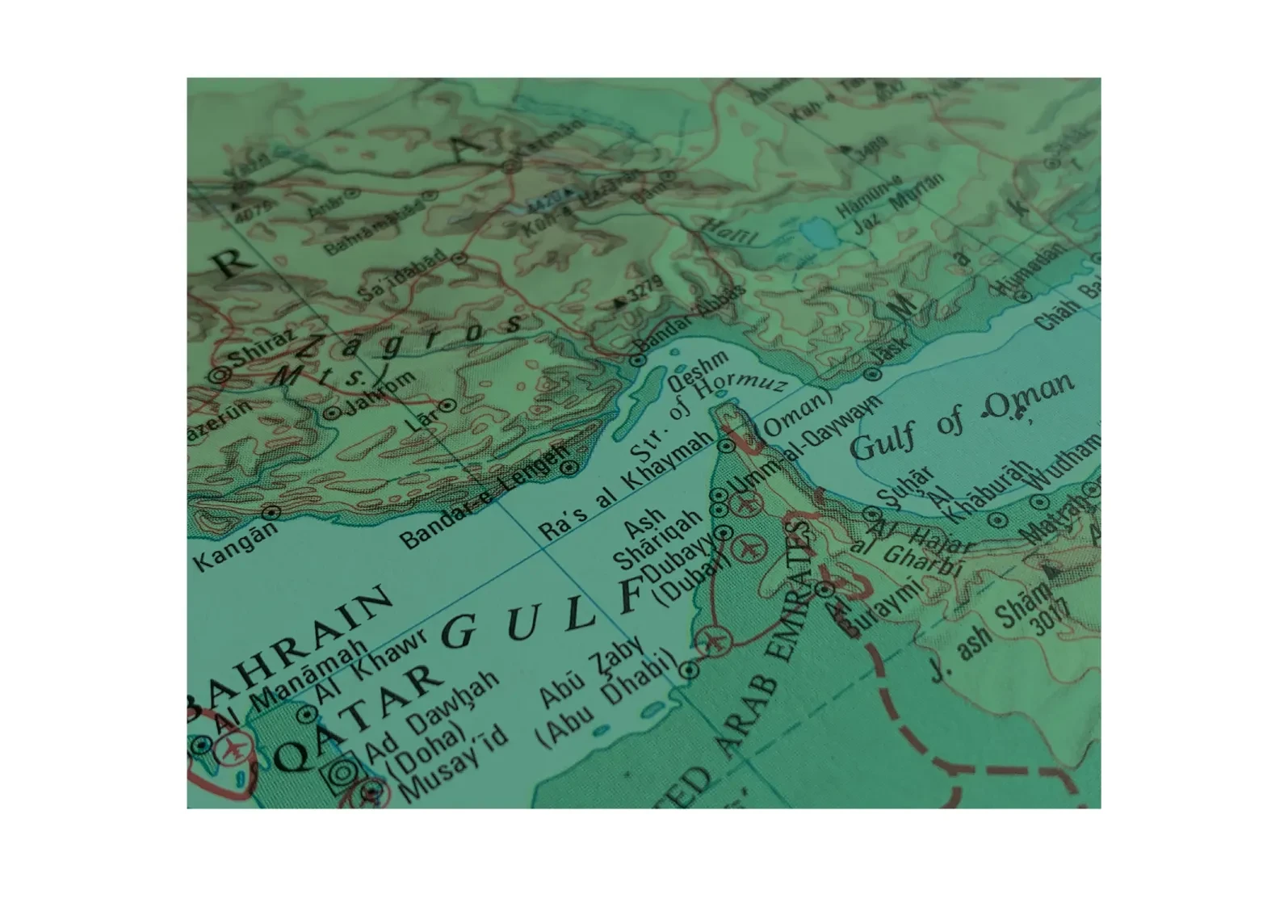
The Strait of Hormuz is a unique geographical feature. Other than the Bosporus and Dardanelles Straits that allow passage between the Mediterranean and the Black Sea (via the Sea of Marmara), there are very few other such, economically valuable, choke points. What many armchair geopolitical strategists consider “critical” naval routes – Strait of Malacca, Panama Canal, Suez – are really just pathways of convenience. “Nice to haves” – in that they significantly reduce sailing times – as opposed to the “must have” that is Hormuz.
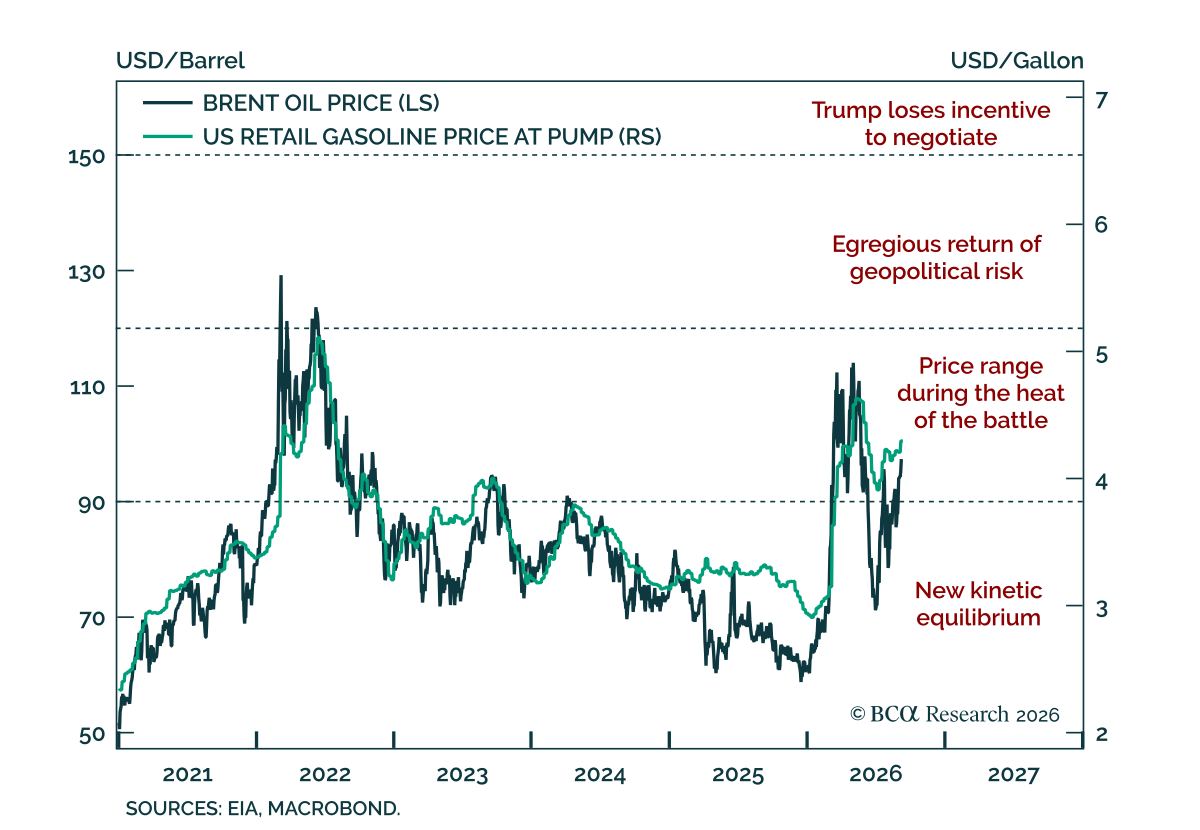
In our last update on the Iran-US conflict, we noted that both sides in the conflict (all three, if we include Israel) were “coloring inside the lines.” By that we meant that they were abiding by the “red lines” of kinetic activity established in the heat of the first iteration of the Iran conflict. Specifically, we noted that investors should watch carefully for any sign that attacks were spreading beyond military facilities.