Sorry, you need to enable JavaScript to visit this website.
Skip to main content

Recession-Hard/Soft Landing

Friday’s PCE report showed a resilient US economy. Real personal consumption increased by 0.4% m/m in February, beating expectations of 0.1% m/m and remaining above its pre-pandemic trend. Both services and goods contributed positively. Real personal…

We are not yet ready to downgrade equities on a tactical basis but continue to expect we will eventually do so. We present a checklist of indicators that we are watching to determine when to de-risk.
MacroQuant downgraded equities from overweight to neutral on a 1-to-3 month horizon. The model maintains a neg­ative view on stocks over a 12-month horizon.
At 3.9% in February, the unemployment rate remains quite low in the US, corroborating the signal from GDP that current economic conditions are fine. Similarly, the Sahm Rule – which currently stands at 0.3 pp – has somewhat stabilized in recent months and has…
The US economy expanded at a faster pace than previously believed in 2023Q4. GDP grew at an annualized 3.4% q/q rate, thus annulling the second estimate’s downward revision. Notably, consumption growth was revised even higher to 3.3% q/q, from 3.0% q/q and…

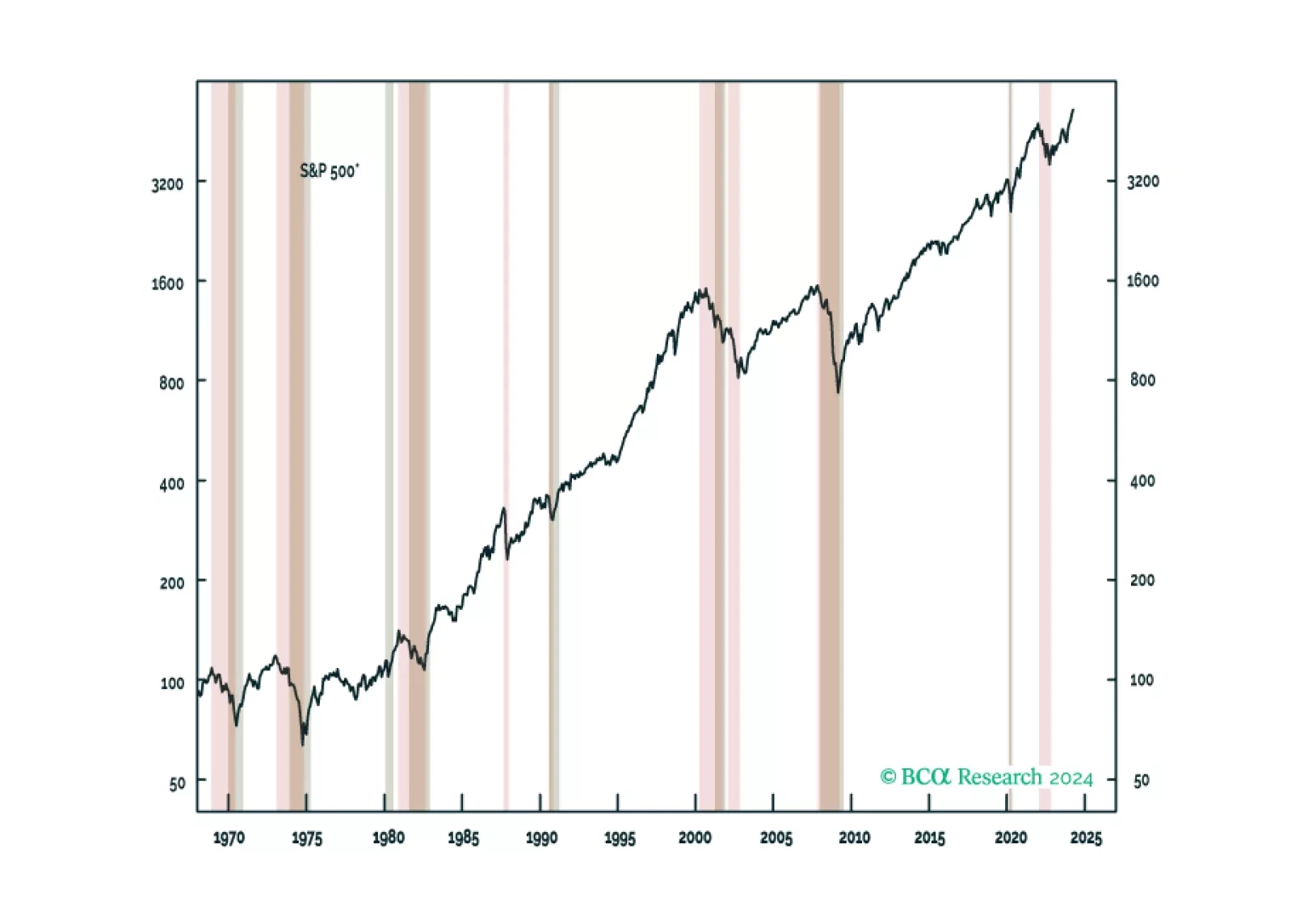
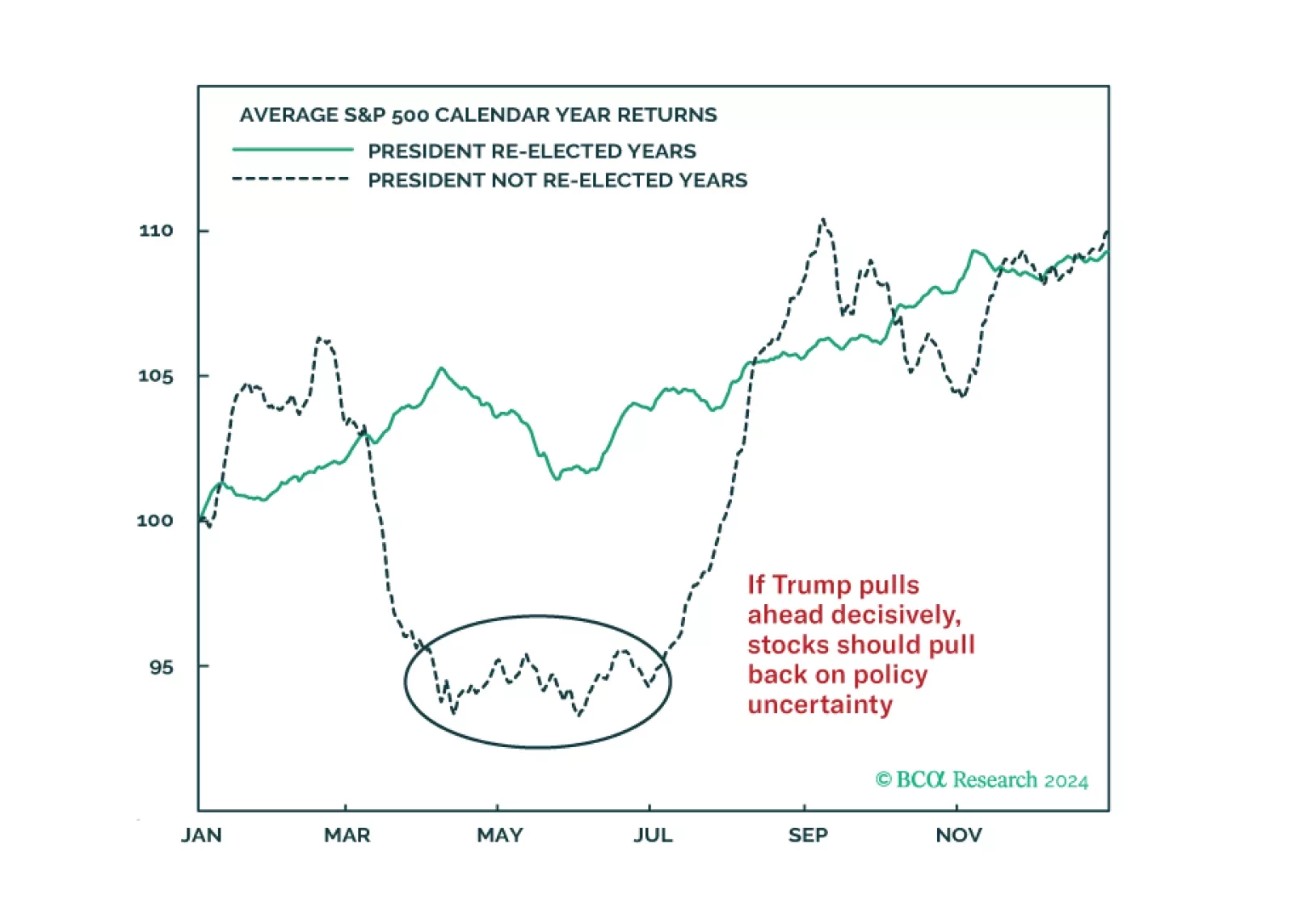
Investors around Europe and North America are concerned that the stock market is increasingly overbought and vulnerable to exogenous risks. We agree and have good reasons to fear that festering geopolitical risks and the US election season will deal negative surprises.
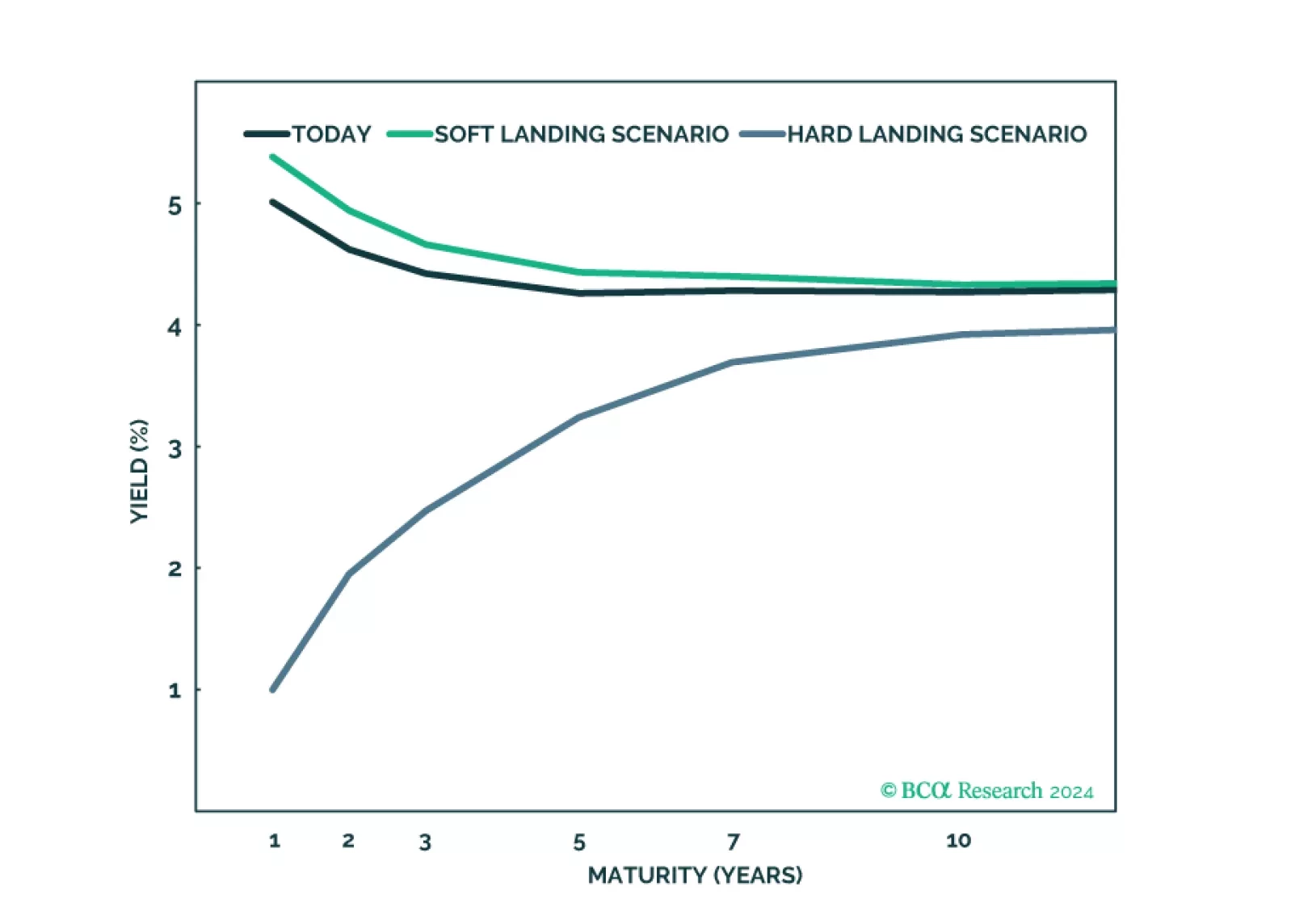
We expand our risk/reward analysis of US investment grade corporate bonds to focus on the 44 industry groups included in the Bloomberg index.

In an Insight we published yesterday, we highlighted that the S&P 500 rally has recently stopped narrowing with the gap between the market cap-weighted and equal-weighted indices stabilizing over the past month. This has also coincided with a…
The Swedish krona was among the weakest G10 currencies on Wednesday following the Riksbank meeting. Although the central bank kept the benchmark rate unchanged as expected, the post-meeting communication was on the dovish side. The press release noted that…

For the first time in at least fifty years, US labour supply is running well below labour demand, meaning the US economy is ‘inverted’. We discuss how and why the economy inverted, and what it means for recession, inflation, and asset allocation. Plus: NVDA is at a consolidation point.