Recession-Hard/Soft Landing

After having traded sideways for the past month, US equities ended the week on a high note with the S&P 500 closing at fresh record high on Friday. Last year’s winners are once again driving the rally. Information Technology, Communication Services, and…
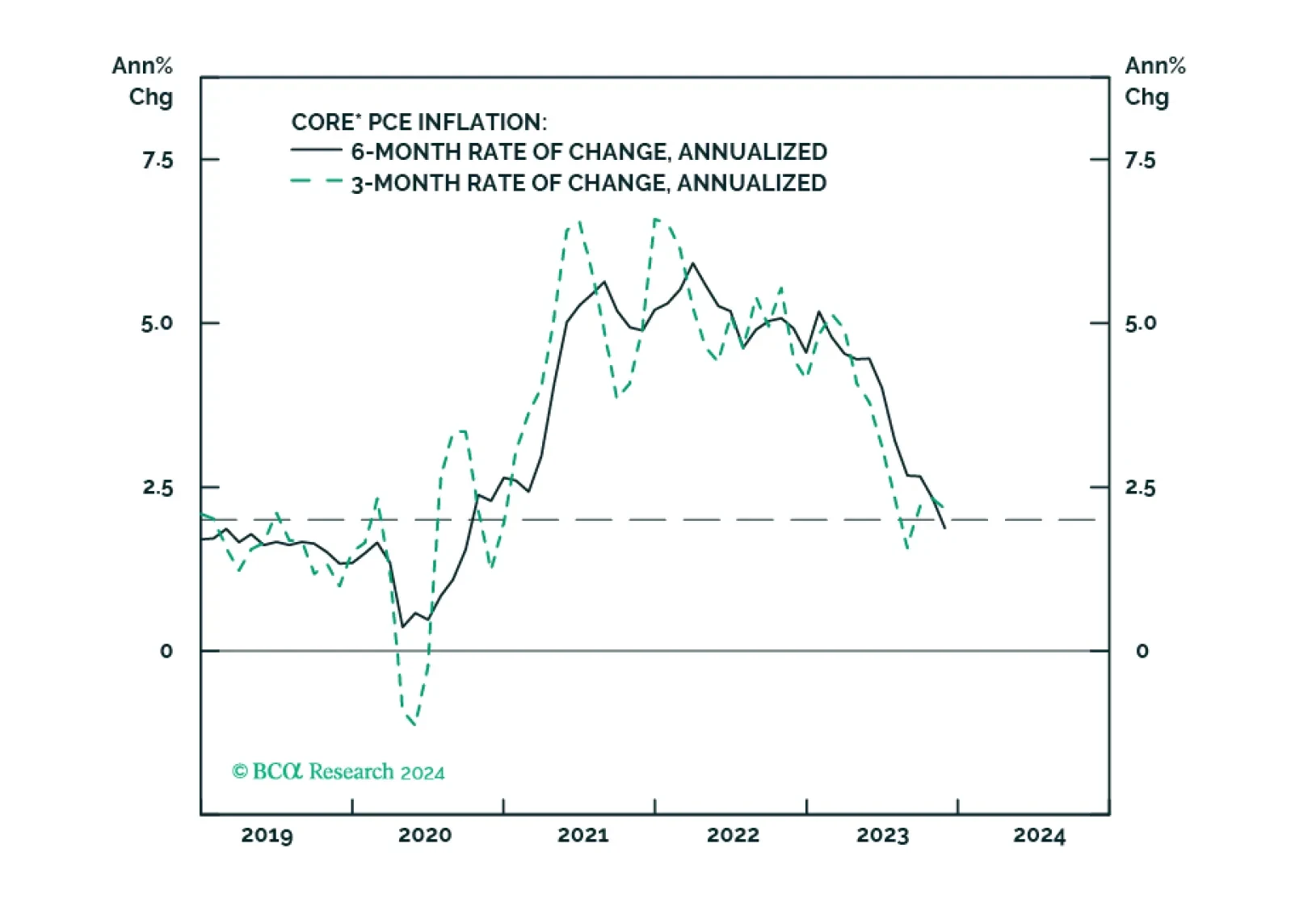
An update to our outlooks for the Fed’s interest rate and balance sheet policies following this week’s remarks from Fed Governor Waller.
The Fed’s latest Beige Book delivered a lukewarm message on the US economy. Growth, employment, and prices were all relatively stable since the previous release in late-November. Eight districts reported little or no change in activity, three districts…
Recent data suggest that the US housing market is resilient. In particular, a strong rebound in homebuilder sentiment is sending a positive signal. The NAHB Housing Market Index jumped from 37 to 44 in January – handily beating expectations of 39 on the back…
The 1mm b/d surge in US crude oil production last year was the result of a flood of low-cost drilled-but-uncompleted (DUCs) shale-oil wells coming online, mostly in 2H23 in the Permian Basin, which our colleagues in BCA's Commodity & Energy Strategy…
The US retail sales release delivered a positive signal about the US economy in December. The 0.6% m/m increase in overall retail sales beat expectations of a more muted acceleration from 0.3% m/m to 0.4% m/m. Importantly, the improvement was broad-based with…
The British pound was the best performing G10 currency on Wednesday as UK gilts sold off meaningfully with the 10-year yield ending the day nearly 19 basis points higher. An unexpected acceleration in CPI inflation in December prompted the move. Notably,…
The New York Fed’s Empire State Survey delivered a somber signal about US manufacturing conditions. The headline general business conditions index plunged from -14.5 to -43.7 in December, disappointing expectations of an improvement to -5.0. This move…
Results of the ZEW survey sent a slightly positive signal on German investor sentiment. The economic expectations indicator rose to an 11-month high in January – beating consensus estimates of a decline. This increased optimism about the outlook reflects an…
Canadian government bond yields jumped on Tuesday, with the 10-year yield rising by nearly 14 basis points. While most other major DM government bonds also sold off, the move in Canadian yields was relatively more pronounced. Both global and domestic forces…