Sorry, you need to enable JavaScript to visit this website.
Skip to main content

Sectors

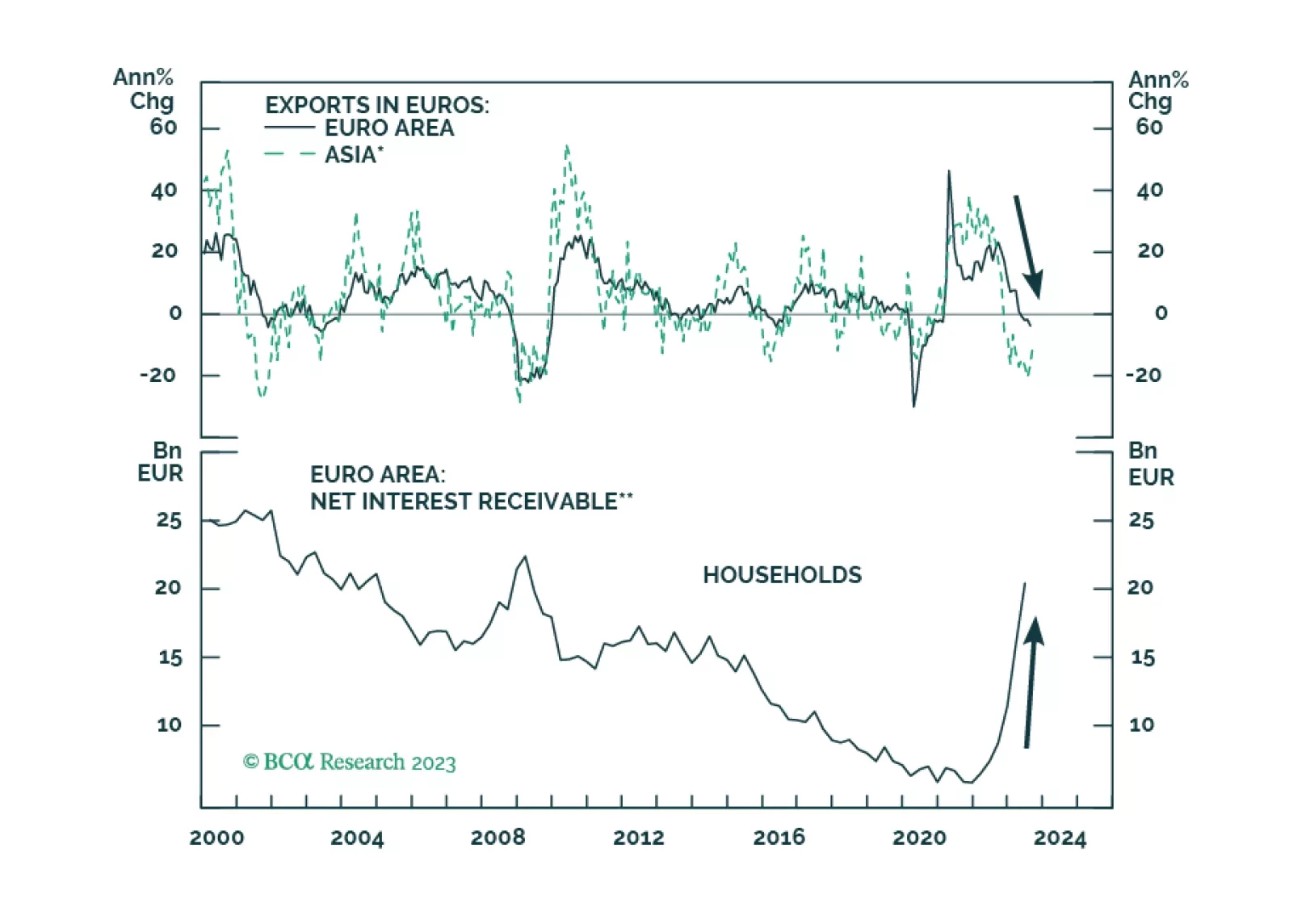
Europe’s weak patch is not about the ECB’s policy tightening, at least not yet. 2024 is another story, and the ECB’s policy will prompt a Eurozone’s recession around the summer.

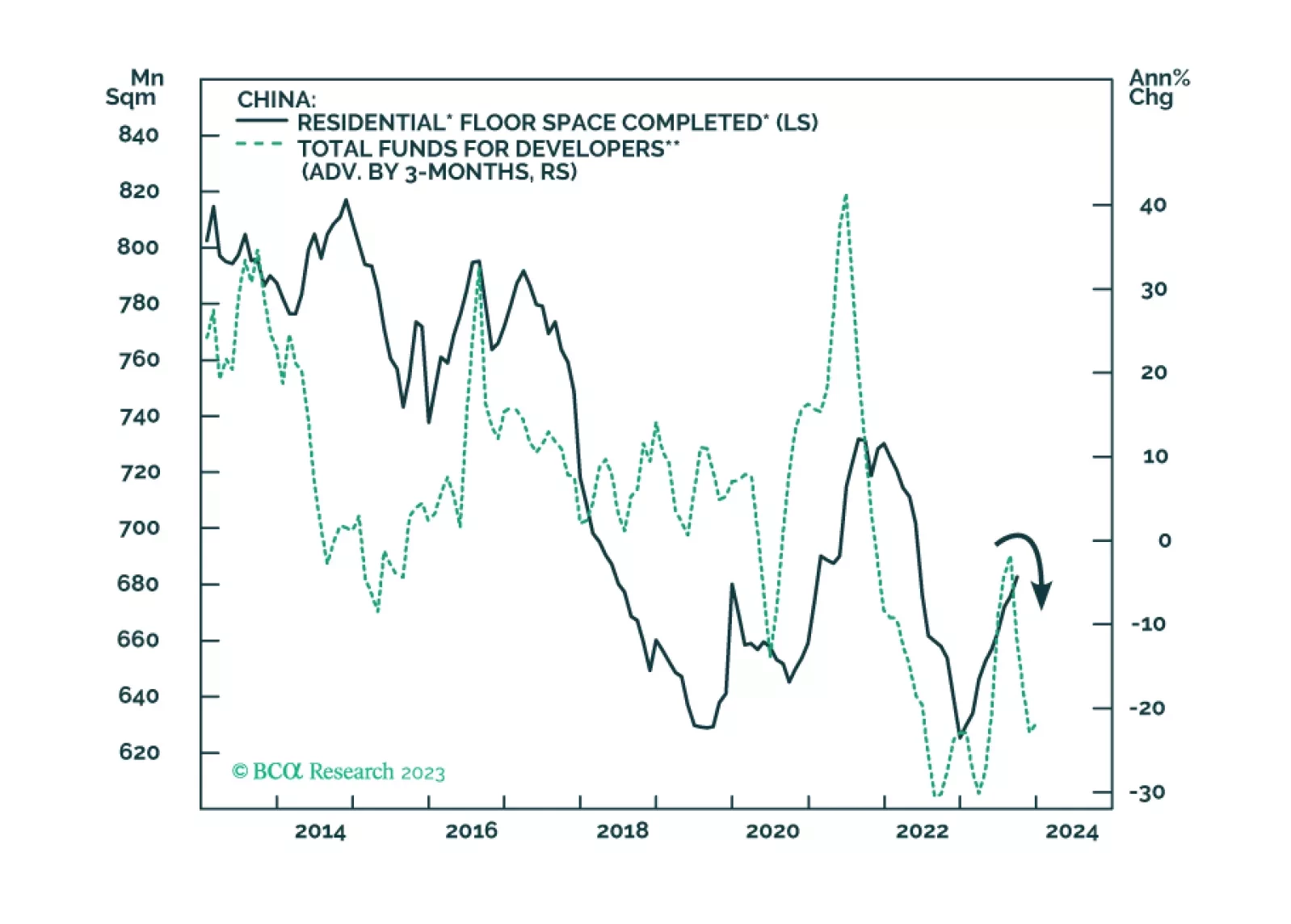
Earlier this year we highlighted that China's property market dynamics pose a greater risk to the price of steel vis-à-vis copper. This view was based on the expectation that Chinese policymakers will direct financing towards the completion of unfinished and…
A powerful feature of the Equity Analyzer platform is its breadth of coverage: roughly 13 thousand stocks trading on MSCI Developed Market exchanges. Since we have a cross-section of the same stock level data across multiple regions, we can aggregate this…
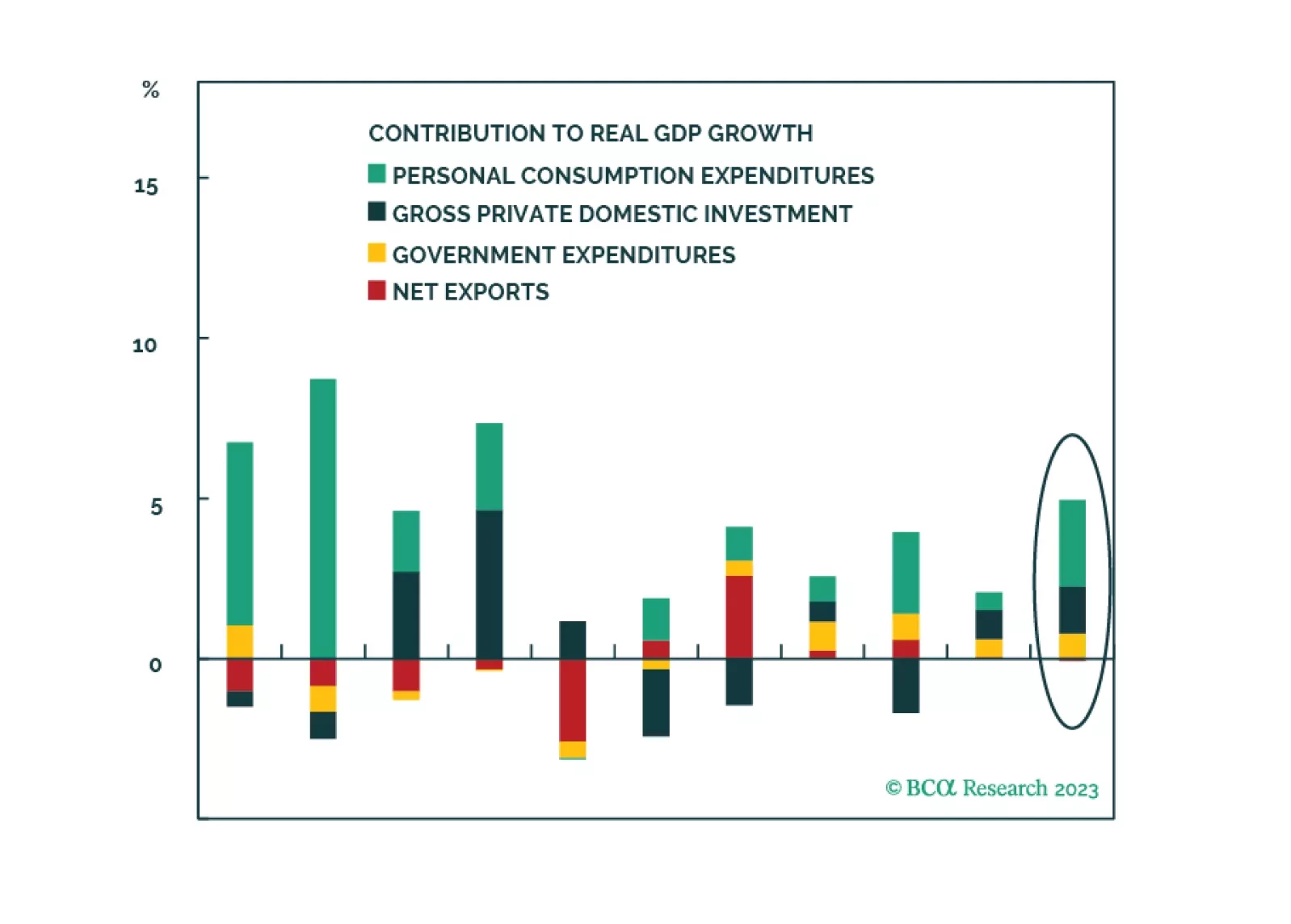
US equities have somewhat stabilized since the beginning of October. After falling by 6.6% in the prior two months, the S&P 500 ended the day on Wednesday 0.6% above where it was at the end of September. Indeed, recent hard data have been on the firm…

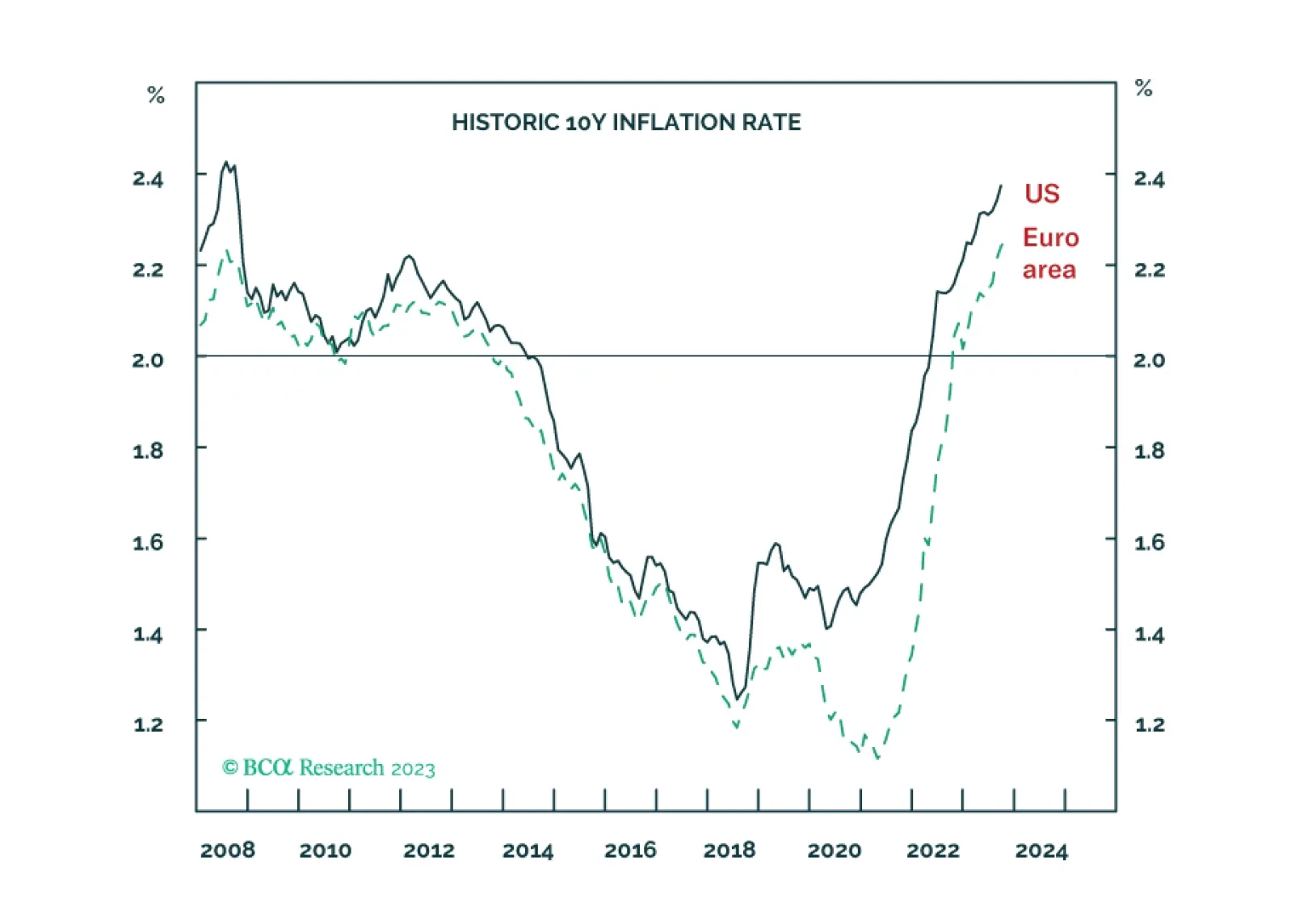
The Hamas attack against Israel, timed almost 50 years to the day after a similar surprise attack on Yom Kippur of 1973, has evoked parallels with the 1970s. Parallels not only with Middle Eastern geopolitics then and now, but also with inflation, economics, and financial markets. In this report, we explain what went wrong in the 1970s and whether the mistakes will be repeated. Plus: the sharp sell-offs in some Latin American currencies are reaching a potential turning-point.

Q3-2023 is expected to mark the end of the earnings recession for the past three quarters, opening the door to positive earnings growth. Whether that would be sustainable or will sputter once the recession settles in as expected in 2024 remains to be seen. However, much of earnings growth is already priced in.

More equity volatility is coming in the short run. Trump’s nomination looks to be smooth, which marginally reduces the incumbent party advantage and increases policy uncertainty.

As global financial institutions like the IMF draw attention to the real-estate crisis in China, the CCP will be forced to step up regulatory and restructuring efforts to contain its spread and limit further contagion domestically and globally. The Party also will be forced to deliver stronger fiscal- and monetary-policy support to beleaguered banks and developers. We expect it to do so, which keeps us bullish energy and metals. Failure raises the odds of a collapse in the property markets, which would be socially destabilizing, and lead to greater risk aversion and volatility globally.

Special Report

Domestic auto sales in China will likely have anemic growth over the next three years. Yet, Chinese automakers are set to gain a larger share of the global market. Go long Chinese automakers / short global ones.

According to BCA Research’s European Investment Strategy service, European automobile and components stocks will suffer over the coming years. The European automobile and components equity sector is cheap, trading at a modest 5.4 times forward earnings or…