Sorry, you need to enable JavaScript to visit this website.
Skip to main content

United States

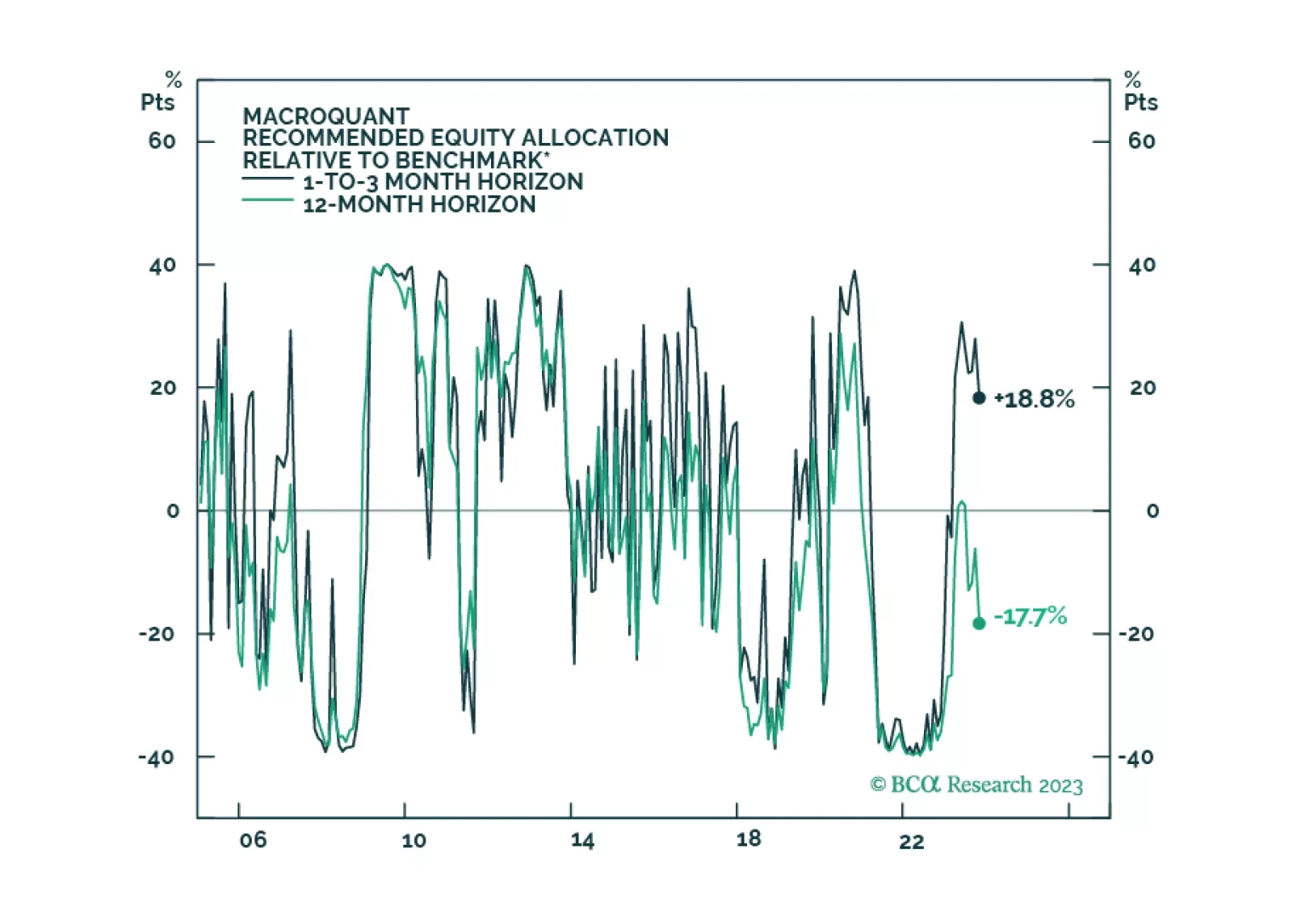
We are approaching another phase transition from boom to bust. Stocks should rally into year-end, but investors should look to reduce equity exposure early next year while increasing bond exposure.
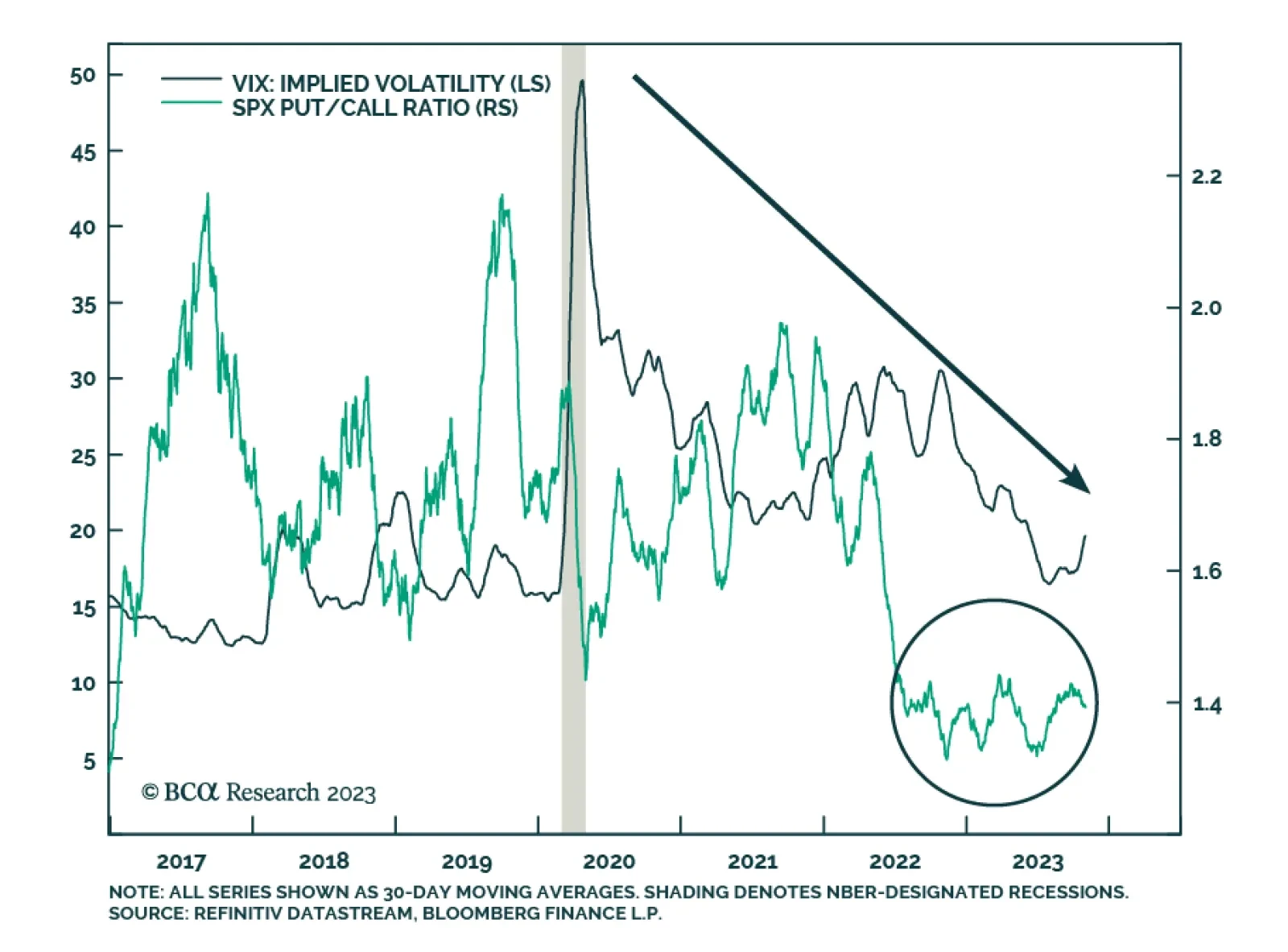
Our Private Market & Alternatives strategists recently upgraded their recommendation on Crisis Risk Offset (CRO) strategies within Hedge Funds from neutral to overweight. They are not making a tactical call around tail risk or black swan events. But they…
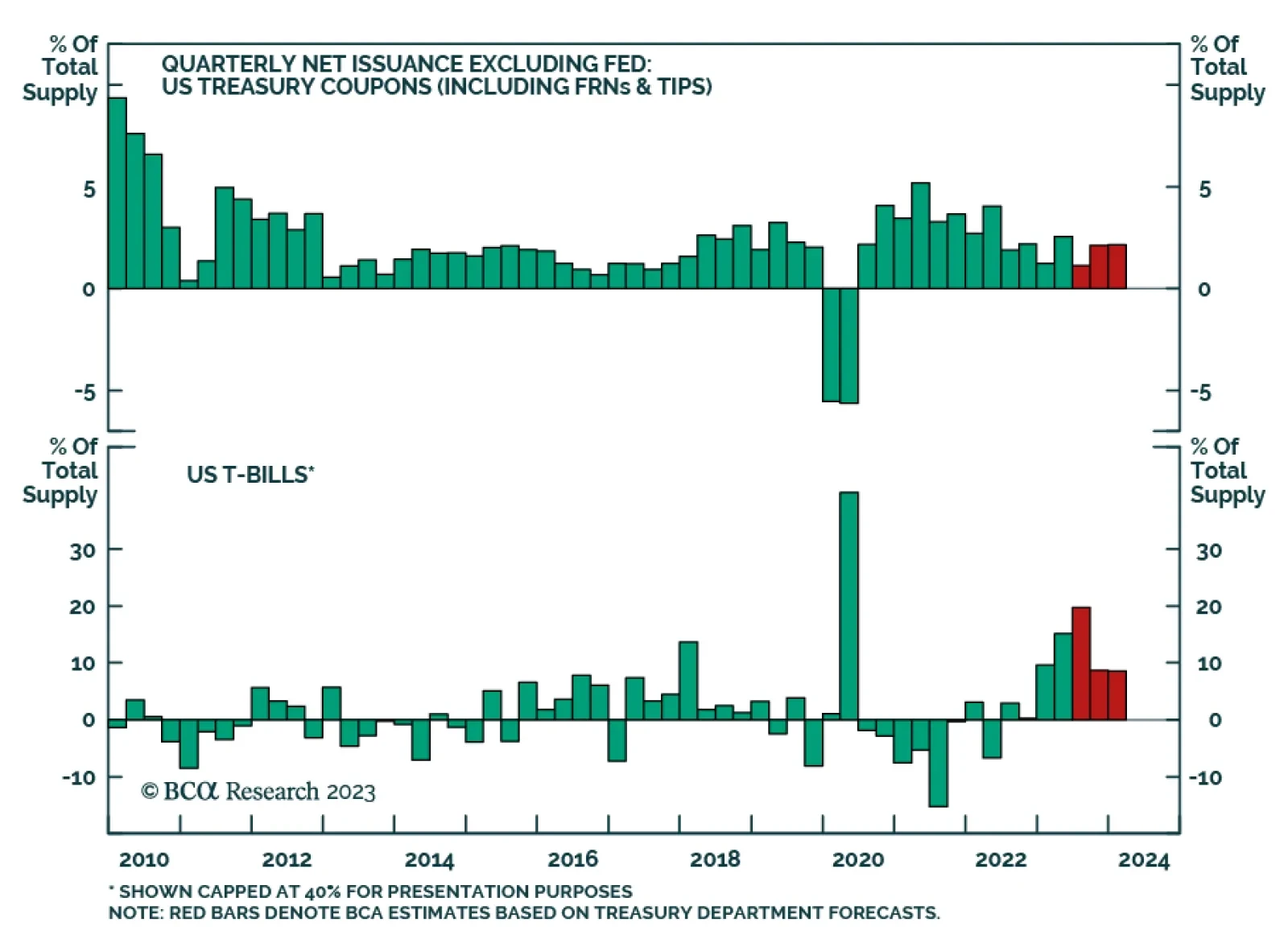
According to BCA Research’s US Bond Strategy service, while economic growth will be a much more important driver of Treasury yields going forward than supply, the Treasury department did make several announcements on Wednesday that will mitigate any negative…

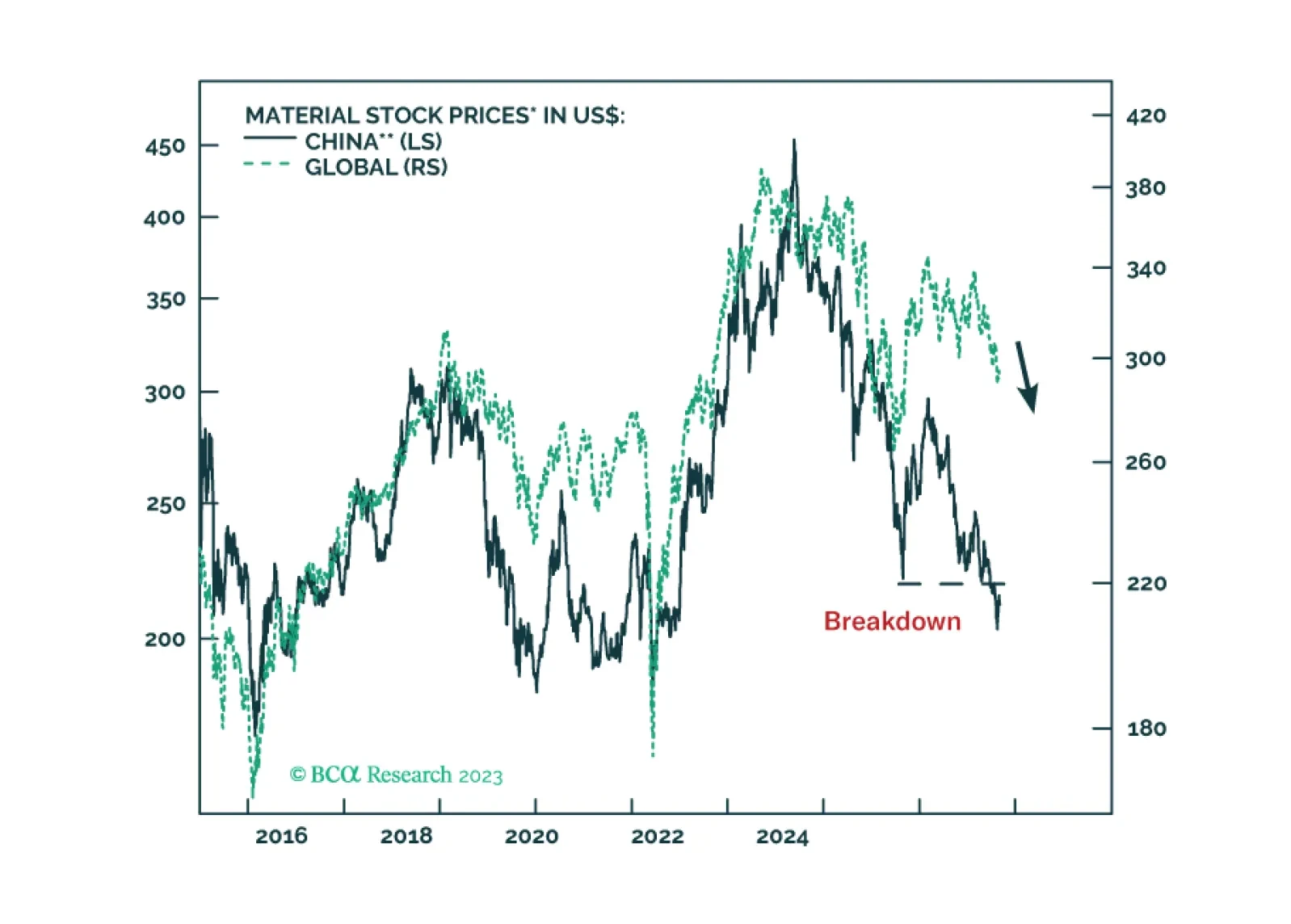
In financial systems, cracks typically begin on the periphery and then expand to the center. Hence, the ruptures on the fringes often act as an early warning. These fissures tend to widen and spread to the core, causing a breakdown in the S&P 500. Investors should consider buying US Treasurys aggressively when the S&P 500 slips below 4,000.
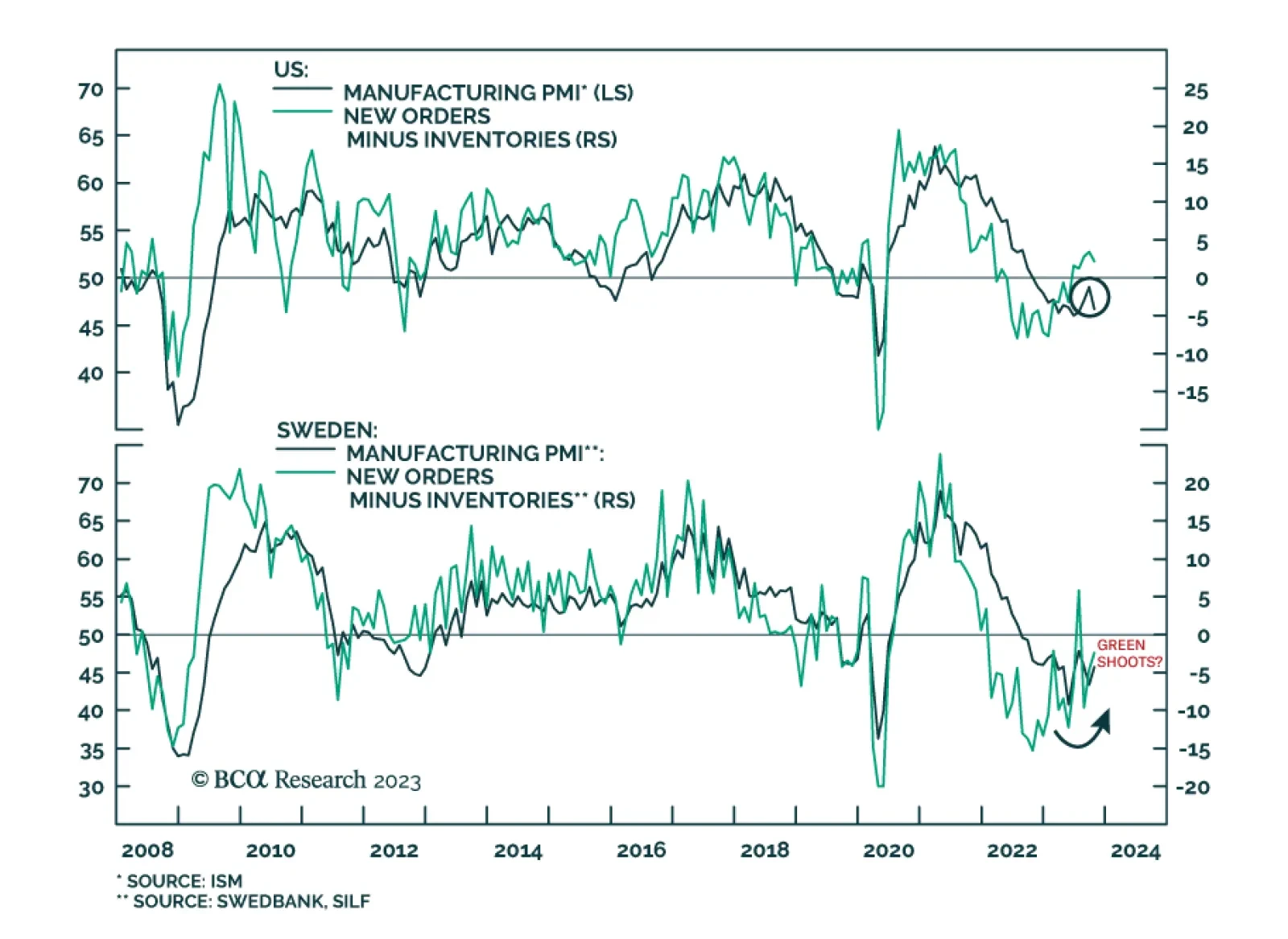
The US ISM Manufacturing PMI delivered a disappointing update on factory activity in October. The headline index unexpectedly fell to 46.7, surprising consensus estimates it would remain unchanged at 49.0. In particular, a sharp 4.4-point decline in the…
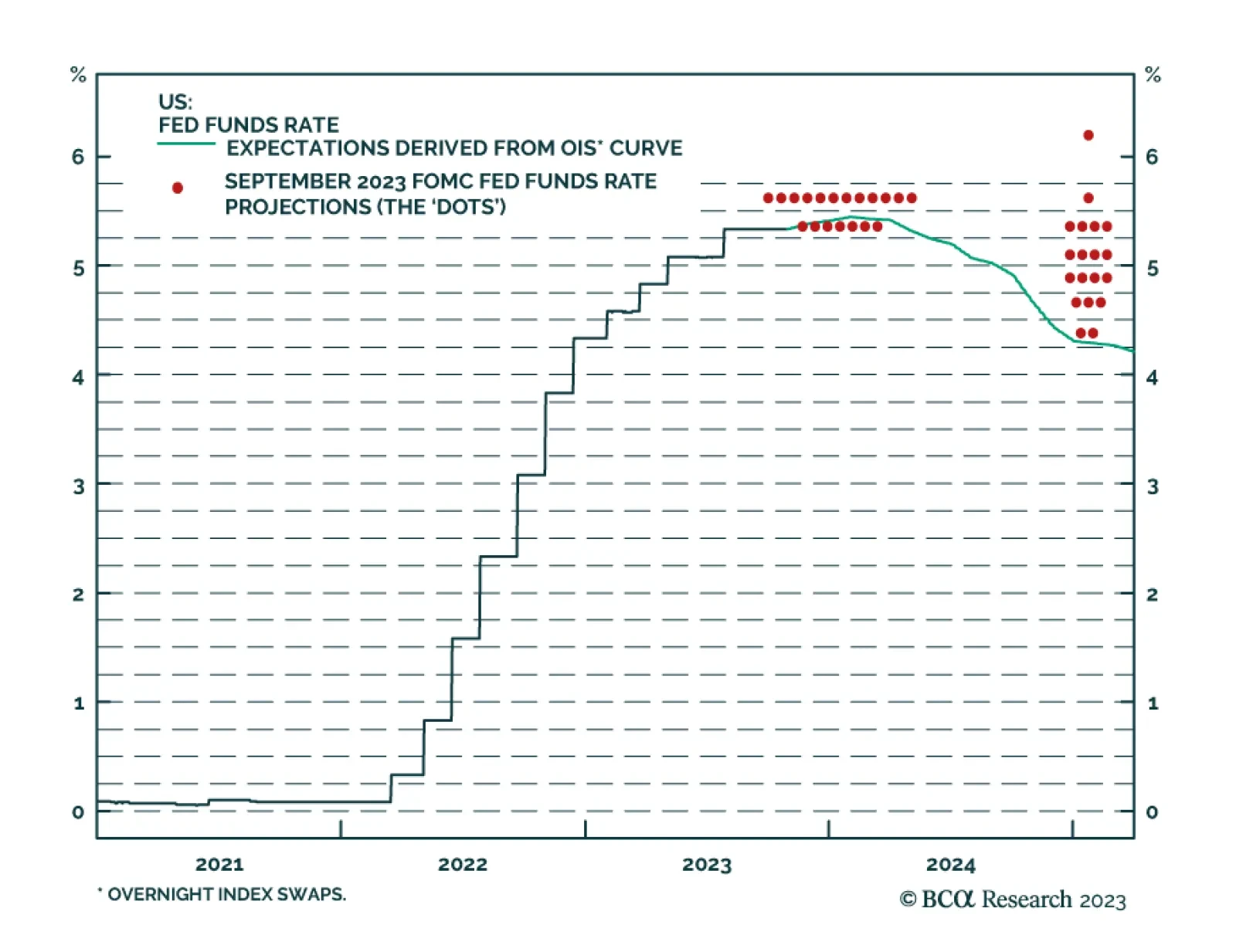
As expected, the Fed stood pat at its Wednesday meeting, maintaining the target for the fed funds rate at 5.25-5.50%. The minimal changes made to the Fed Statement were to emphasize the strong pace of economic activity in Q3, to characterize job gains as…

Our reaction to today’s FOMC meeting and the Treasury’s Quarterly Refunding Announcement.
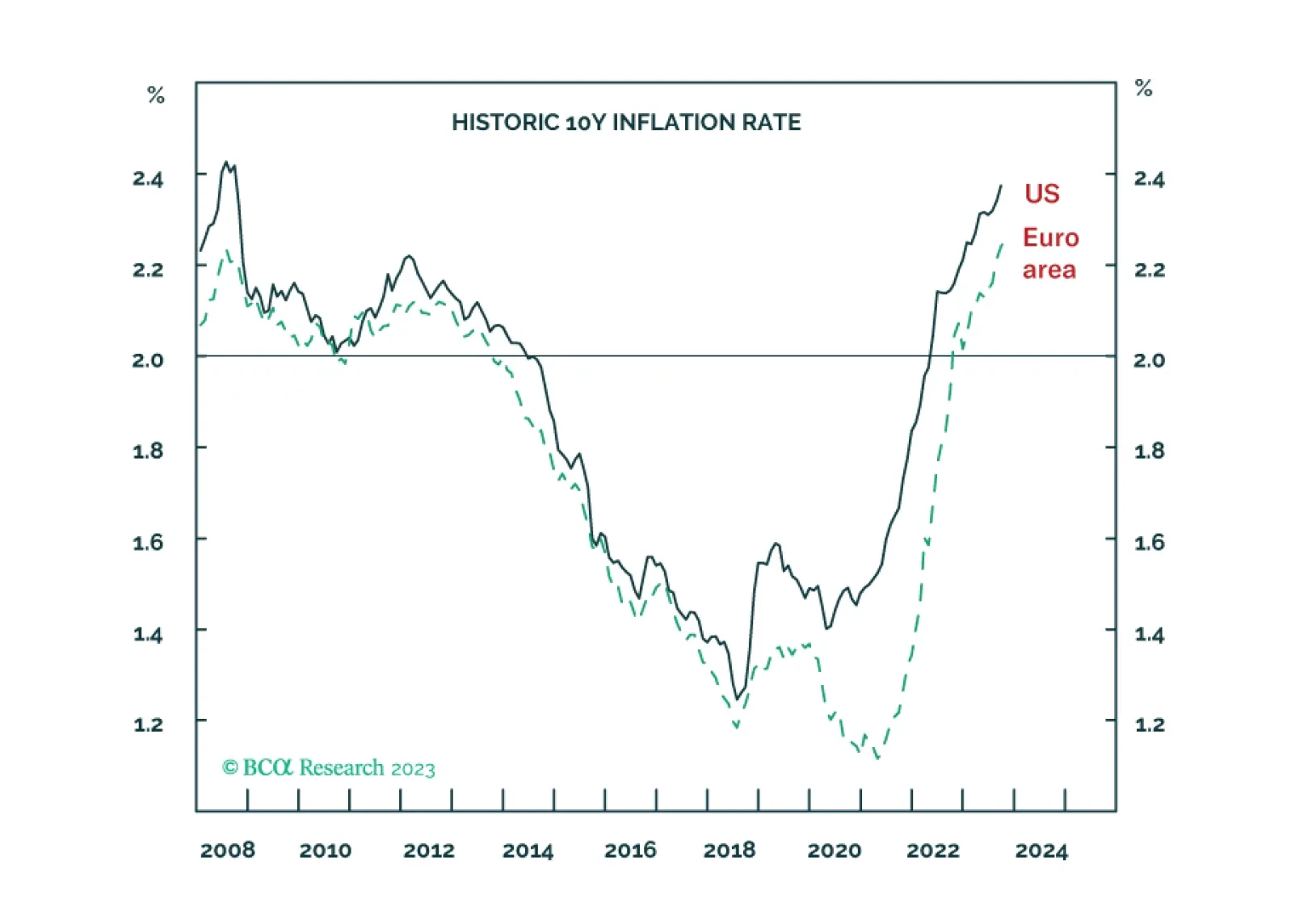
The fundamental component of long-term inflation expectations has climbed to its highest level since 2008 in both the US and the euro area. This means that both the Fed and the ECB will need to engineer inflation to undershoot 2 percent for an extended period if they are to maintain their 2 percent inflation targets. We explain what this means for investment strategy over the coming 6-12 months. Plus, we pinpoint what to focus on in this Friday’s US jobs report. And we identify food and beverages (PBJ) and the Indonesian rupiah (IDR/USD) as excellent rebound candidates.
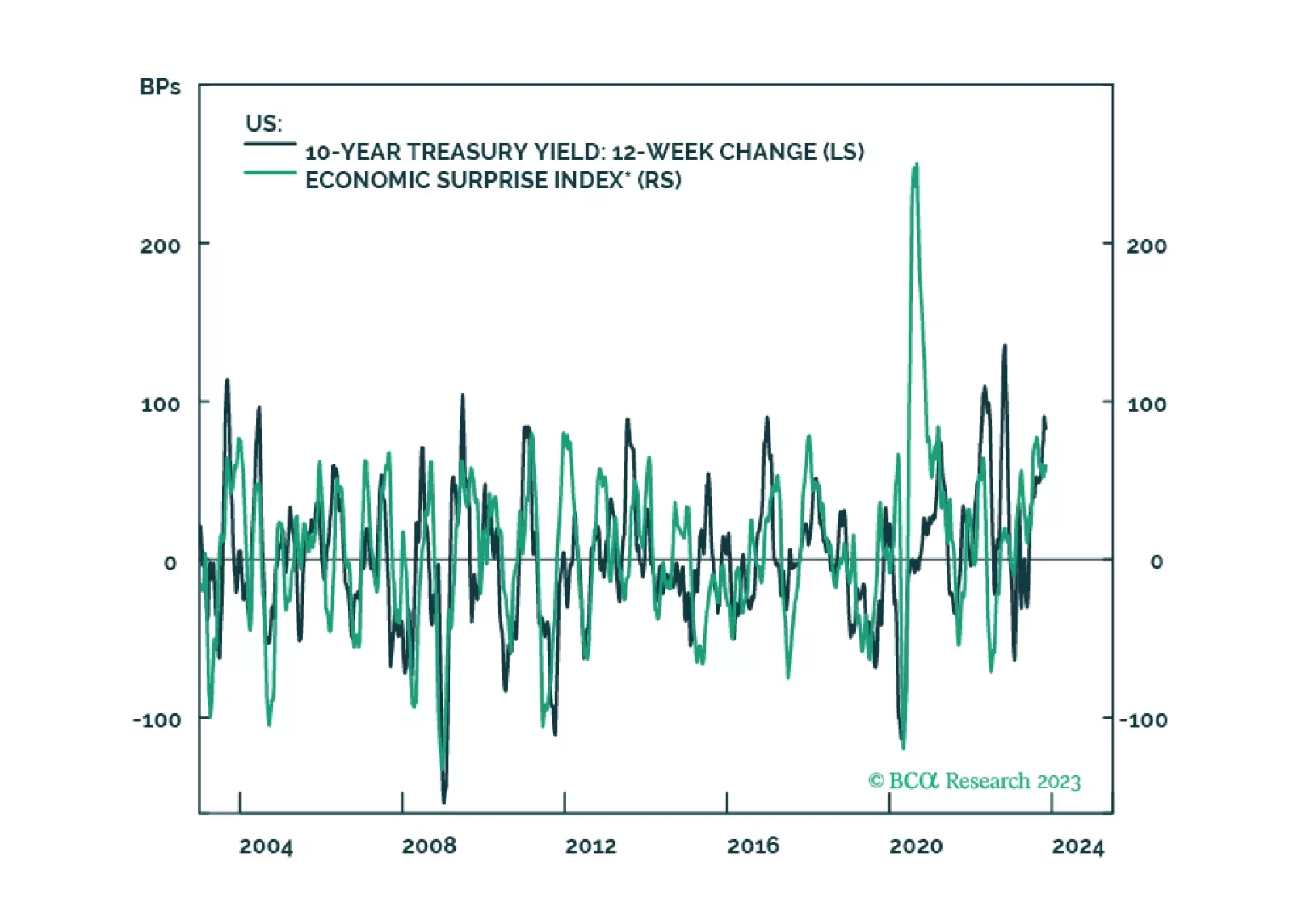
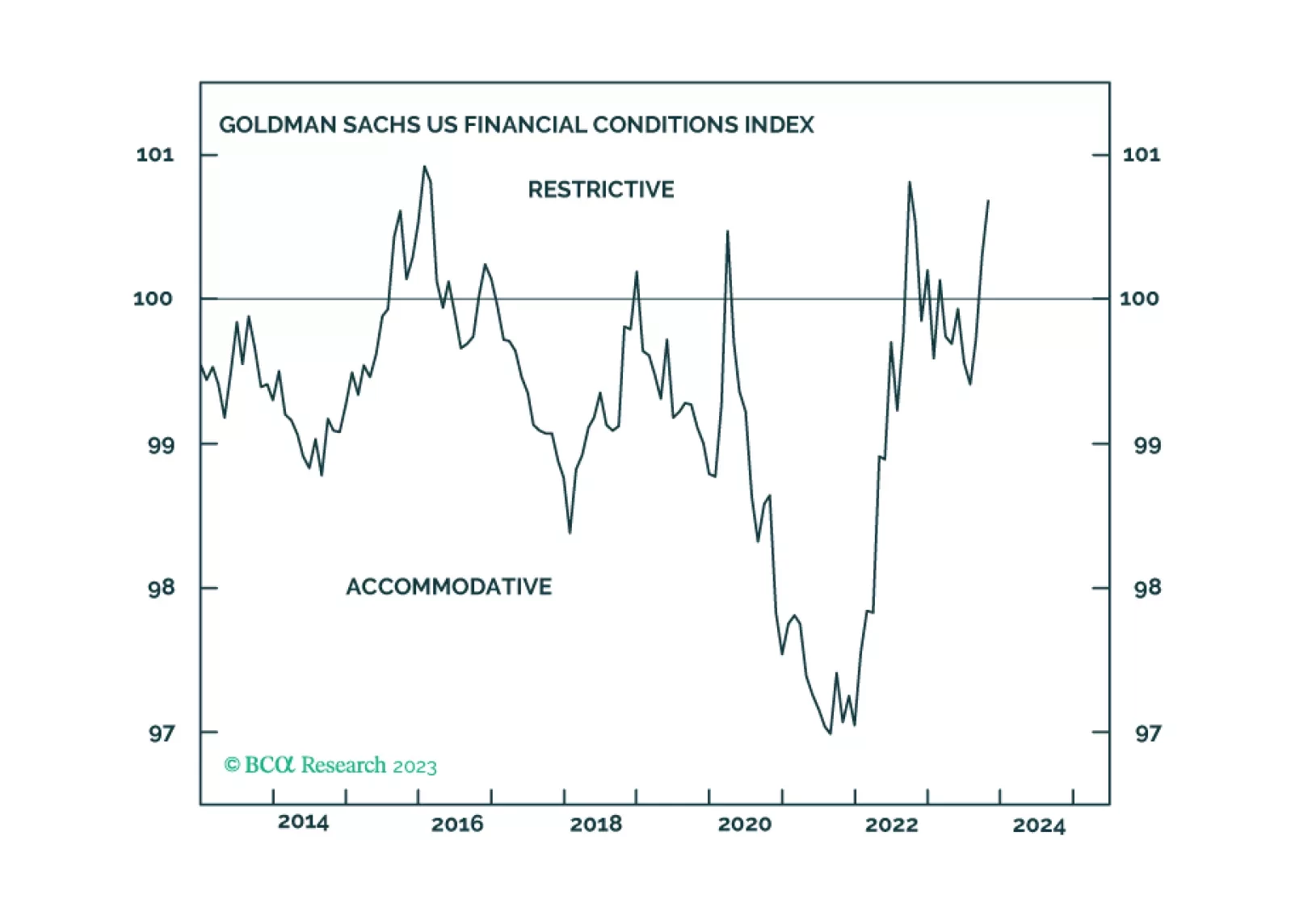
High interest rates will eventually cause growth to slow. Signs of stress are already starting to show. Stay cautiously positioned.
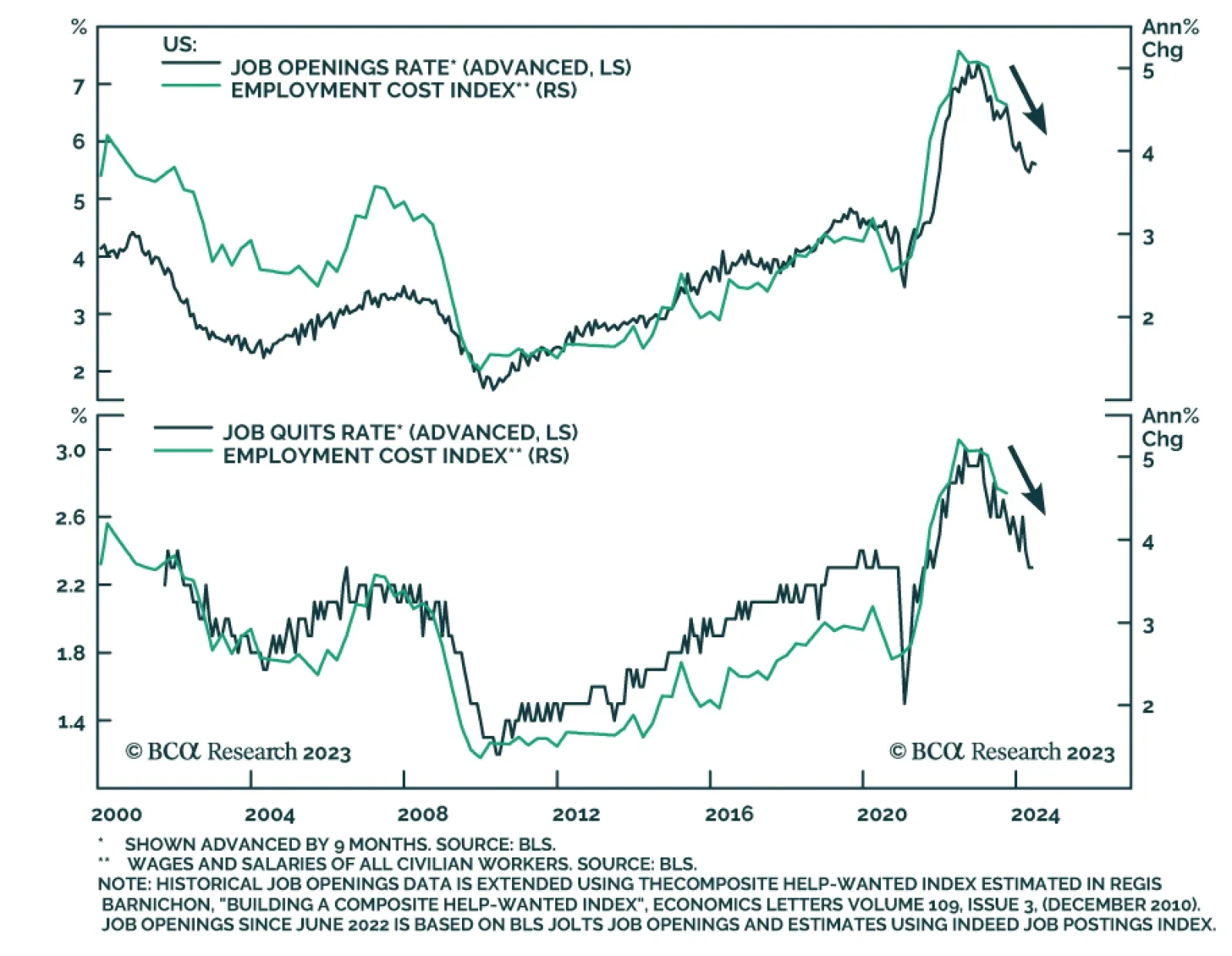
The US Employment Cost Index (ECI) unexpectedly accelerated in Q3, rising by 1.1% q/q versus anticipations the pace of increase would remain unchanged at 1.0% q/q. A pickup in wages and salaries drove the increase. On an annual basis, the ECI slowed from 4.5%…