
Sorry, you need to enable JavaScript to visit this website.
Skip to main content

United States

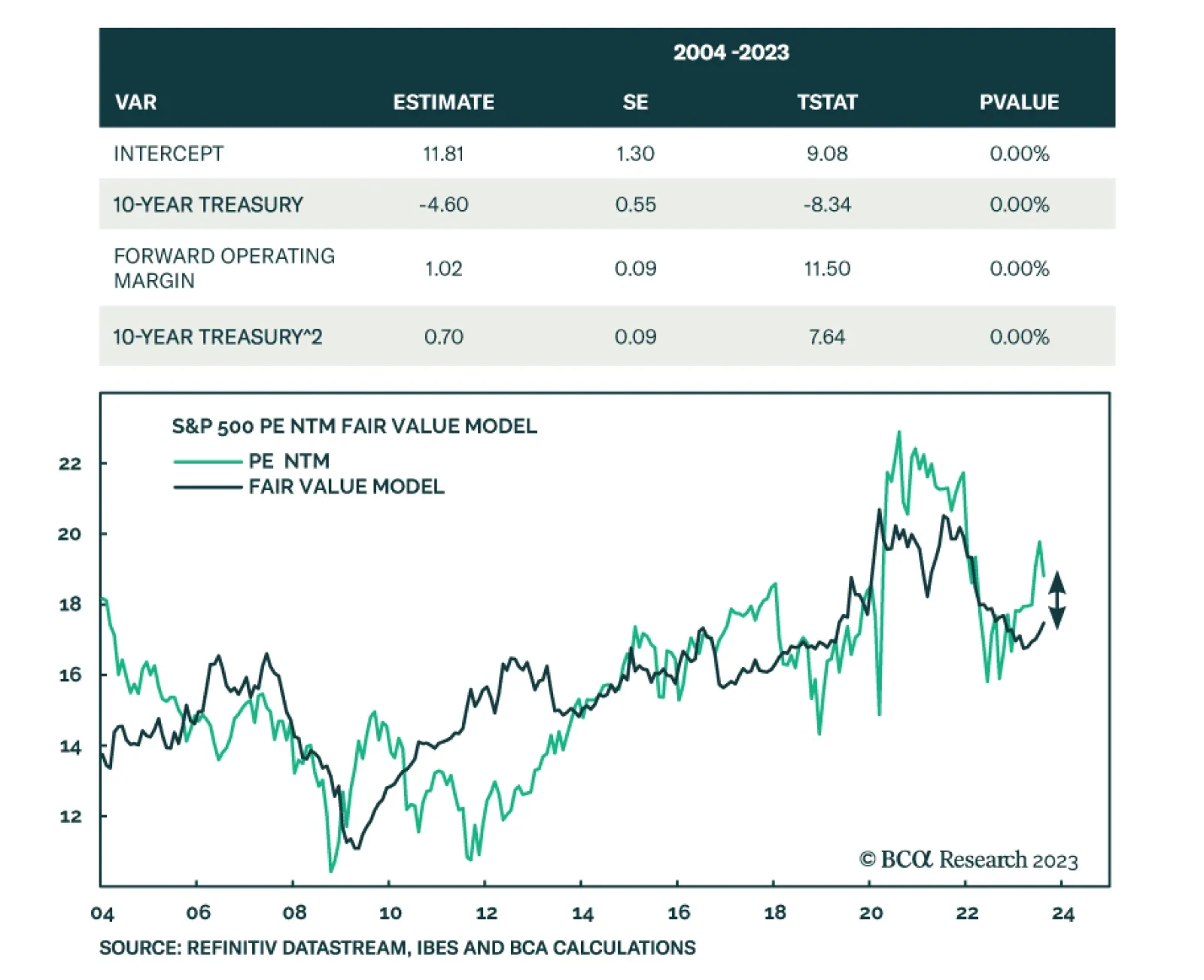
One of the few things US equity investors agree upon these days is that the S&P 500 is expensive whether it is relative to history, other asset classes, or the level of interest rates. But how overvalued is the market? To this end, BCA’s US equity…
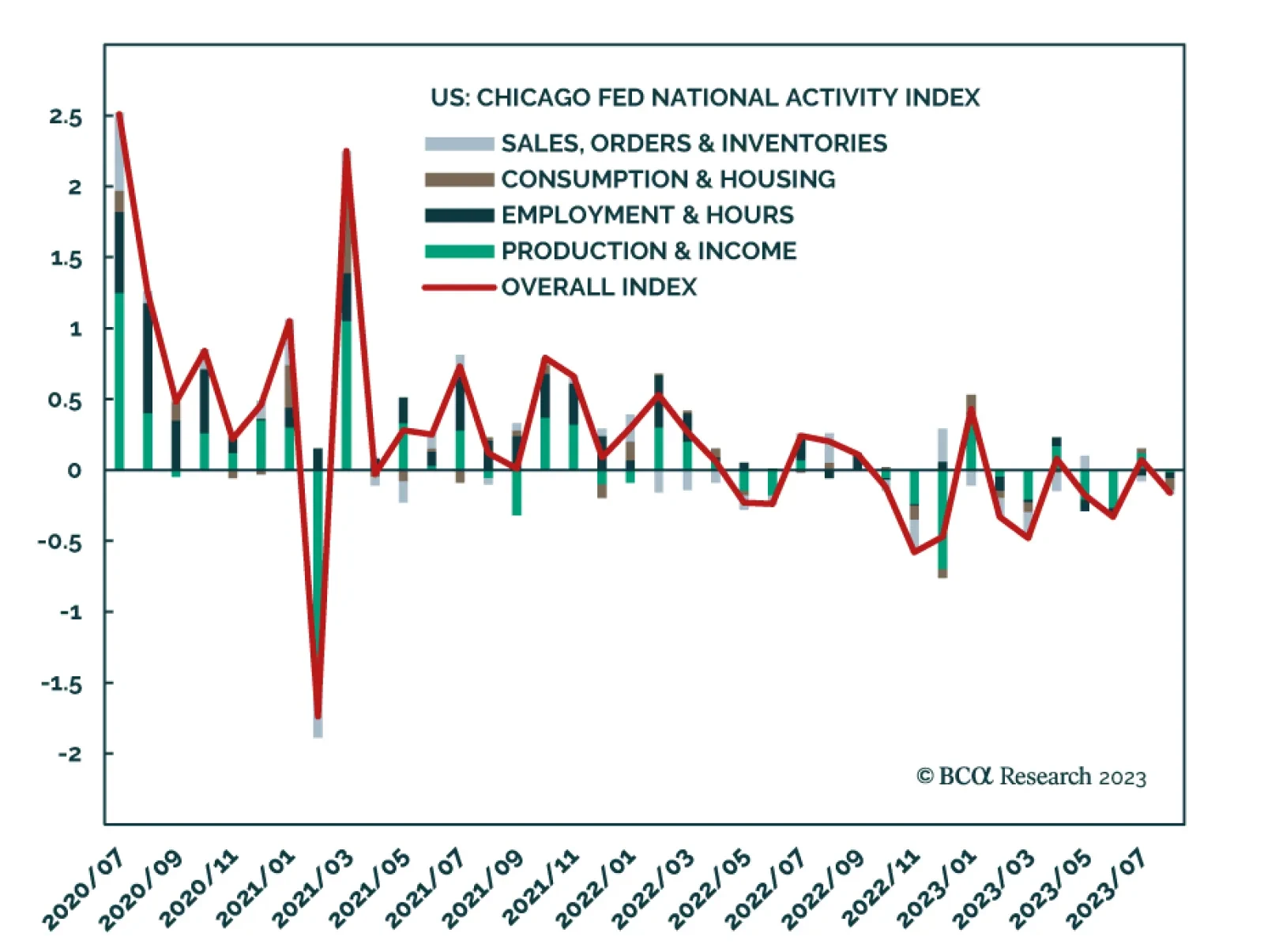
In a recent Insight we highlighted that the GDP tracking indicators produced by regional Fed banks are sending different signals about economic conditions in the US. While the Atlanta Fed’s GDPNow model suggests Q3 growth is around 4.9%, the New York Fed and…
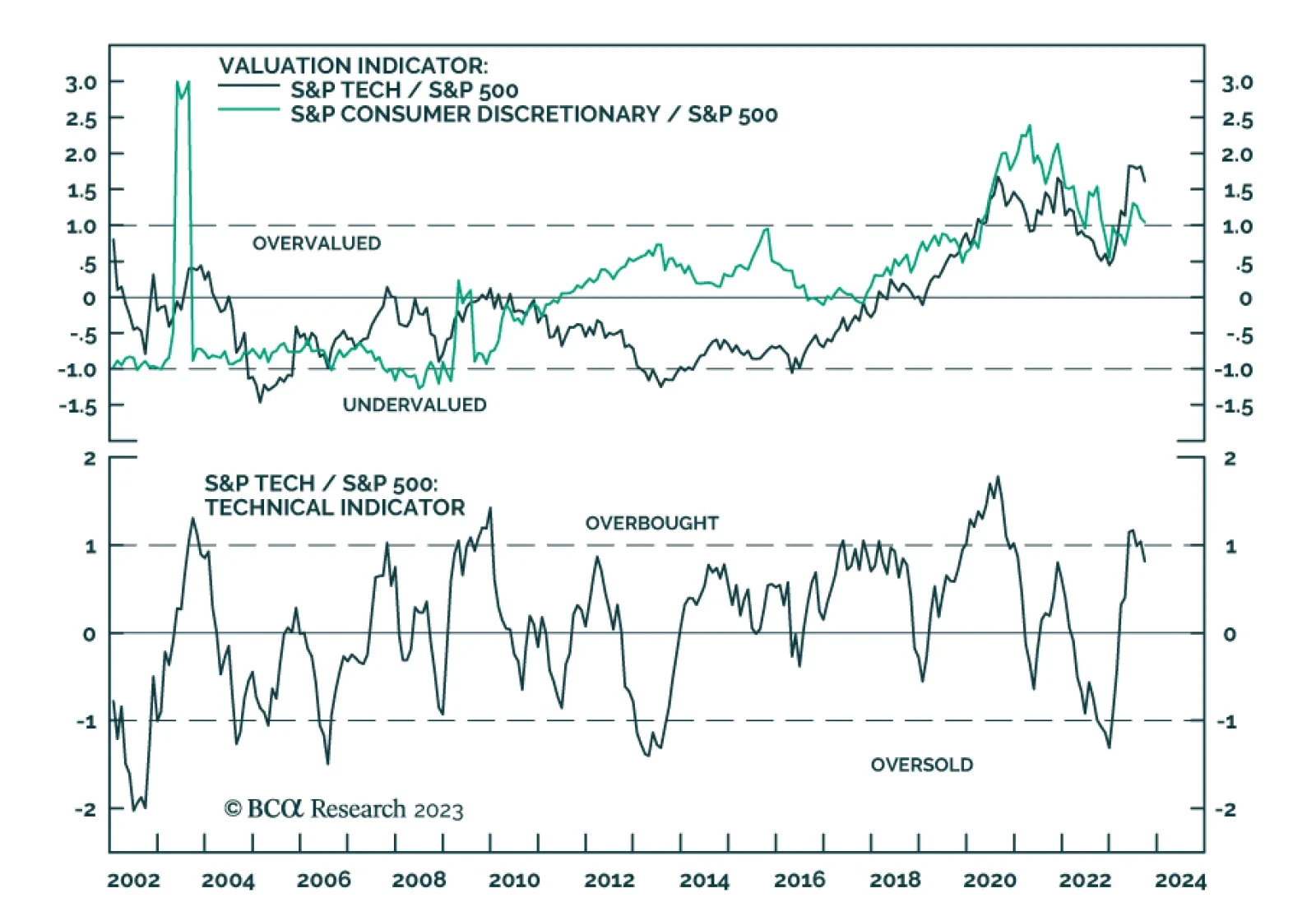
Tech stocks have recently been bearing the brunt of the US equity selloff. The Information Technology and Consumer Discretionary sectors – home to major H1 outperformers including Nvidia, Microsoft, Apple, Amazon, and Tesla – have both underperformed the…
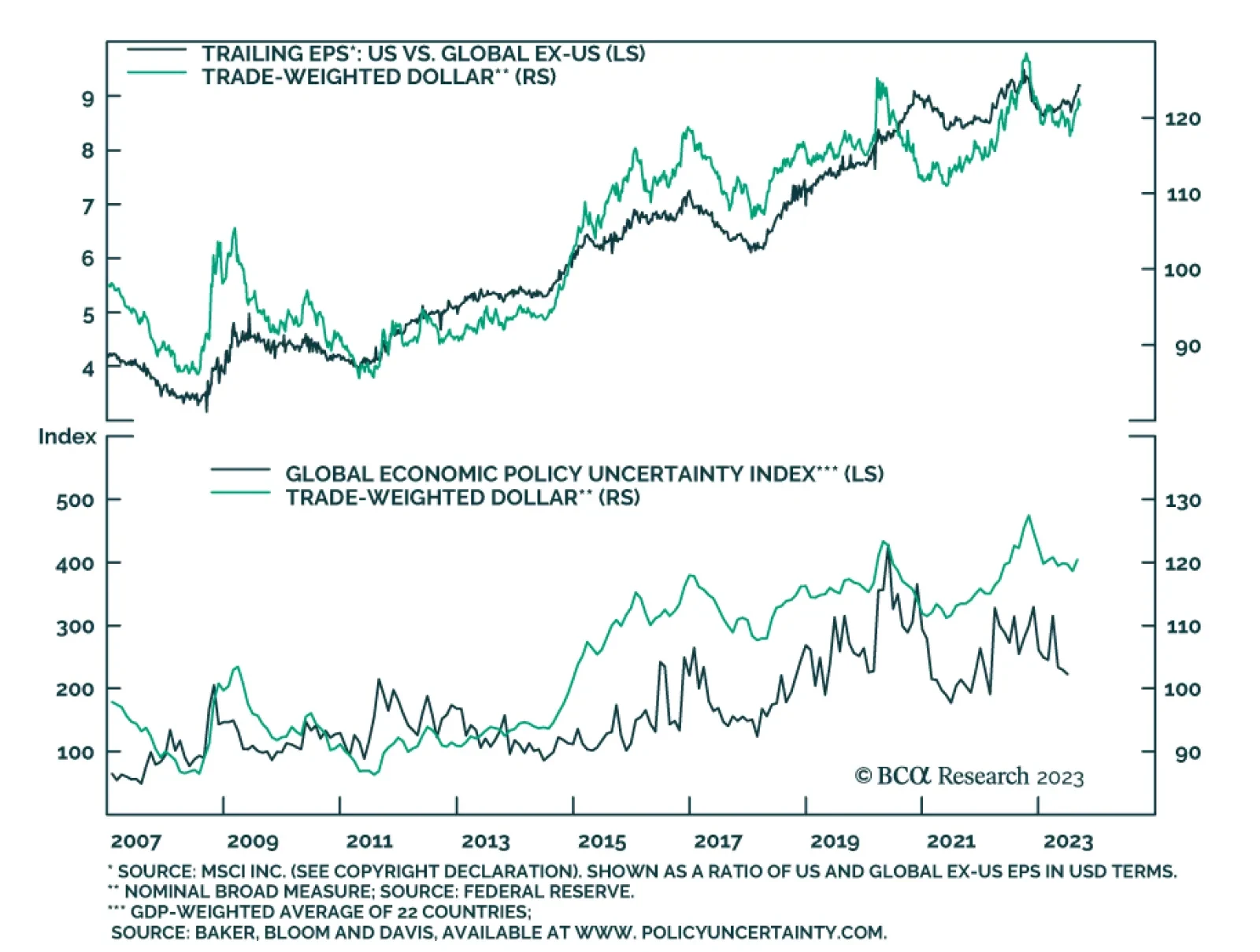
Last week, the Federal Reserve signaled that it expects to deliver one last rate hike this year. Similarly, some of its European counterparts signaled that they are at or close to the end of their hiking cycles. Where does this leave the outlook for USD…

Bulls and bears have capitulated, and the majority of the clients surveyed expect a rangebound market in the near term. Our fair value PE NTM indicates that the S&P 500 is only modestly overvalued. The continued outperformance of the Magnificent Seven faces multiple hurdles. Meanwhile, fiscal spending is unlikely to create an impetus for another leg up in equity performance.
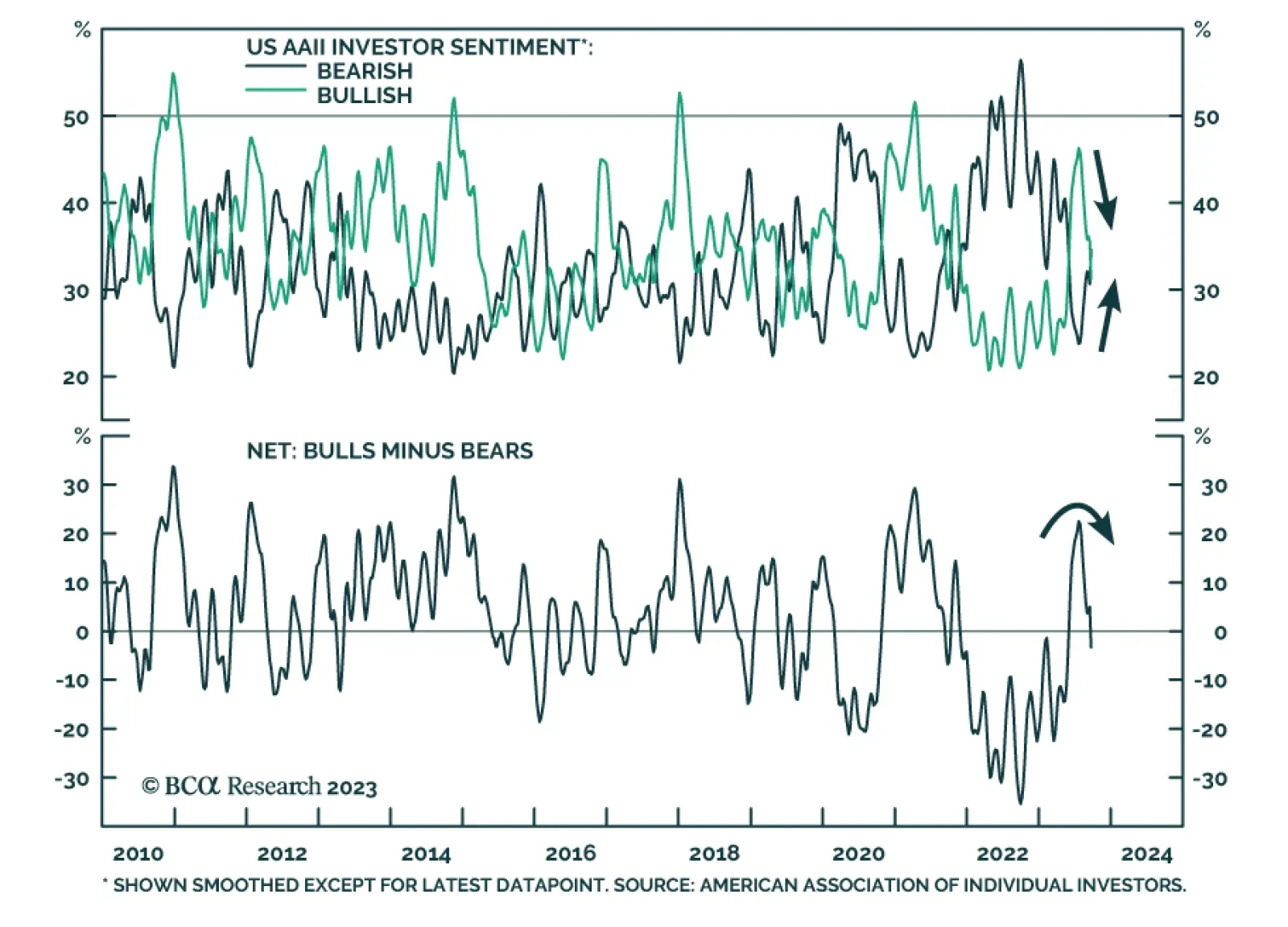
Investor sentiment has turned less optimistic. According to the latest AAII survey, the share of respondents with a bullish outlook has collapsed to 31.3% from its peak of 51.4% two months ago. It is now back down below its historical average of 37.5%.…
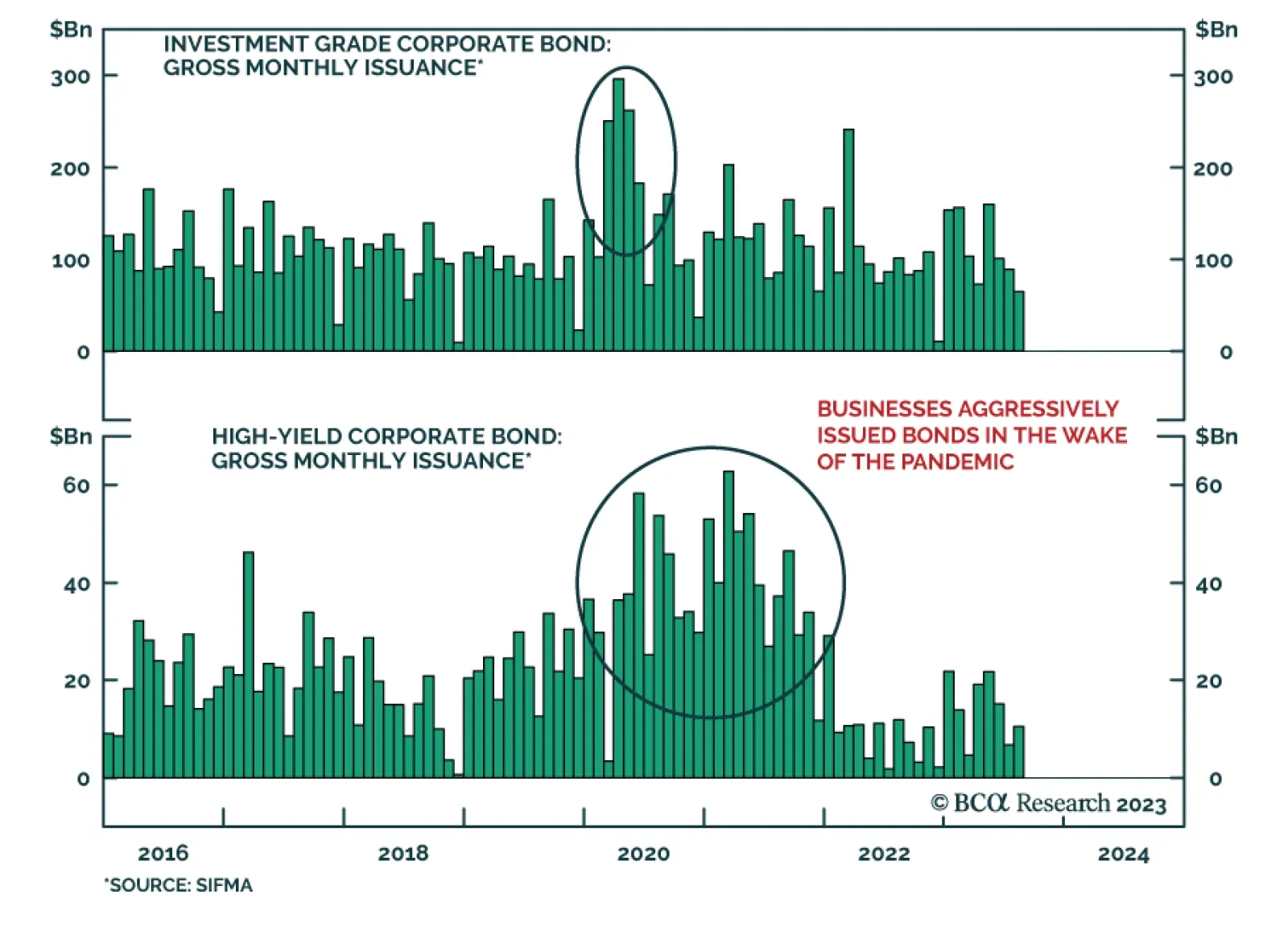
According to BCA Research’s US Investment Strategy service, nonfinancial corporate businesses have been more insulated from rising interest rates than they typically are during major rate-hike campaigns, but the buffer is shrinking.. Households have been…

US fiscal, monetary, and foreign policies are unlikely to deliver any dovish surprises for investors in Q4, due to the impending government shutdown, persistent inflation, and instability among OPEC+ and China.

Emergency pandemic fiscal and monetary policy measures buffered households and nonfinancial corporate businesses in ways that have acted to lengthen the lags between monetary policy changes and their effect on the economy. We believe, however, the extended lags are merely delaying the recession, not cancelling it. We expect to downgrade equities on a tactical basis from equal weight to underweight soon.
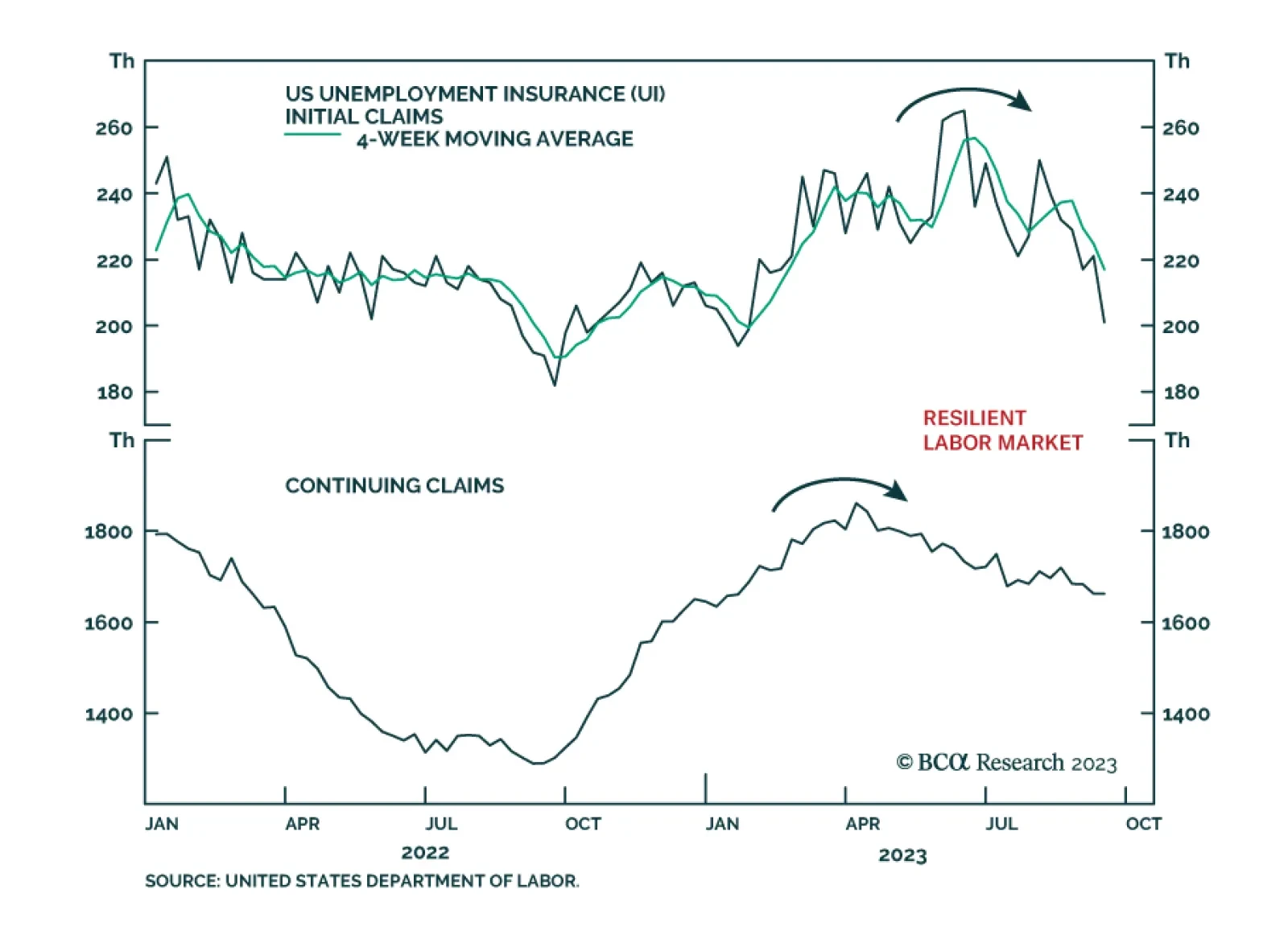
Thursday’s release of US weekly jobless claims and continuing claims delivered a positive surprise about labor market conditions. The decline in initial jobless claims to an eight-month low of 201 thousand came in below expectations of an increase from 221…