
Sorry, you need to enable JavaScript to visit this website.
Skip to main content

United States

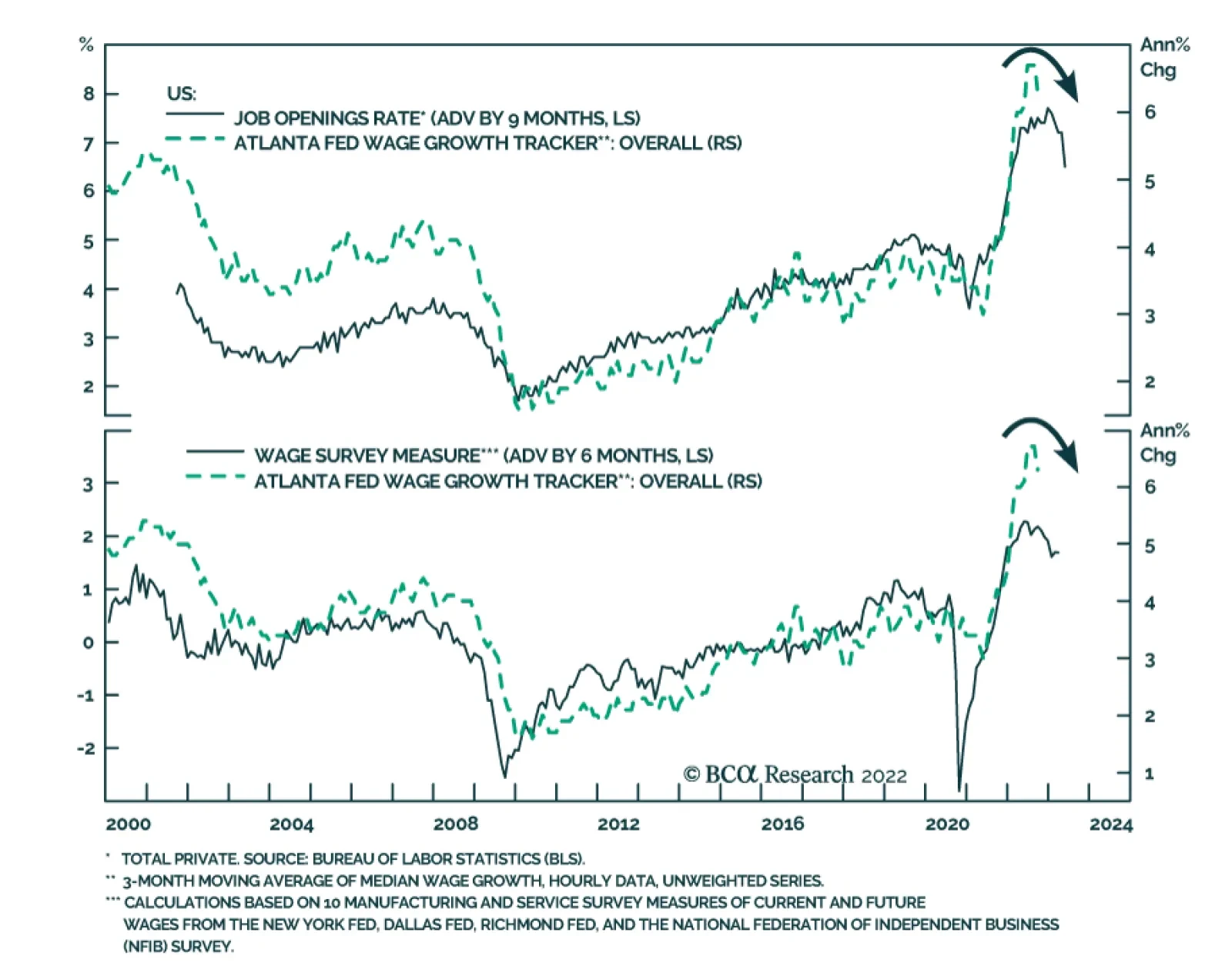
The latest reading from the Atlanta Fed’s Wage Growth Tracker suggests that inflationary pressures in the US economy may be starting to ease. Median wage growth decelerated to 6.3% in September on a three-month moving average basis, following three…
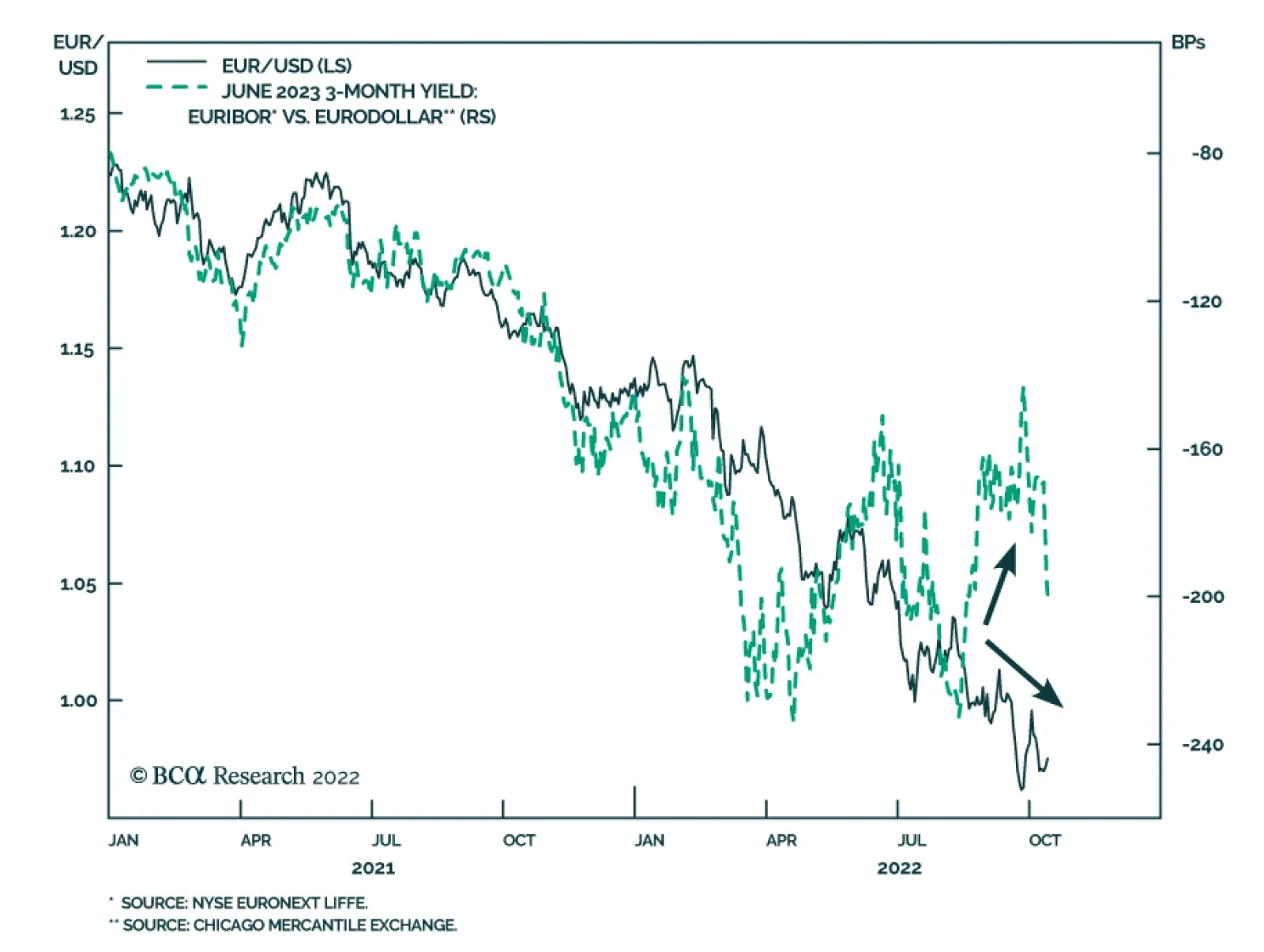
For most of last year and the first half of this year, the market consensus was that the Fed would be among the most hawkish major global central banks. As such, interest rate differentials provided a tailwind for the US dollar over this period. Indeed,…

Banks face many challenges from a slower economy and tighter financial conditions, which offset benefits from rising rates and higher net interest income. It is likely that things will get worse, a sentiment supported by many banking executives. However, negative expectations have already been priced in. We will maintain our overweight for now but will fade this position after a bounce in the next bear market rally. The long-term outlook is negative. We prefer Regional Banks to Diversified Banks.

The September CPI report was disappointing, but we still see several signs pointing to a rapid decline in inflation. Our constructive near-term view on stocks and the economy remains intact.

The ECB will continue to lift rates due to sticky inflation and a tight labor market. Will it be enough to push long-term German yields higher?
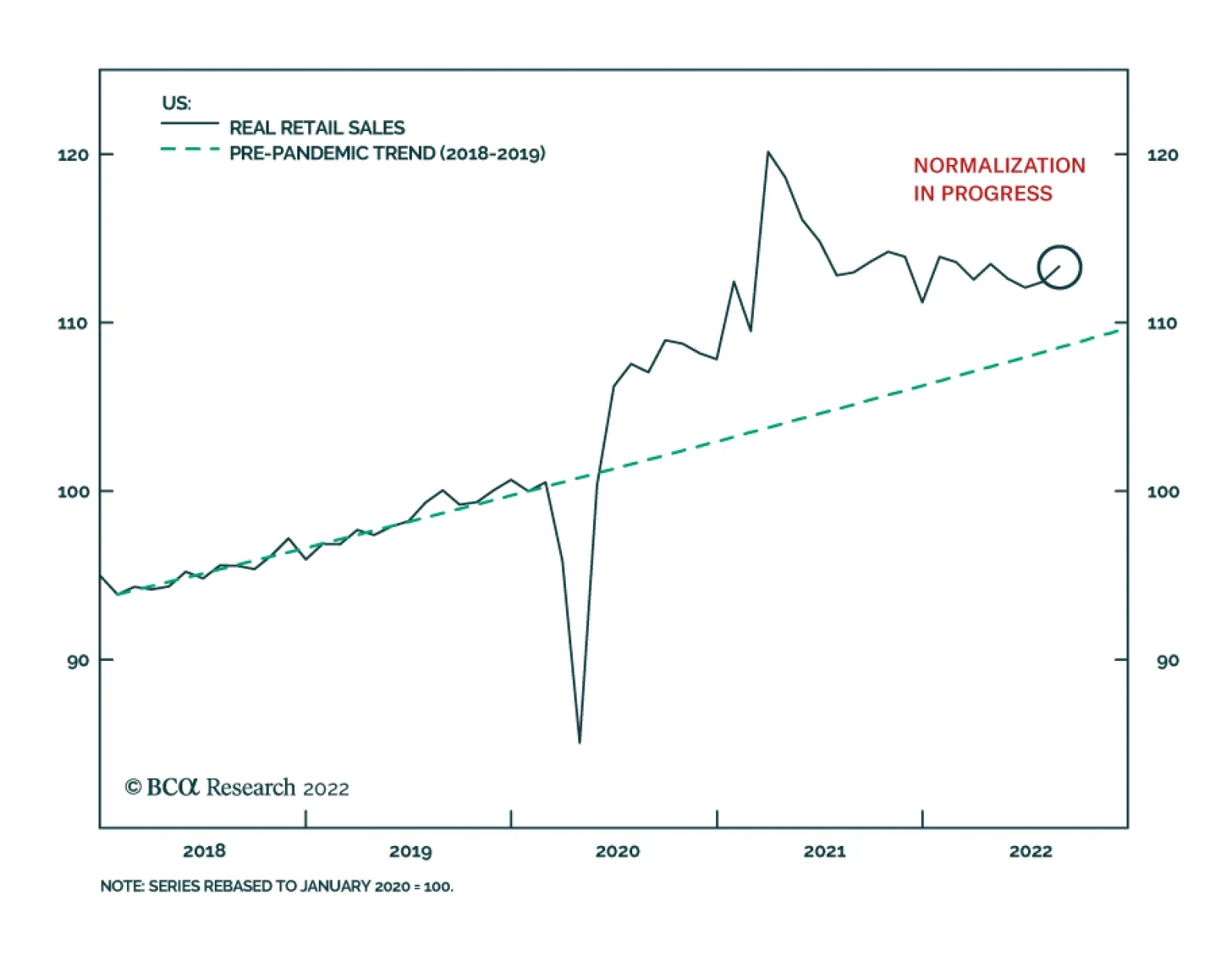
On the surface, the US retail sales report for September was weaker than expected. The level of overall retail sales was unchanged – a slowdown from 0.4% m/m in August and disappointing expectations of a 0.2% m/m increase. However, this headline figure…
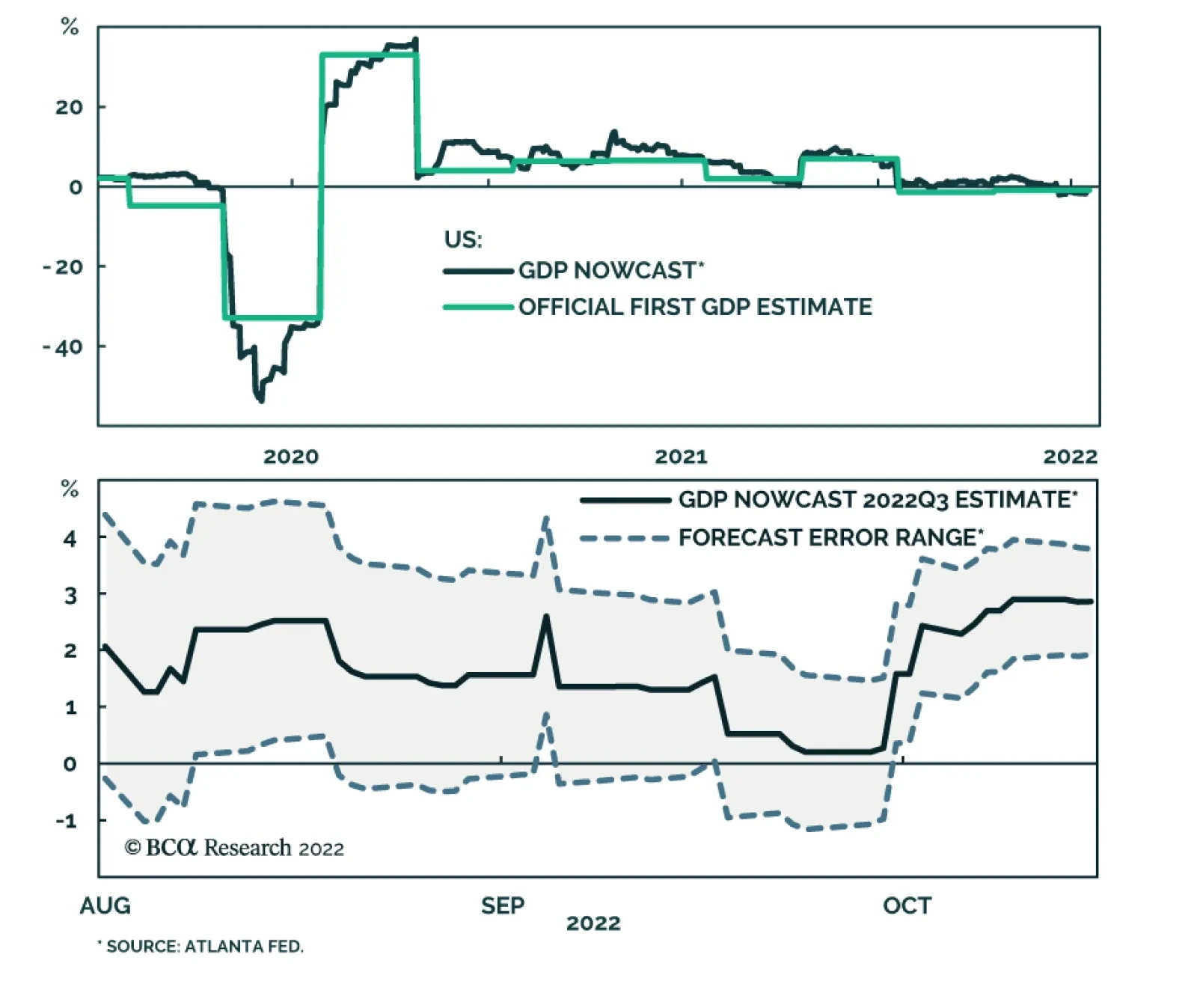
Output from the Atlanta Fed GDPNow Model is often used to obtain a timely read of economic conditions in the US. The GDPNow model has been consistently predicting positive quarter-on-quarter growth for Q3. Its latest estimate on Friday suggests that GDP…
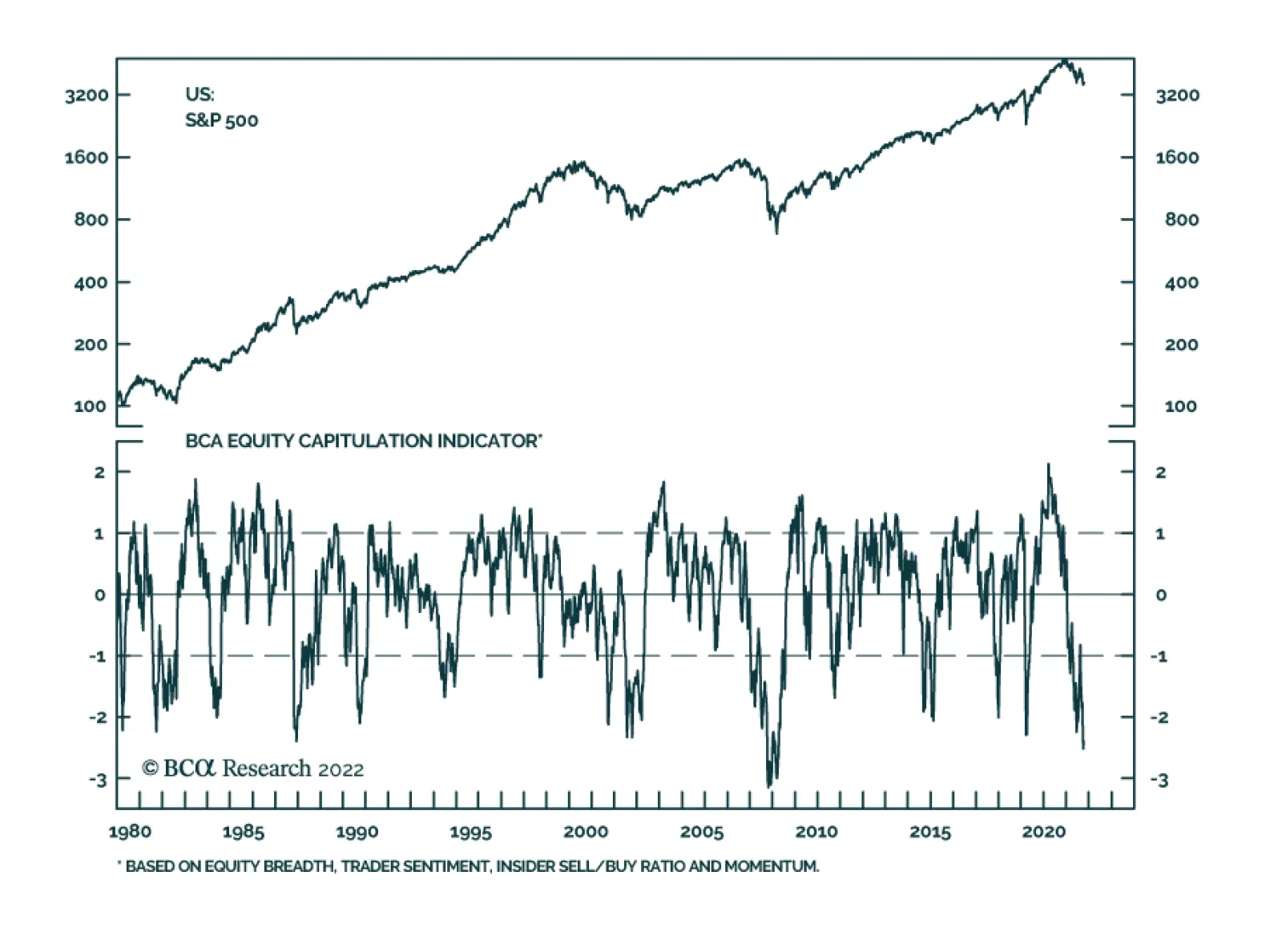
Following a six-day stretch of falling equity prices, the S&P 500 jumped by 2.6% on Thursday. The timing of the abrupt reversal was curious. It occurred on the day of the hotter-than-anticipated September CPI inflation report. The initial sharp selloff…
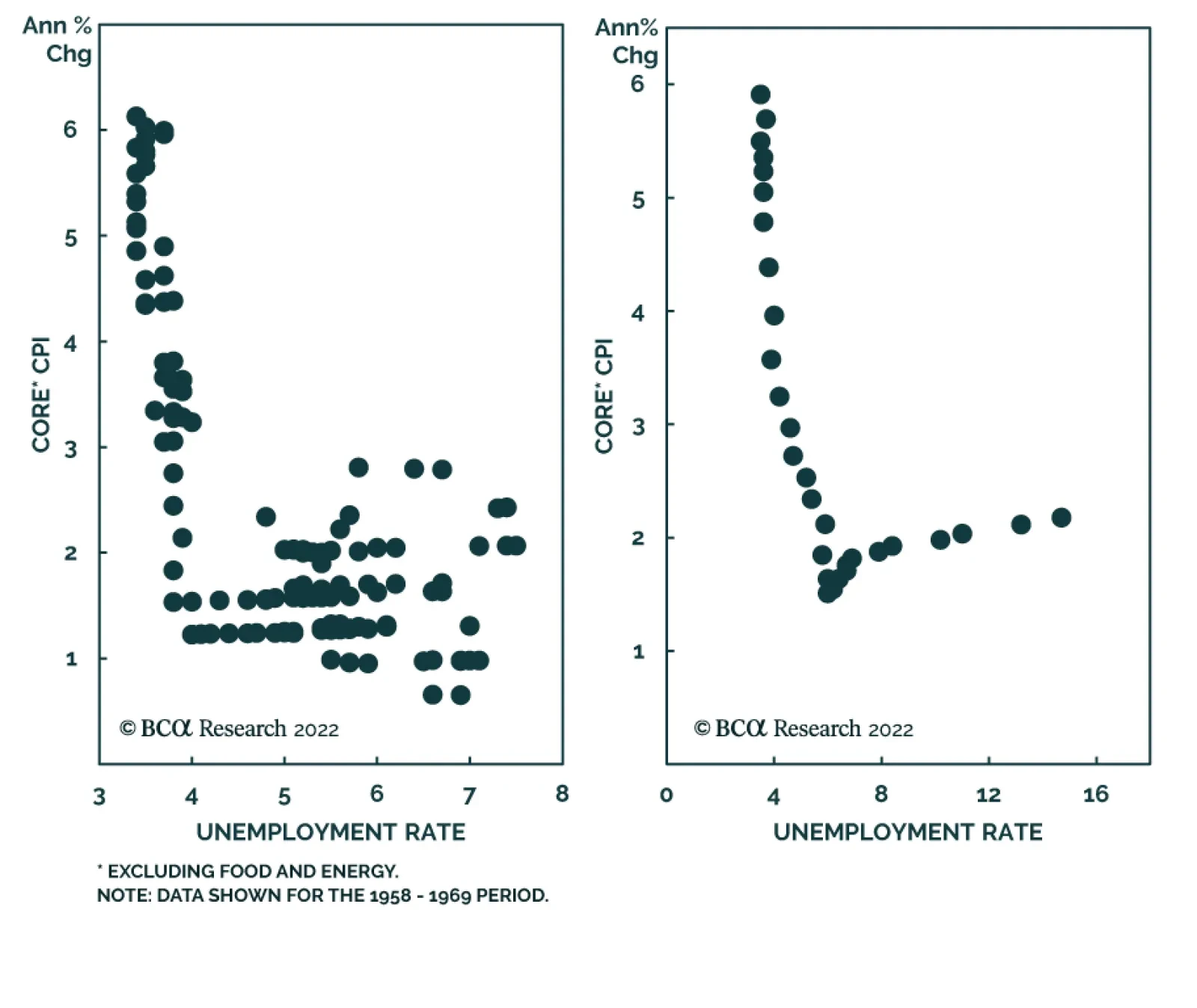
According to BCA Research’s Global Investment Strategy service, the kinked Phillips curve framework predicts that inflation may fall fairly painlessly over the coming months. According to the kinked Phillips curve framework if we are on the steep side of…

The kinked Phillips curve not only explains why inflation surged last year but makes a number of surprising predictions, chief of which is that inflation could fall significantly over the coming months without a major increase in the unemployment rate. In the near term, that is bullish for stocks.