Labor Market
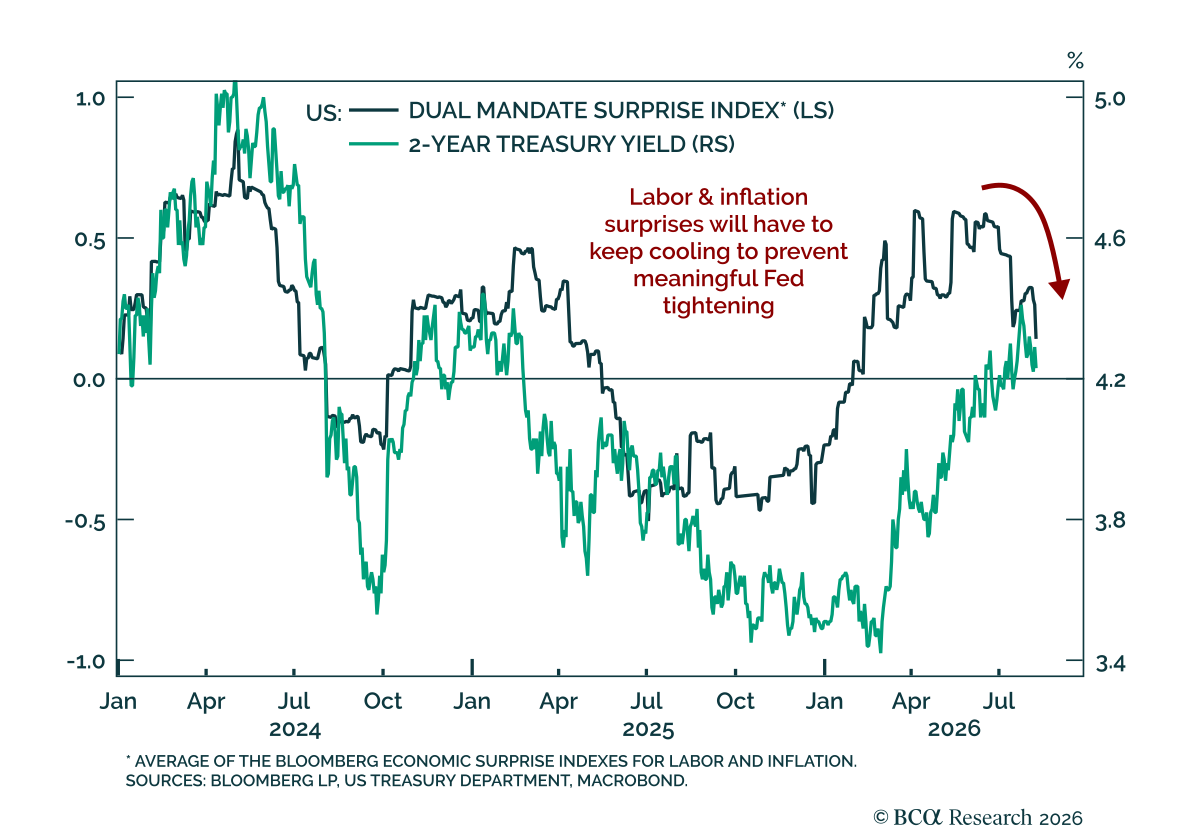
With the July employment report below estimates, key data monitored by the Fed continue to roll over, and will need to keep doing so to prevent material tightening. Our Dual Mandate Surprise Index, which combines employment and inflation surprises and usually…
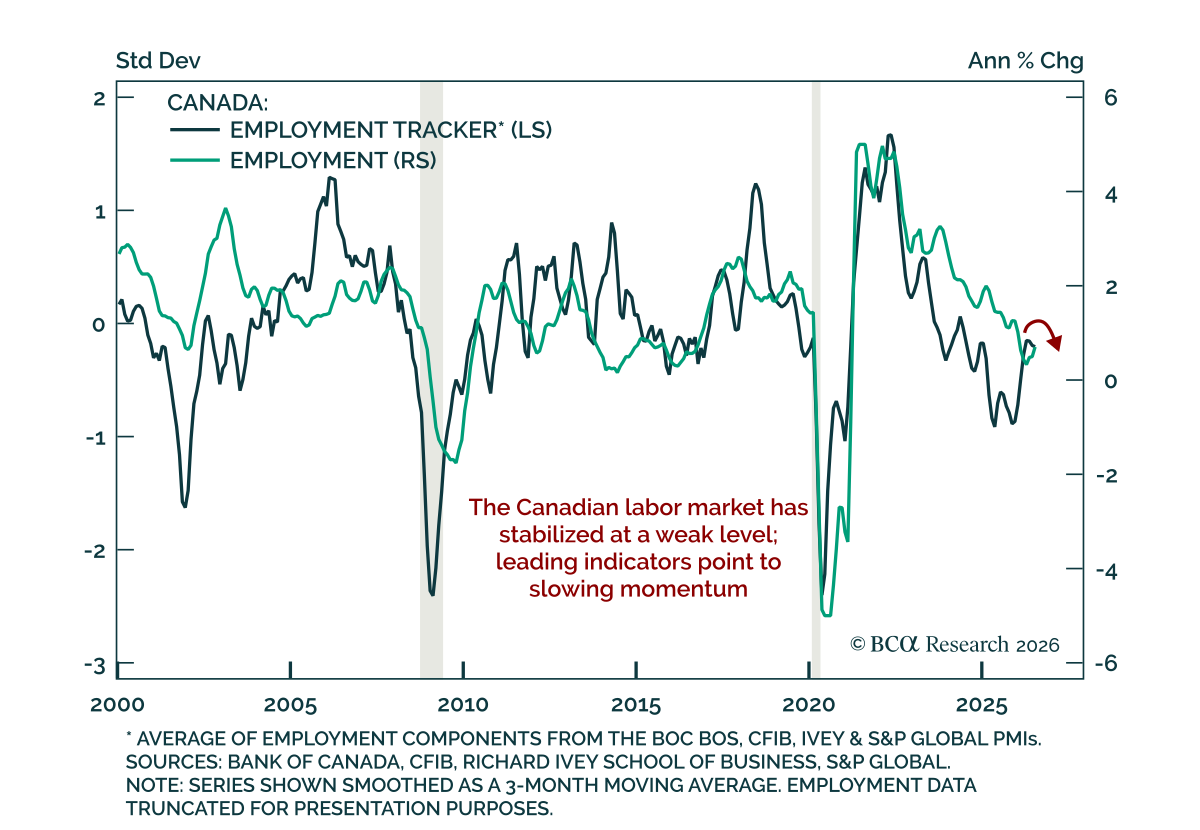
The July Canadian jobs report was strong, but leading indicators still point to a fading labor rebound and limited growth upside. Employment rose by 75.1k, accelerating from 18.2k in June, with gains roughly evenly split between full- and part-time positions.…
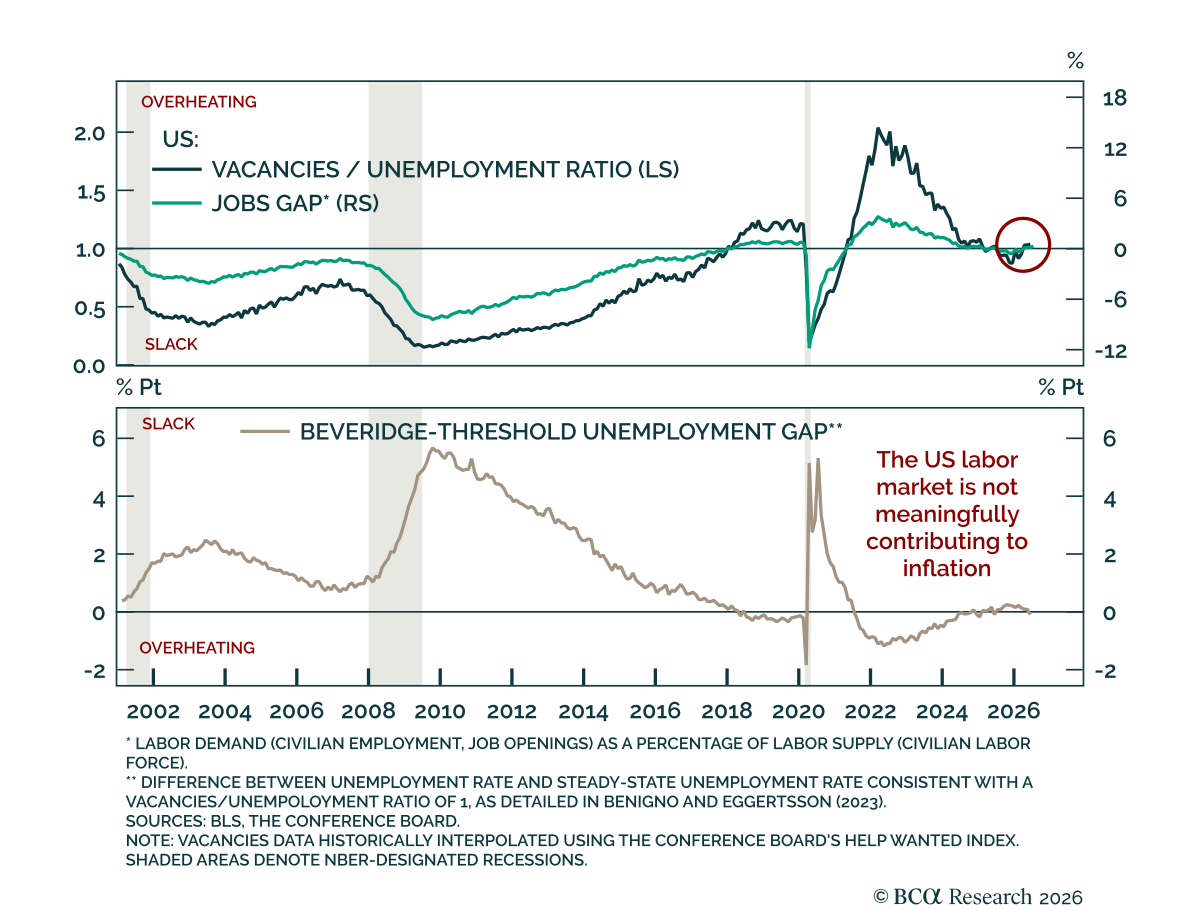
The July jobs report confirms that the US labor market is not overheating, reducing the urgency for the Fed to hike. Nonfarm payrolls fell by 23k, slowing from a downwardly revised 20k gain in June. Two-month revisions removed 103k jobs, leaving the…
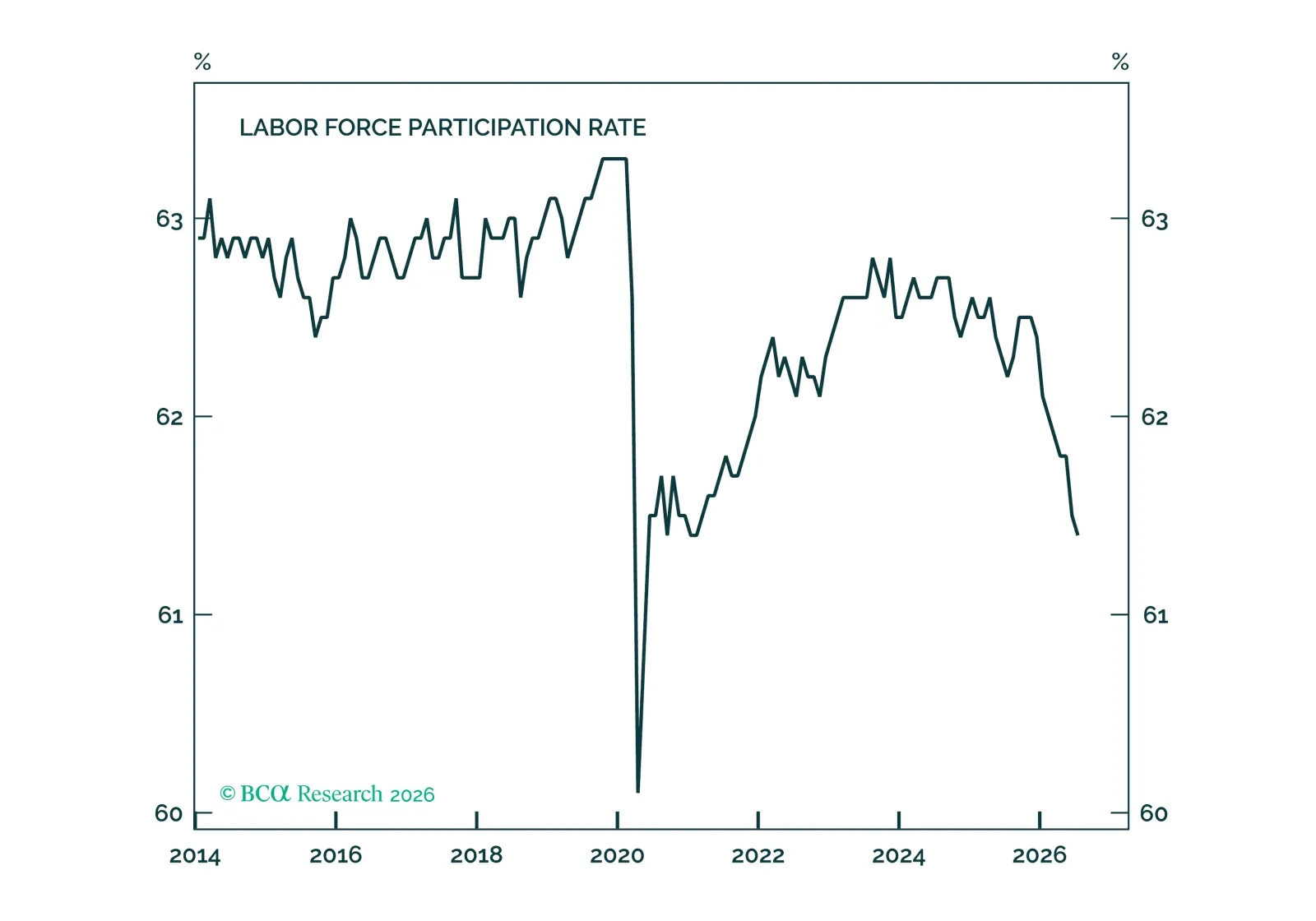
The evidence is increasingly clear that swings in labor supply, mostly related to immigration enforcement policy, have been the primary driver of nonfarm payroll growth during the past two years.This remained true in the July report which showed declines in both nonfarm employment (-23k) and the unemployment rate (from 4.19% to 4.09%). The driver of both moves was a 264k drop in the size of the labor force.When labor supply is this volatile, we should downplay measures of job growth and pay more attention to measures of labor market utilization.Measures of labor market utilization look broadly stable. The unemployment rate is trending down, but the prime-age (25-54) employment-to-population ratio has weakened, and the numbers of marginally attached and involuntary part-time workers are rising.We don’t think this morning’s jobs report reduces the odds of a September rate hike which, in our view, remain high. Next week’s July core CPI report will be a more important driver of near-term Fed policy.Please click here to access our US Labor Market Chartpack for more details on US employment trends.
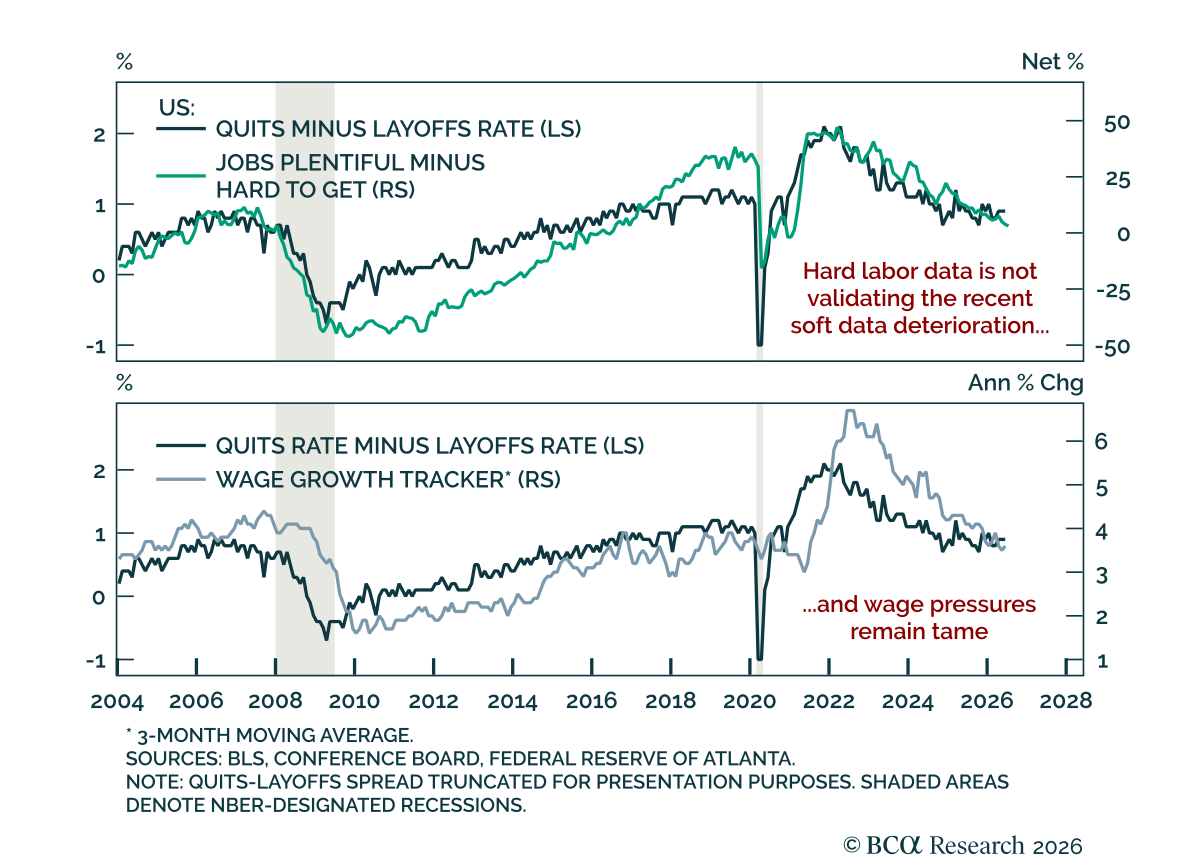
The June JOLTS report shows a resilient but balanced labor market that is supporting consumption without adding to inflation. Job openings missed estimates, falling to 7.359m from 7.594m; the job openings rate declined to 4.4% from 4.6%. Quits were higher…
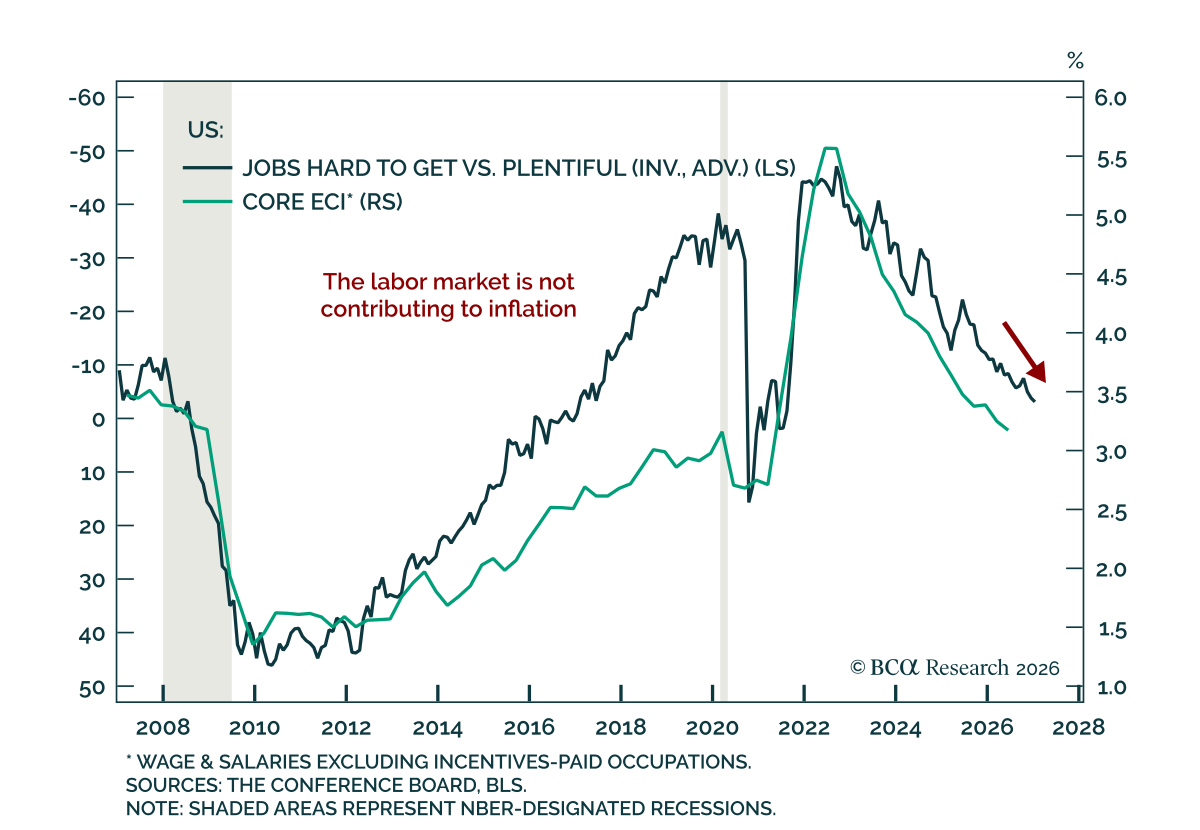
The US remains in a growth sweet spot, with a stabilizing labor market supporting consumption without adding to inflation. The July Conference Board Consumer Confidence index missed estimates, falling to 90.8 from 92.2. The decline was driven by consumers’…
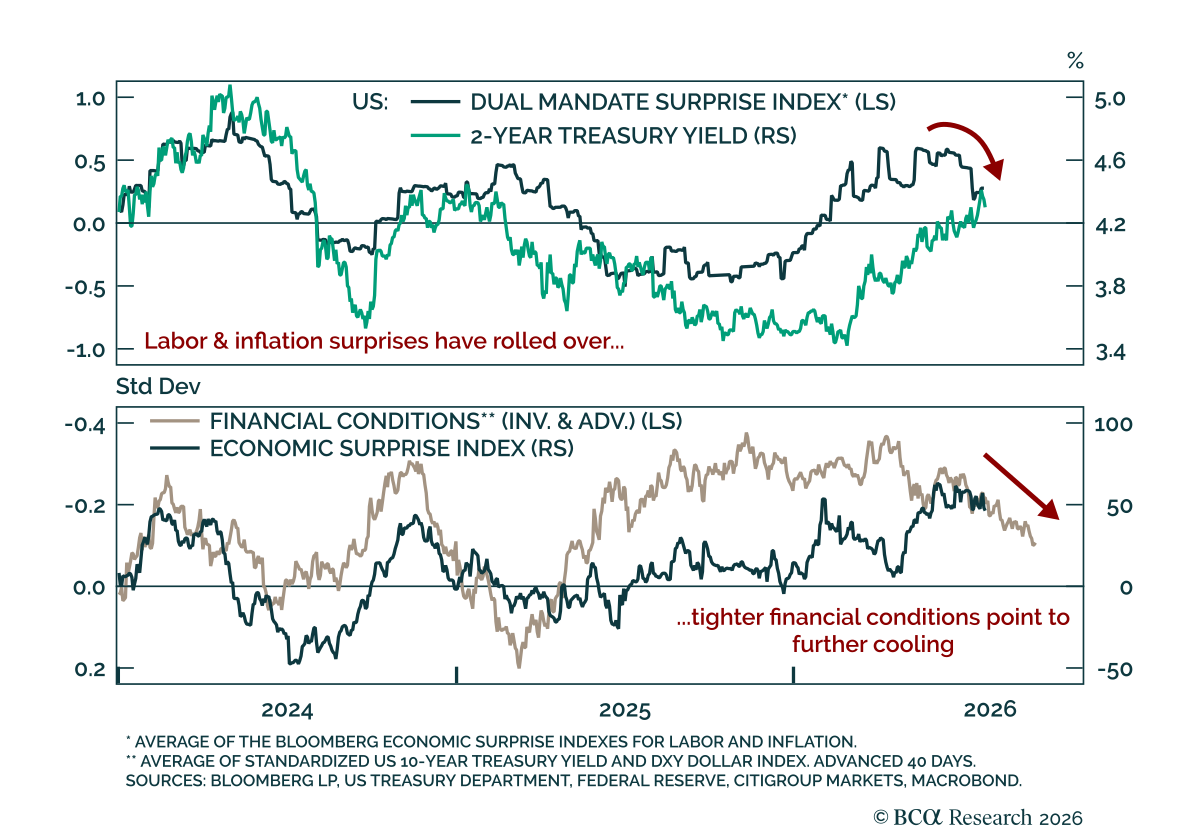
The current US macro backdrop does not justify a Fed hike on Wednesday. Along with other tier-1 releases such as the June employment report, CPI, and ISM Manufacturing, consumer confidence has been cooling on easing labor market perceptions. The Middle East…
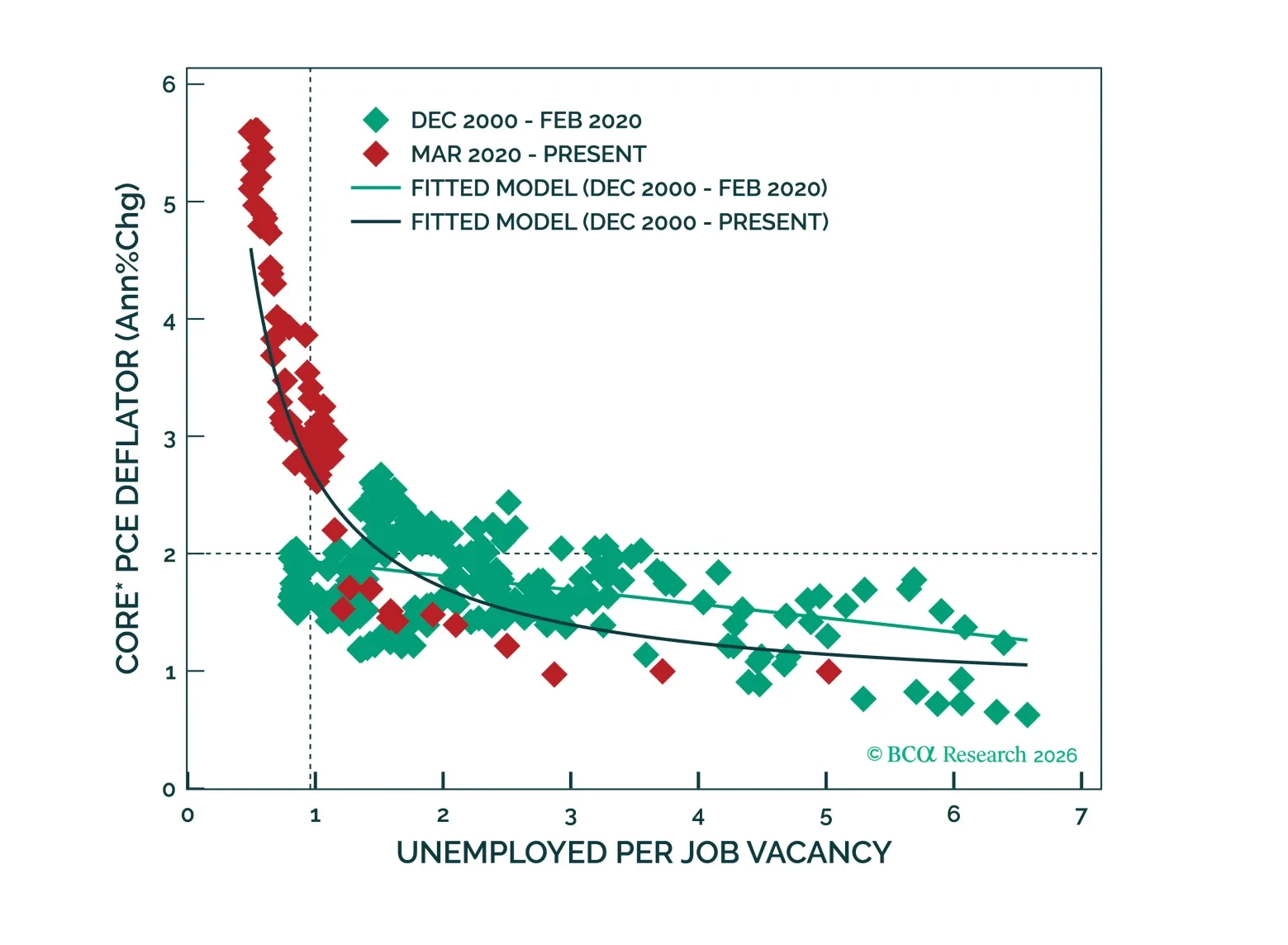
Most Fed and pundit assessments of inflation expectations are overly narrow, focusing too much on long-term market-based measures. We favor a more qualitative approach that asks whether the inflation outlook is influencing household and business decision making.
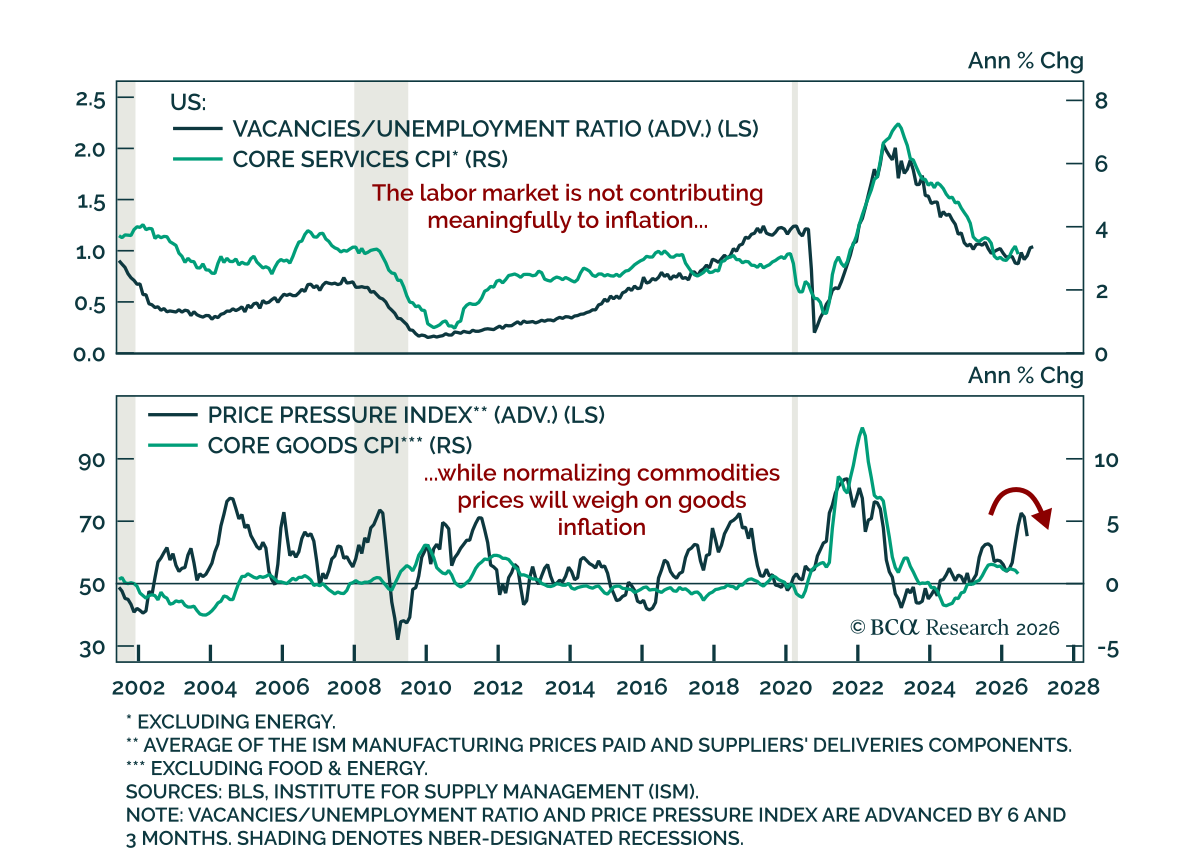
The June US CPI report was cooler than expected, reinforcing the case for the Fed to stay on hold in July. Headline CPI contracted 0.4% m/m, the first monthly decline since June 2024 and the most severe since April 2020, cooling the annual rate to 3.5% y/y…
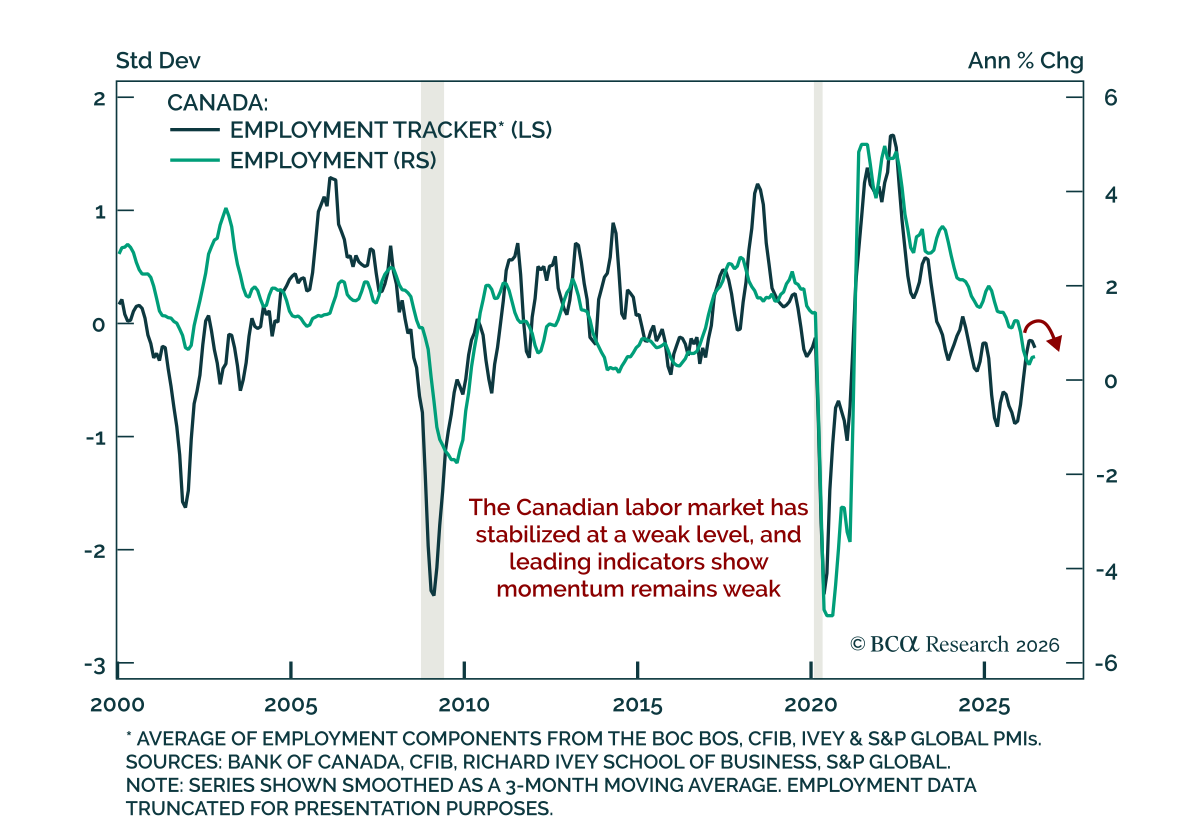
The June Canadian employment report was marginally better than estimates, but the broader labor backdrop remains subdued. Employment rose by 18.2k, slowing from 87.8k in May. Job growth was however concentrated almost entirely in part-time and temporary…