Insights
Access expert research, timely insights, and exclusive webcasts to help you make confident, data-driven decisions.
Report
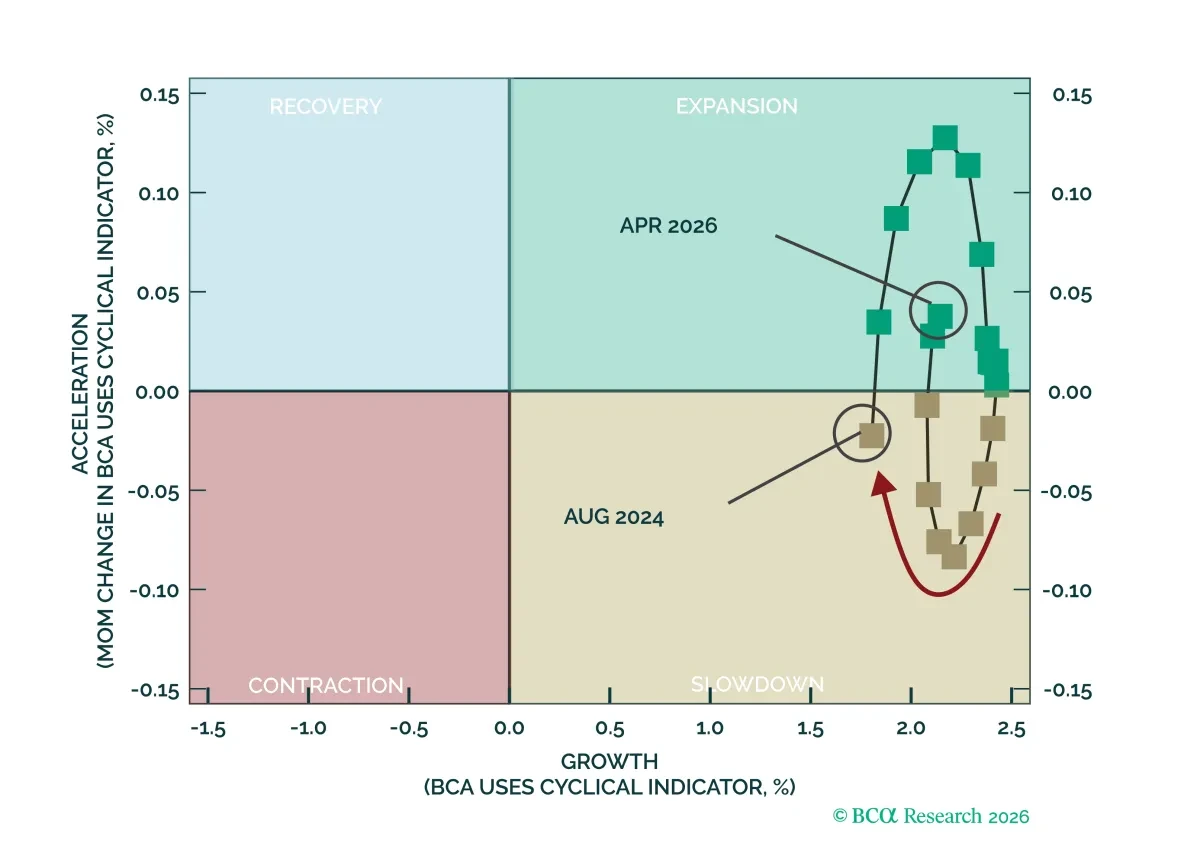
US growth remains positive and is now improving, with the economy seemingly exiting Slowdown and proceeding into Expansion. Markets are reflecting the shift, rewarding revenue growth and capex growth, while earnings expectations continue to advance. The backdrop remains supportive, but expectations ...
Read more

Webcast Replay
Chief Strategists Marko Papic, Matt Gertken and Roukaya Ibrahim discussed:
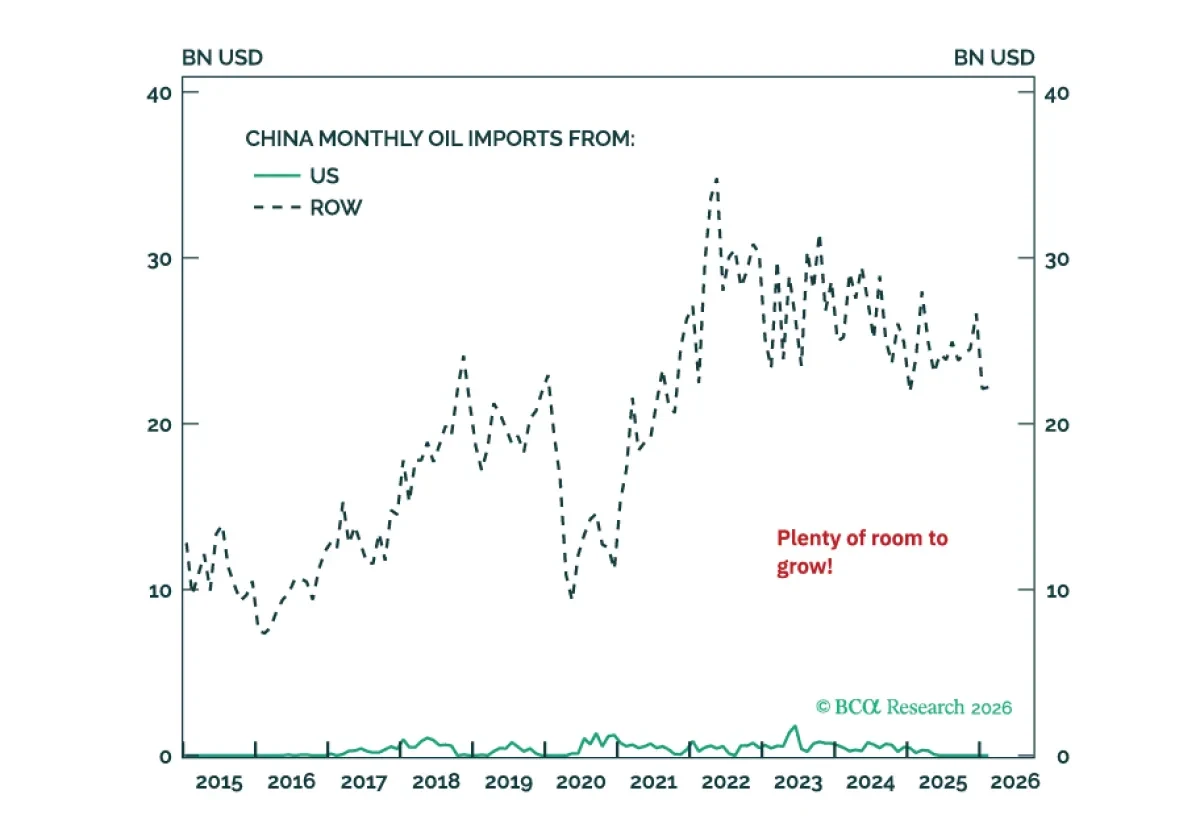
- President Trump heads to China this week for critical talks with Xi Jinping that will focus on the war in Iran and global stability.
- If the US cannot offer significant strategic concessions for China's sphere of influence, then China may not join the pressure campaign against Iran.
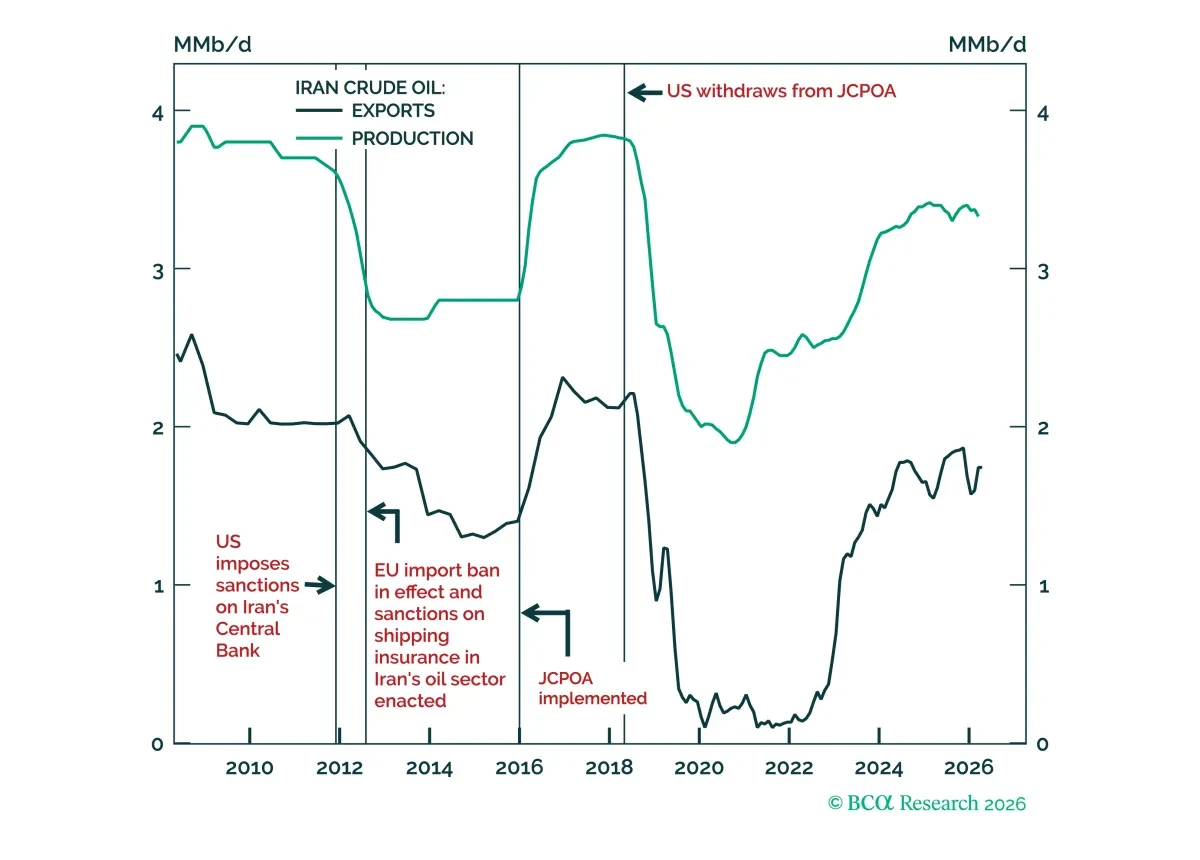
- Meanwhile the "kinetic equilibrium" in the Persian Gulf faces renewed threats as the US and Iran trade barbs over how to restart shipping.
- The good news is that both sides are trading proposals — and the number of attacks has tended to decline since the April ceasefire.
- The bad news is that Iran remains unwilling to abandon its nuclear program, the US maintains its blockade, and Iran will attack US naval escorts of commercial ships.
- What will come of the US-China talks? Will Iran and the US manage to restart shipping? Can global financial markets continue to weather the Hormuz shock?
Report
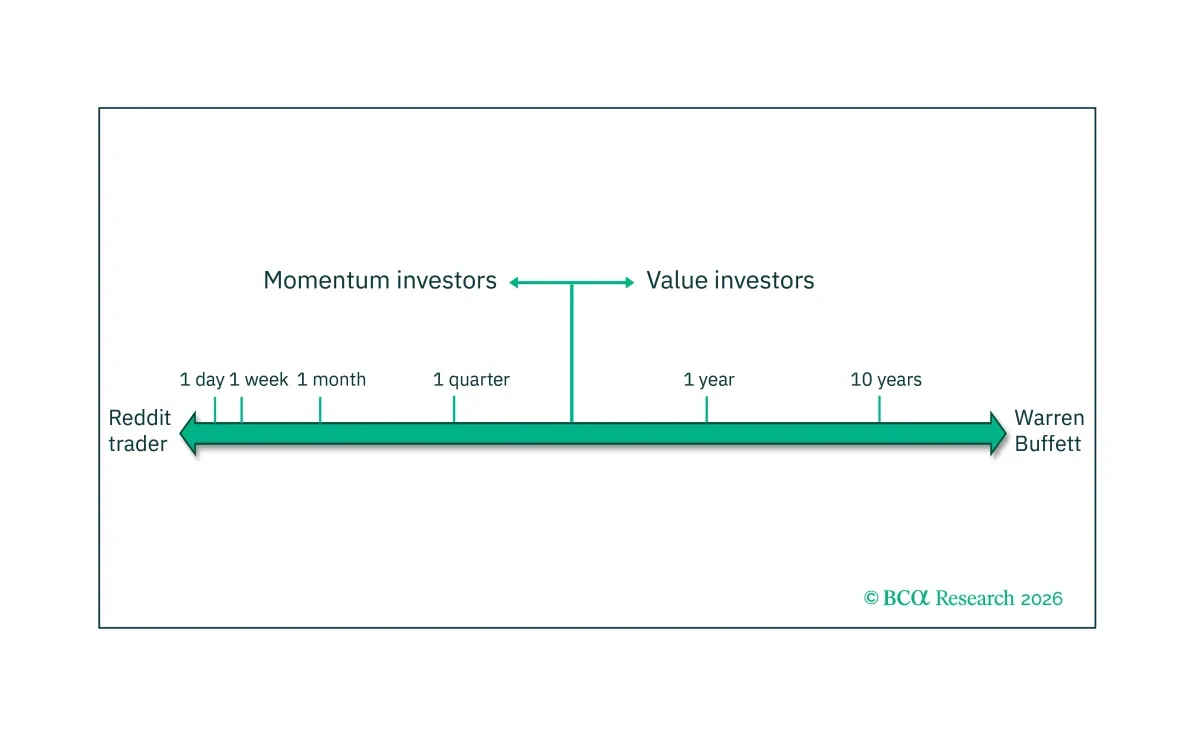
A market becomes inefficient, illiquid, and vulnerable to a phase transition when the ‘wisdom of crowds’ switches to the ‘madness of crowds.’ This switch from market wisdom to market madness may be the most significant recurring behavioural opportunity in active fund management and can be exploited ...
Read more
Report
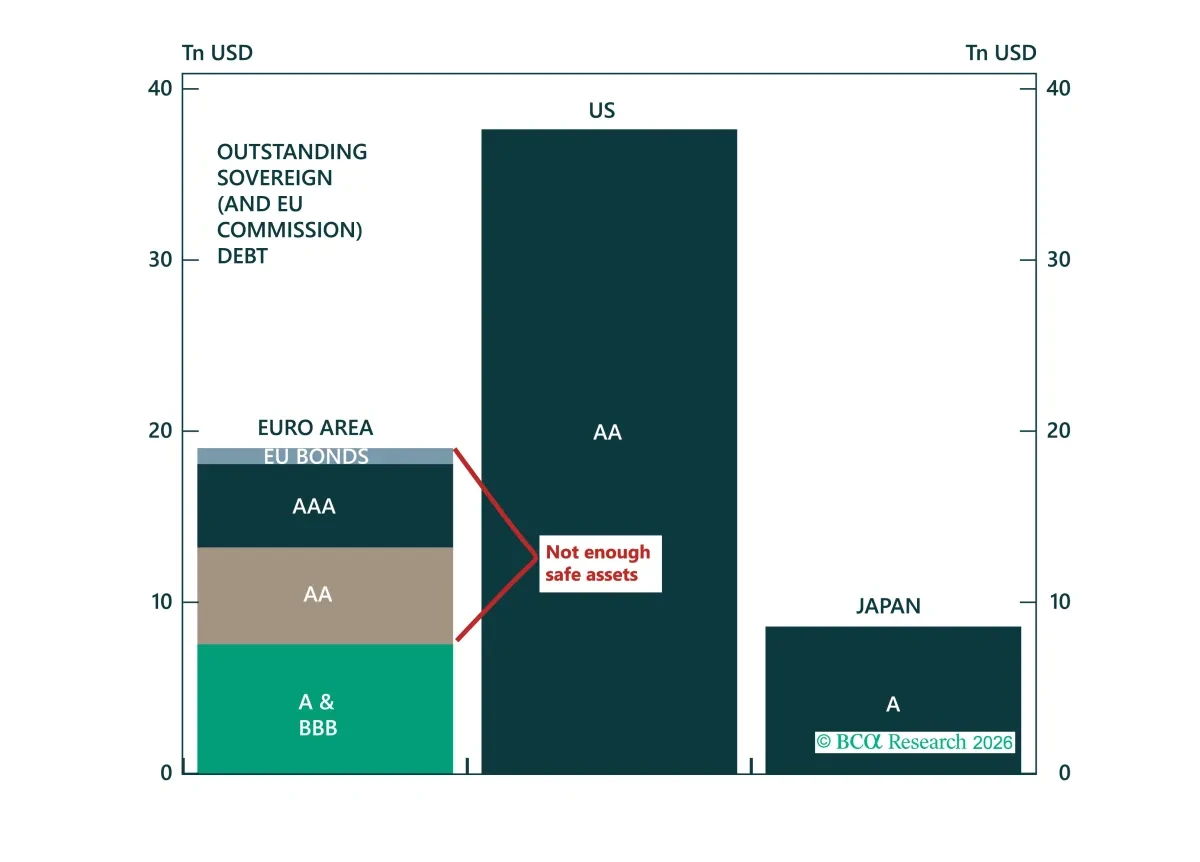
The dollar's retreat is creating the most compelling window for euro internationalisation since Maastricht, but Europe is missing the one instrument that would make it real. In this report, we make the case for the Eurobond, assess which model is most likely to prevail, and explain why the trade is ...
Read more

Webcast Replay
Please join BCA Research Strategists, Matt Gertken, Yushu Ma and Jesse Kuri for a Webcast on the US Midterms.
Wednesday, May 13
10:30 AM EDT | 3:30 PM BST |4:30 PM CEST
- Midterm elections occur every four years and thus constitute a normal risk, not significant uncertainty.
- But the midterms matter this year because they constrain the Trump administration's foreign policy, which threatens the global economy.
- The midterms will also act as a barometer on US public opinion and the likelihood of another massive reversal of national policy in 2028.
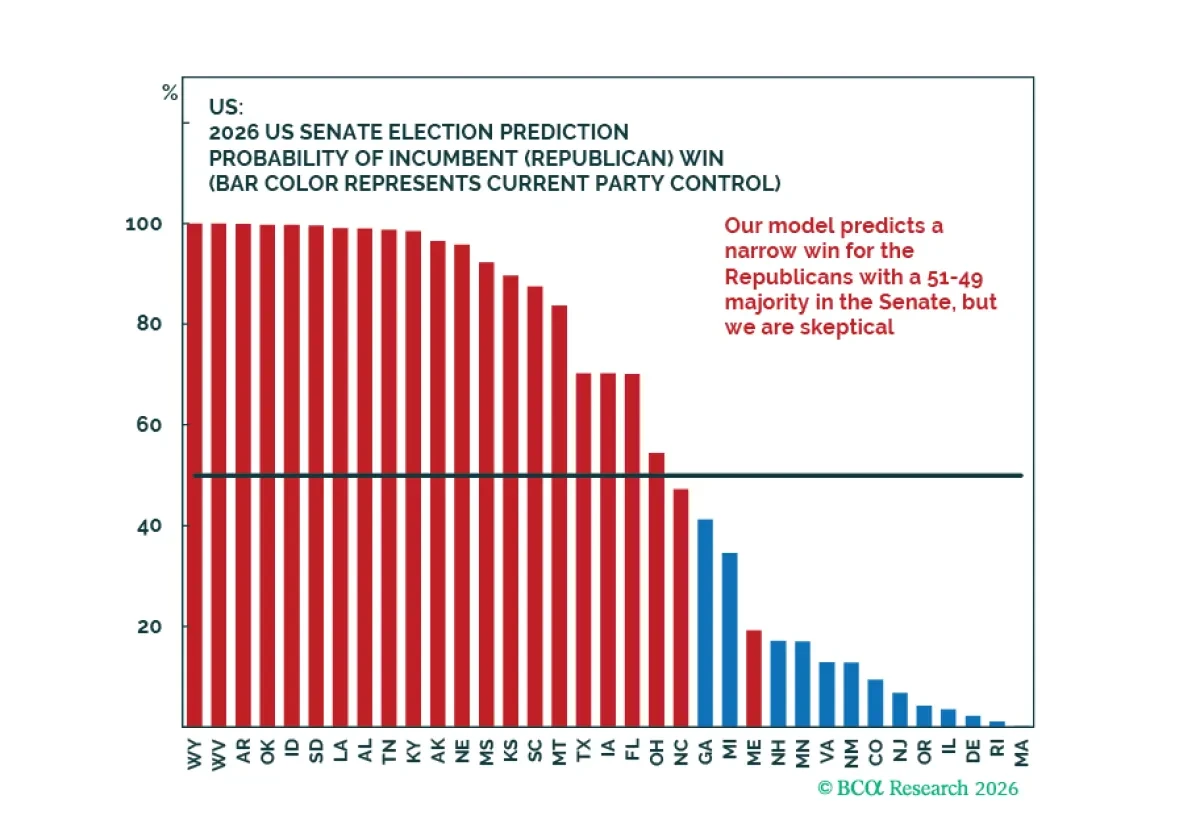
- We revised our quantitative election models to give a read on what range of outcomes to expect for the House and Senate.
- With this information, investors can begin to envision the next twists and turns in market-relevant US policy.
- We will also discuss President Trump's "lame duck" status after the midterms and the investment implications.