Oil
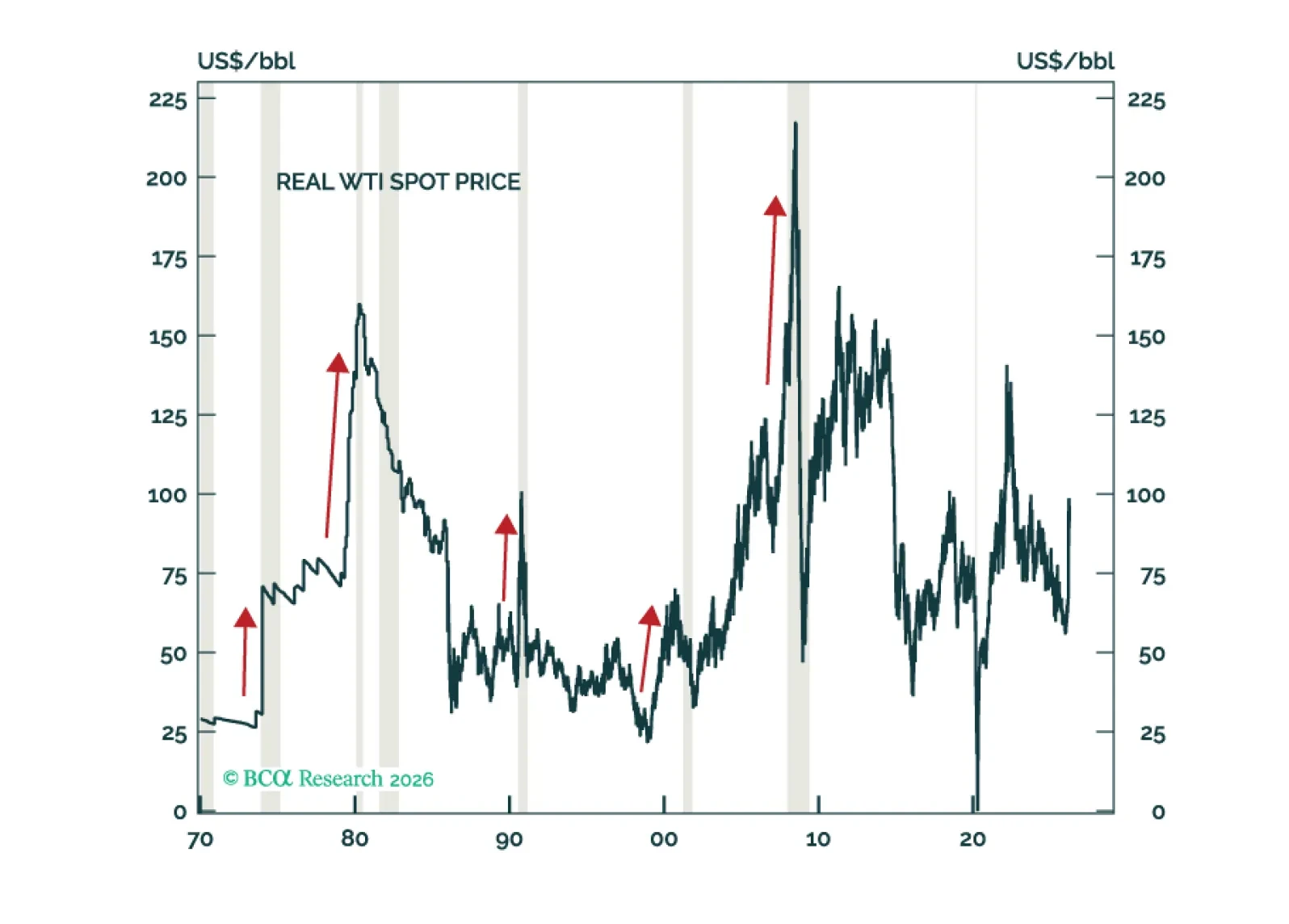
The current macro environment is a toxic brew of many of the same vulnerabilities that haunted the global economy in the lead-up to past recessions: Rising oil prices, an unsustainable tech capex boom, elevated equity valuations, excessively high homes prices, and brewing stresses in private credit and other parts of the financial system. While global equities look increasingly oversold in the very near term, they will still finish the year below current levels.
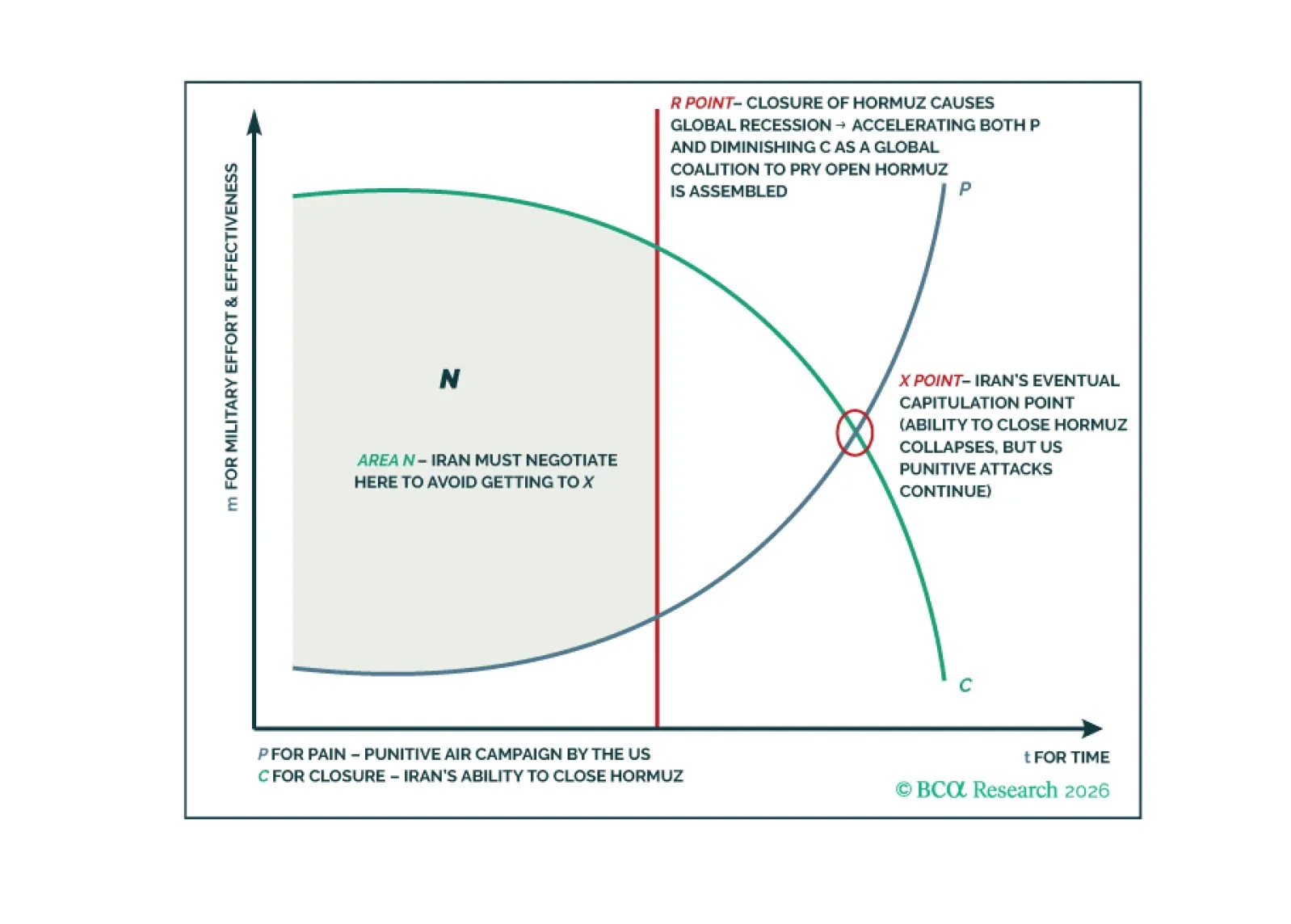
In Section I, Doug argues that investors should maintain mildly defensive positioning while awaiting the restoration of normalized shipping flows through the Strait of Hormuz. In Section II, Jonathan examines the humanoid robot segment of the emerging physical AI landscape, concluding that humanoid robots are a potential but not yet imminent investment theme.
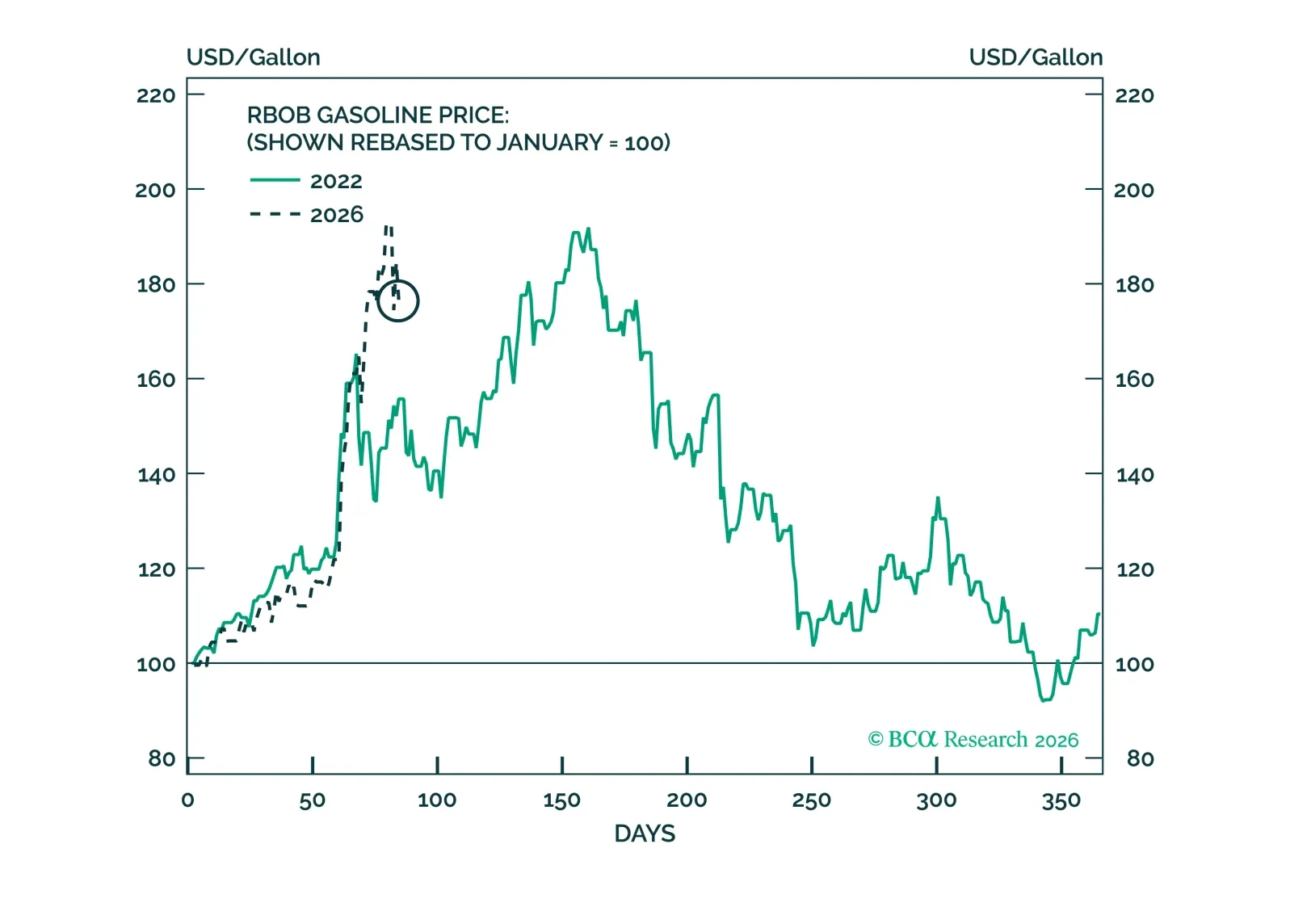
The Iran war may not deescalate in the near term, and if it does, it will likely reescalate later this year, suggesting investors should take a cyclically defensive outlook.
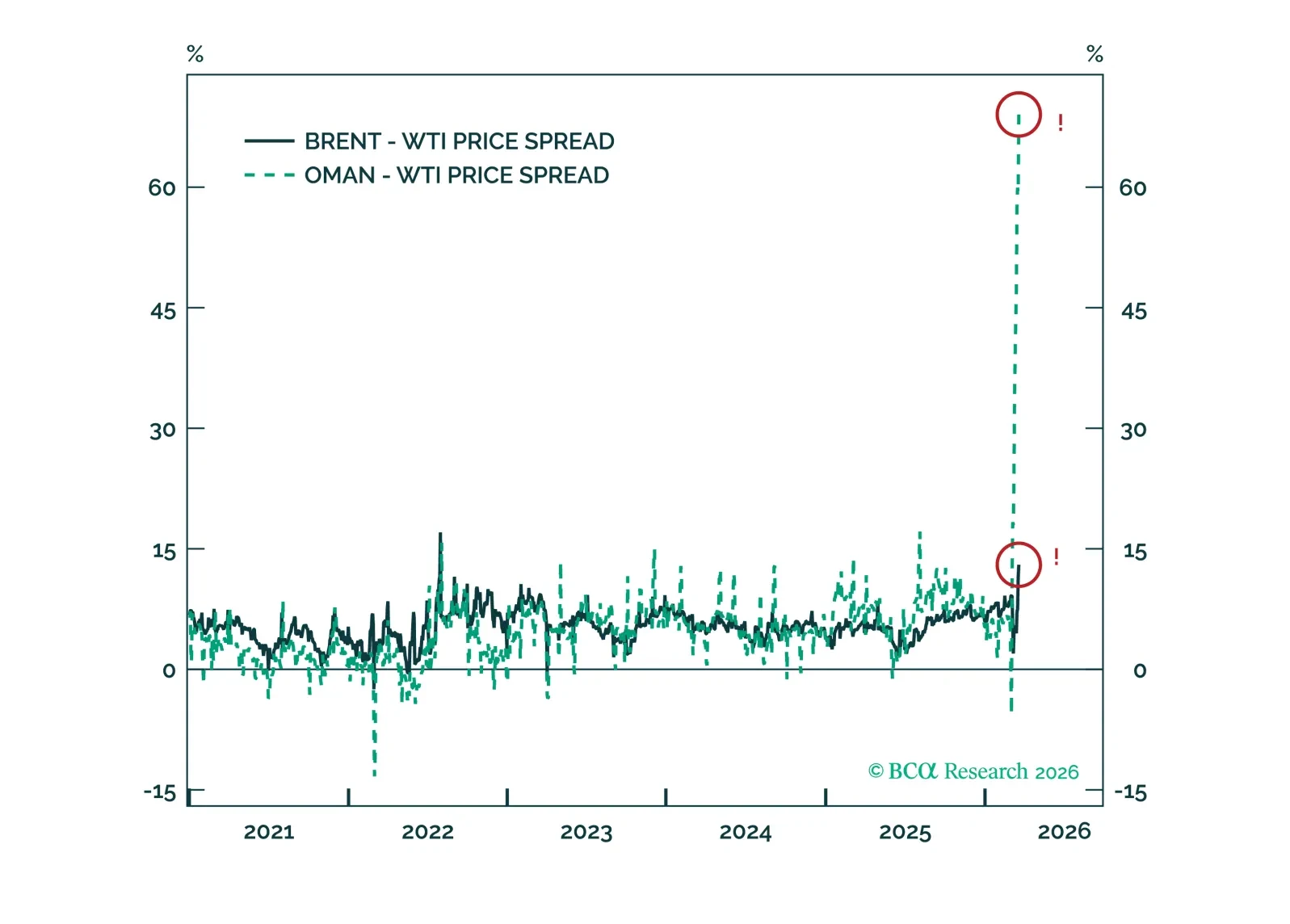
WTI is relatively calm amid the current conflict in the Middle East. Markets are too complacent on US crude relative to other international benchmarks.
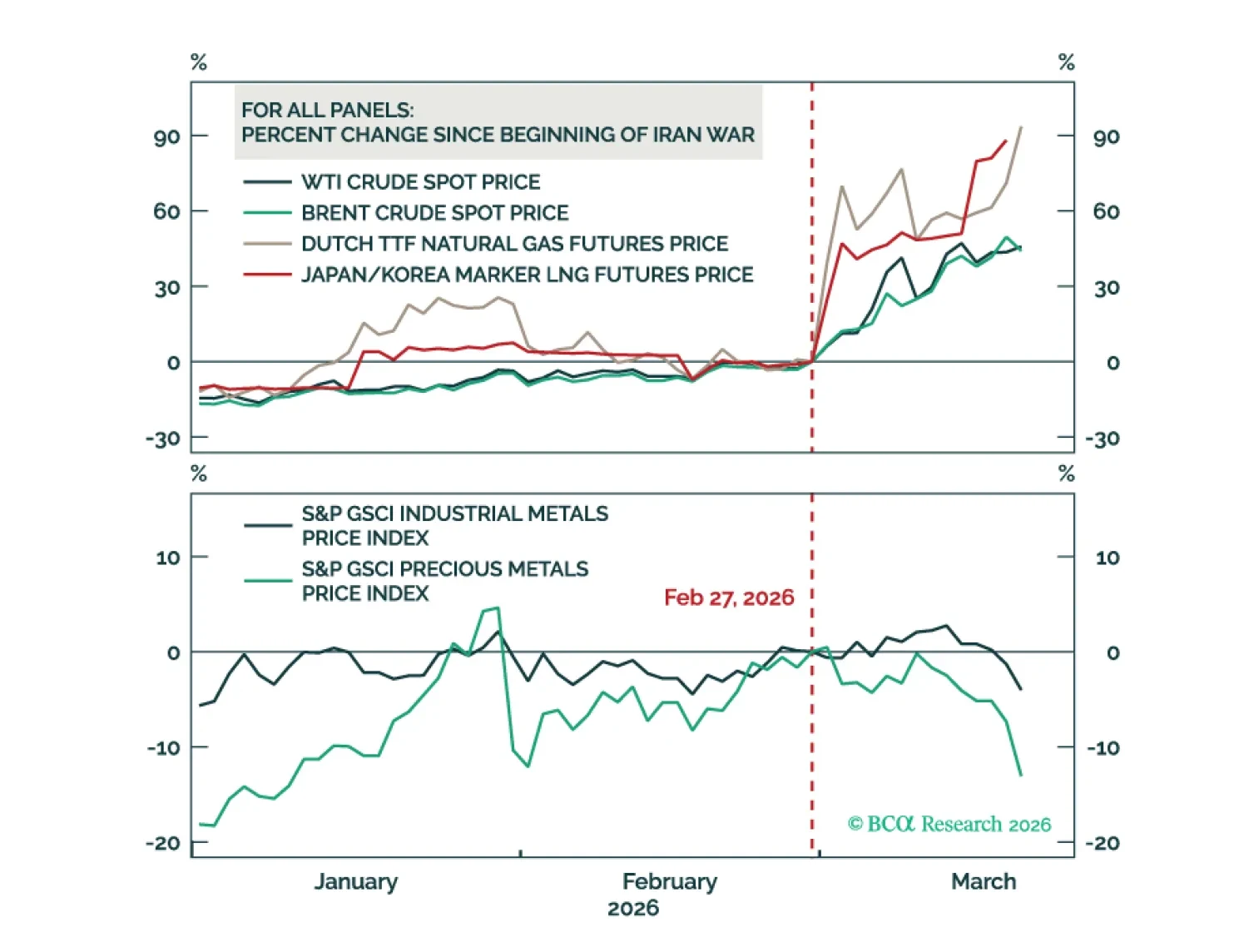
Higher oil prices threaten the global economy, warranting an underweight stance on equities. Over the long haul, industrial metals will fare better than crude.
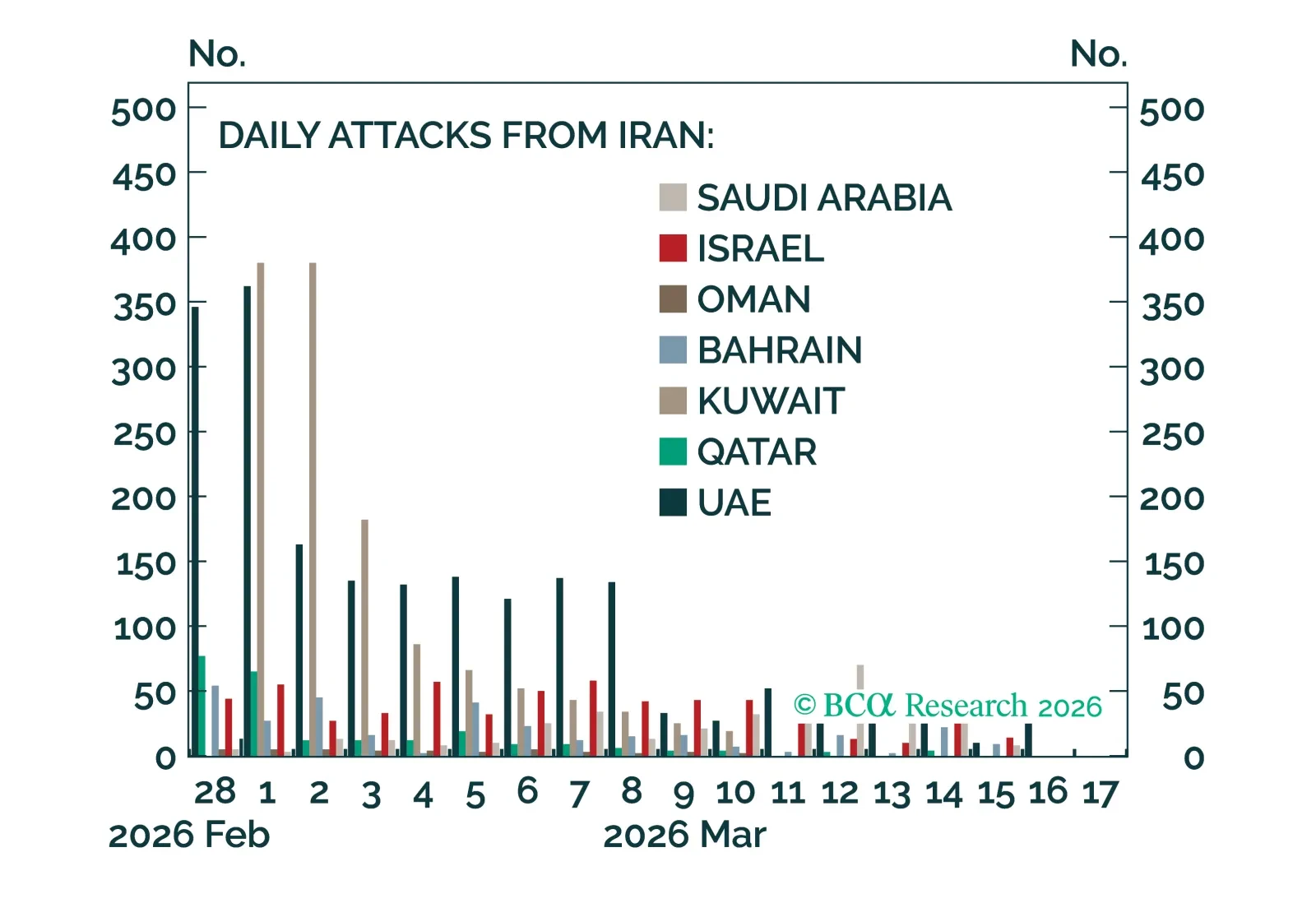
Overnight, the Israeli military reported that it managed to kill two high-profile Iranian leaders: the Secretary of the Supreme National Security Council and the leader of the internal paramilitary group, the Basij. Meanwhile, the Gulf States reported more interceptions of drones and missiles from Iran.
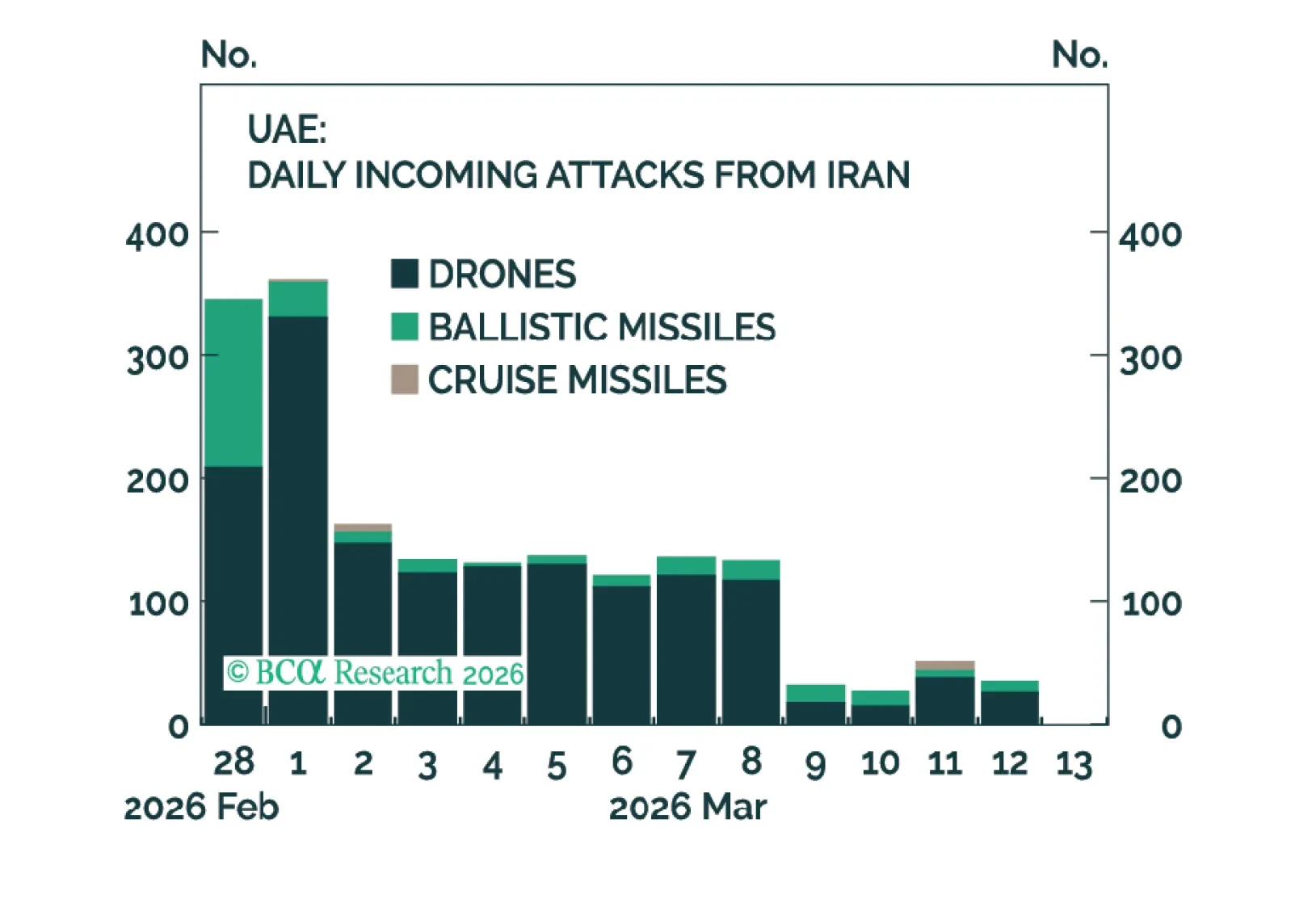
The conflict in the Middle East persists as the US and Israel continue their strikes, and so does Iran’s retaliation with drones and ballistic missiles against the Gulf States. The Strait of Hormuz is still essentially closed, despite some ships being allowed to traverse.
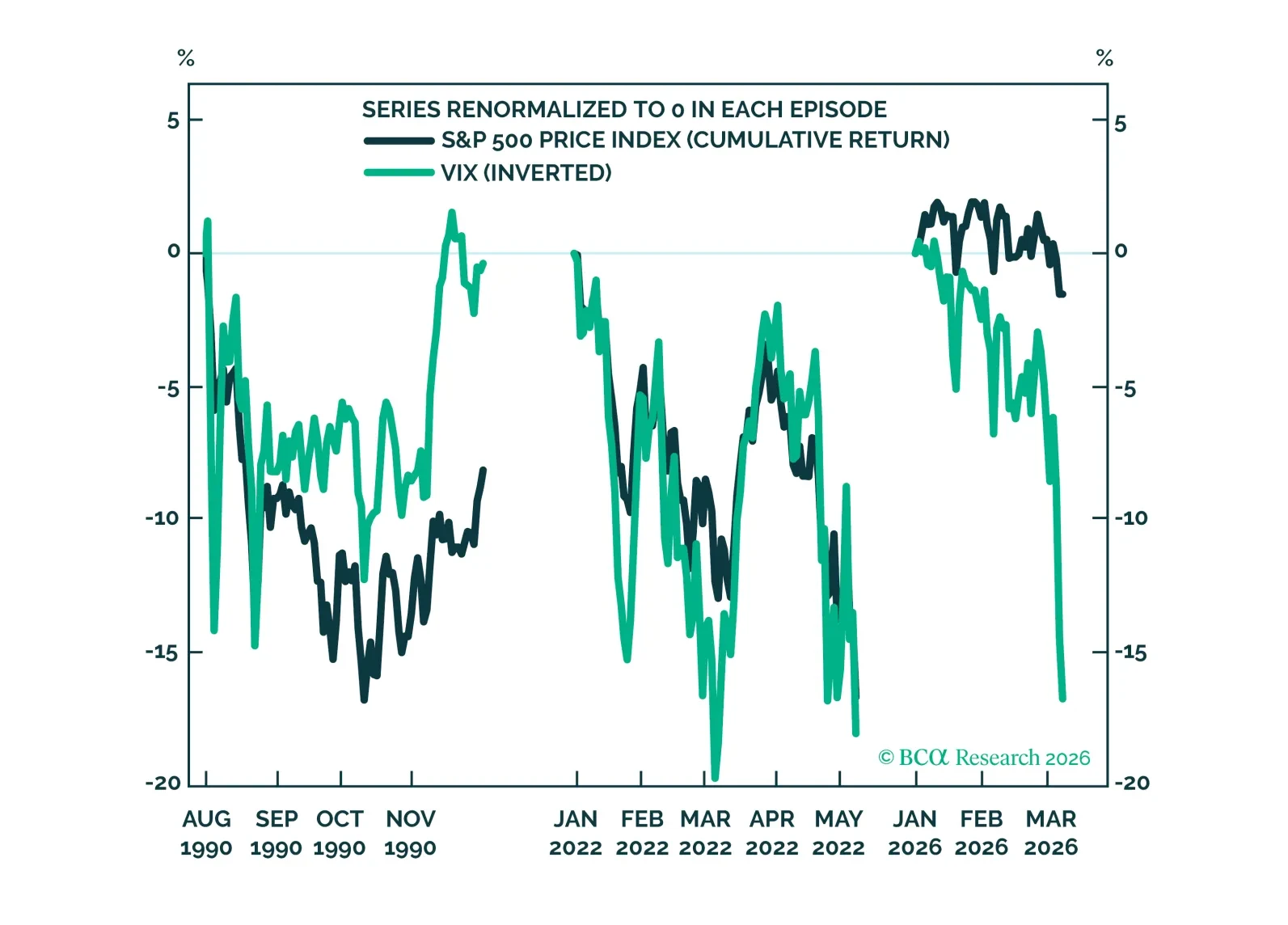
Middle East tensions sparked a surge in volatility, yet the S&P 500 decline has been comparatively modest. Across asset classes, moves seem related to risk preferences and near-term inflation concerns. Within equities, some cyclicals are under pressure, but the equity market’s growth view has been resilient, while the inflation view has climbed.
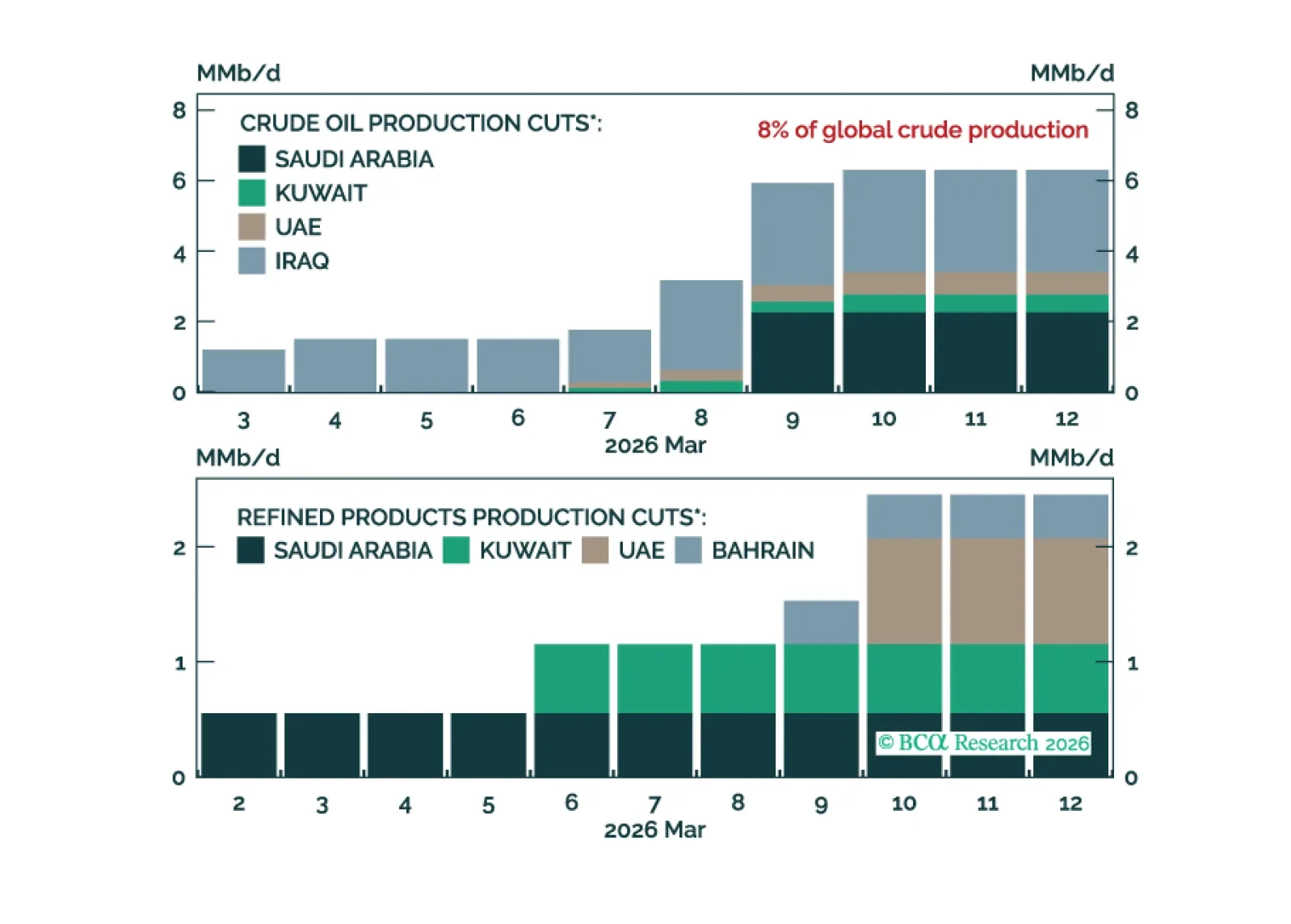
We outline a framework for the Iran war's impact on the commodity outlook in the event of a prolonged Strait of Hormuz disruption. We break it down into three phases: (1) the Initial Shockwave, (2) the Ripple Effects, and (3) the Backwash. The first phase has largely passed, and we are now in the Ripple Effects phase.
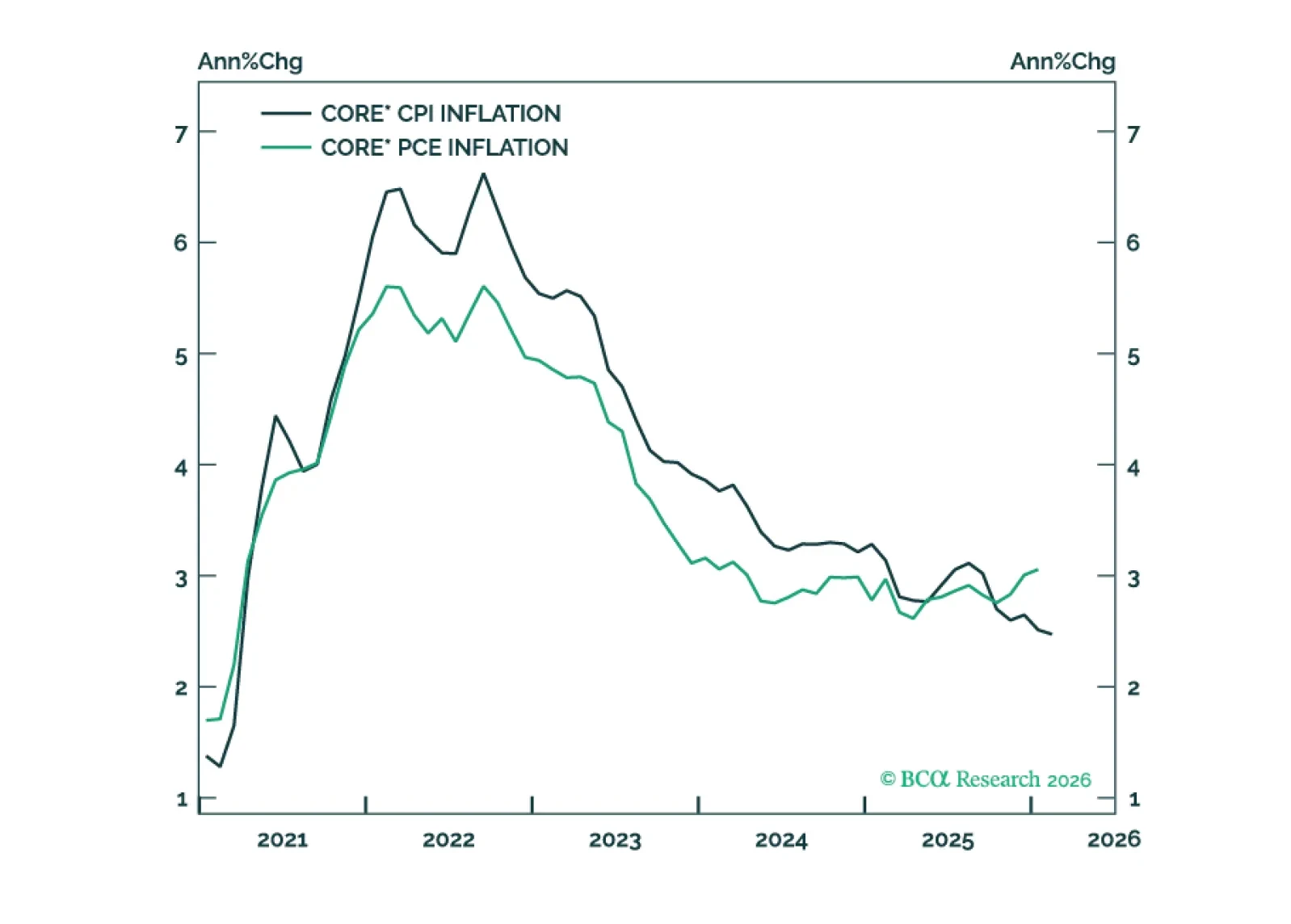
The gap between PCE and CPI inflation will narrow within the next few months, mostly driven by core PCE inflation converging toward its trimmed mean.