AI
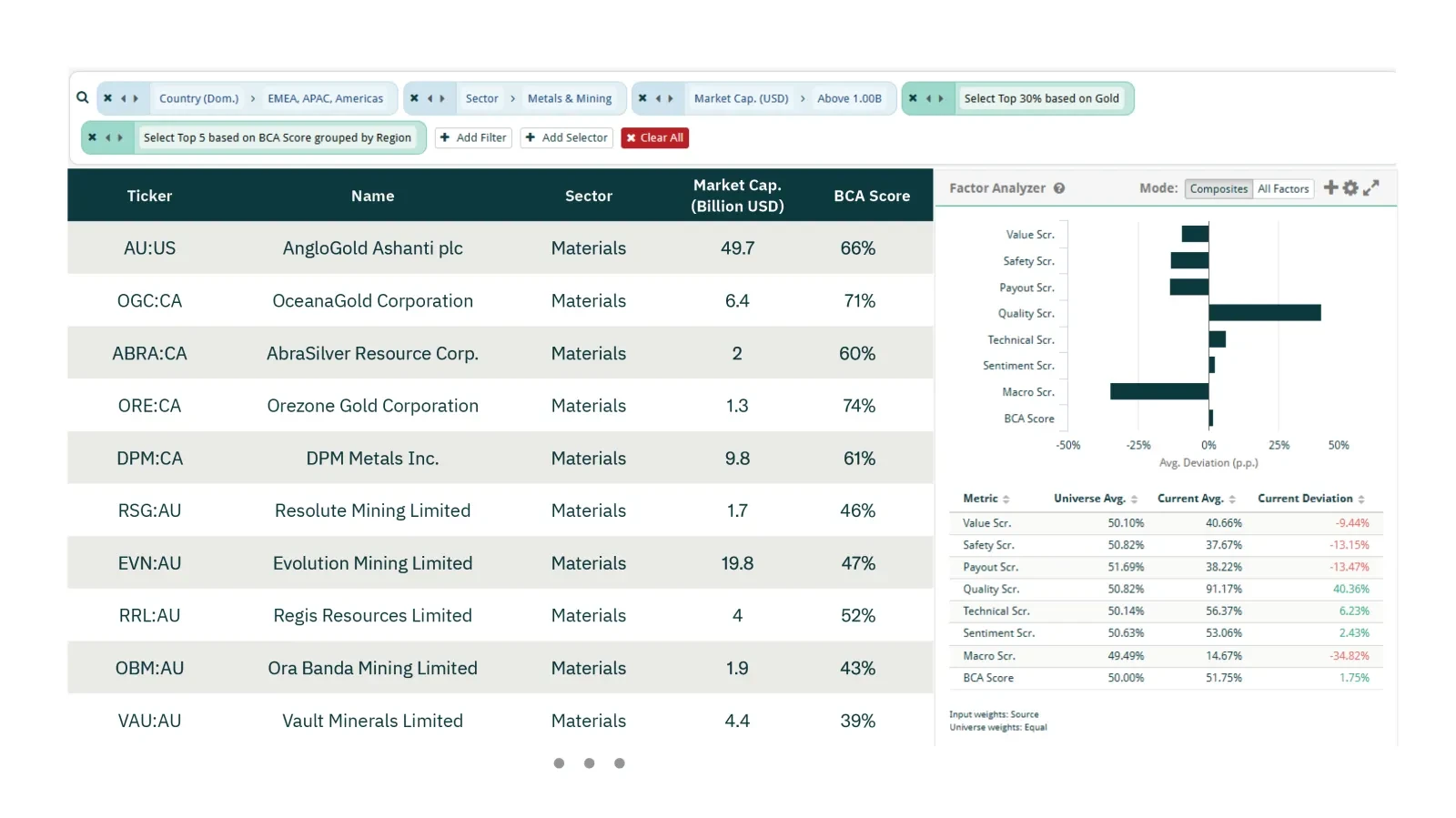
In this report, we explore opportunities in goldminer equities, AI infrastructure monetization, and Japan's tactical outperformance window.
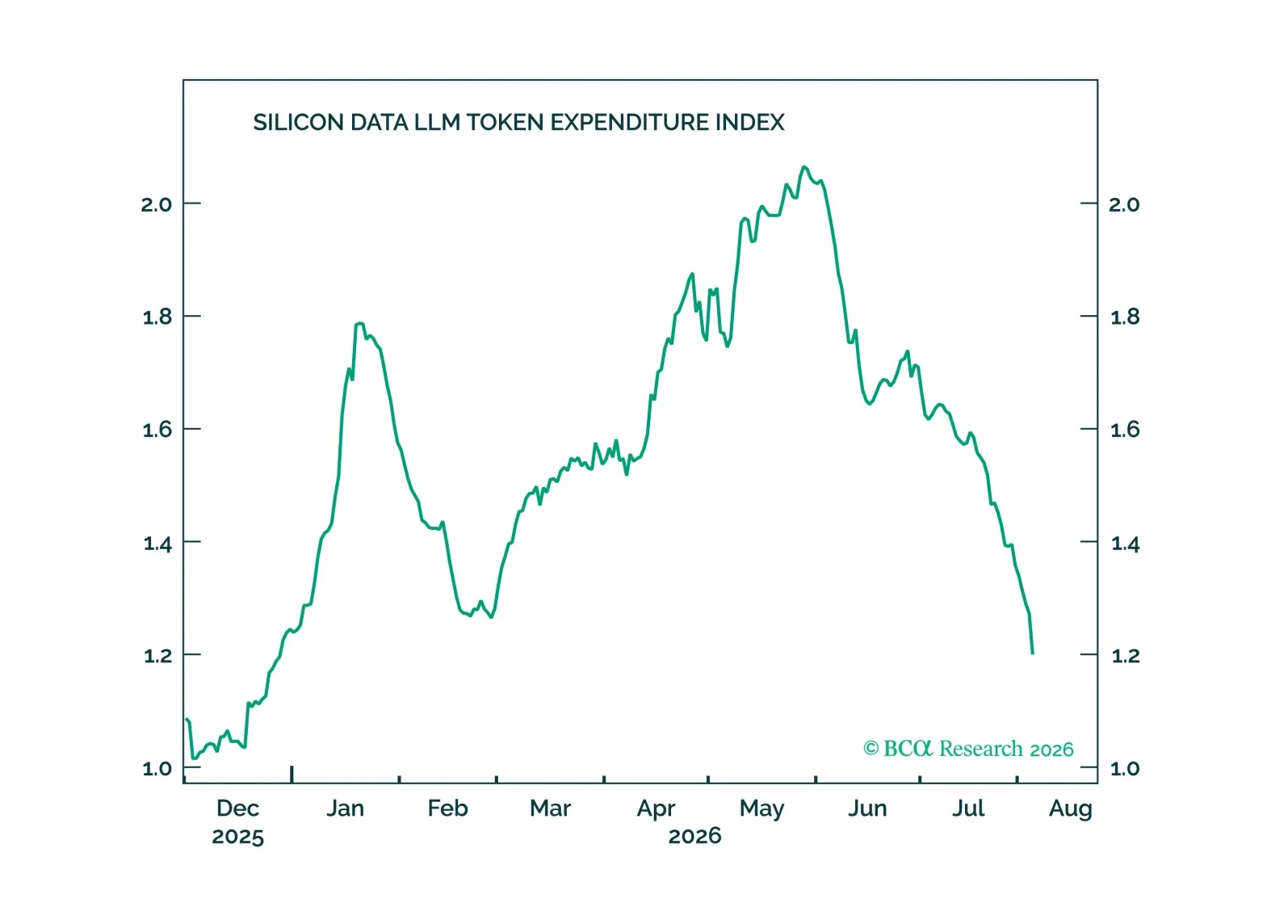
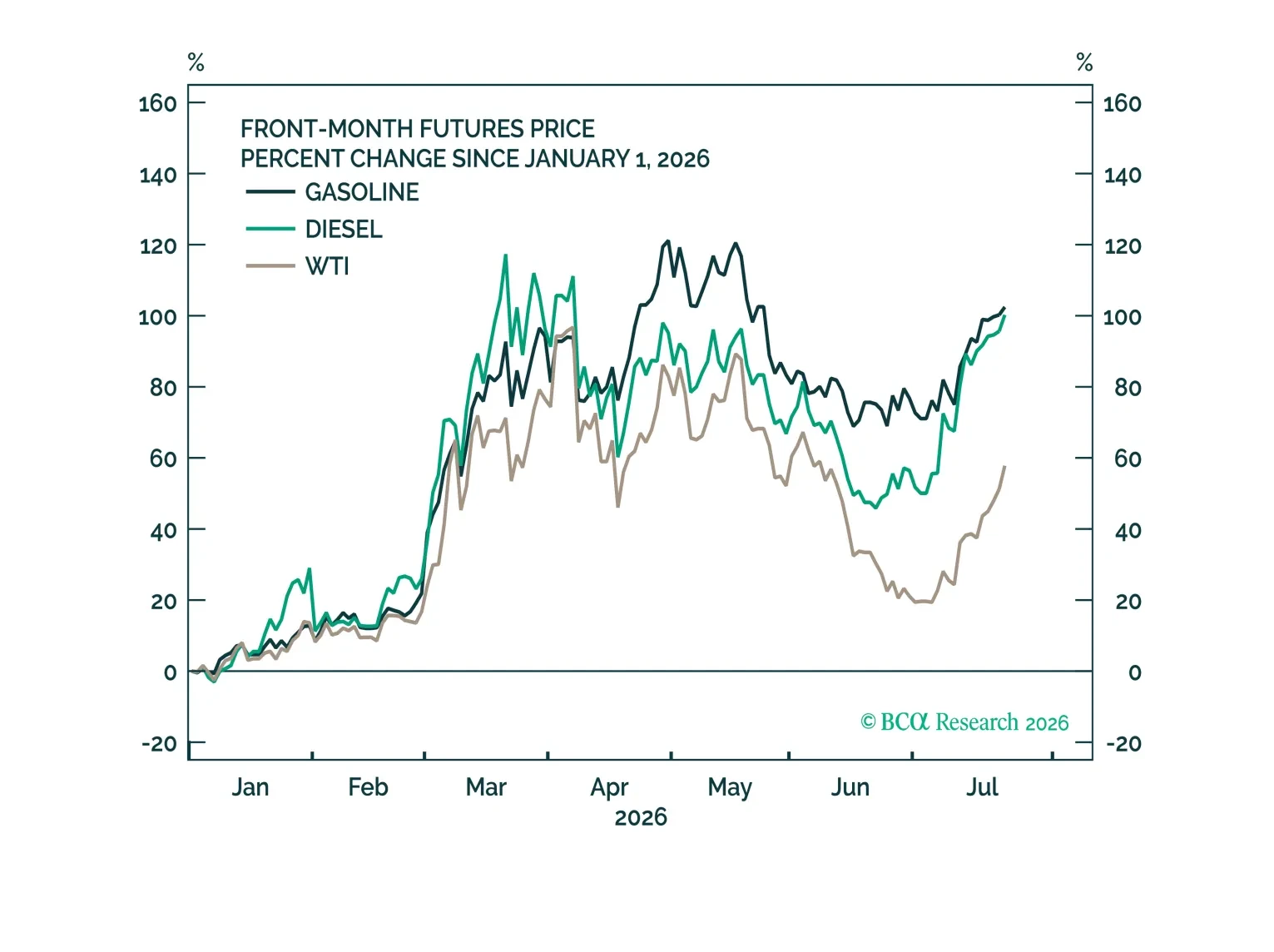
We remain tactically bullish due to the combination of geopolitical risks in the Middle East easing and the ramping up of the AI boom. In this month’s chartpack, we articulate the reasoning behind both sanguine views.
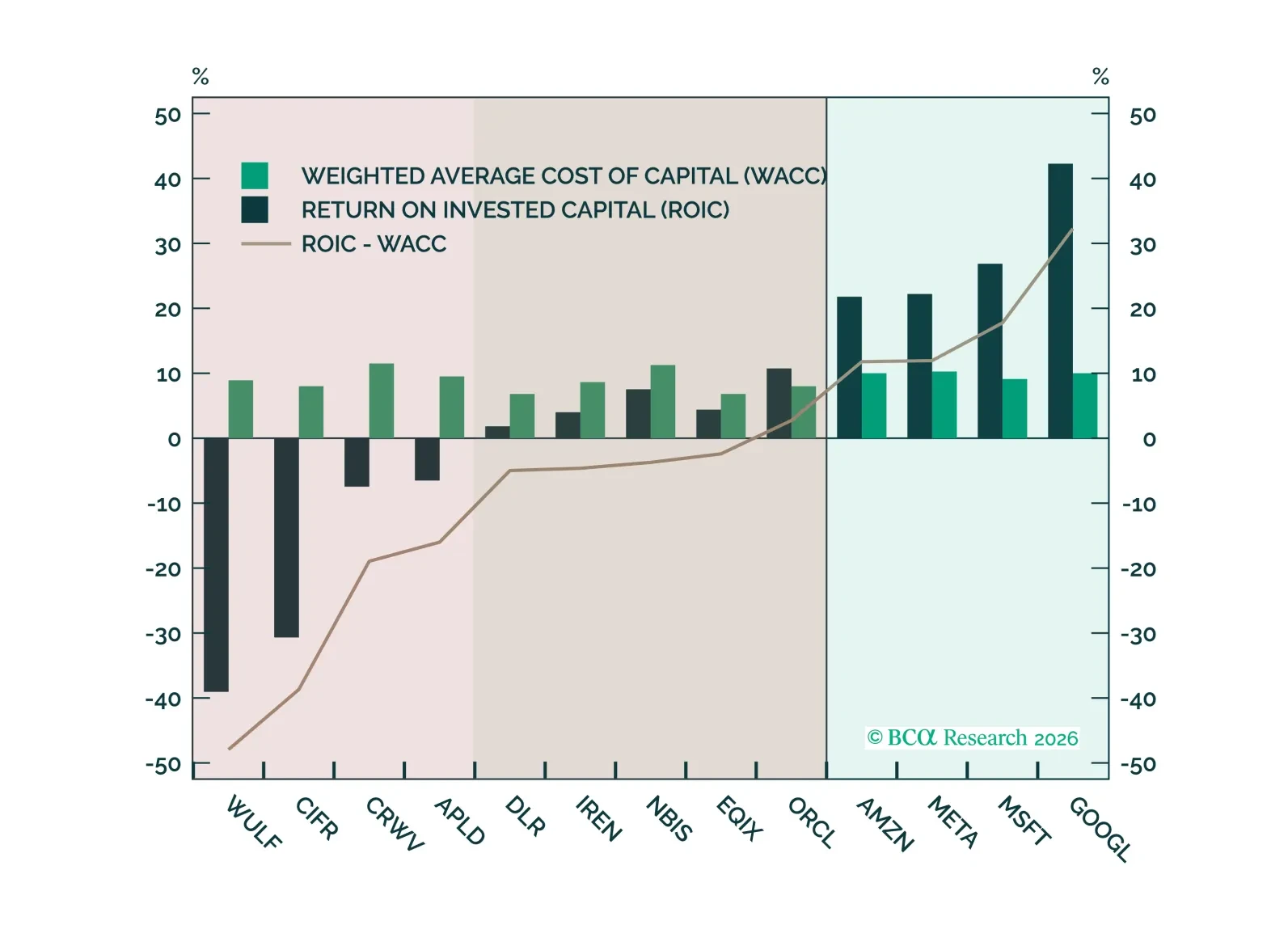
AI demand remains strong, but the capex boom is creating a growing divide within Tech. Hyperscalers combine superior margins, capital efficiency and financing capacity with multiple paths to monetize AI investment. Neoclouds rely more heavily on leverage and scarcity economics, potentially making them more vulnerable should capacity expand and compute pricing normalize.
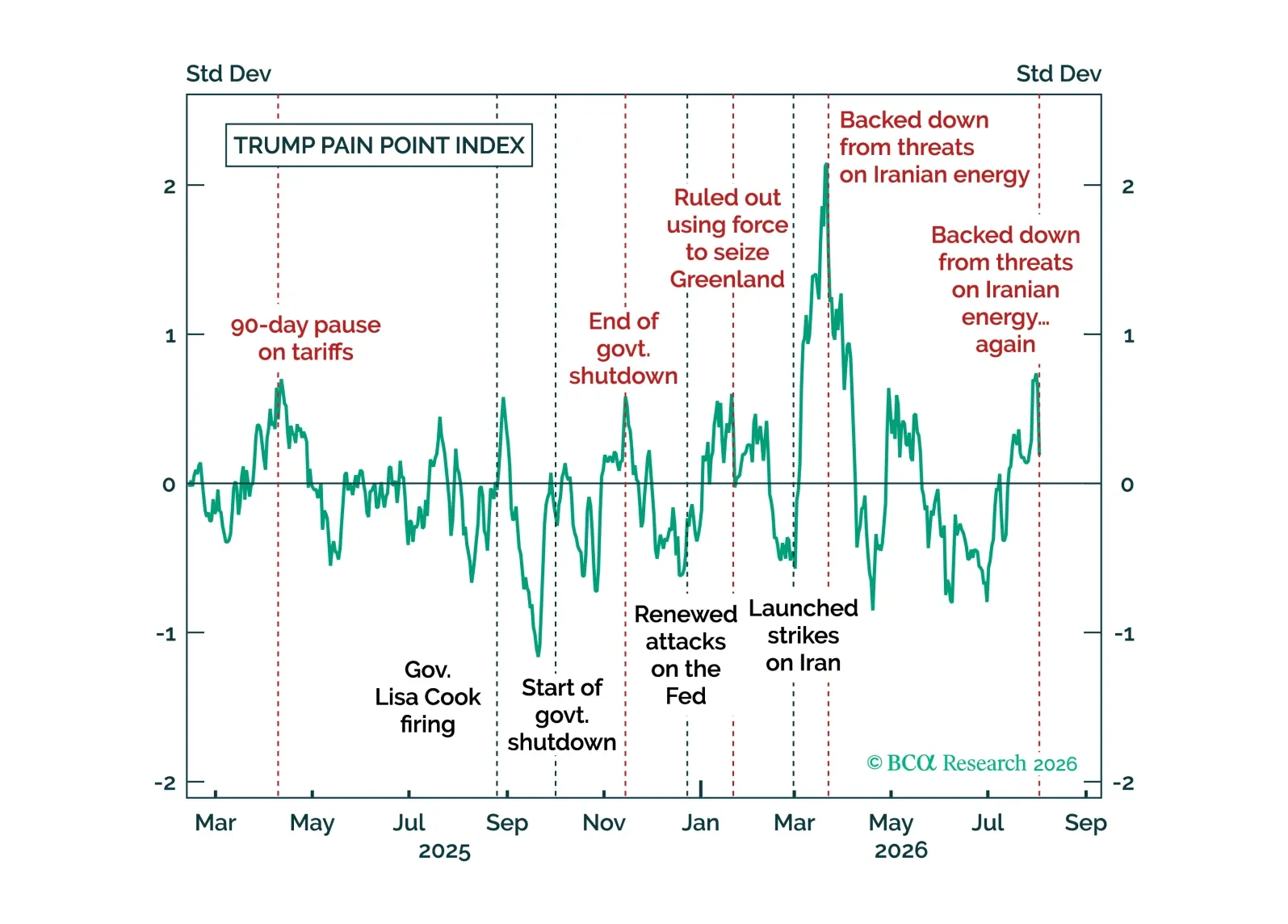
Last month we "stuck our neck out" and reaffirmed our bullishness towards risk asset. This month, we have confirmation that the risky bet is paying off. Iran and the US remain materially constrained from total war. The AI capex thesis is holding up and slowly mutating into a price war that will only boost adoption and necessitate more investment. We open a new AI-related trade (long hard disk makers) and go long gold.
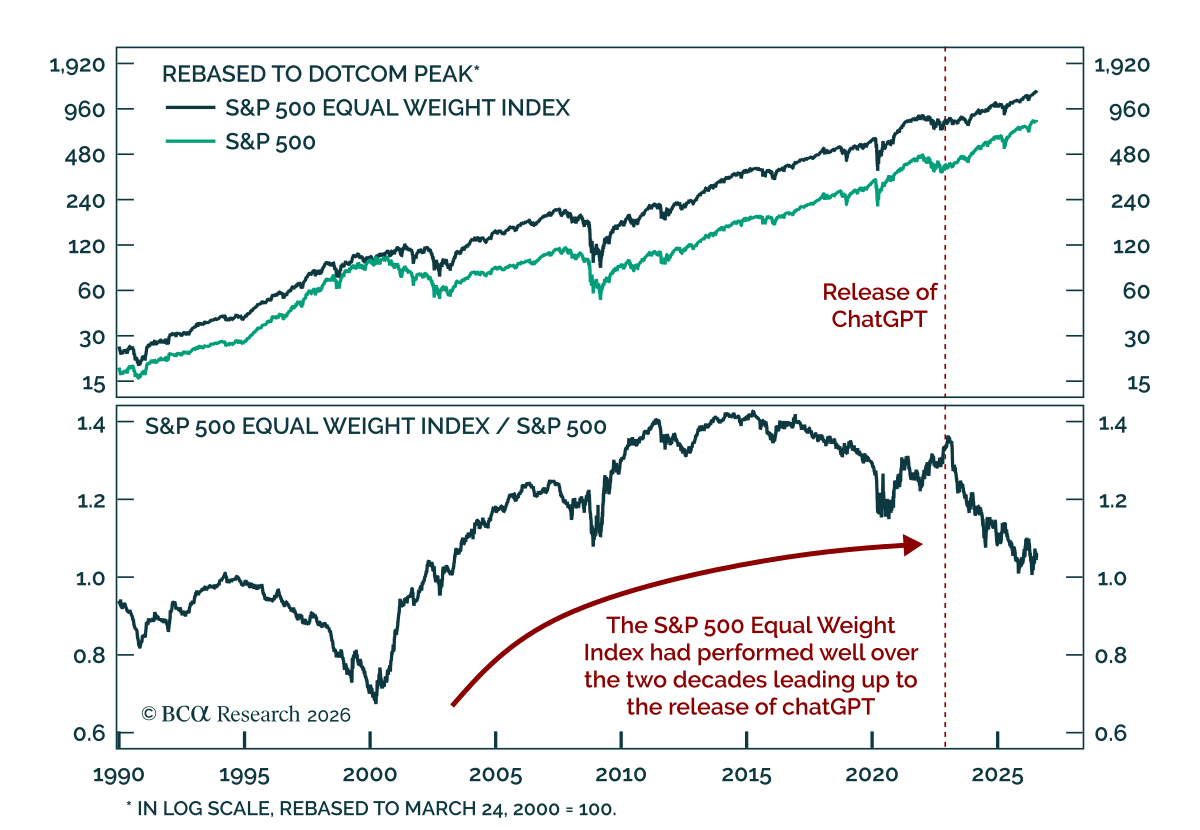
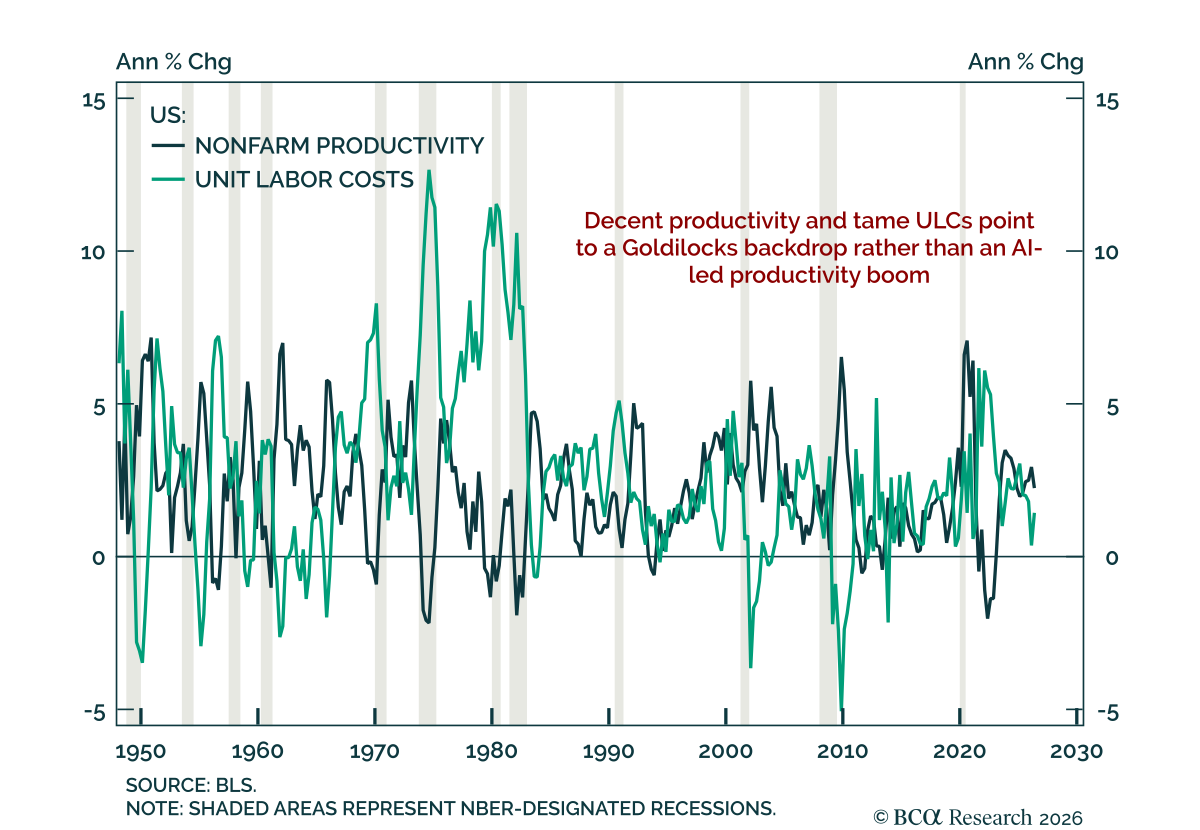
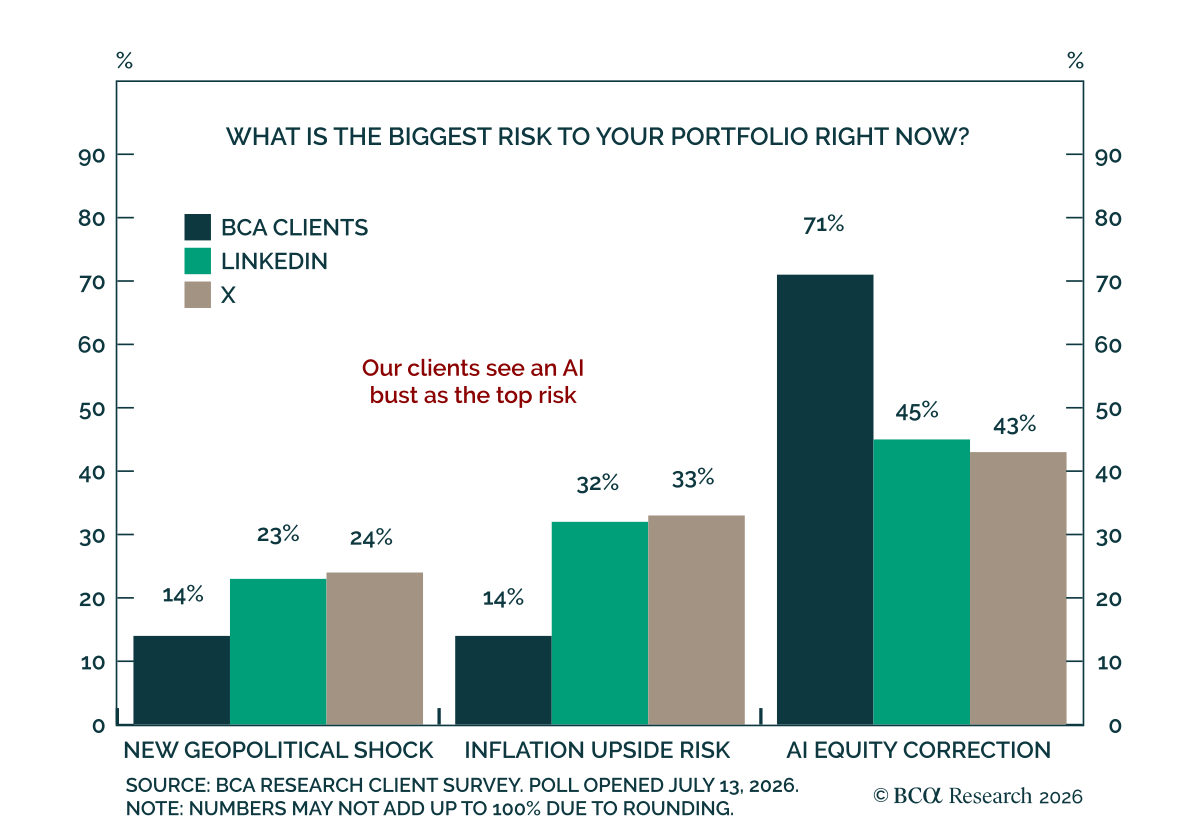
As long as the AI boom keeps booming, all other investment considerations will remain on the back burner. However, if the AI trade fizzles, this would expose deep-seated problems within the global economy, which could very well lead to an economic downturn as early as next year.
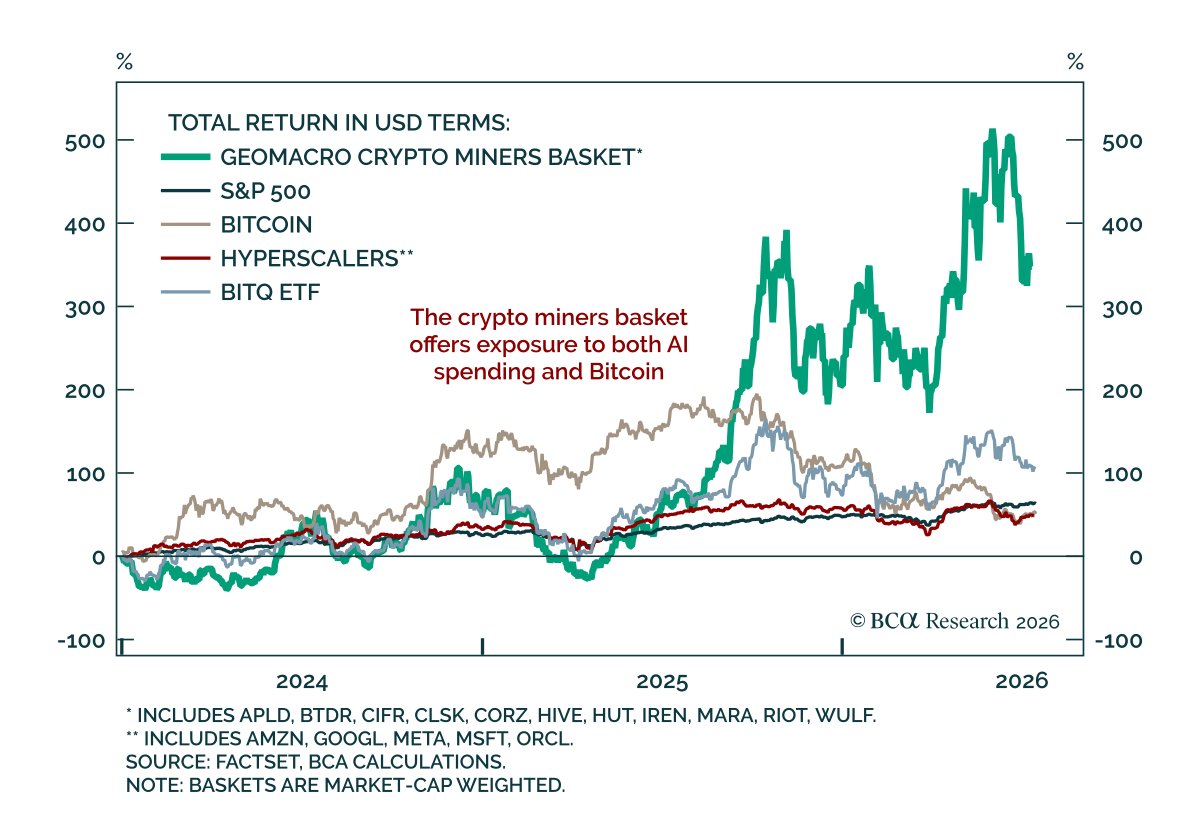
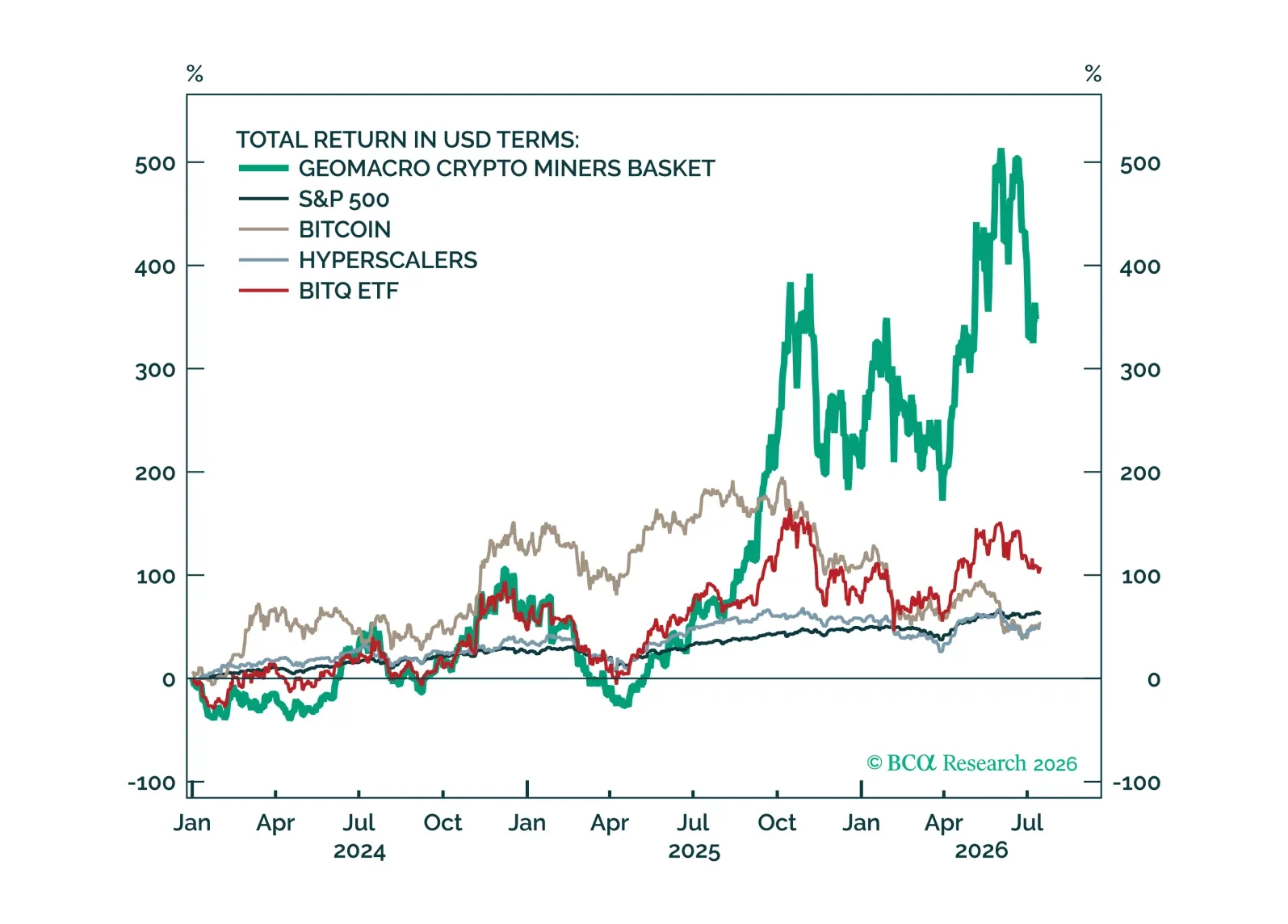
Bitcoin miners are transitioning from a pure crypto play to AI infrastructure landlords, offering investors exposure to both a crypto recovery and the surge in secular power demand driven by the AI capex buildout.