Sorry, you need to enable JavaScript to visit this website.
Skip to main content

Geopolitics

The Middle East situation escalated again over the weekend, but the conflict remains in a range shaped by oil prices. The immediate issue is a dispute over shipping routes through Hormuz. Iran appears to believe the June ceasefire effectively gave it the…

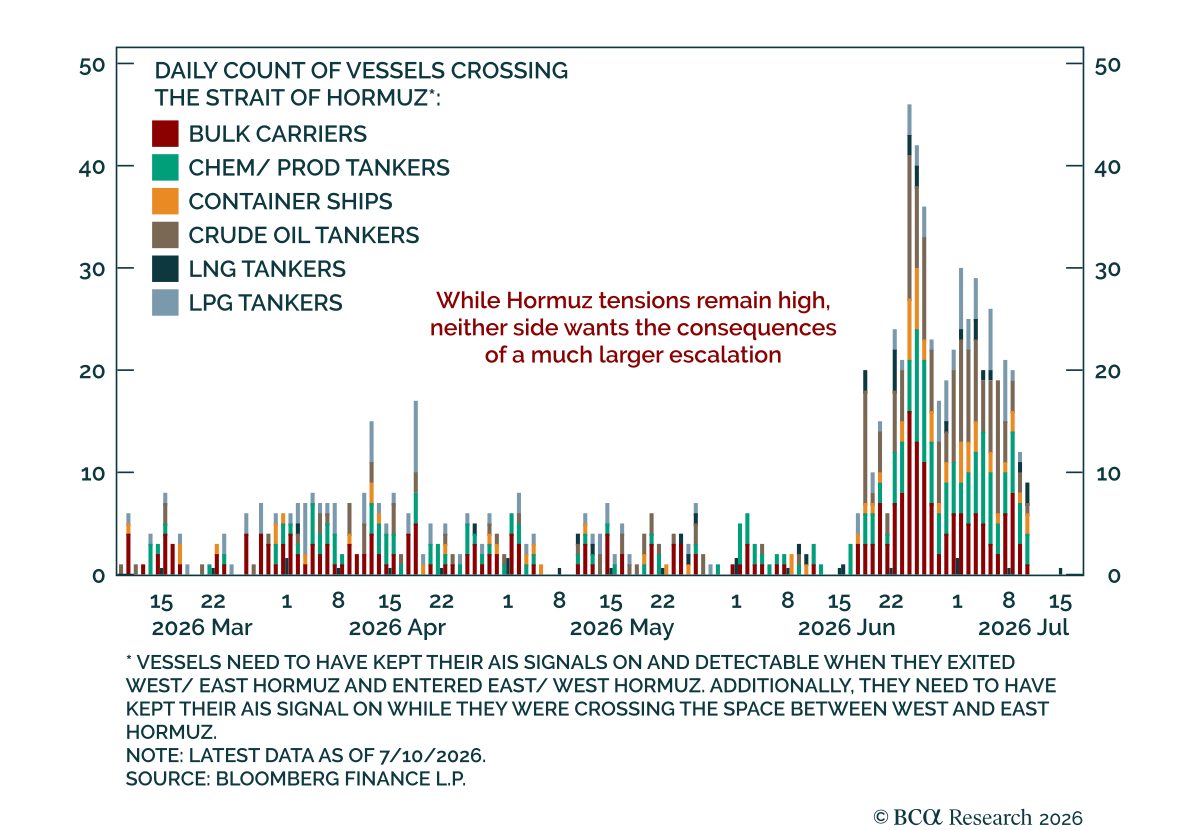
The US and Iran have engaged in a dramatic increase in kinetic activity over the past several days. It all appears to have started on July 6-7, when Iran allegedly attacked several ships in the Strait of Hormuz, vessels that were using the US-recommended route closer to Oman. Following US strikes against Iran in retaliation for that incident – with the US military claiming to have struck 140 sites – Iran has retaliated against US military facilities across the Gulf region. According to media reporting and Iranian government sources themselves, Iran attacked Bahrain, Kuwait, Jordan, Qatar and Oman on July 11-12. 
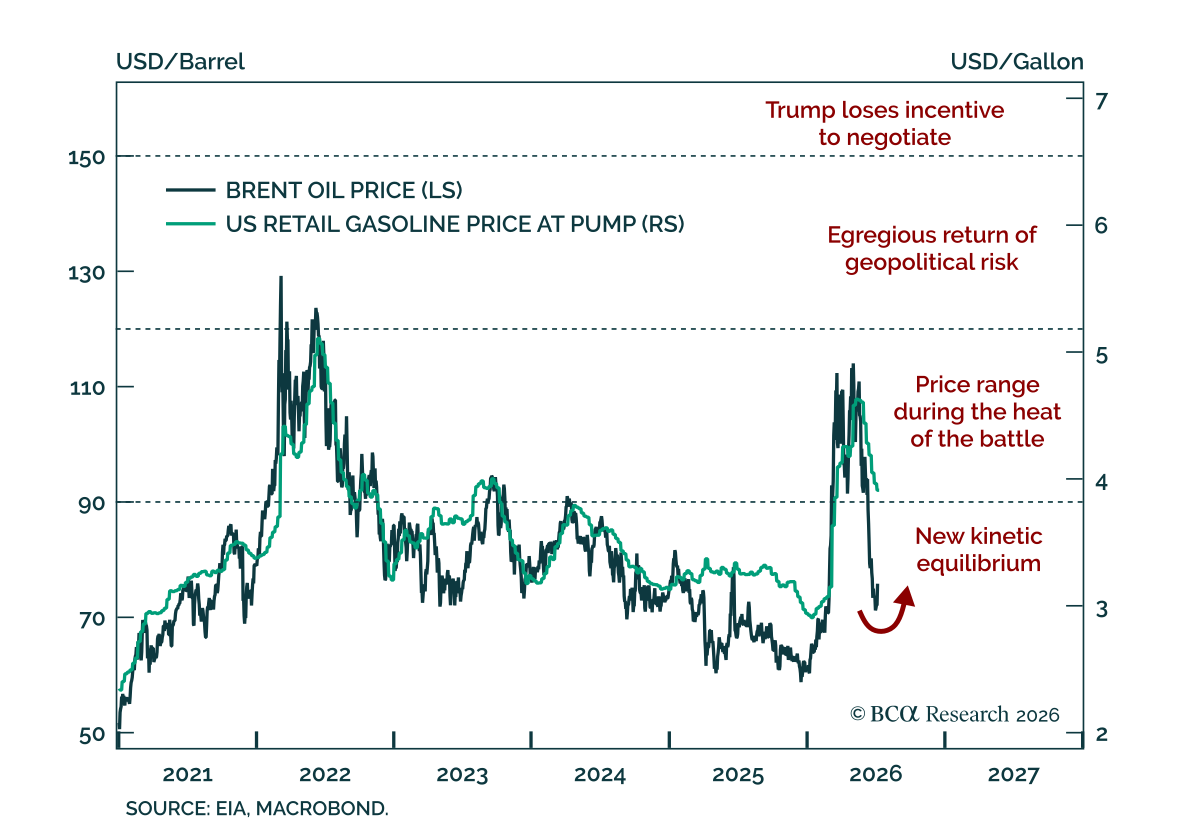
The latest Middle East flare-up fits the pattern of a “kinetic equilibrium,” with managed escalation keeping oil prices within a defined range. President Trump declared the ceasefire with Iran effectively over following repeated violations. The US and Iran…

Just as we declared that geopolitical risk has peaked for the year – in yesterday’s Alpha report – President Trump has declared the ceasefire with Iran over after repeated violations via strikes against three tankers in the Strait of Hormuz. That is the life of an investment strategist. But the underlying dynamics continue to play out as we’ve described.
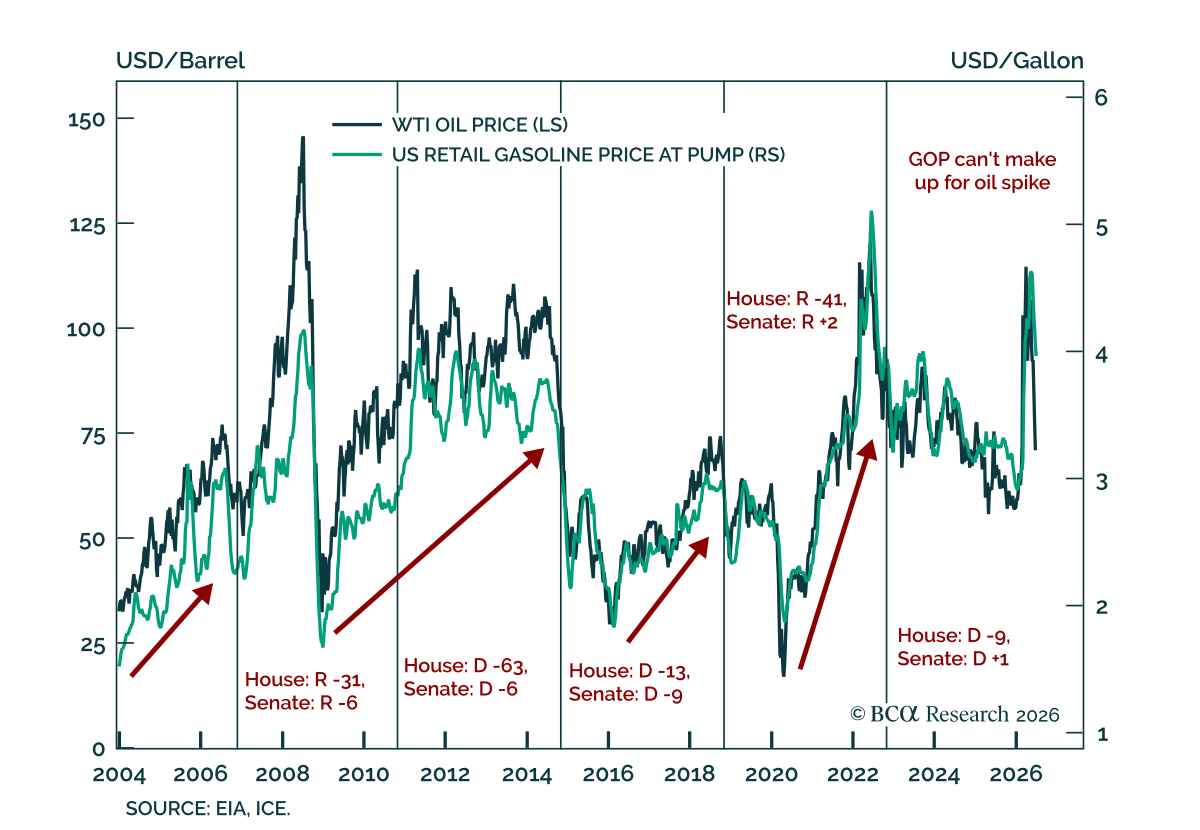
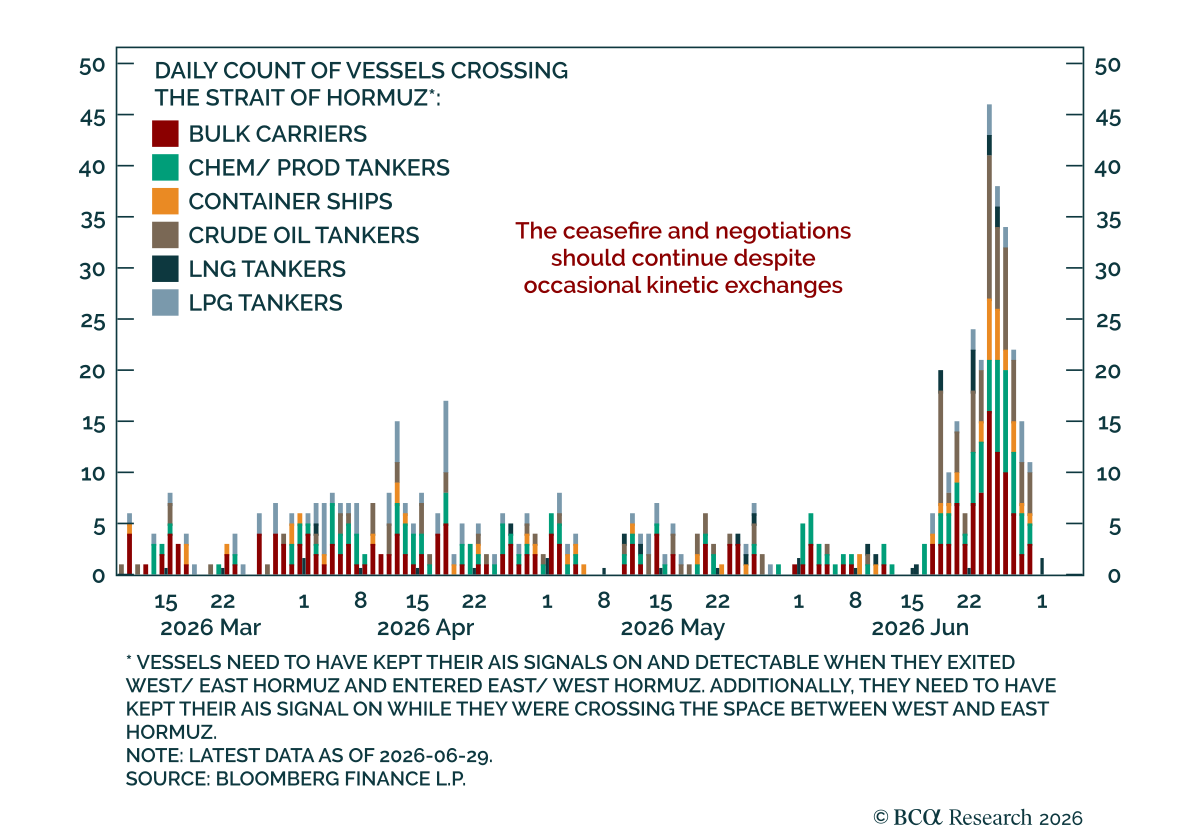
Our Geopolitical strategists expect geopolitical risk to ease modestly in Q3, with the notable exception of Russia, where tensions appear underrated. The US midterm election will force the Trump administration to delay major geopolitical and trade conflicts,…
The weekend saw renewed kinetic exchanges in the Middle East, in a ceasefire that has thus far done as much firing as ceasing. The weekend exchange was a fairly controlled escalation. Iran attacked a Qatari container ship and oil tanker. The US retaliated…
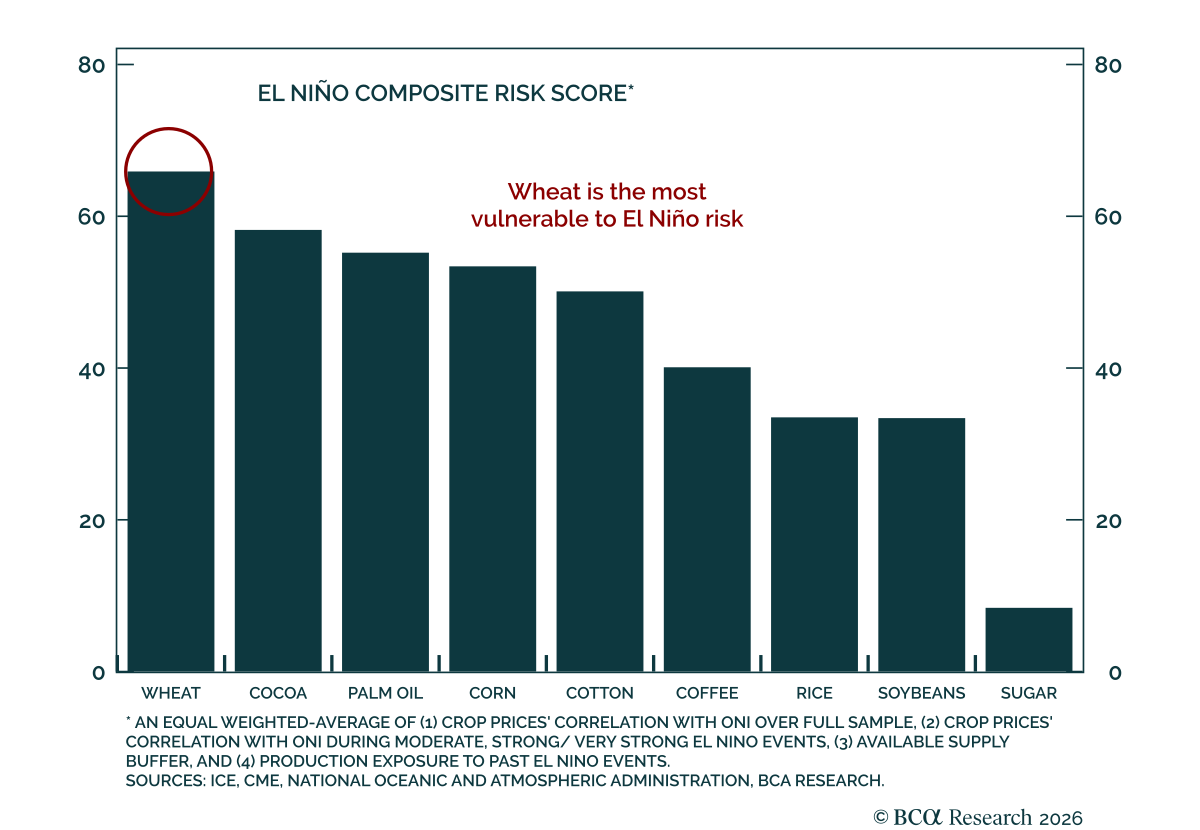
Our Commodity and GeoMacro strategists view a potential "Super El Niño" as a meaningful upside threat to agricultural prices. This creates material political and fiscal risks for vulnerable emerging and frontier markets. With several forecasting agencies…
Special Report

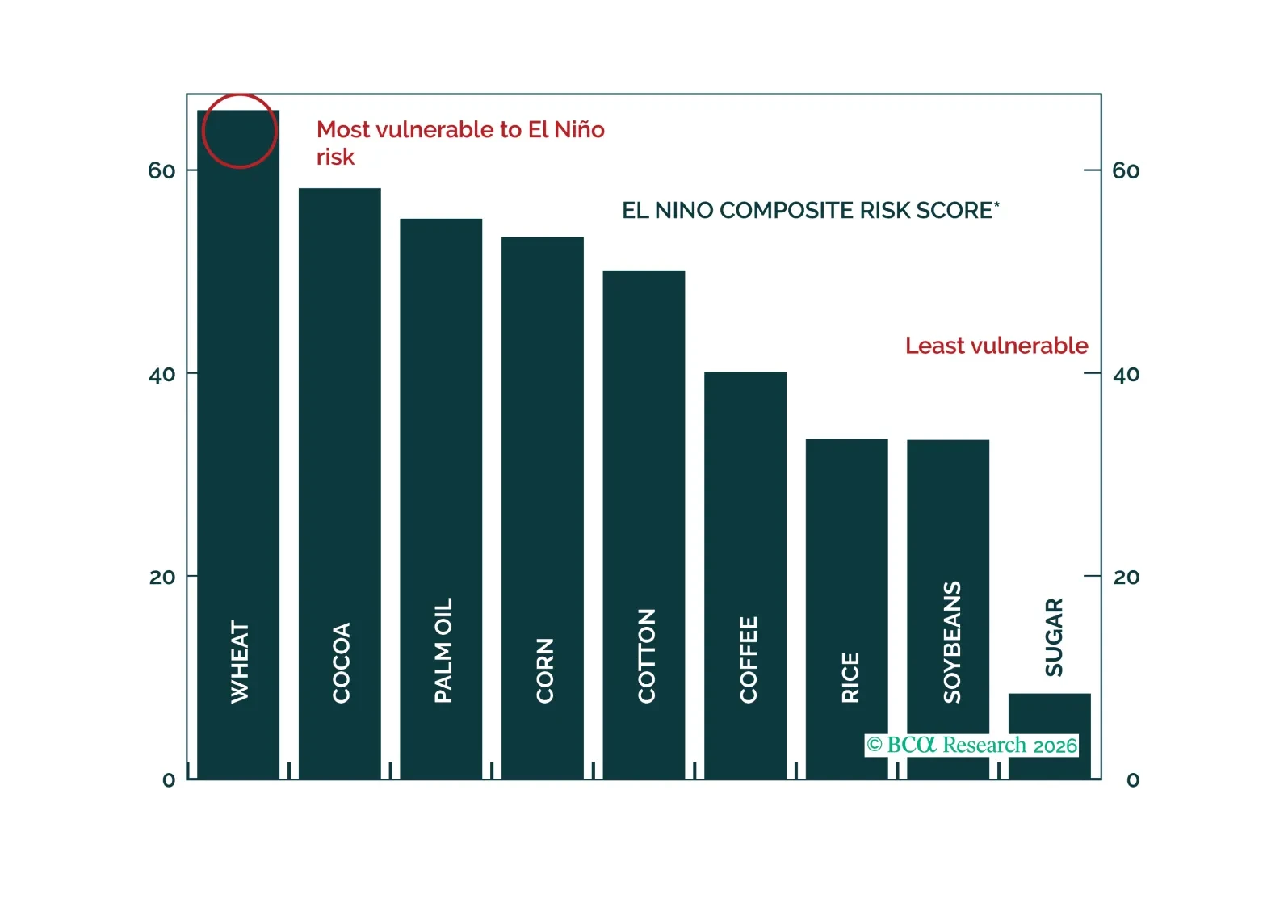
The risk of a “super El Niño” represents a meaningful threat to agricultural markets. Wheat, cocoa, and palm oil appear particularly vulnerable to El Niño-related supply disruptions. 

A rise in food prices could also generate political — and potentially geopolitical — reverberations across frontier and emerging markets, where food prices are far more relevant than in developed economies.
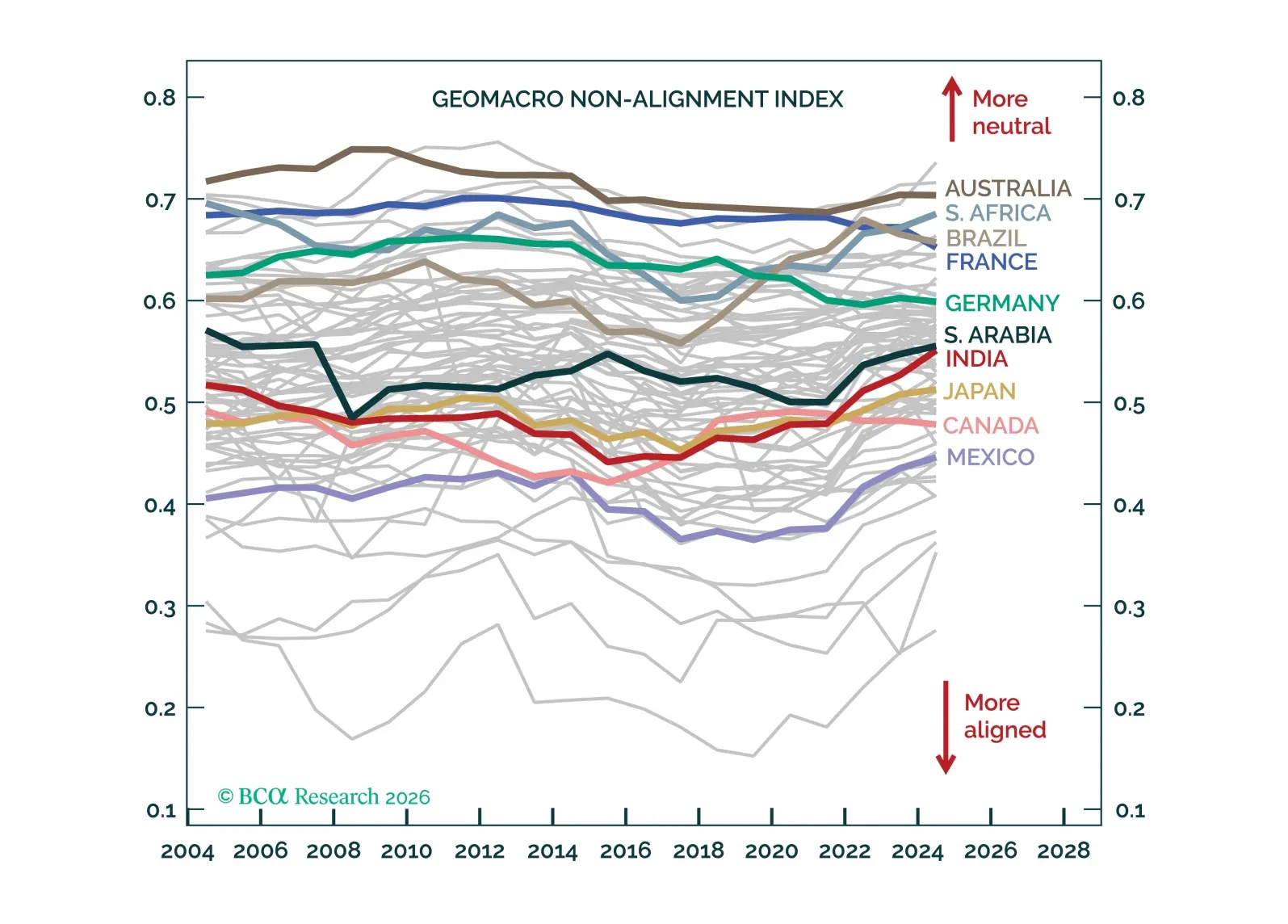
We have long argued, on a case-by-case basis, that countries willing to play the superpowers against each other win in a multipolar world. The logic is intuitive, and in this report, we measure it systematically.
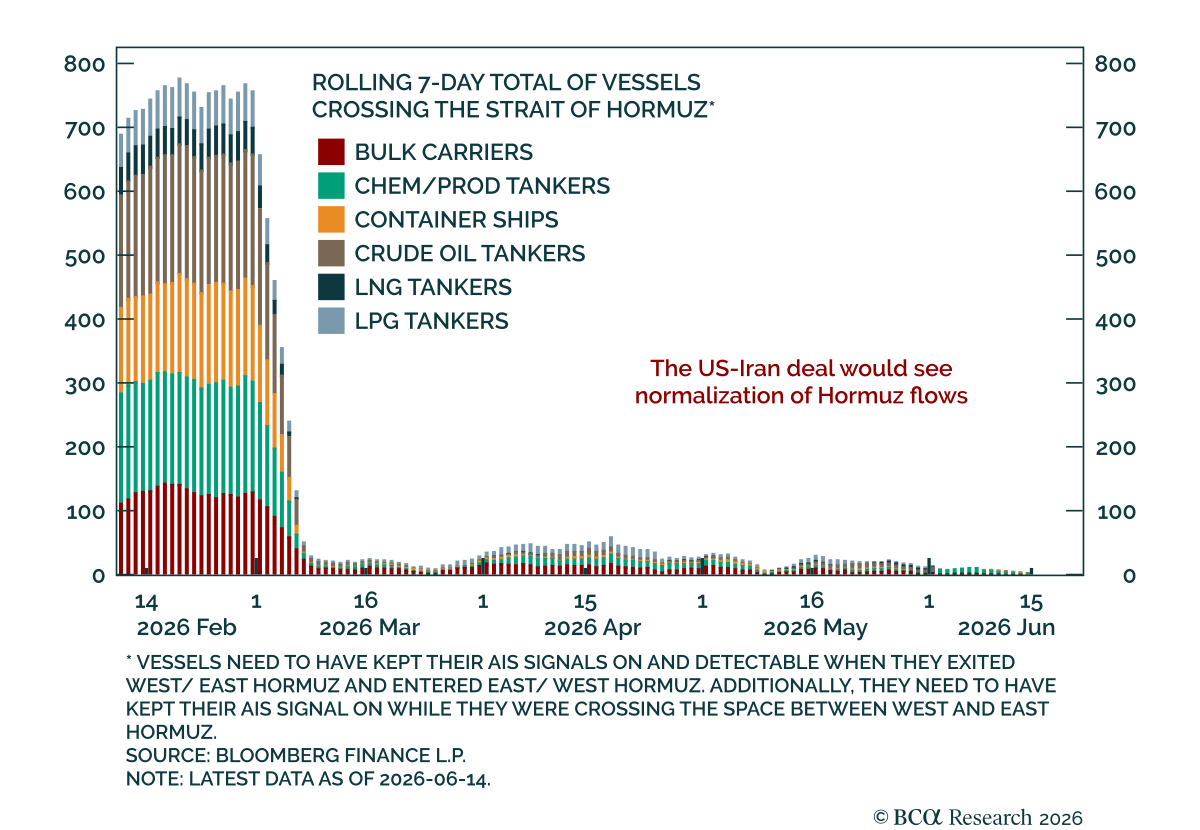
The US-Iran deal should hold in the near term, but its durability beyond the midterms looks doubtful. Our Geopolitical strategists see both sides as highly motivated to keep the deal alive for now. Even if there is another kinetic exchange or incident before…