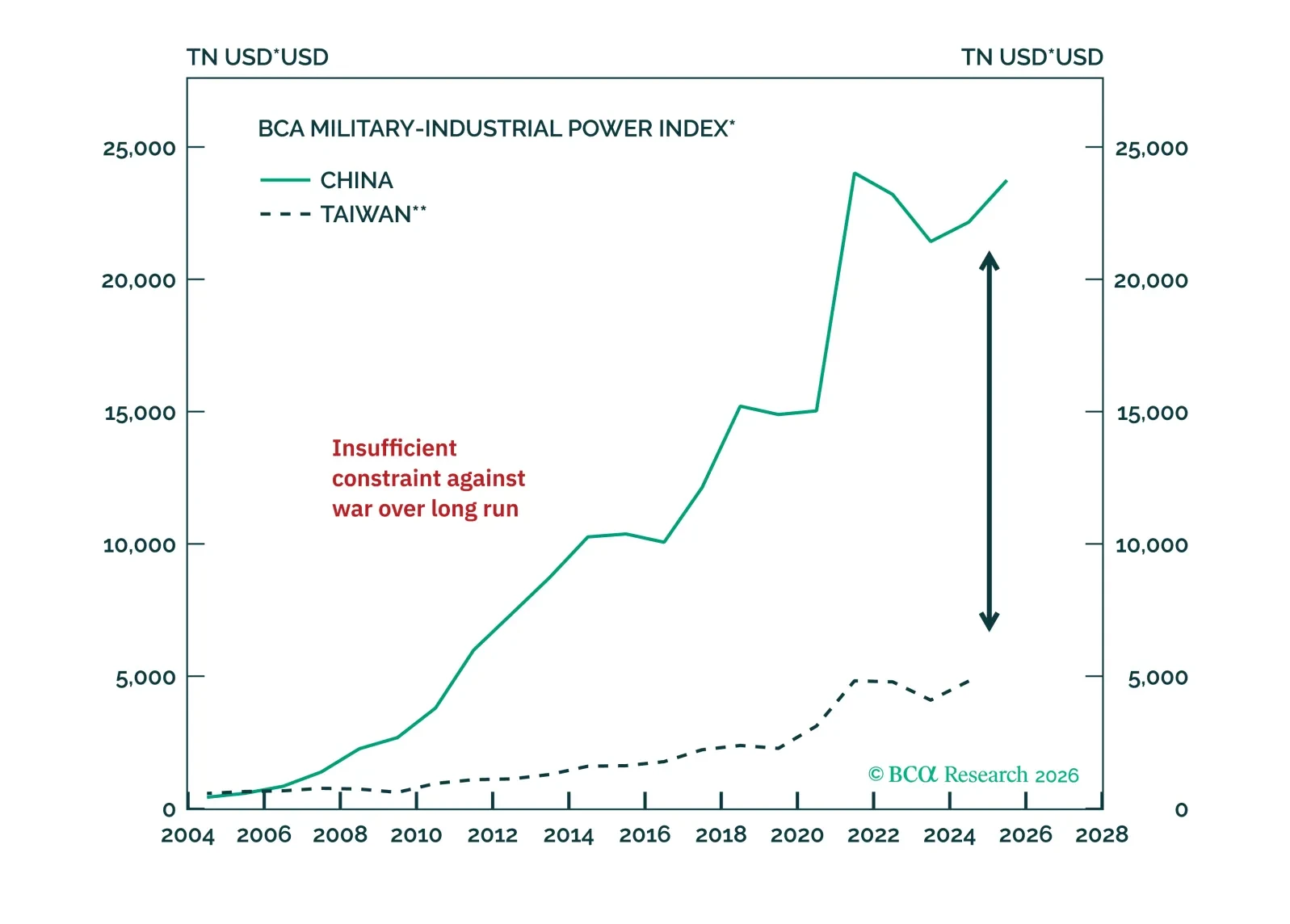
Latest from BCA Research
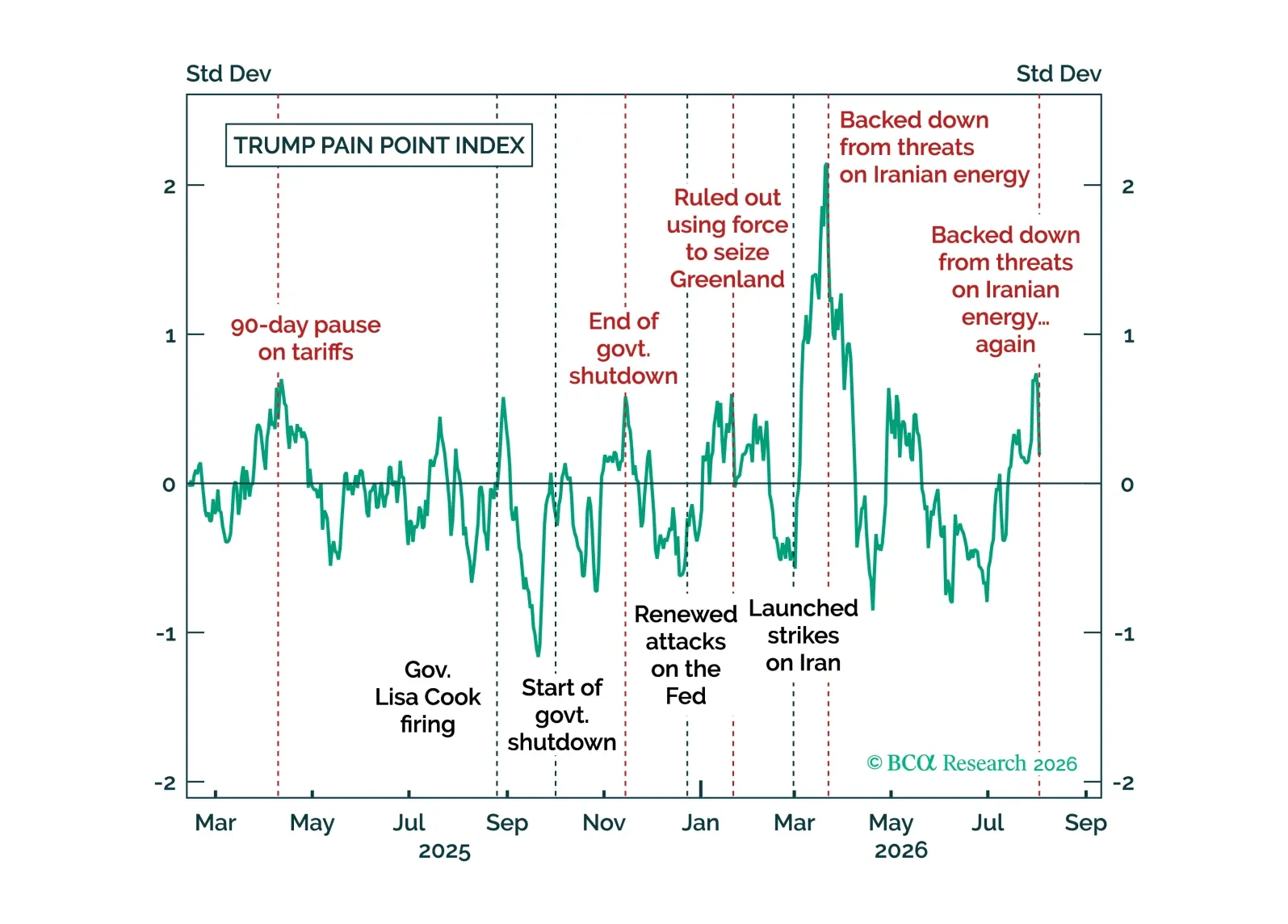
Last month we "stuck our neck out" and reaffirmed our bullishness towards risk asset. This month, we have confirmation that the risky bet is paying off. Iran and the US remain materially constrained from total war. The AI capex thesis is holding up and slowly mutating into a price war that will only boost adoption and necessitate more investment. We open a new AI-related trade (long hard disk makers) and go long gold.
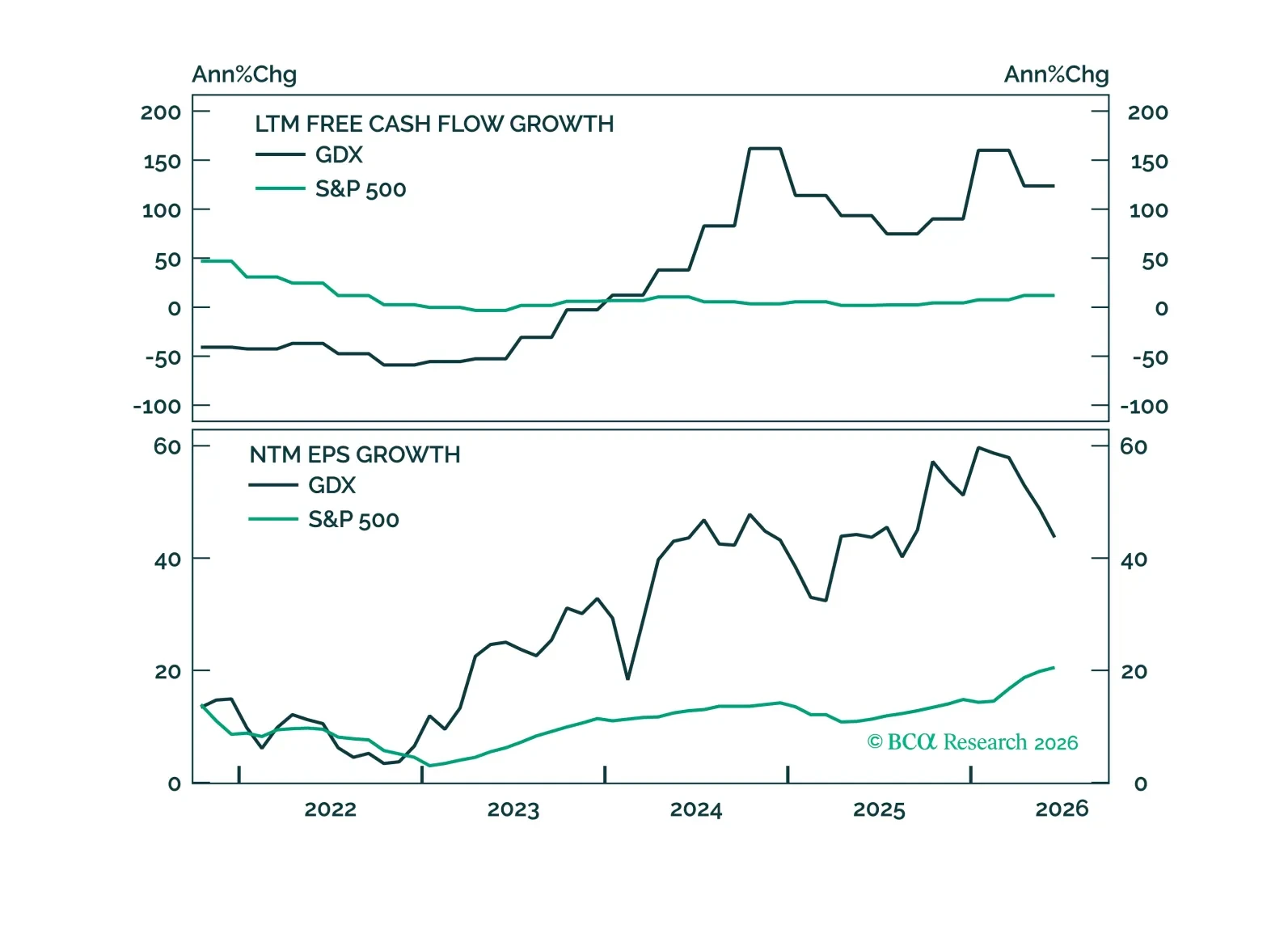
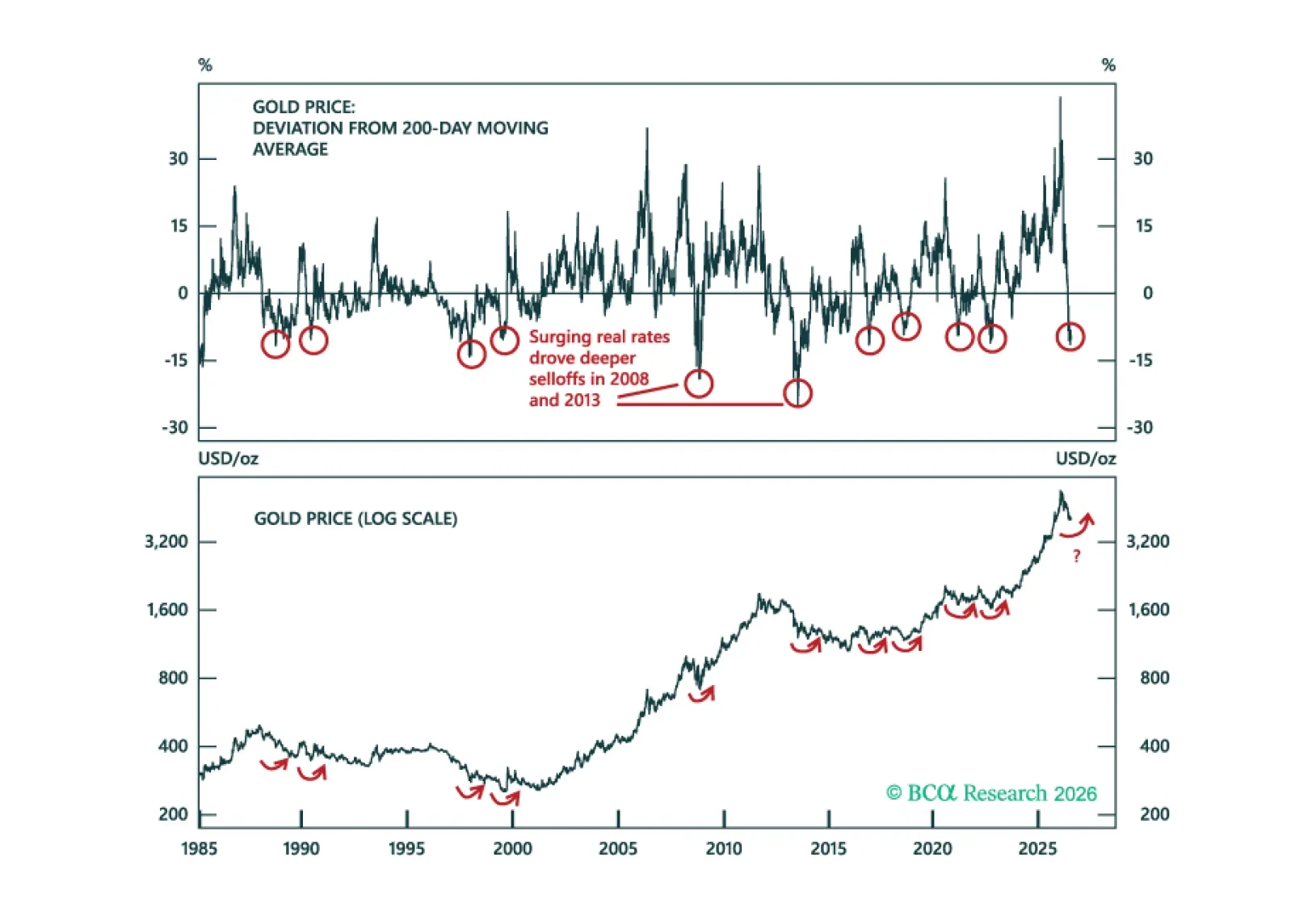
Gold and goldminers have corrected 25% from January highs. With our commodity team bullish gold, we are getting long GDX. Goldminers offer a gold-linked hedge against macro outcomes that would likely be damaging for equities, while improvements in profitability, capital discipline, and balance-sheet quality make the sector attractive in its own right, and it is largely independent of AI risk.
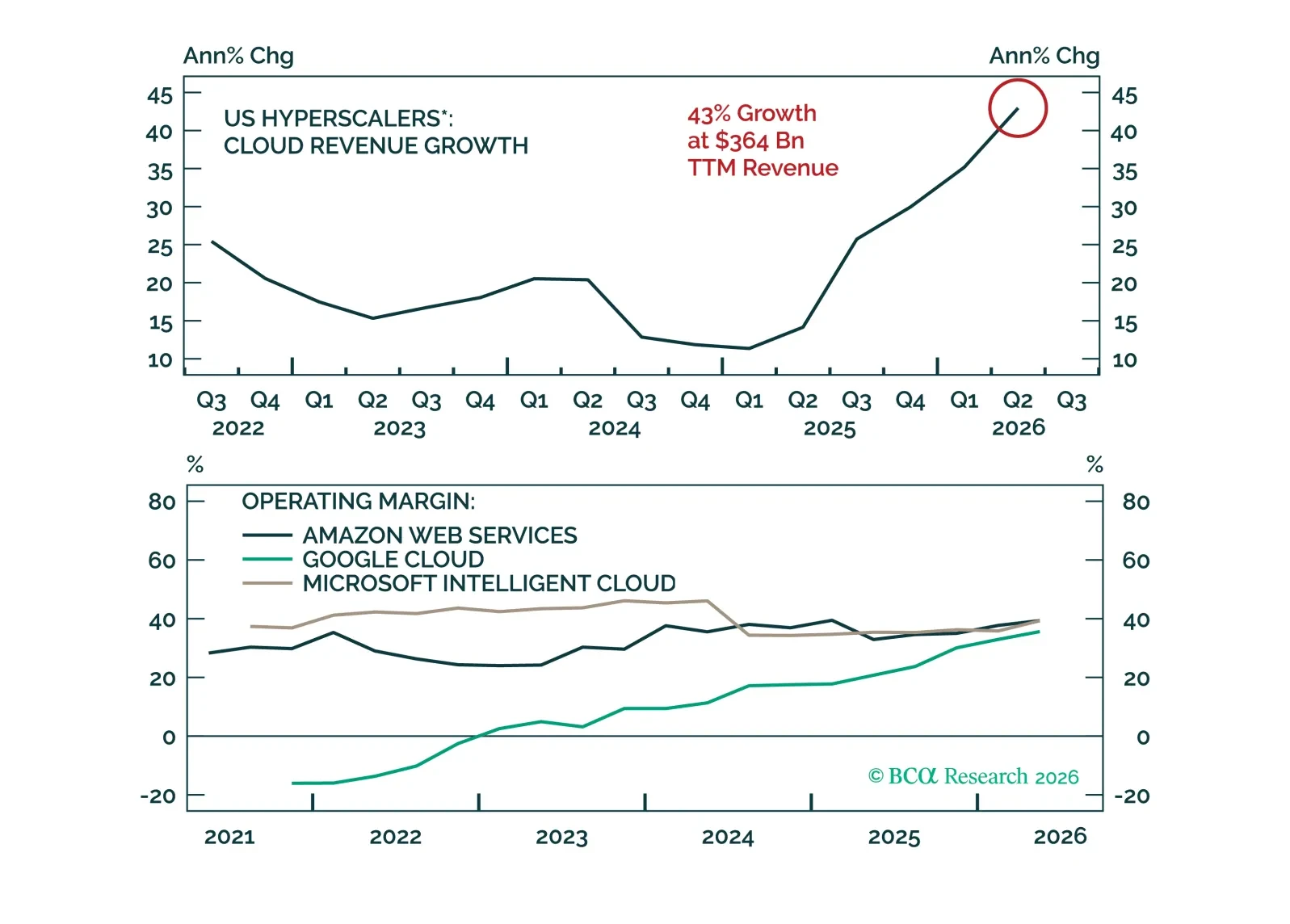
Investors have remained very skeptical about the profitability of the AI buildout. However, this earnings season the ROI has begun to show up, giving the bull market a green light to go higher. Remain overweight equities and continue to favor the hyperscalers.
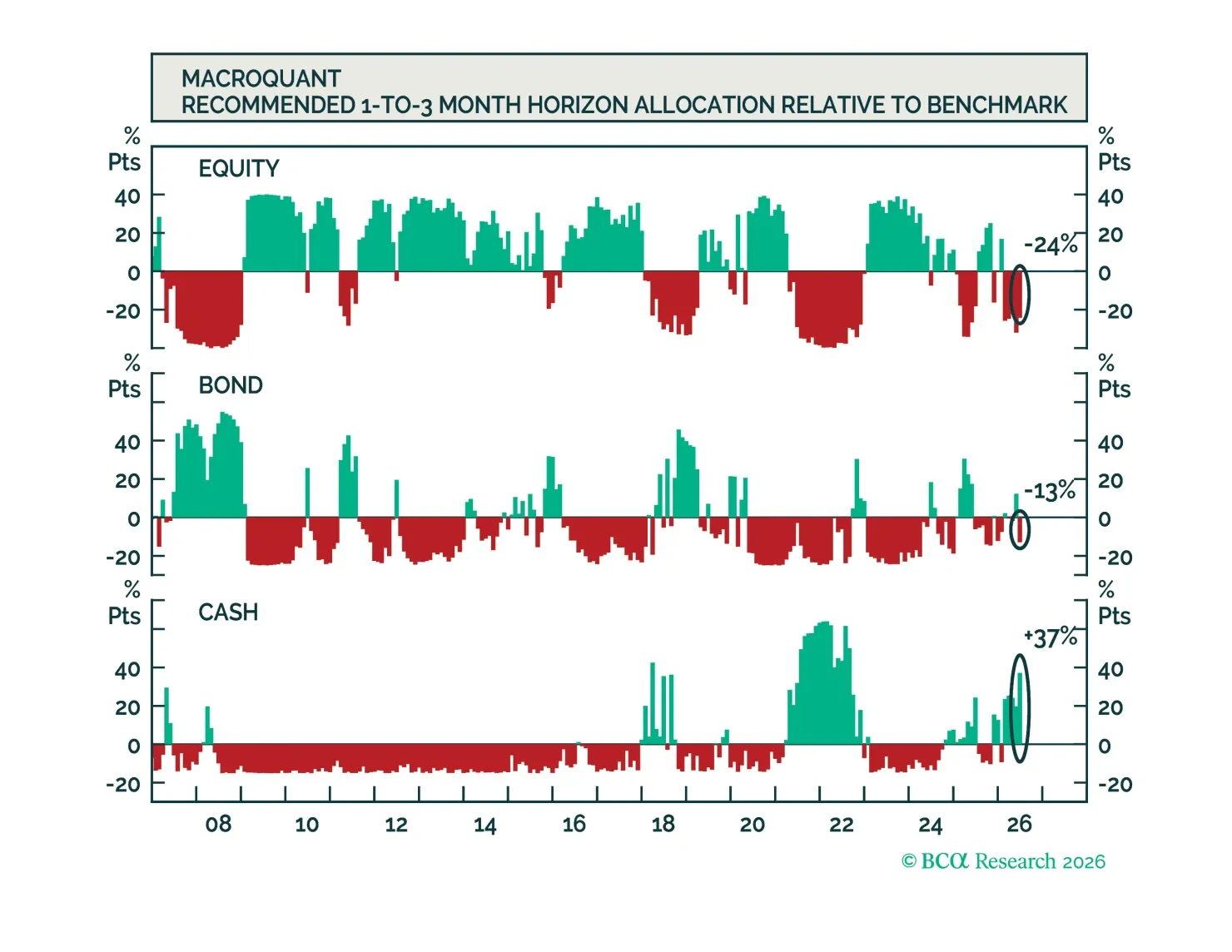
MacroQuant recommends a slight underweight position in equities, and favors a below-benchmark duration stance in fixed-income portfolios. The model is very positive on the US dollar, neutral on gold, constructive on copper, and very bullish on oil.
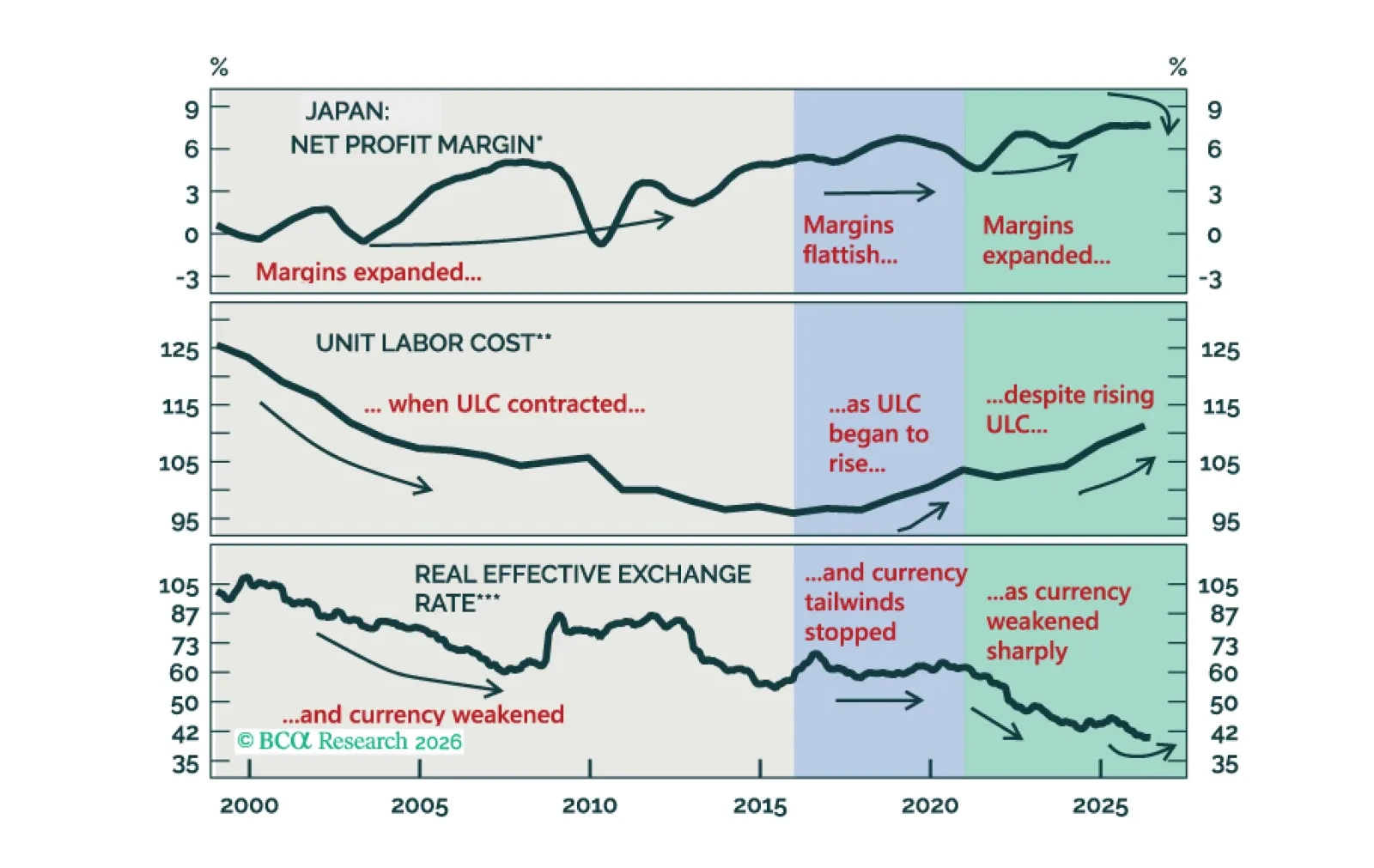
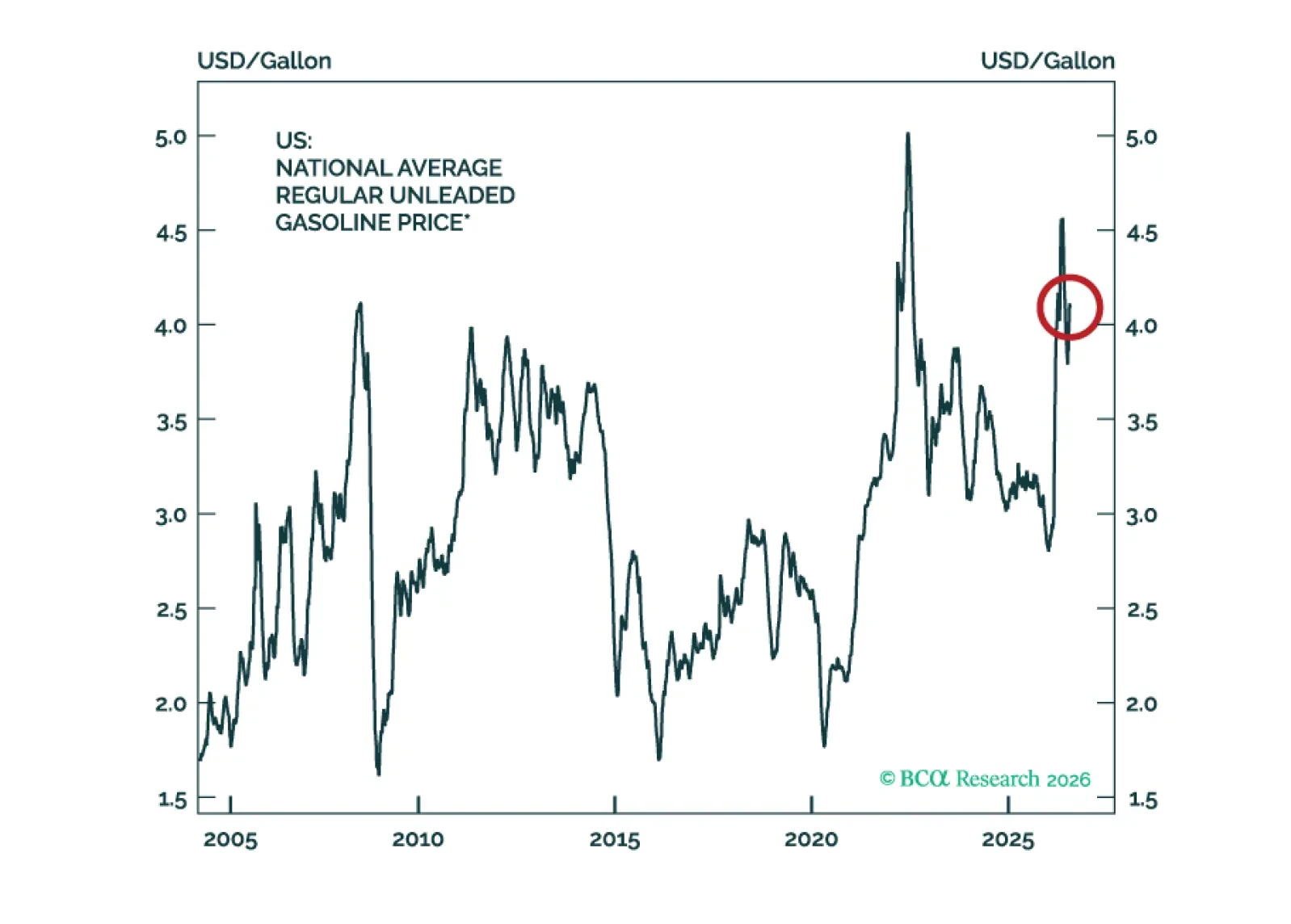
Section I outlines BCA’s views on the US-Iran conflict, Europe’s near-term outlook, the currency and bond selloffs in Japan and the early days of the Warsh Fed. In Section II, Roukaya, Matt, and Artem argue that the worst of gold's downturn is likely behind us. Real rates and the dollar — which have reasserted themselves as gold's primary drivers — are set to shift from headwinds to tailwinds for the metal.
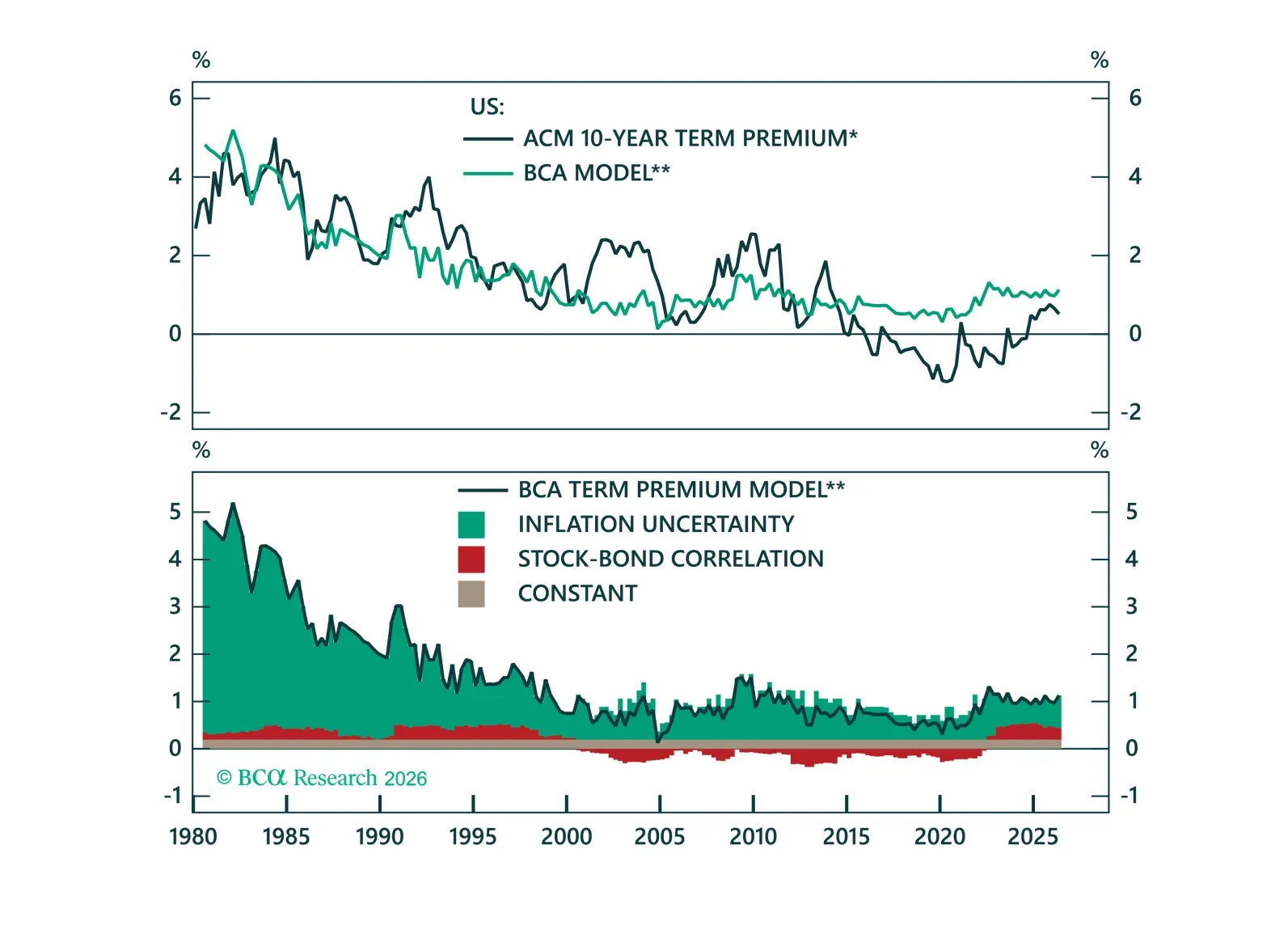
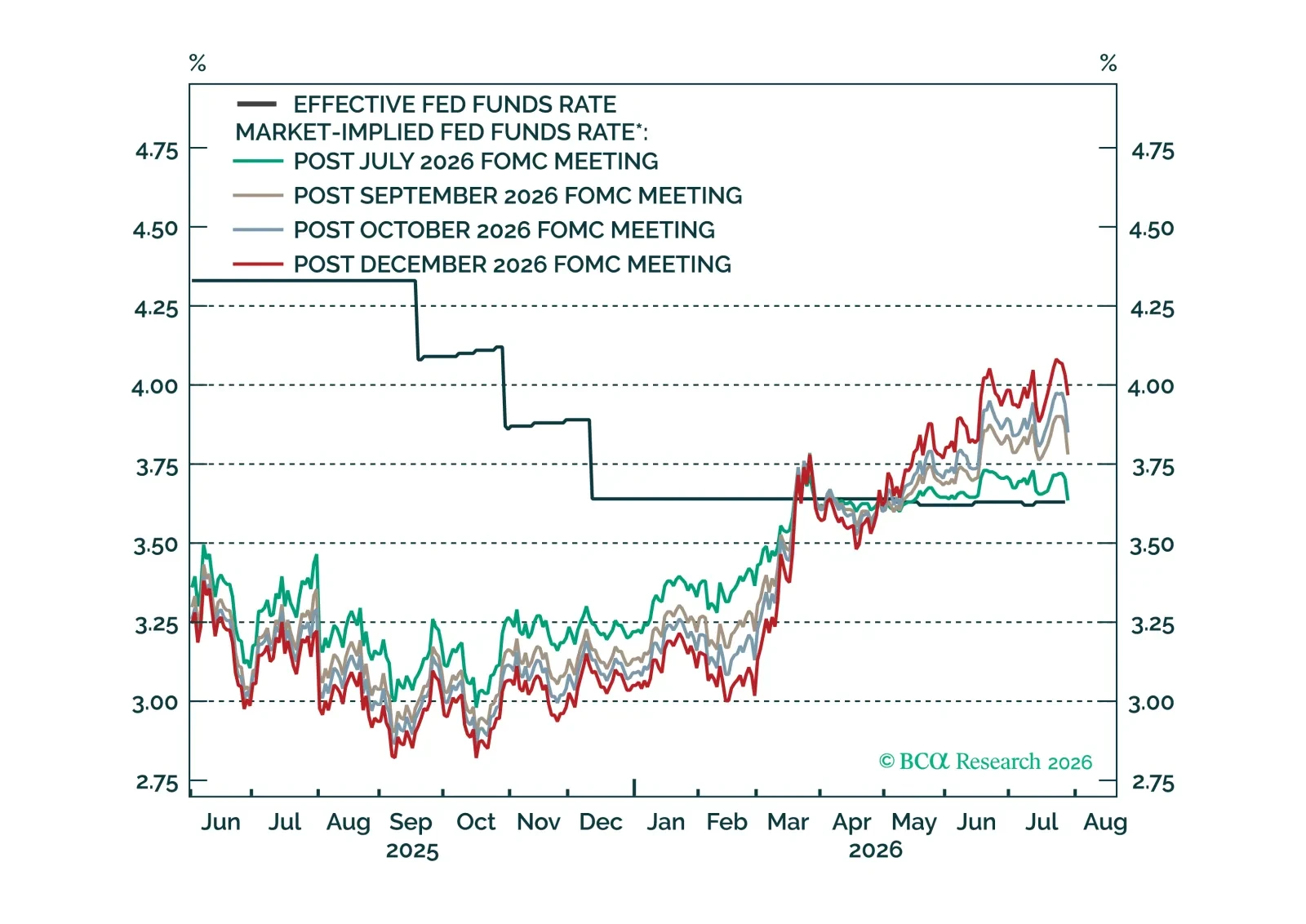
Despite today’s hold, the bar for a rate hike in September remains low and contingent on the next two core CPI reports.