AI
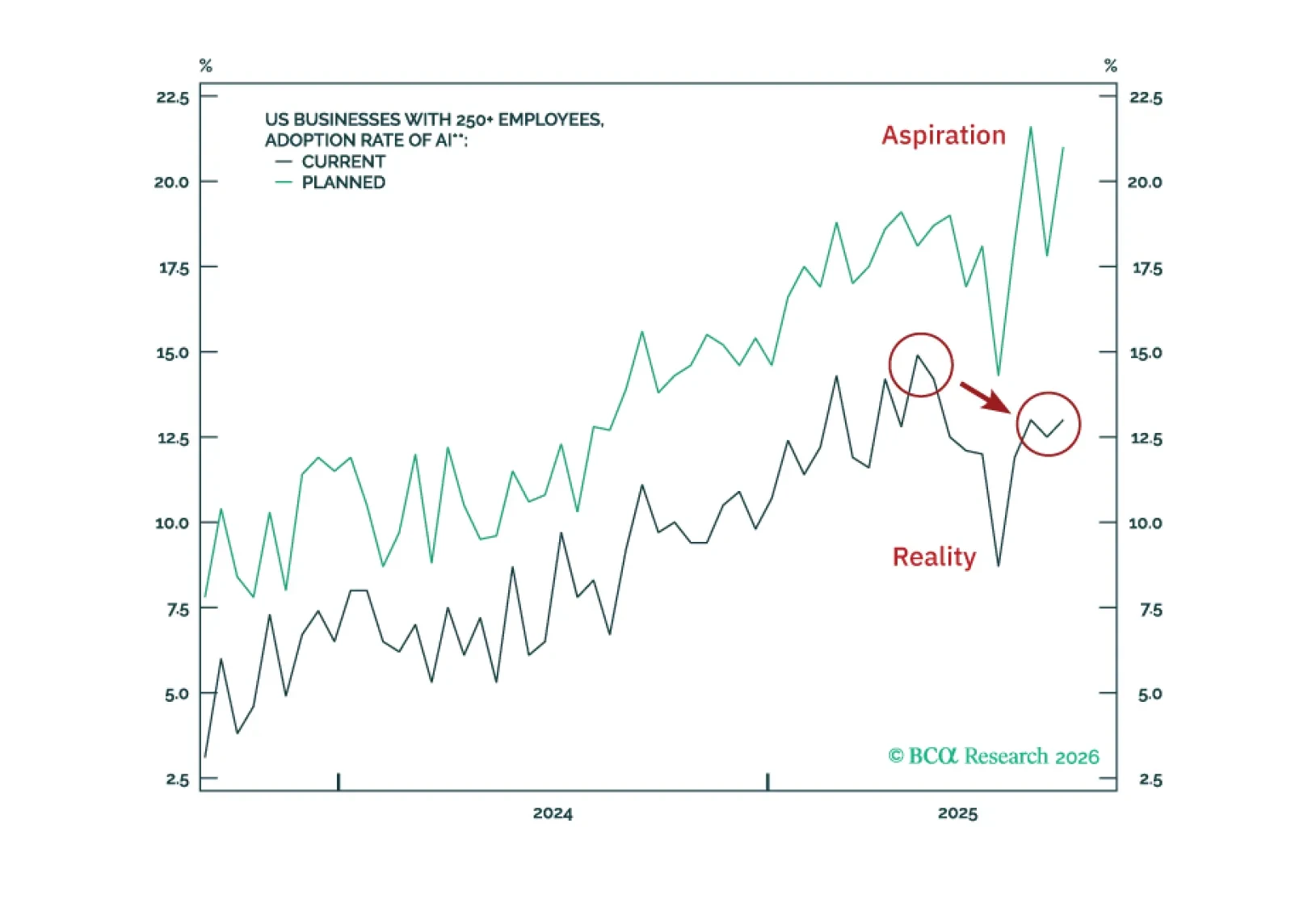
In Section II, Jonathan updates the BCA Artificial Intelligence Productivity Checklist and concludes that the evidence of an AI-driven productivity boom is not convincing.
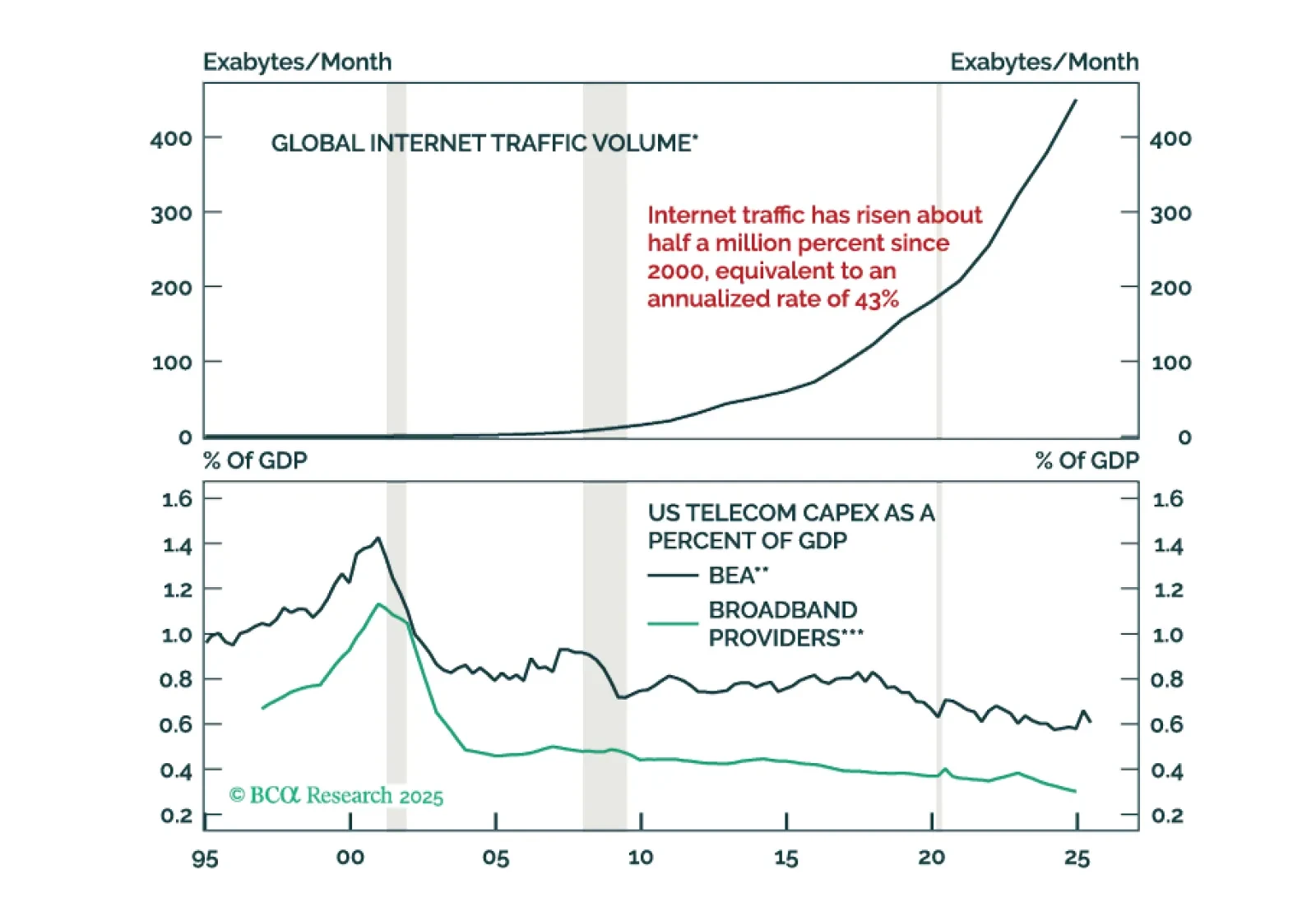
This year, we once again present our 2026 outlook as a retrospective from the future – a future in which the AI boom turned to bust.
Next week, please join me for a Webcast on Wednesday, December 17 at 10:30 AM EST (3:30 PM GMT, 4:30 PM CET) to discuss the economy and financial markets. We will also host a Webcast for APAC on Tuesday, December 16 at 8:00 PM EST (9:00 AM HKT+1 day).
And with that, I will sign off for the year. I wish you and your loved ones a very happy and healthy 2026. We will be back on Friday, January 2 with our MacroQuant Model Update.
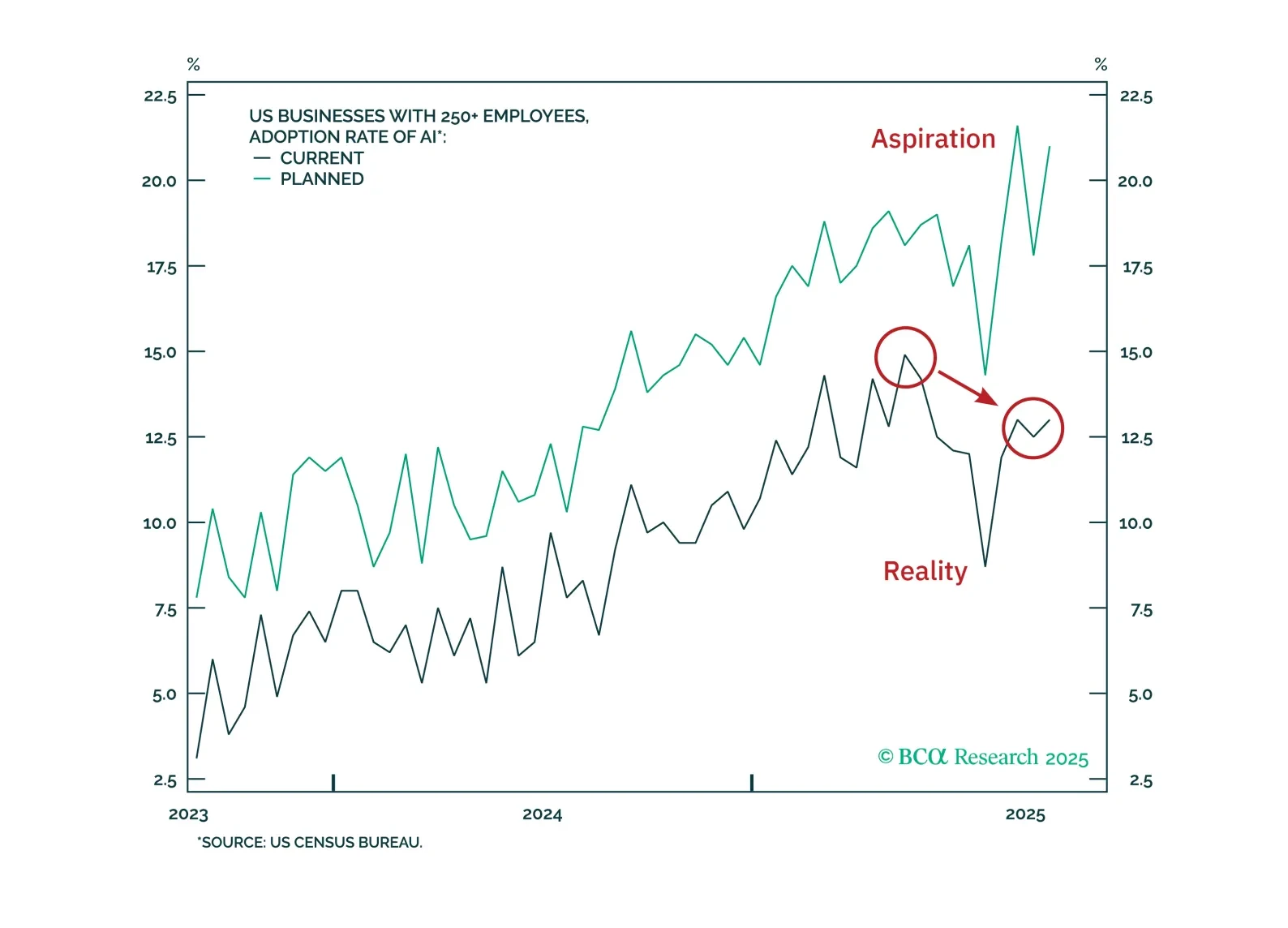
In this report, we present an AI investment framework for long-term investors. We conclude that an “AI Winter” is likely to begin over the next one-to-three years. Investors should strategically favor value over growth stocks.
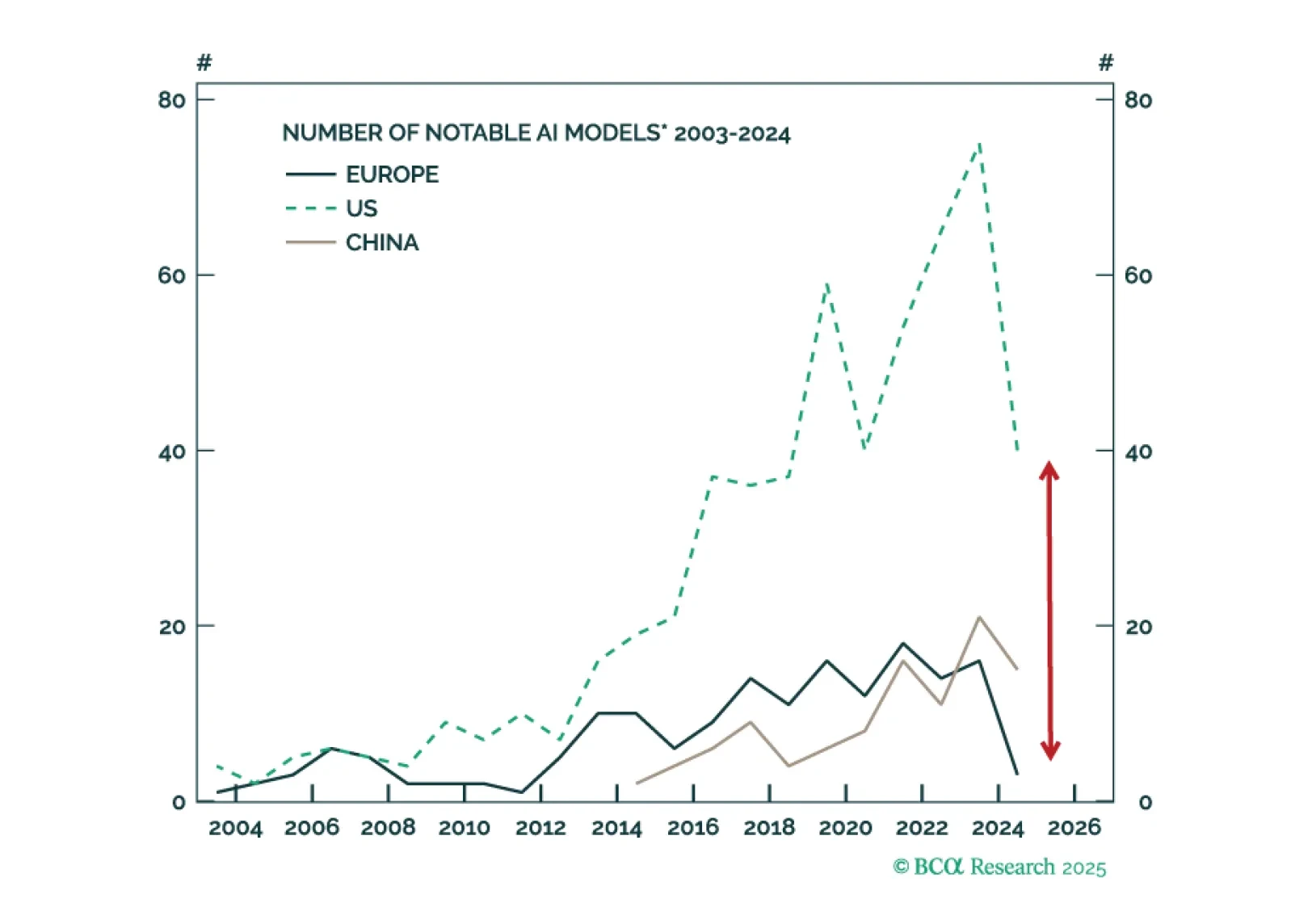
Europe is not left out of the AI race. Despite lagging US and China in LLMs and AI capex, Europe is quietly making progress where it matters, including industrial adoption. European capitals and the EU seem committed to not let that technology slip away, and are investing to support a “second-wave” role in AI. Scaling remains uneven, especially for SMEs, but will not prevent productivity gains in the region.
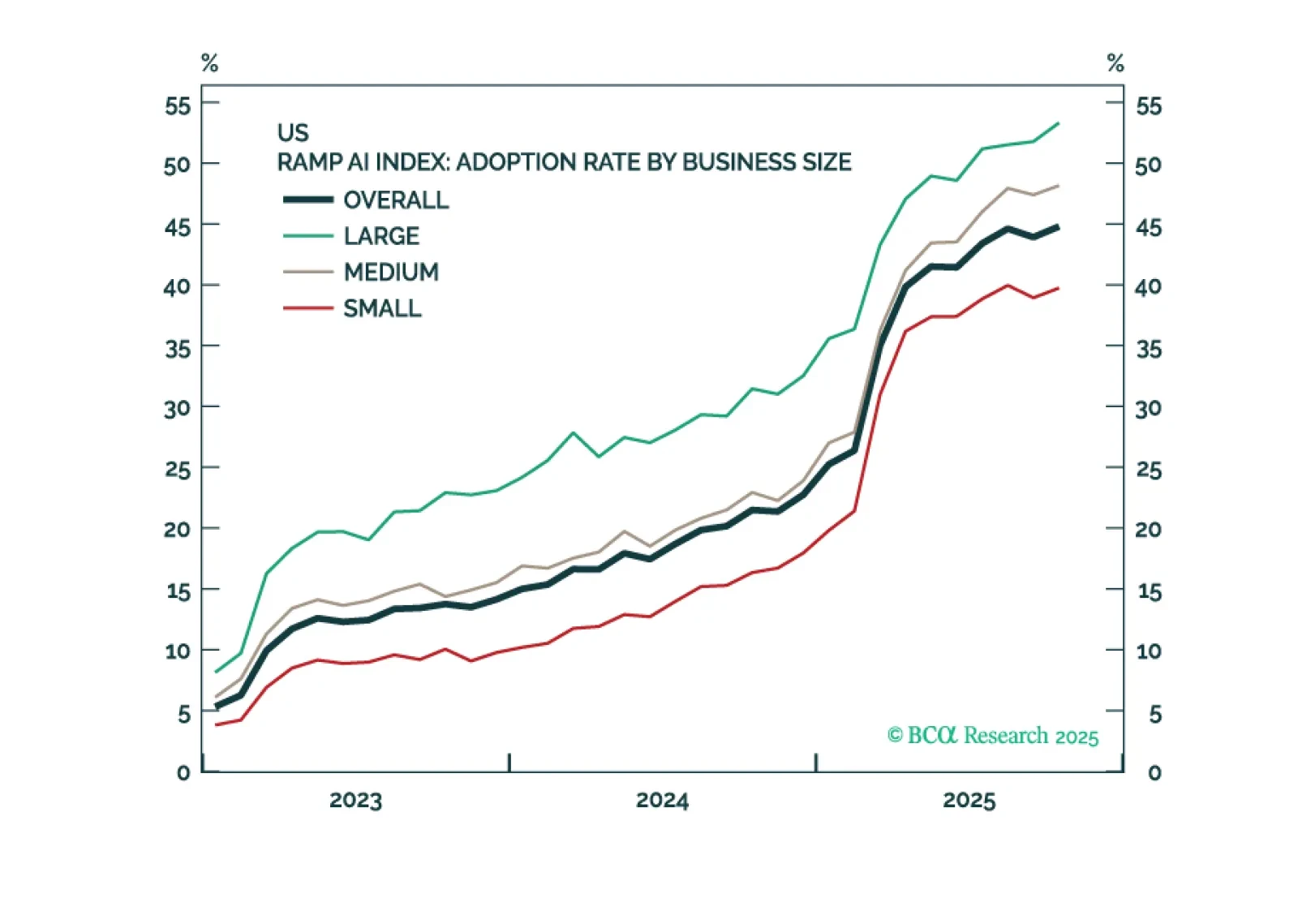
The odds have risen that we have reached a “Metaverse Moment” – a situation where investors punish AI companies for increasing capex. This warrants greater caution towards AI stocks specifically, and the broader S&P 500 more generally.
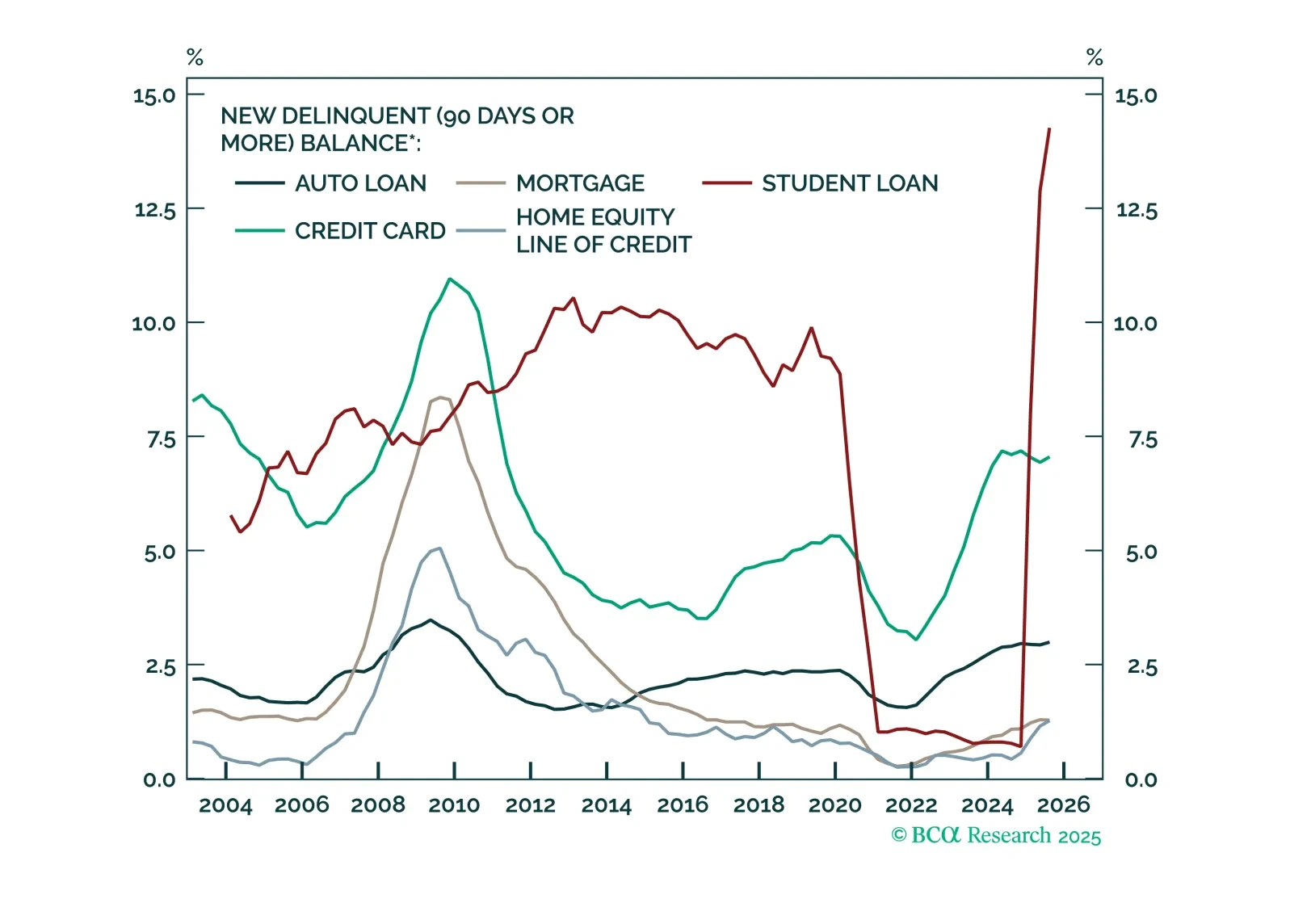
Disparities between households and between companies’ earnings and equity performance are widening, but the overall status quo remains in place. We reiterate our neutral asset class recommendations while watching for early signs of whether activity might break out or break down.
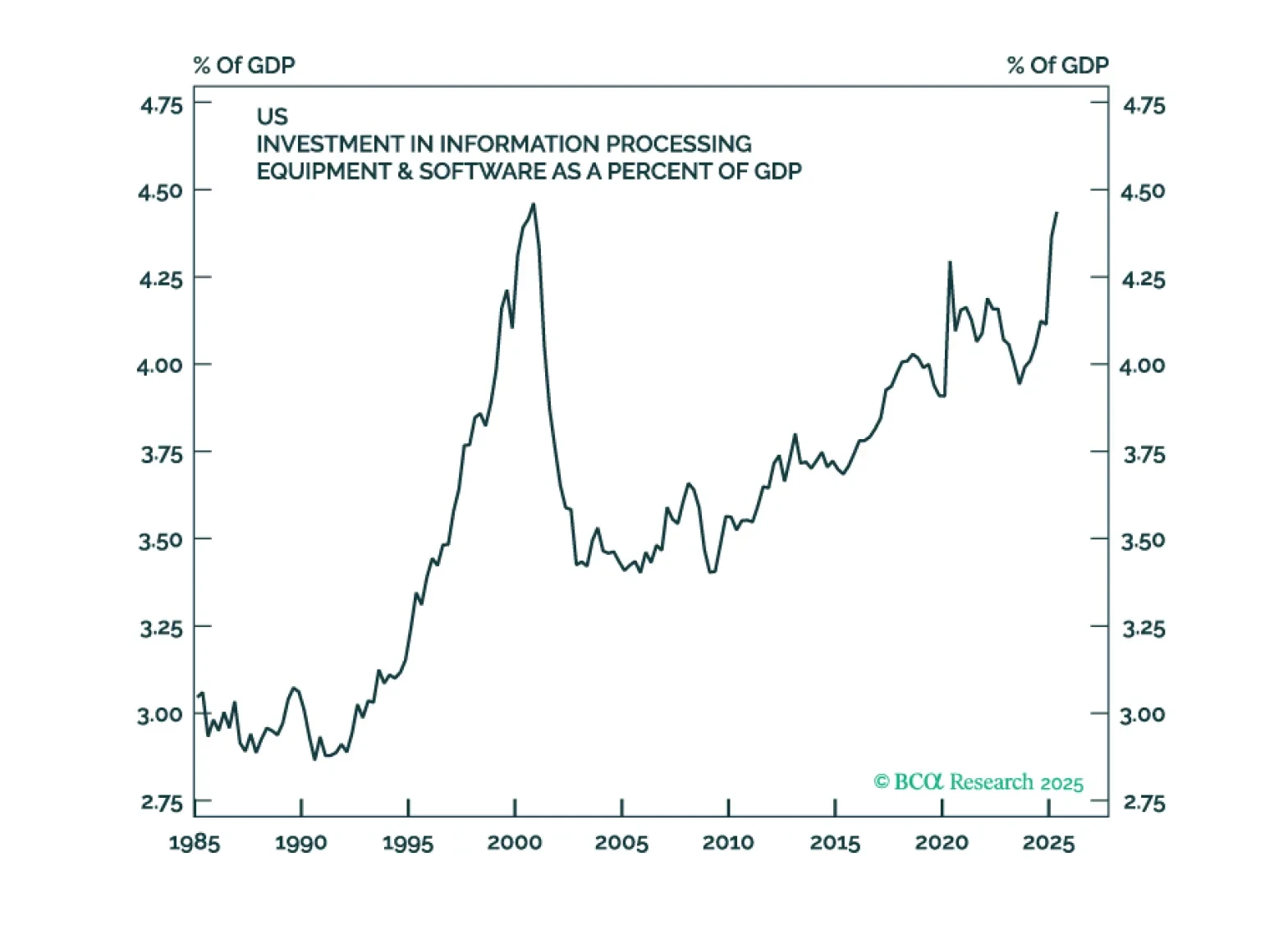
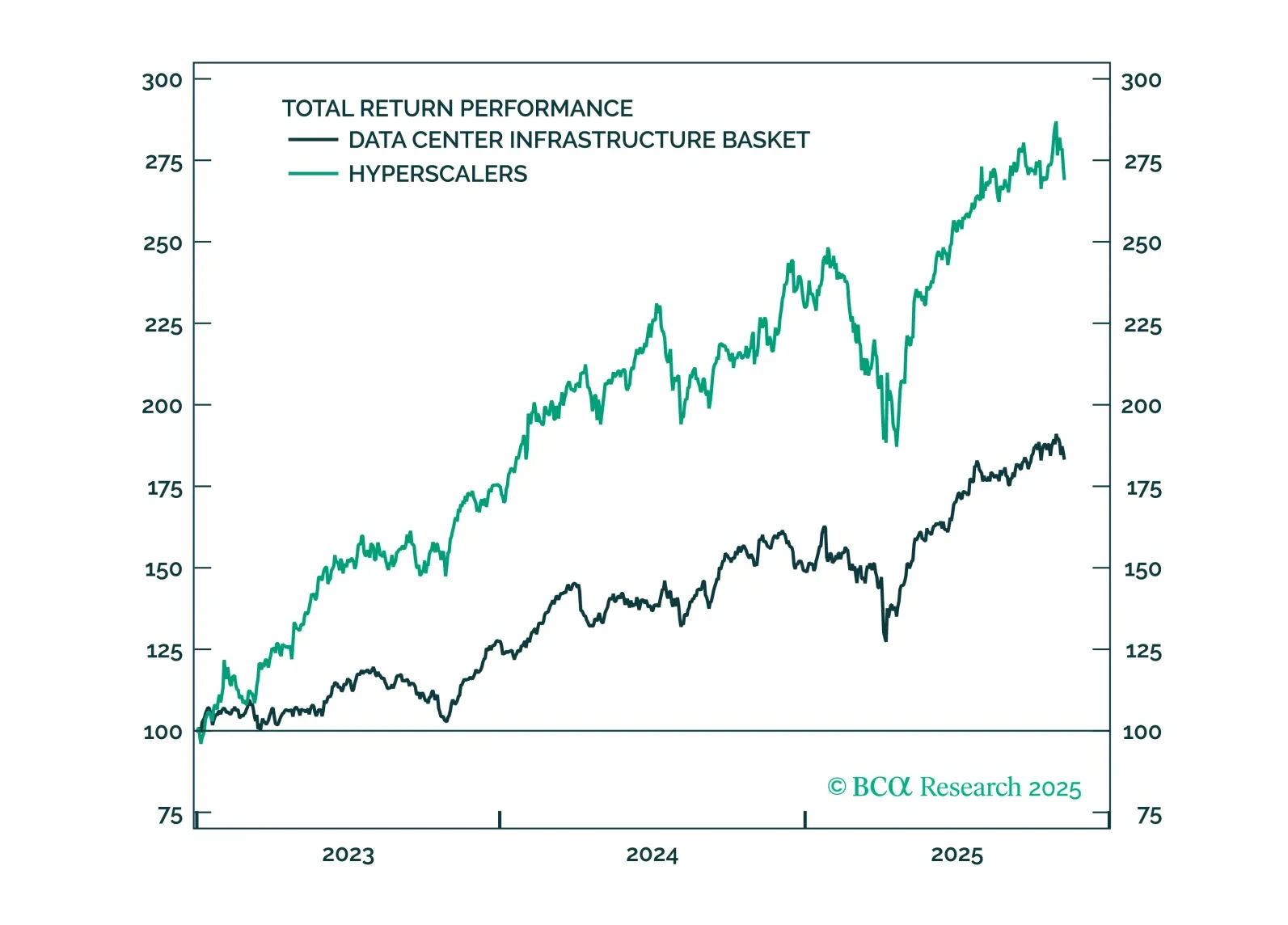
As hyperscalers expand global data center capacity, they are igniting a powerful industrial cycle. Capital Goods and Materials companies supplying turbines, grid components, cooling systems, and advanced connectivity materials for data center and energy infrastructure are emerging as key beneficiaries, positioned to capture structural growth as GenAI demand reshapes the economy.
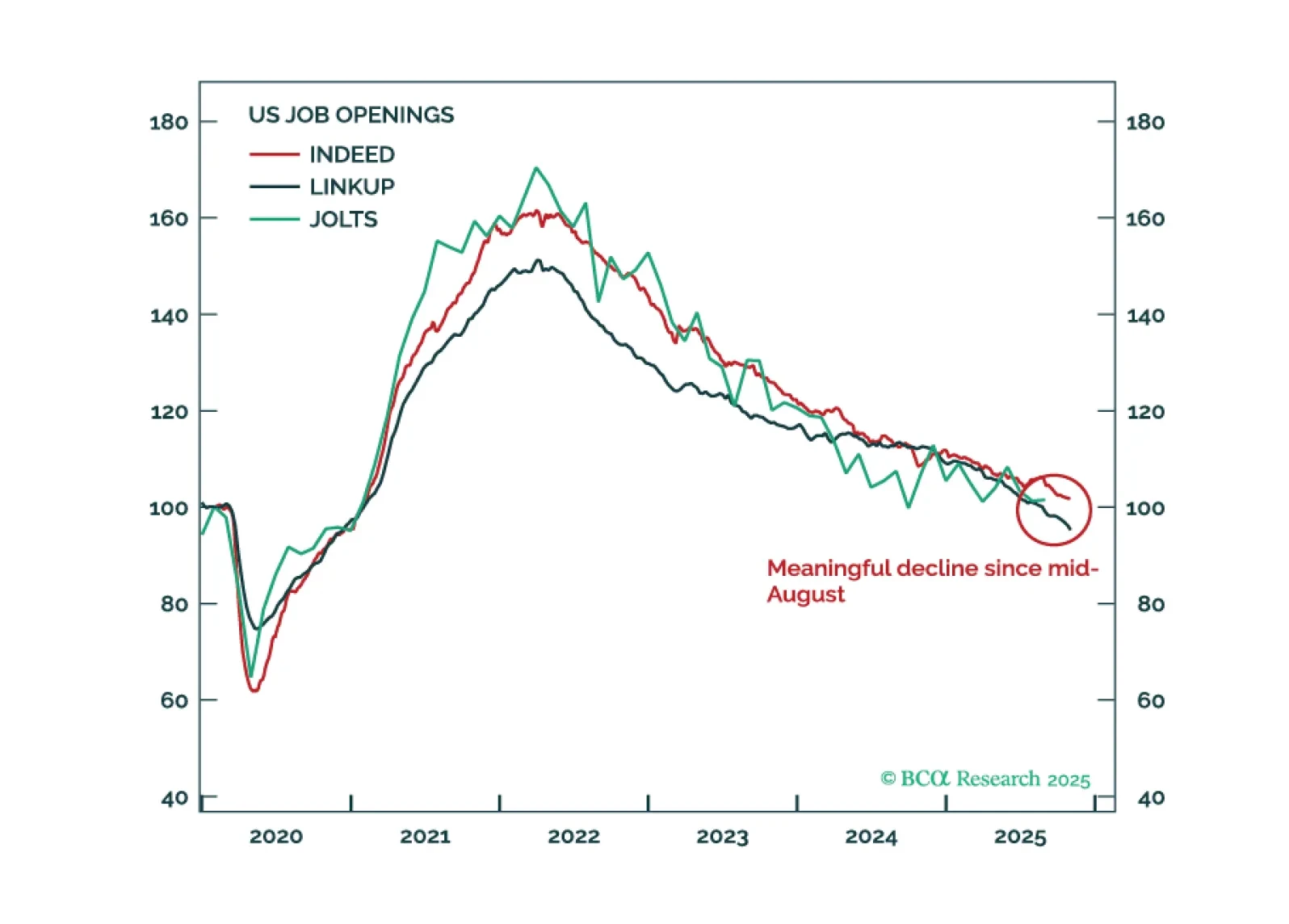
In the absence of official government data, investors are turning to alternative sources to gauge the direction of the US economy. Our analysis of this data suggests that the economy has continued to expand at a moderate pace over the past two months. If the Supreme Court were to strike down the tariffs, this would reduce the near-term odds of a recession while raising the odds of overheating.
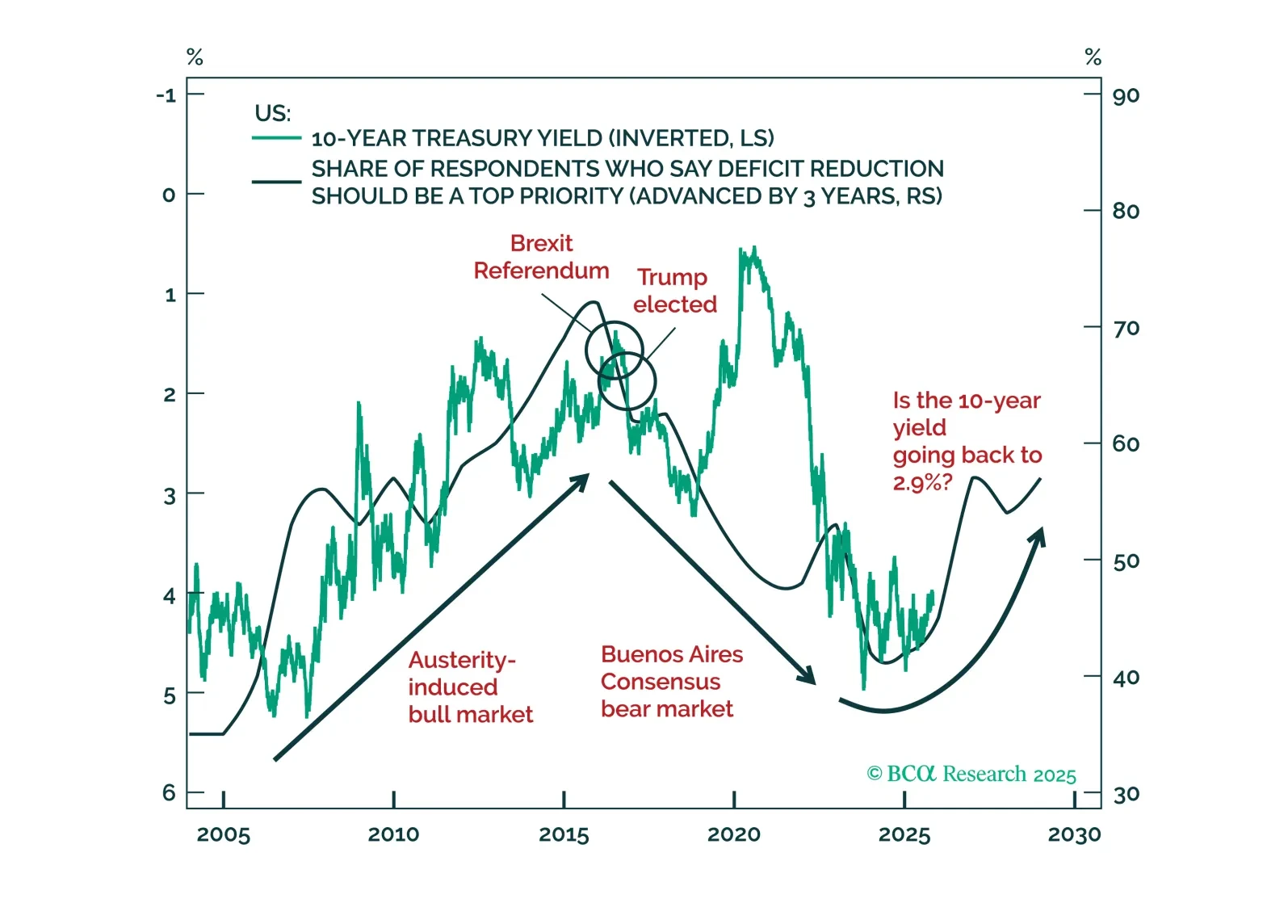
Détente between China and the US is a big deal. Economic data continues to give the Fed reasons to cut. What is there to be worried about? Very little. But we chew on some bearish thoughts as we start thinking about 2026.