Sorry, you need to enable JavaScript to visit this website.
Skip to main content

Inflation

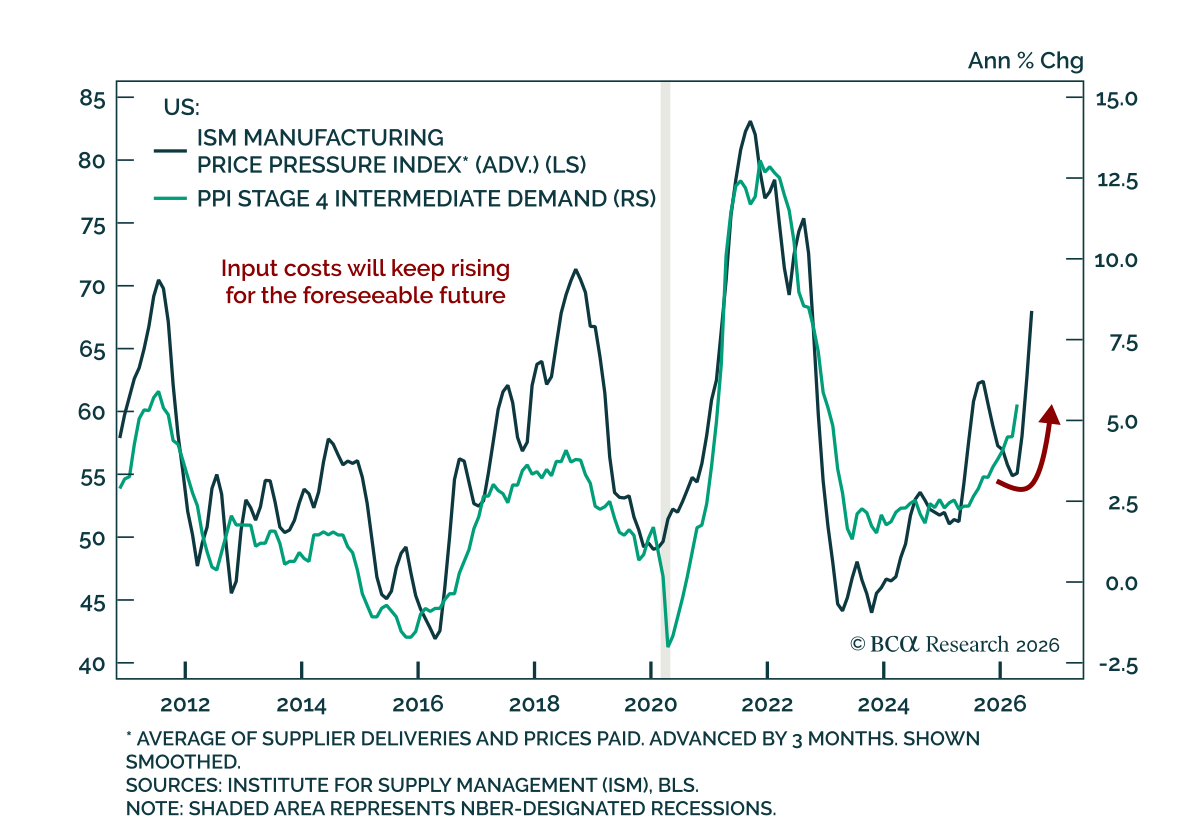
April PPI was hotter than expected, reinforcing the inflation message from CPI rather than changing it. Headline PPI for final demand rose 1.4% m/m, up from an upwardly revised 0.7% in March. The core measure, which excludes food, energy, and trade, rose 0.6%…
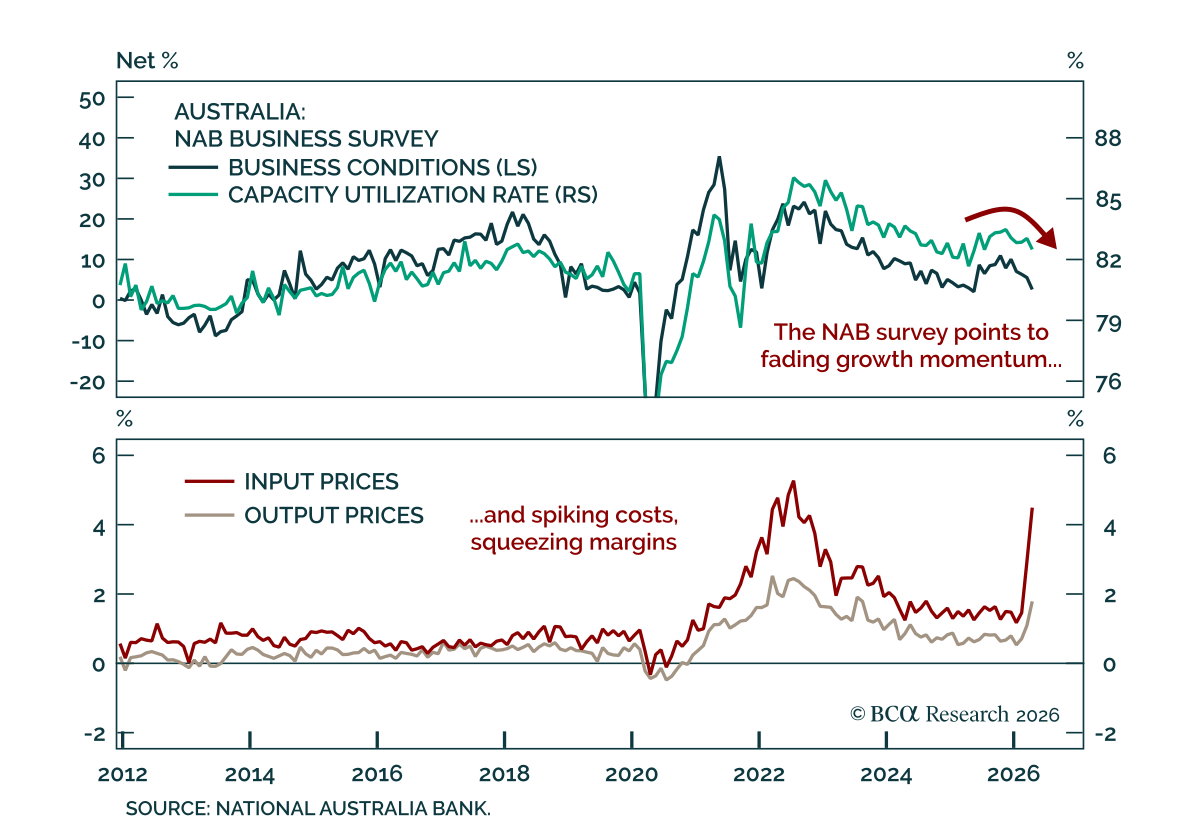
The April NAB survey points to a worsening growth-inflation mix in Australia. Business conditions moderated to +3 from +6, a fourth consecutive decline that left the index firmly below its long-term average. Business confidence, the more forward-looking…
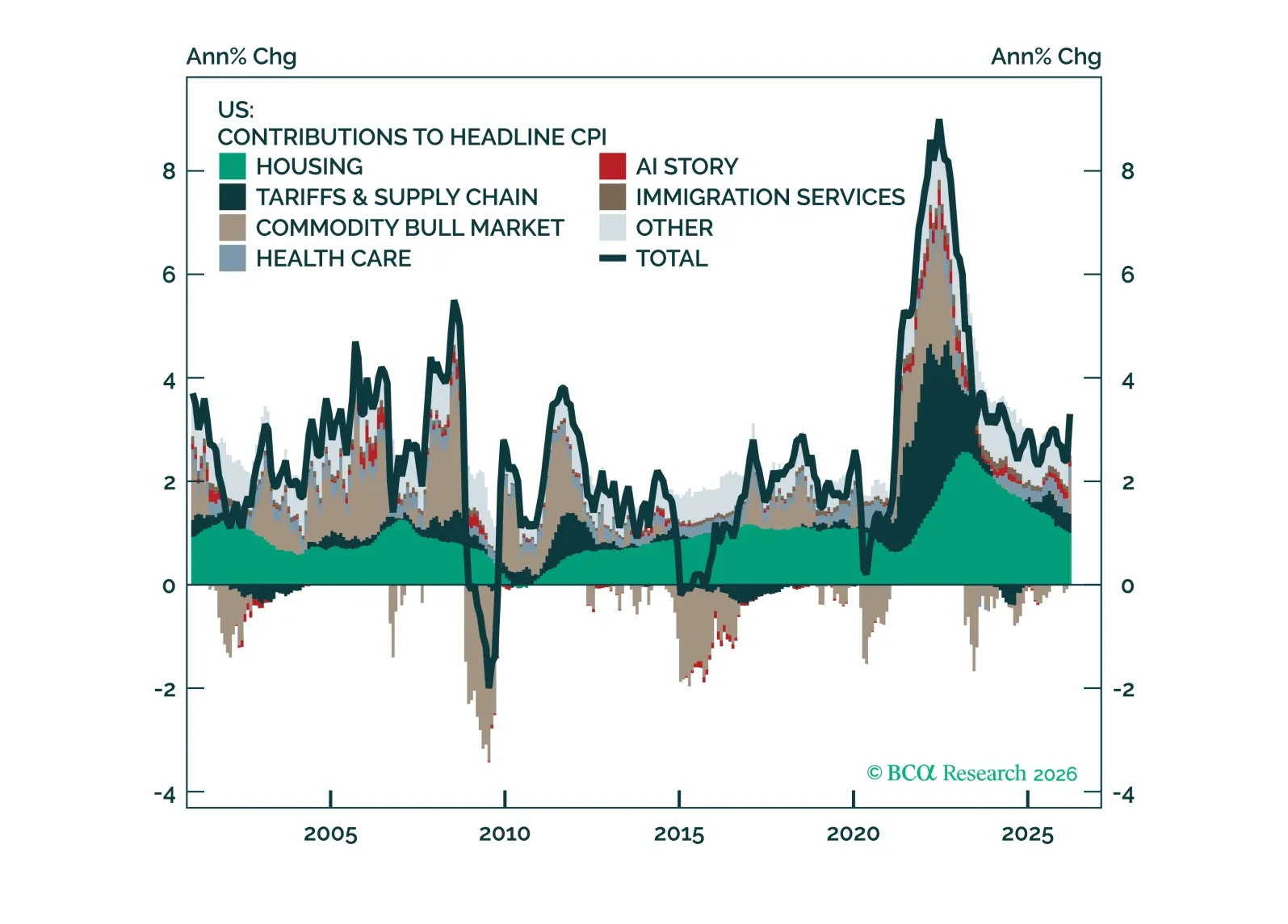
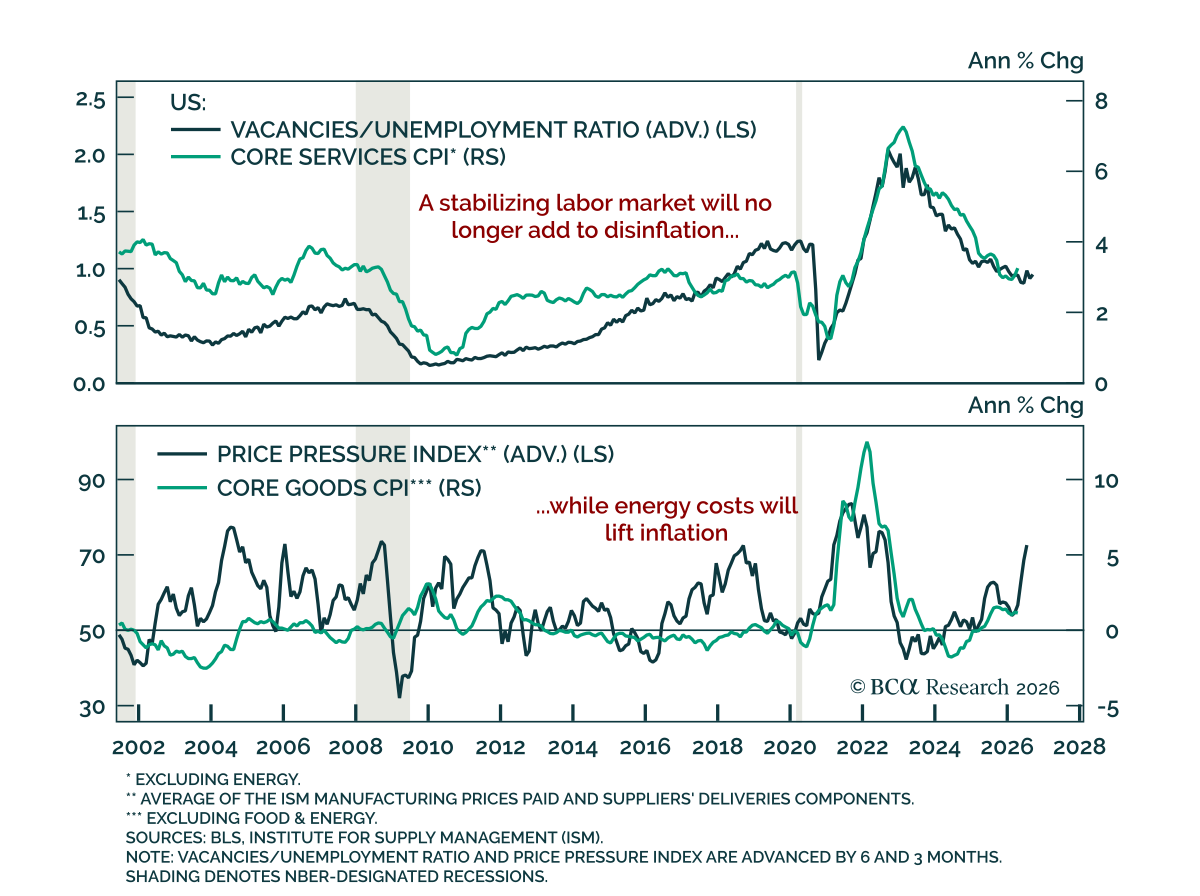
US April CPI was hotter than expected, keeping the Fed on hold as inflation risks remain tilted higher. Headline CPI rose 0.6% m/m and core 0.4%. While headline monthly inflation was below the prior month’s 0.9%, it remains too high to be consistent with the…

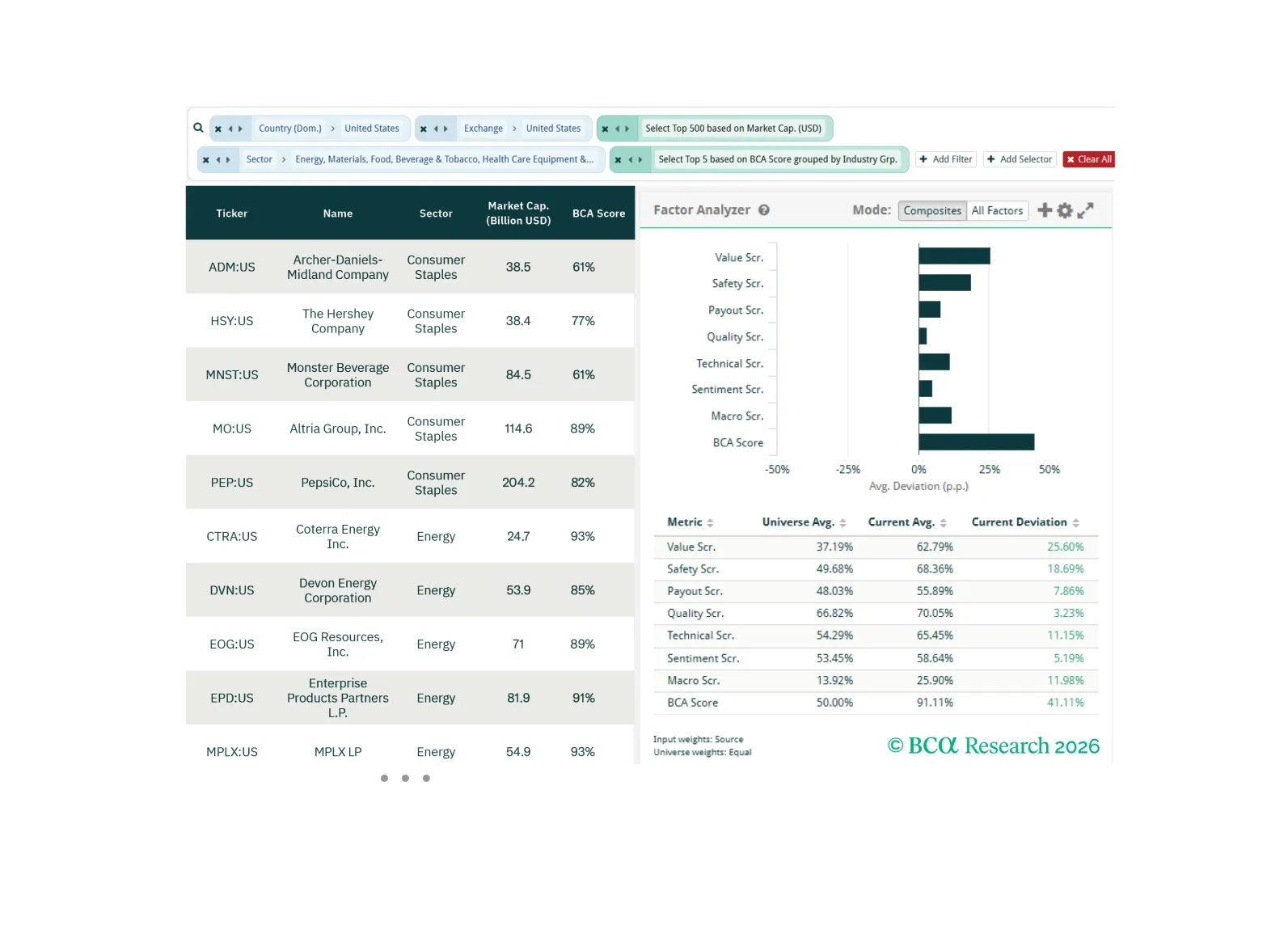
In this screener report, we explore opportunities in Inflation risk, supply-constrained Information Technology stocks, and old-economy cyclicals.
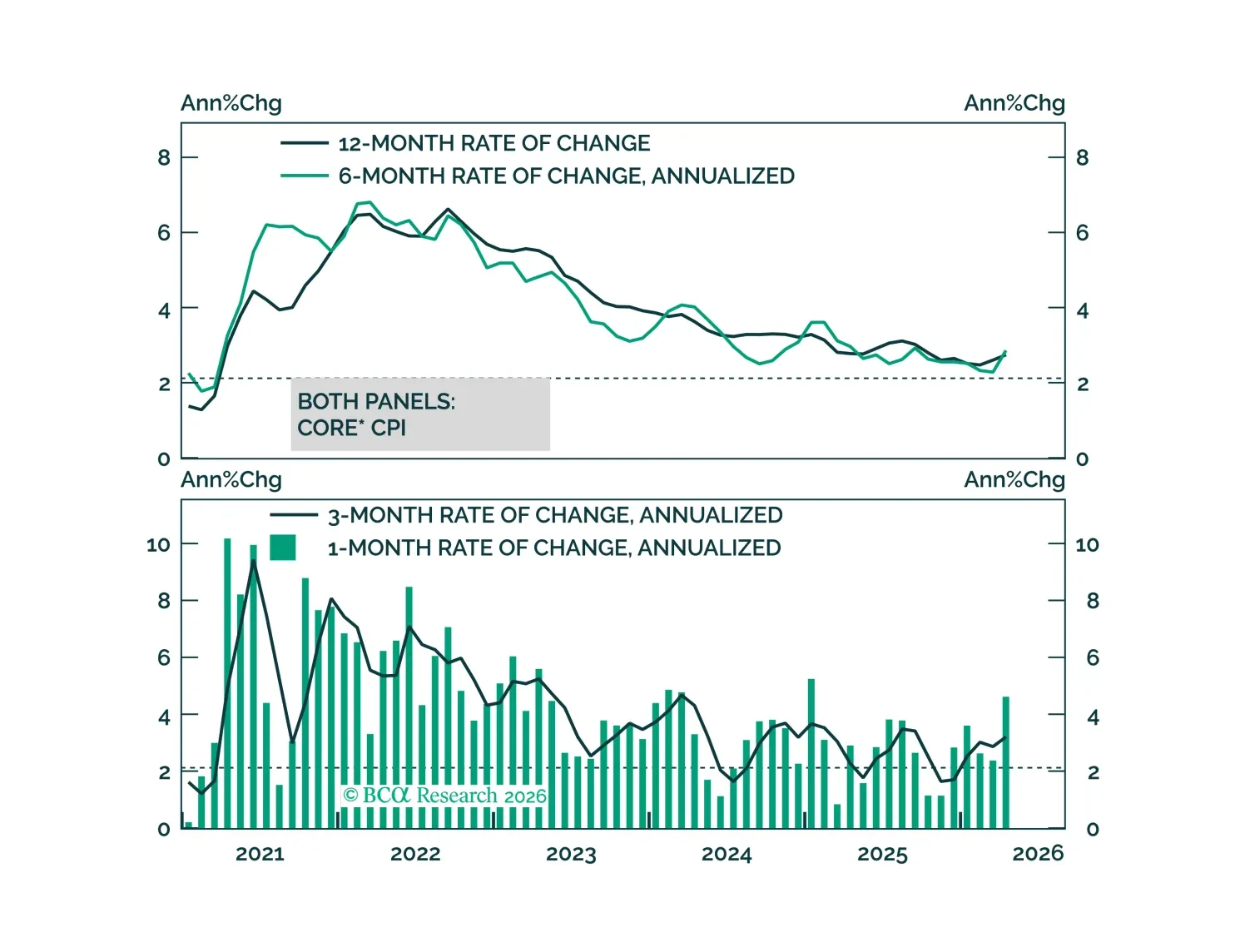
The April CPI report showed clear evidence of the direct effect of higher oil prices on inflation but, so far, limited evidence of passthrough to core.
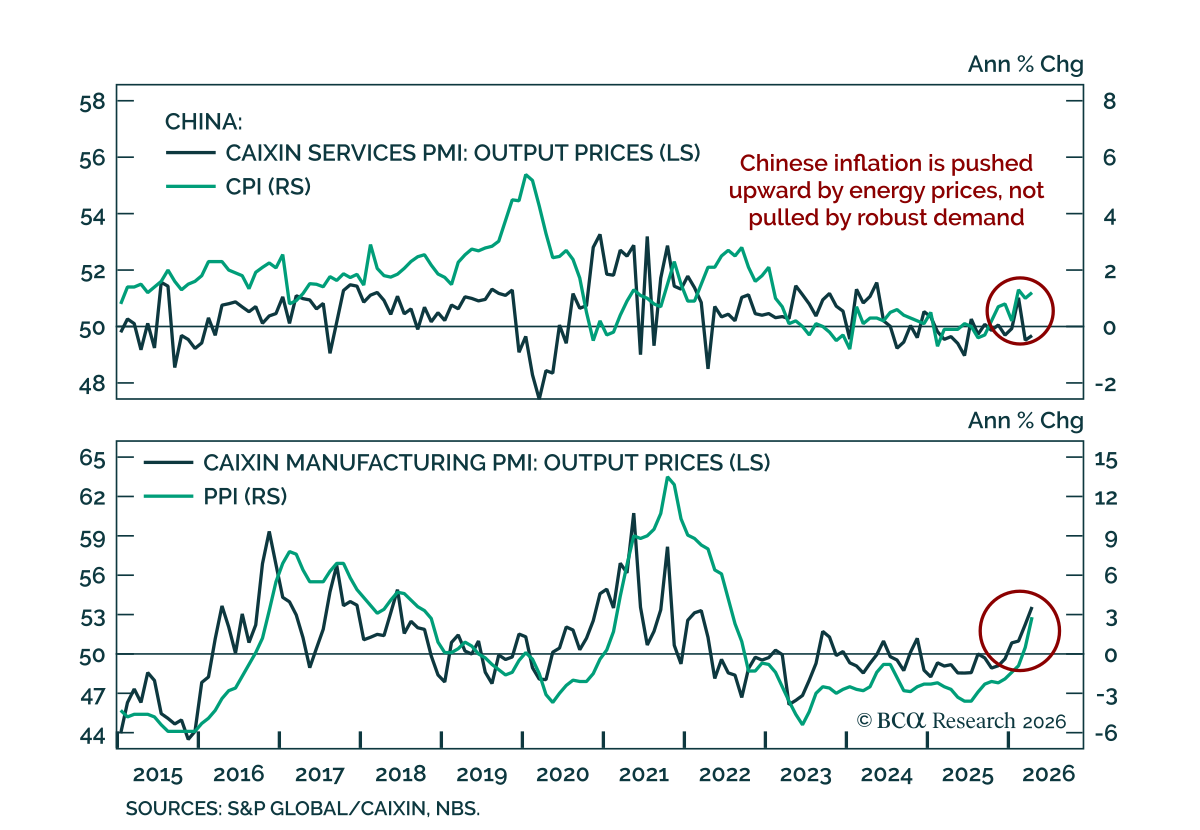
Chinese inflation surprised to the upside, but the rise reflects higher energy prices rather than stronger demand. CPI rose 1.2% y/y versus 0.9% expected, while PPI was the bigger surprise at 2.8% y/y, almost double consensus. The PPI move matters more…
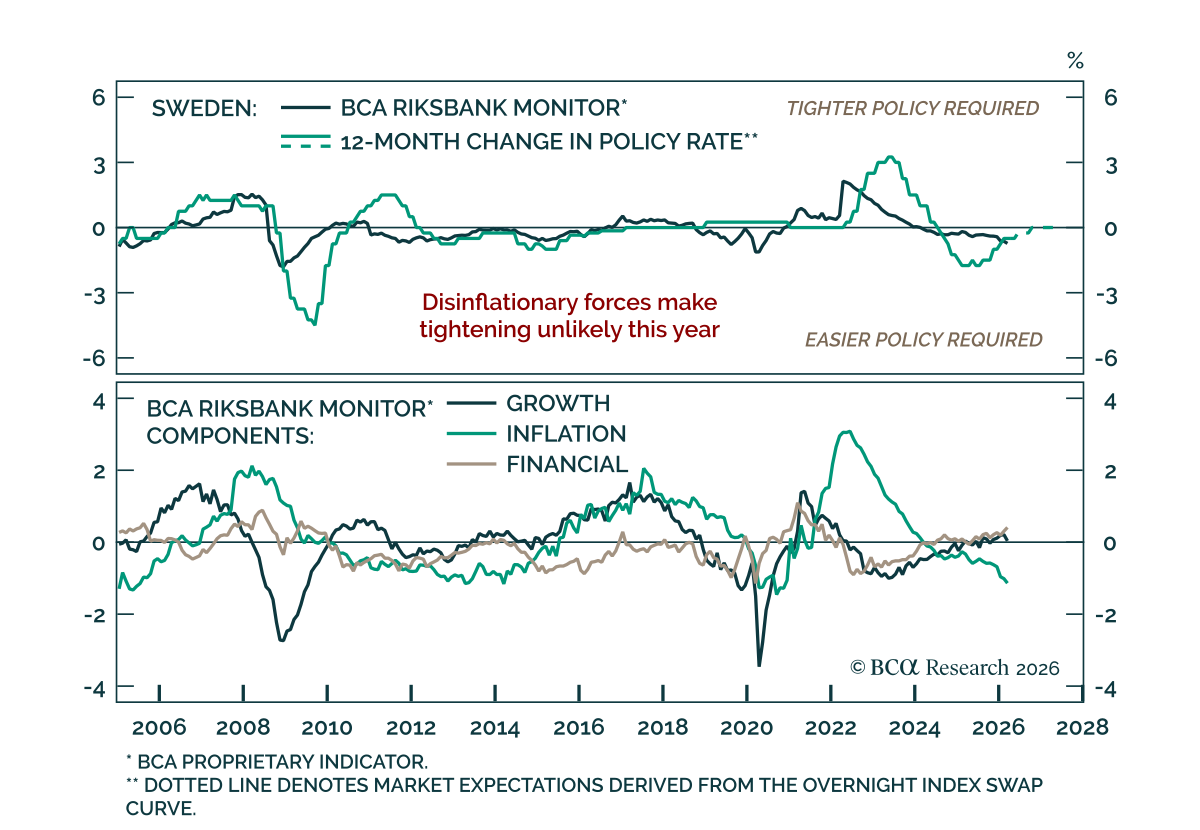
The Riksbank left rates unchanged and is likely to stay on hold, as soft inflation and weaker growth leave little case for tightening. The policy rate was left at 1.75%, as expected, and the Riksbank signaled it will remain on hold in the near term. This…
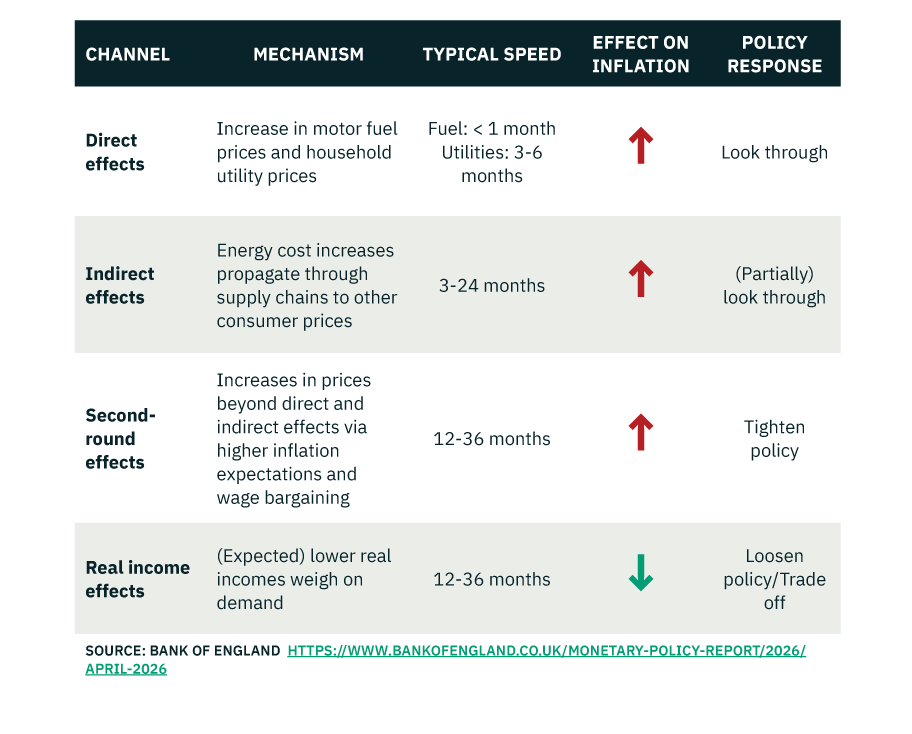
The Bank of England’s latest Monetary Policy Report offers a clean framework for thinking through an oil shock and the appropriate policy response. The first channel is the direct effect of higher energy prices on inflation such as higher gas and utilities…

The tenuous ceasefire holds, with the "new geopolitical equilibrium scenario" remaining in place. Enough crude trickles through Hormuz to avert a global recession, but not to alleviate building inflationary pressures, a product of a complicated geomacro context that is not transitory. The Fed will look to ignore these in the short term, fueling the equity rally in the US. Chinese equities may pop thanks to the upcoming détente. When does it all end? Beware of major IPOs! 

The 2020s have already delivered four inflation shocks, with a structural backdrop turning more inflationary. Inflation first rose during the post-COVID reopening, as globally integrated supply chains struggled to adjust. Russia’s invasion of Ukraine then…